








How do you extract espresso at home without an espresso machine? Quite a few friends have asked Front Street about this. Yes, there is a way! The handsome-looking moka pot is the perfect solution. The moka pot generates pressure by boiling at high temperatures, and through the siphon principle, it draws water from the lower chamber up to the upper chamber. Due to its design, the moka pot only brews a small amount of coffee each time, and through the siphon process, the water cannot be fully drawn up through the coffee bed, so the extracted coffee is quite concentrated.
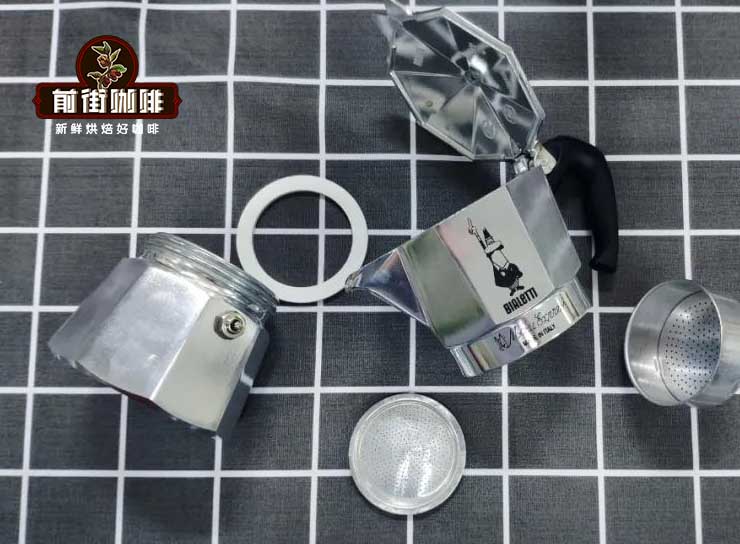
The components of a moka pot
A moka pot consists of three parts: the upper chamber, the filter basket, and the base. The lower chamber is the water reservoir, the filter basket holds finely ground coffee, and the upper chamber collects the extracted coffee.
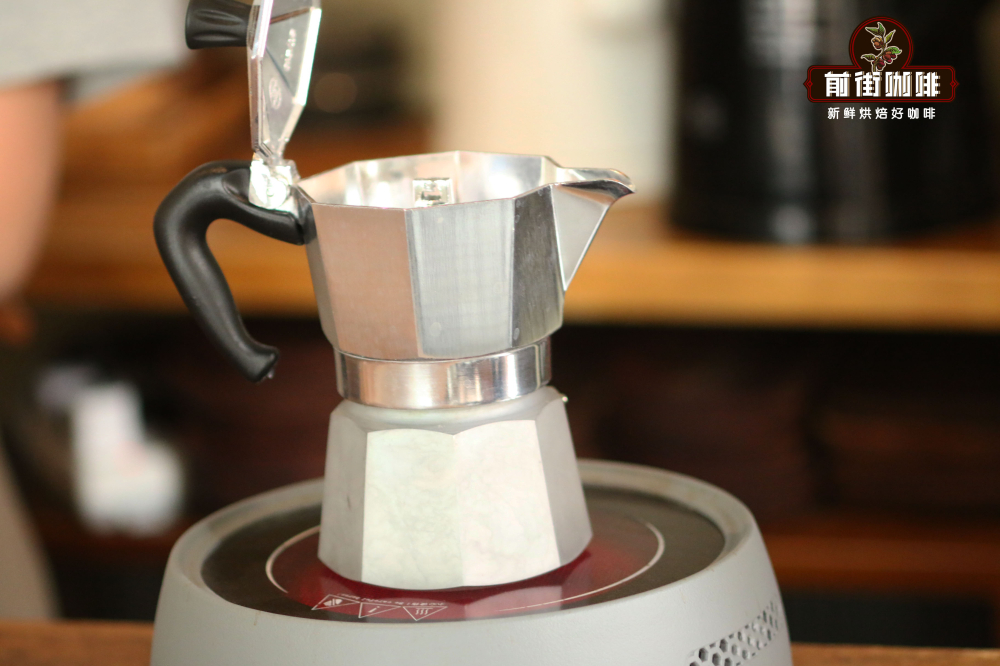
The extraction principle of a moka pot
The principle of extracting coffee with a moka pot is very simple: it uses the steam pressure generated inside the lower chamber. When the steam pressure becomes strong enough to penetrate the coffee grounds, it pushes hot water up to the upper chamber, brewing a rich and aromatic coffee. Using the steam pressure of boiling hot water to extract coffee that approaches espresso flavor—Front Street considers this the charming characteristic of the moka pot.
So how should we use a moka pot to extract a serving of espresso suitable for making milk coffee? Front Street's approach is:
1. First determine the dose of coffee. Grind at a finer espresso setting, tamp it level, and see how many grams it yields.
2. Determine the water amount. The water amount in the lower chamber is hard to determine at first, so you can only estimate the coffee liquid output through trial and error. For example, Front Street uses a dose of 20g and wants to make espresso with a coffee-to-water ratio of 1:1.8, which means we need 36g of coffee liquid. On the first test, fill the lower chamber with the recommended water amount for the moka pot and brew a full pot to see how much coffee liquid actually comes out. If you added 100g of water and got 60g of coffee liquid, but you only need 36g, then for the next brew you only need to add 100-(60-36)=76g of water.
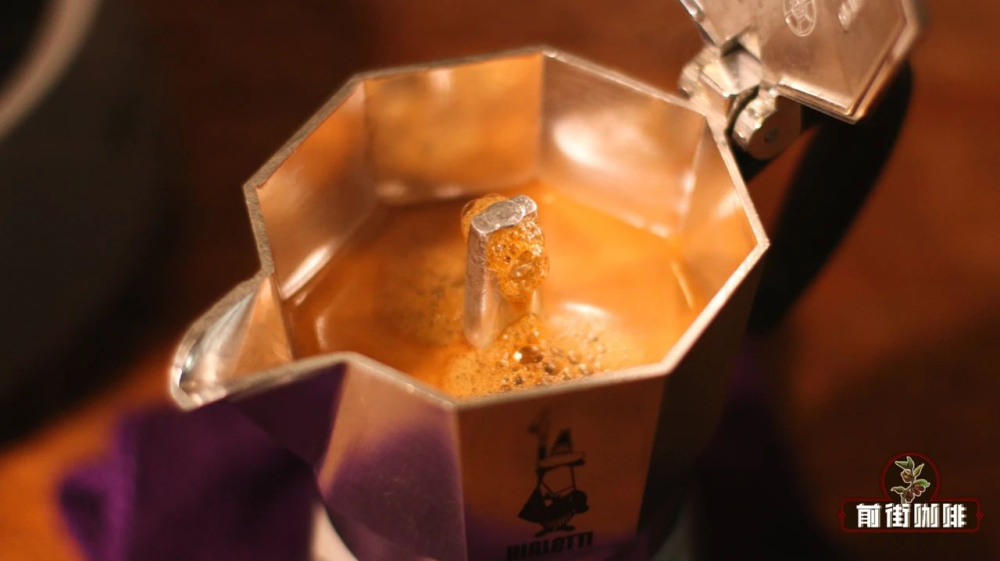
3. Fine-tuning the grind size. The ideal flow state is when the coffee liquid flows out slowly, and the pressure relief valve releases a slight puff of steam without screeching. If the coffee liquid flows too fast and the pressure relief valve doesn't release steam, the grind is too coarse. If the coffee liquid flows slowly and the pressure relief valve screeches and releases steam, the grind is too fine.
4. Timing to remove from heat. Once the flow is steady, turn off the heat (when the liquid flowing from both sides has formed a ring at the bottom). Pour it out promptly before small bubbles start turning into large bubbles. The longer you wait, the stronger the burnt taste becomes, and the crema will be blown apart.
Front Street Coffee (FrontStreet Coffee) How to use a moka pot to extract espresso? This time Front Street uses coffee beans with rich nutty and cocoa aromas—Brazil Queen's Farm coffee beans—for the extraction demonstration.
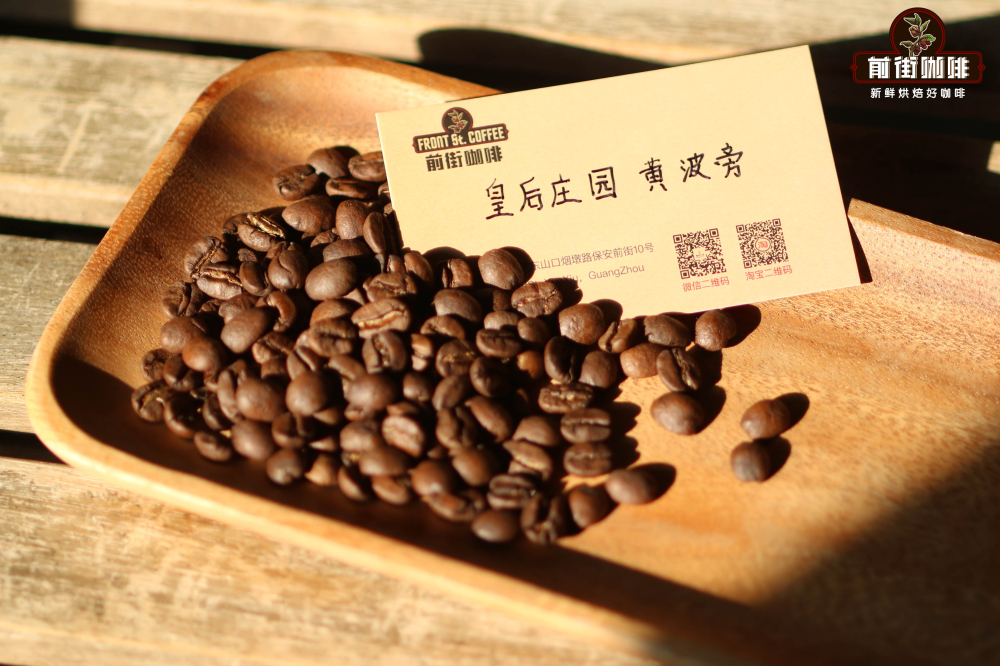
Front Street Coffee (FrontStreet Coffee)——BrazilQueen's Farm coffee beans
Region: Brazil São Paulo
Farm: Queen's Farm
Altitude: 1400-1950m
Variety: Yellow Bourbon
Processing method: Semi-washed / Natural
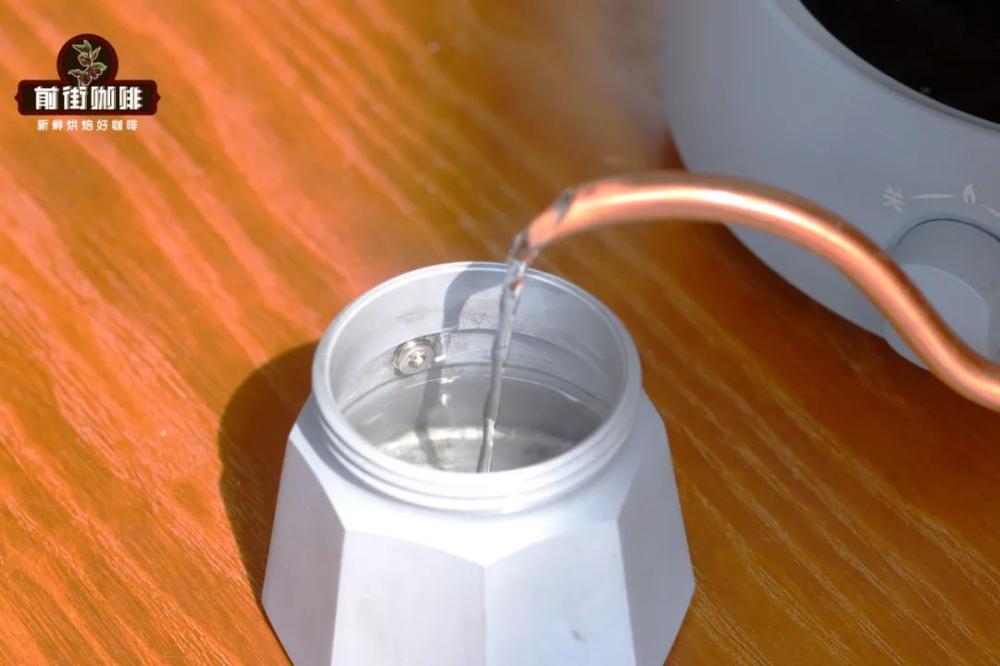
1. Pour purified water into the lower chamber of the moka pot. The water level should be about 0.5cm below the pressure relief valve.
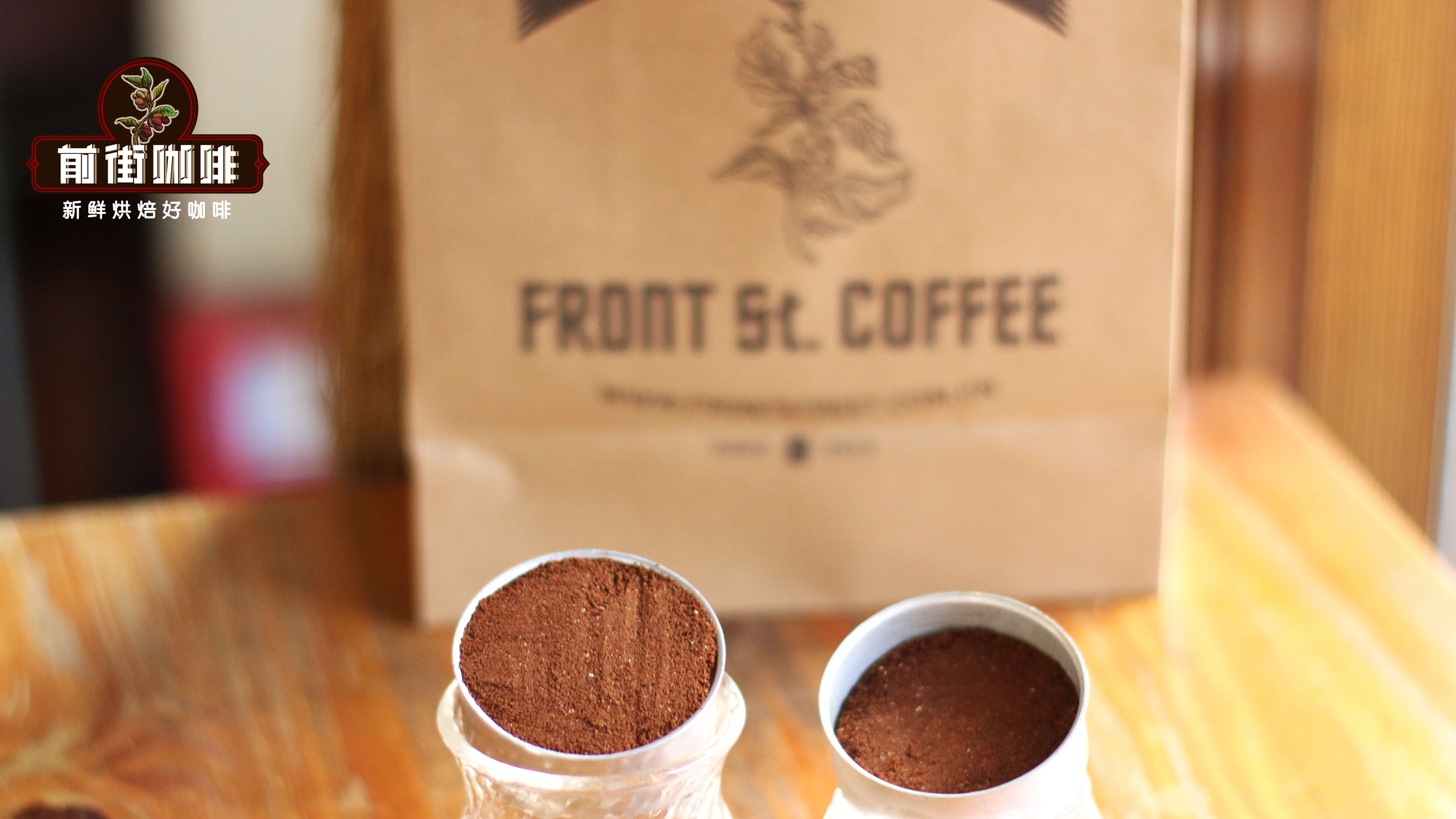
2. Choose a grind size slightly coarser than espresso. Tap gently to distribute the coffee grounds evenly. When the coffee grounds form a small mound, level the surface by distributing the grounds.
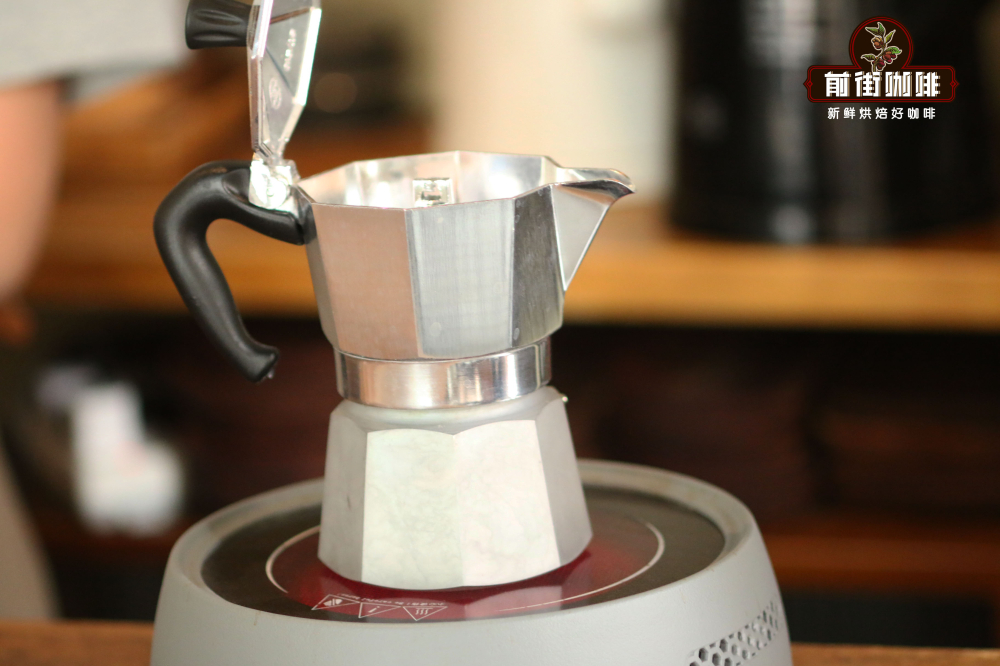
3. Place the filter basket into the lower chamber. Screw the upper and lower parts of the moka pot tightly together, then place it on an electric ceramic stove/gas stove over high heat. Place the filter basket into the lower chamber. Screw the upper and lower parts of the moka pot tightly together, then place it on an electric ceramic stove over high heat. When half of the coffee liquid has come up into the upper chamber, turn off the electric ceramic stove. The residual heat and pressure in the moka pot will "push" the remaining coffee liquid into the upper chamber.
4. Once all the coffee liquid has been extracted into the upper chamber, you can pour it into a cup and taste it. Coffee extracted with a moka pot is very rich and can even produce crema. You can also add an appropriate amount of water or milk to mix it for an even better flavor.
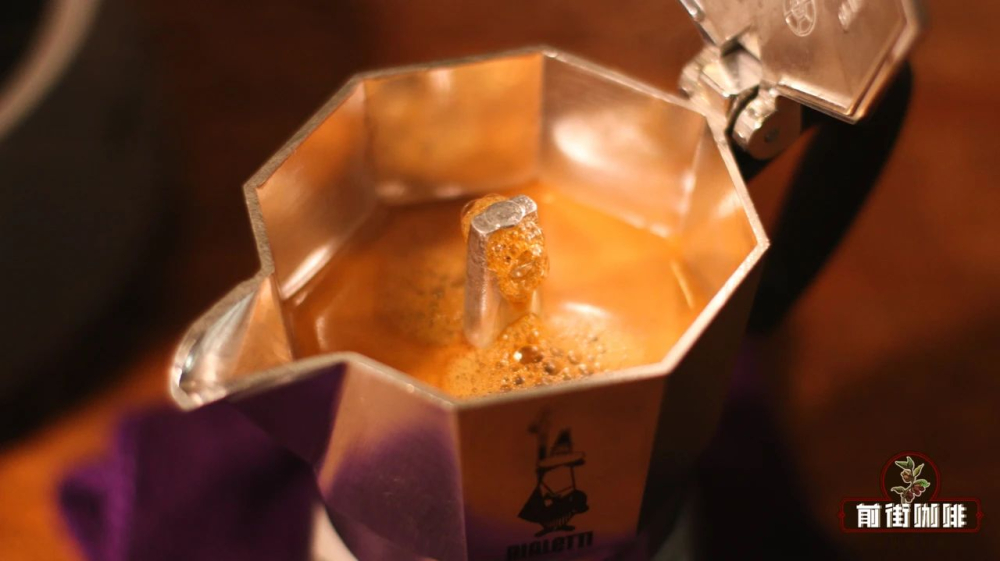
Brewing Front StreetBrazil Queen's Farm coffee beans with a moka potFlavor description: Rich nutty aroma, chocolate flavor, yellow sugar sweetness, full-bodied and mellow. Paired with milk, the taste is no less impressive than what you'd get at a café.~
The above content is compiled by CoffeeHunters, a coffee news website.


