







Coffee has become a necessity in everyone's life. Some people use it to stay alert, some use it to lose weight, and more people drink it simply out of habit. Coffee contains caffeine, which can indeed help with fat loss, but it shouldn't be used as a weight-loss tool—it's just a beverage.
Americano is a type of coffee. It doesn't have the rich mouthfeel of pour-over coffee, nor the intensity of espresso. It sits somewhere between pour-over and espresso in terms of taste. Some people also say that Americano is drip-style black coffee, and that's a fair way to put it too.
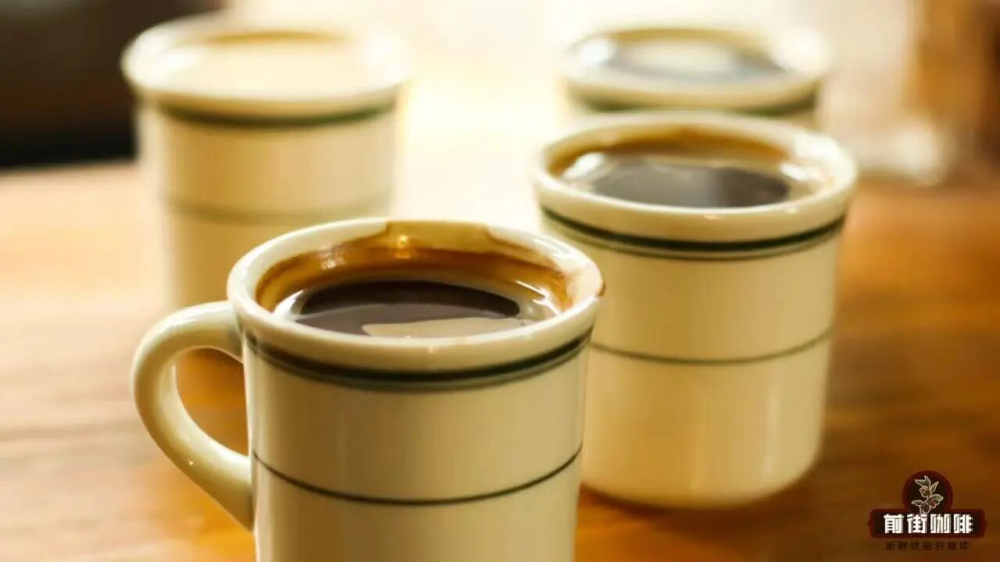
The reason Americano is called by this name is that during World War II, American soldiers, wanting to get more caffeine, chose to mix espresso with hot water, so they could drink twice the espresso volume in one go. "Americano" (Italian: Caffè Americano) is a type of coffee and also the most ordinary kind. It can be black coffee made with a drip coffee maker, or espresso with a large amount of water added. But what we commonly call Americano is the latter.
Front Street Coffee has always told everyone that coffee must be tasted from hot to cold so you can fully appreciate the flavors in the cup, because the flavors are different at high and low temperatures. However, as people's preferences for coffee vary, there are all kinds of brewing methods. Sometimes you just want a refreshing iced coffee that satisfies both coolness and alertness—especially in the hot summer, a cup of iced coffee is incredibly satisfying. Among iced coffees, besides iced Americano, in recent years we've been seeing cold brew, ice drip, nitro cold coffee, and other iced black coffees. So which is better—iced Americano or hot Americano?

Let's look at how hot Americano and cold Americano differ in taste:
Hot water + espresso is called hot Americano, while adding ice cubes and ice water makes it iced Americano.
Hot Americano

Hot Americano is black coffee made with a drip coffee maker, or espresso with a large amount of hot water added. The making process prioritizes speed, convenience, and efficiency—brewing is more casual and simple, with a light, sweet, and refreshing taste.
Iced Americano

The most common iced coffee is iced Americano (Iced Americano coffee). It is made by extracting espresso at high temperature according to Italian espresso extraction standards, then pouring it over ice cubes and ice water. The ratio of ice cubes to ice water can be adjusted to personal preference. The higher the water ratio, the lighter the coffee flavor.
Overall, there are the following differences:
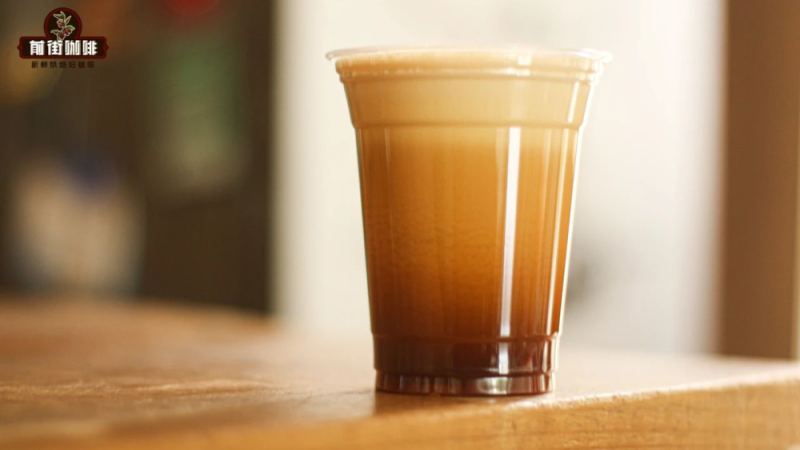
1. Appearance: Iced Americano has a lighter color, while hot Americano is almost transparent—you can even see the brown coffee at the bottom of the cup.
2. Taste: Iced Americano has a less intense coffee flavor, with a stronger roasted smoky note and mild acidity. Hot Americano releases tannic acid during roasting, which combines with caramel to produce a slightly bitter sweetness.
3. Mouthfeel: Iced Americano has a mellow, astringent mouthfeel, while hot Americano generally offers a rich range of flavors—bitter, sour, sweet, aromatic, and astringent.
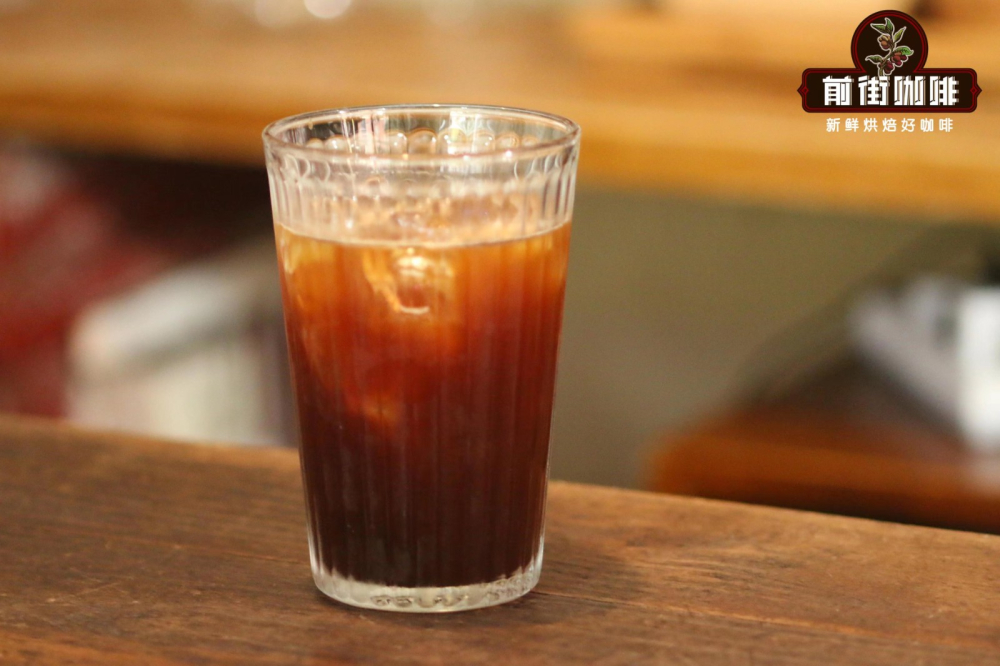
There is no difference in calories between the two. They are both made from espresso plus water—just one uses ice water and the other hot water. Espresso has very few calories, negligible really, so it doesn't matter how much hot or ice water is added. Water has no calories, so Americano has almost zero calories. Whether a food is hot or cold has nothing to do with its calories—just like eating ice cream versus melted heated ice cream liquid: different temperatures, but both are high in calories.
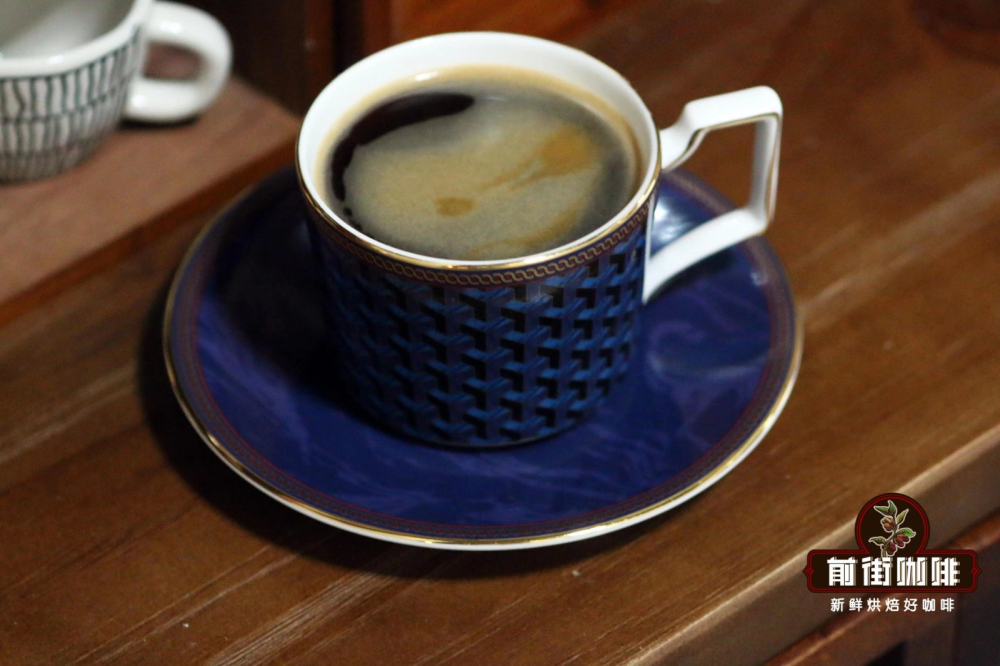
FrontStreet Coffee's method for making Americano
The method for making Americano is actually very simple, divided into two main steps: the first is extracting espresso, and the second is adding the coffee liquid to water.
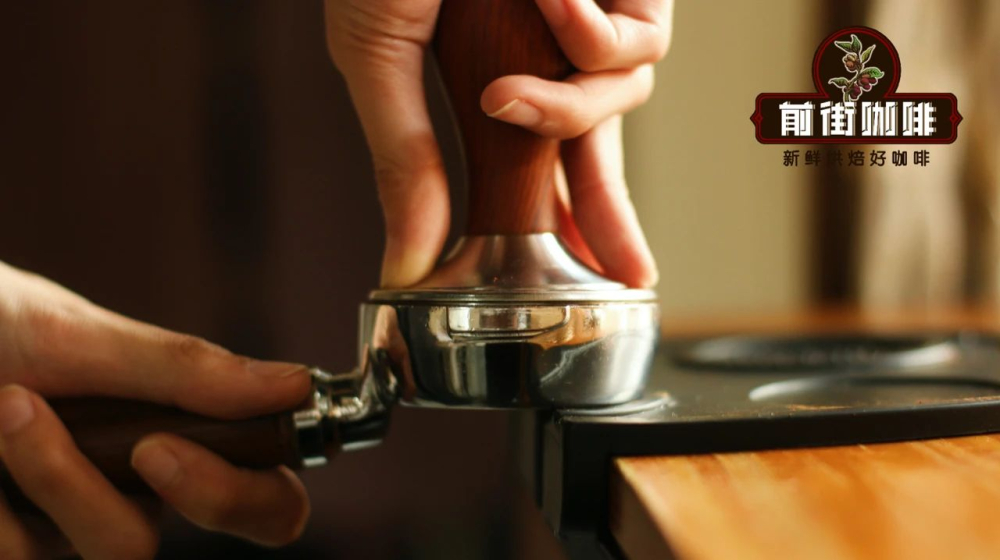
Although making Americano is simple, it also greatly tests a barista's extraction skills. A delicious cup of Americano depends on its most basic element—espresso. In other words, the first main step is everything for this cup of Americano.
Different beans used will result in different Americano flavors. So what Americano bean recommendations are there?

"Front Street Specialty Blend Coffee Beans" 75 yuan/454g: Colombian washed coffee beans + Brazilian semi-washed coffee beans, with flavor notes of nuts, dark chocolate, and caramel.
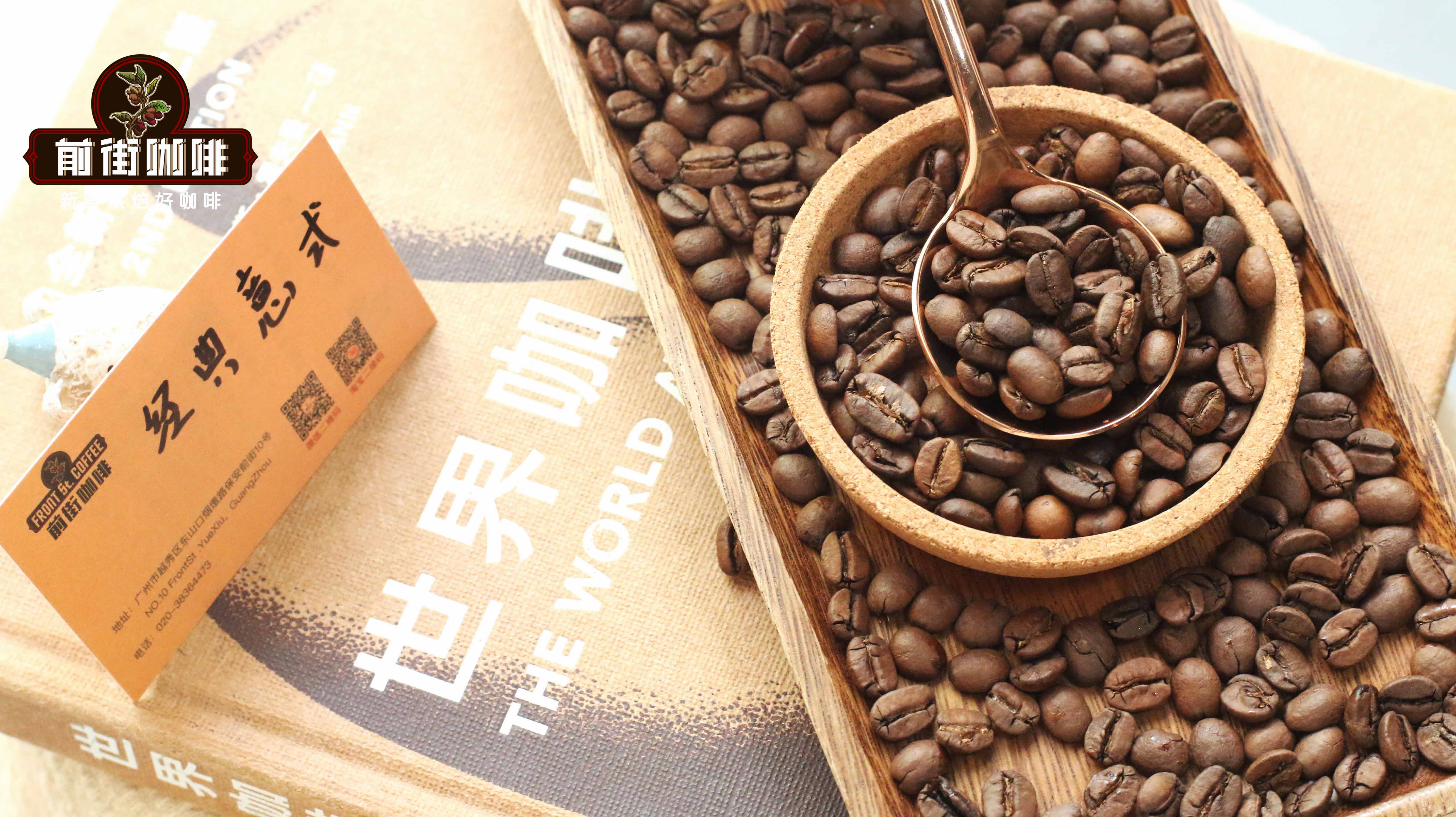
"Front Street Classic Blend Coffee Beans" 33 yuan/100g: Brazilian semi-washed coffee beans + Indonesian Mandheling coffee beans + Vietnamese coffee beans, with rich coffee crema and a full-bodied mouthfeel.
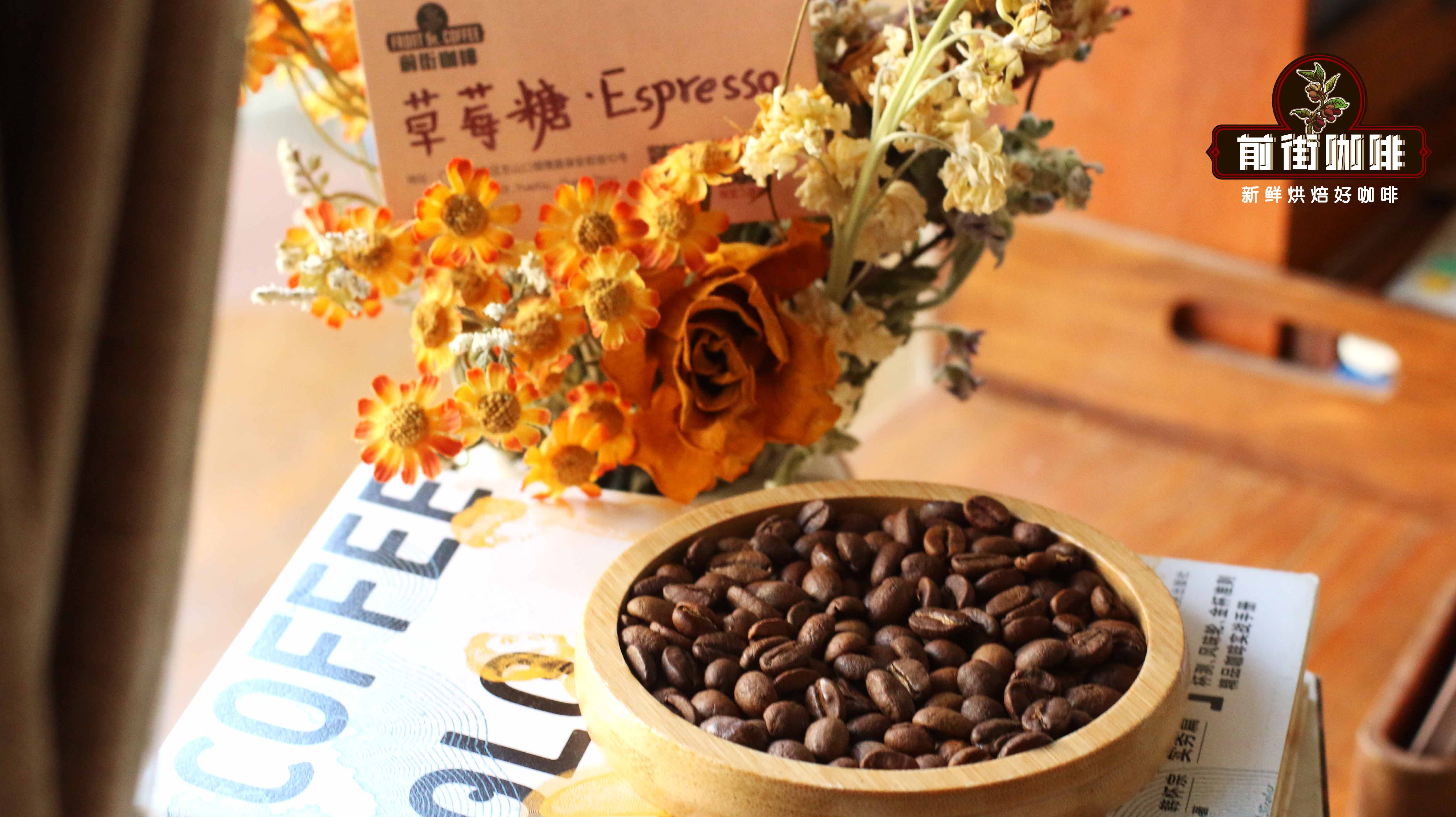
"Front Street Strawberry Candy Espresso" 43 yuan/100g: Costa Rican coffee beans + Panamanian coffee beans + Ethiopian coffee beans, with aromas of roses, strawberry candy, and glucose, prominent fruity sweet-tartness, and a pleasant taste.
The base-making part is closely related to factors such as the grind size of the coffee grounds, the dose, the machine's extraction pressure, water temperature, and the coffee-to-liquid ratio. If the grind is too coarse, it may lead to under-extraction and a sharp sour taste; if too fine, it may over-extract and become bitter and astringent.
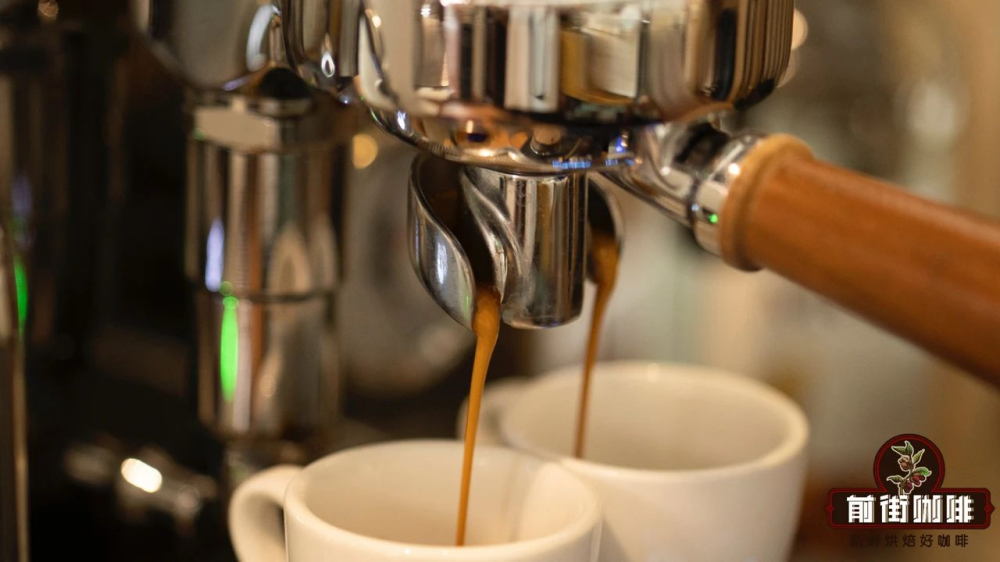
When Front Street extracts espresso, according to the portafilter basket capacity used in Front Street stores, it can hold 20 grams of coffee grounds. Front Street's espresso machine extraction pressure is around 9 bar, water temperature is 93°C, and the extraction yields 40 grams of coffee liquid.
Front Street uses the Pegasus E98 espresso machine. The extraction parameters are as follows:
Pressure: 9 bar ±2
Temperature: 90.5~96°C
Time: 20~30 sec
Coffee-to-water ratio: 1:1.7~1:2
Dose: 12g (single espresso) 20g (double espresso)
Extraction yield: 20ml (single) 40ml (double)
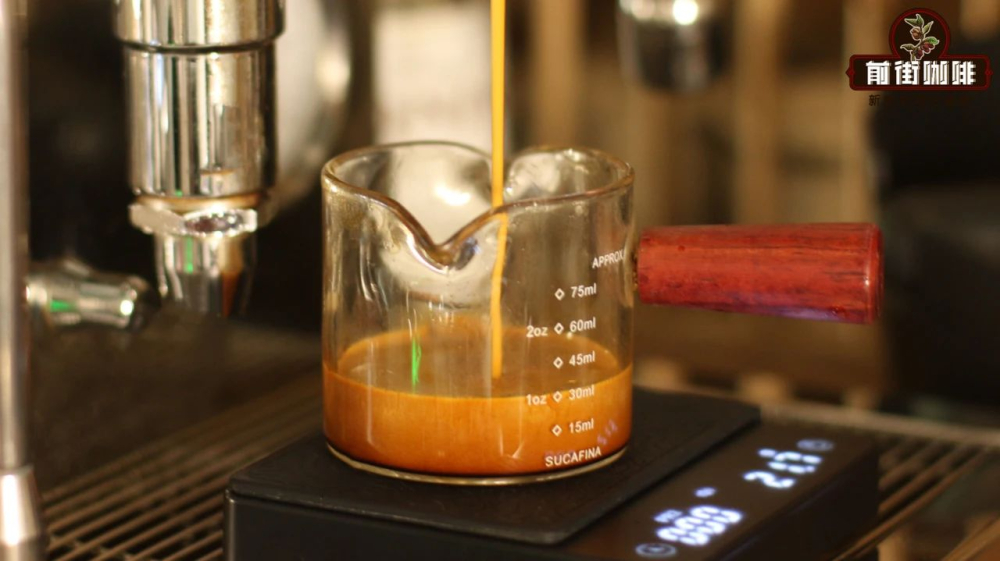
After making the espresso base, only the final step of adding water remains. But what is the Americano ratio?
Traditional Americano has an espresso-to-water ratio of 1:8, but this ratio isn't suitable for all coffee beans. FrontStreet Coffee once conducted comparison tests with 1:8 and 1:6 and found that when using this blend to make espresso and diluting it at a 1:8 ratio, the resulting Americano flavor was too light, the aftertaste too short, and the mouthfeel even too watery. At a 1:6 ratio, however, it highlighted the mouthfeel and characteristics of the Americano made with Front Street's Sunflower Warm Sun blend: vinous notes, cocoa aroma, and a dark chocolate aftertaste, along with a pleasant full-bodied feel.

Hot Americano has a very active whisky aroma, with不明显acidity, more hazelnut and caramel notes, and high body.
Room-temperature Americano has a less pronounced aroma than hot Americano, with soft acidity and a smooth mouthfeel. Because the espresso's crema hasn't been broken up, it offers more of a vanilla-cream smoothness and a nutty, caramel aftertaste.
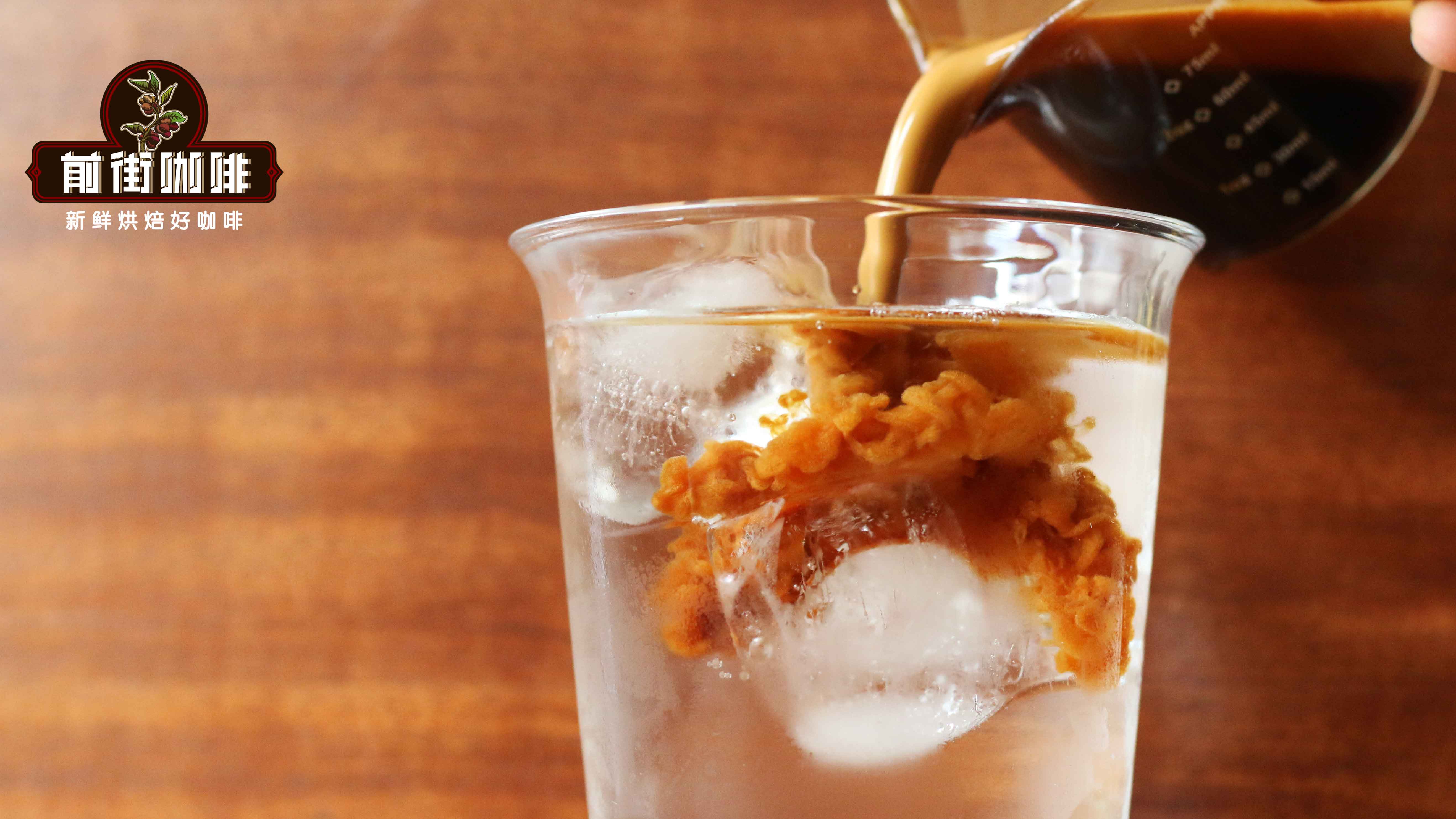
Iced Americano has the least aroma among the three, but the most prominent acidity. On the palate, it has whisky notes, berry-like sweet-tartness, and a hazelnut-chocolate aftertaste, with a refreshing, smooth mouthfeel.
Human senses perceive taste differently at different temperatures, so the advantage of hot coffee is that you can perceive the flavor changes from hot to cold. At low temperatures, the tongue is less sensitive to bitterness and sweetness, but more sensitive to acidity. Meanwhile, quinic acid in coffee degrades into quinic acid lactone, so coffee becomes more acidic after cooling. If you want to savor the aroma and aftertaste of coffee, Front Street recommends choosing hot Americano. If you want something refreshing, then iced Americano is a good choice.

Front Street brewing suggestions:
Whether coffee tastes good, or which brewing method tastes better, mainly depends on personal taste preferences—after all, everyone likes something different. Front Street has single-origin coffee beans from over fifty different regions, as well as blend beans. For example: Front Street Huakui is a floral-fruity coffee, Front Street Brazil Red Bourbon has peanut and nutty caramel flavors, and Front Street Panama Geisha has citrus notes—these can fully satisfy everyone's love and exploration of coffee.
The above content is compiled by CoffeeHunters, a coffee news website.


