







What Do Colombian and Brazilian Coffee Seeds Have in Common?
Colombian and Brazilian coffee seeds share a similar flavor profile: low acidity, a thick body, prominent nutty notes and caramel sweetness. That common ground is why both origins anchor medium-dark roasted espresso blends. Roasters deepen the roast to draw out these strengths, and the two countries remain the most representative sources of traditional South American coffee flavor.
The origins differ in growing environment, historical transmission paths and production scale, which is why comparative brewing experiments matter. Colombia and Brazil sit alongside Peru, Ecuador and Bolivia as South American sources, though the first two are the usual base for blends. In one Front Street specialty blend, Brazilian nuttiness is paired with Colombian cocoa to build a fuller espresso cup.
The two major coffee-producing countries in South America, Colombia and Brazil, not only share a flavor profile characterized by low acidity, rich body, and prominent nutty notes, but also each have their own distinctive features in terms of growing environment, historical origins, and production scale. On Front Street Coffee's bean list, beans from these two origins are often used in medium-dark roasted espresso blends to present caramel sweetness and a full-bodied mouthfeel. This article will systematically sort out the similarities and differences between Colombian and Brazilian coffee from multiple dimensions, including flavor commonalities, historical transmission paths, differences in growing conditions, and comparative brewing experiments, and analyze the blending logic of medium-dark roasted espresso beans, providing coffee enthusiasts with a clear guide to understanding these origins.
For more specialty coffee knowledge, please follow our WeChat official account: FrontStreet Coffee
On Front Street Coffee's bean list, coffee from Central and South America mainly comes from two countries: Colombia and Brazil. Of course, Peru, Ecuador, Bolivia, and other places also have many well-known producing regions. However, Front Street believes that if one were to choose the origins most representative of traditional South American coffee flavors, Brazil and Colombia are undoubtedly the most iconic choices. If you coffee fans would also like to explore beans from other South American producing regions, you can look forward to Front Street's continued updates!
When it comes to the similarities between Brazilian coffee beans and Colombian coffee, Front Street thinks it is appropriate to compare them from two dimensions: flavor and history. In terms of flavor, coffee from these two origins is often used domestically and internationally as a base bean for espresso blends. Even as single-origin coffee, traditional Brazilian and Colombian beans are mostly given a medium roast level. This is closely related to their flavor characteristics: relatively low acidity, strong richness, prominent nutty notes, a thick body, and caramel-like sweetness. Appropriately deepening the roast can better bring out the strengths of coffee from these two countries.
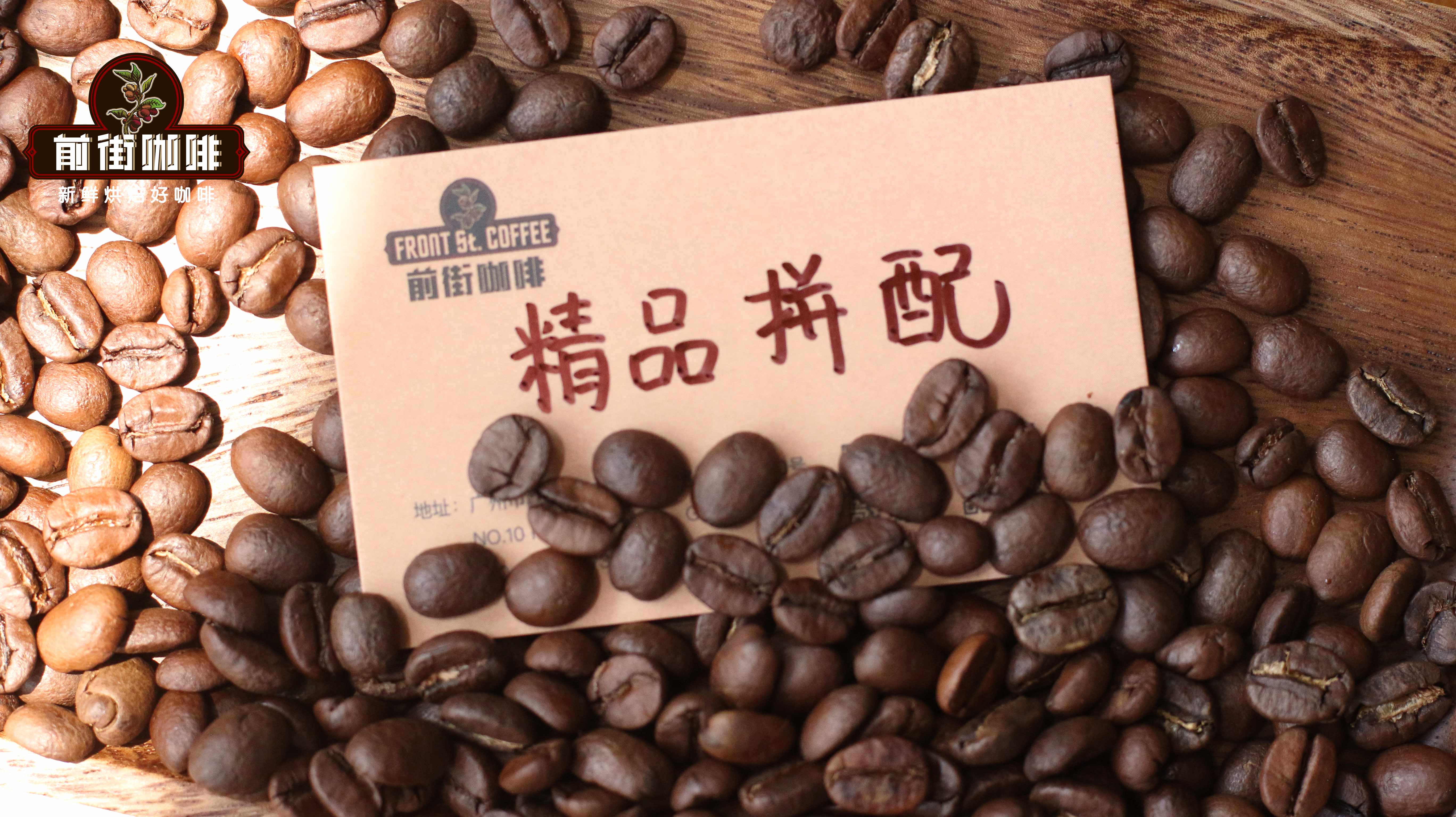
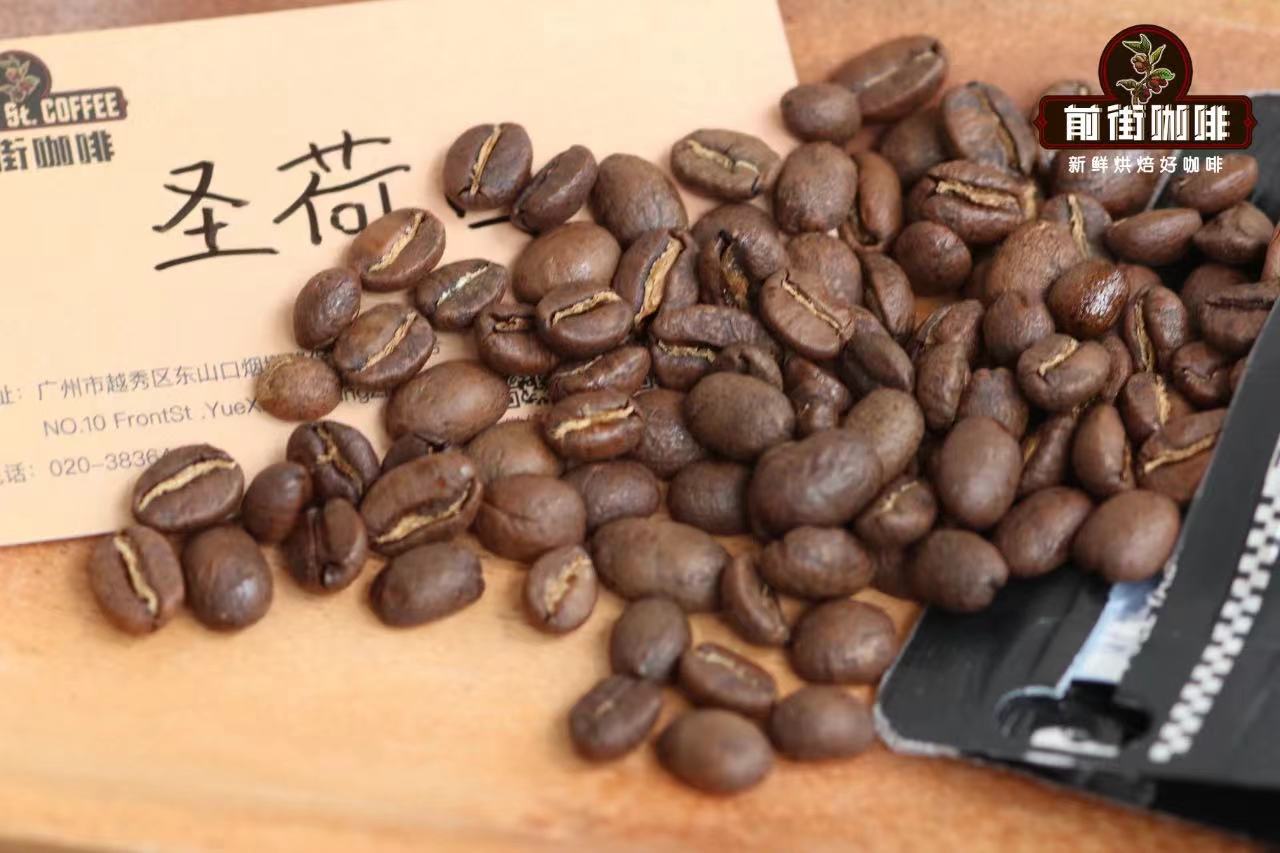
Front Street Coffee's Specialty Blend is made precisely with Brazilian beans paired with Colombian beans, using a medium-dark roast level. The overall taste is not too harsh, with rich nutty aromas, and it performs especially well when milk is added, becoming smooth and full-bodied. Of course, for single-origin coffee, most Colombian beans Front Street sources use a medium-light roast, because different coffees have different characteristics. For example, Colombia's San Jose is roasted medium-light in order to highlight the rum-barrel-fermented aroma while better displaying aromatic compounds, making this bean more distinctive.
From the perspective of coffee's origins, the cultivation development paths of Brazil and Colombia are basically the same. First, looking at the transmission route, coffee seeds were passed from France to Spain, then crossed the North Atlantic and respectively reached Brazil and Colombia. Brazil's coffee seeds entered through what was then a French colony—present-day French Guiana—and then continued to expand southward. According to The Craft of Specialty Coffee, the starting point of Brazil's coffee industry can be traced back to King Louis XV of France's love of drinking coffee. In order to expand the coffee industry, France specifically sent people overseas to cultivate coffee. The book records that in order to get coffee safely to the French colony, the patriotic officer de Clieu stole the coffee mother tree from the Royal Botanical Garden in Paris. To do so, he even used a "beauty trap," having a curvaceous beauty seduce the steward guarding the coffee tree at the time. Ultimately, the coffee tree arrived at the French island of Martinique in the Caribbean in 1723.
Of course, whether this story is historically accurate is something we cannot verify. Some scholars also believe that in 1727, Major Francisco de Melo Palheta was sent to resolve a land dispute between French Guiana and Dutch Guiana. His purpose in arriving at Cayenne was to smuggle those precious, heavily guarded coffee trees. He set his sights on the wife of the governor of Cayenne, Madame d'Orvilliers, and devised a plan. At the closing banquet before his departure, his charm paid off, and she handed him a bouquet containing seedlings that would become the ancestor of Brazilian coffee, thus beginning Brazil's coffee industry.
In fact, compared with Brazil, Colombia's coffee growing environment is even more superior. Colombia enjoys a uniquely advantaged natural environment, with beautiful mountains and waters, rich terrain, and numerous volcanoes. It is said that Colombian coffee arrived in Colombia in the early 1700s with Jesuit priests who came alongside Spanish settlers, and the first shipment landed in the country's northeast. Coffee was soon grown by small family farms across the country and became a local cash crop. The first commercial export of coffee did not appear until the first decade of the 1800s. The first 100 bags of humble green coffee (about 60 kg per bag) were the first shipment to turn it into a major industry.
In the mid-1800s, as coffee consumption grew rapidly in the United States, Germany, and France, Colombia's coffee production also grew rapidly.
In the late 1800s, with the outbreak of civil war in the country (known as the Thousand Days' War), the growing industry experienced a brief decline. The war, along with low international coffee prices, forced many plantation owners to divide farmland among workers, giving locals ownership and autonomy over their own farms. It was not until 1927 that Colombian coffee growers came together to create the National Federation of Coffee Growers (FNC), after which almost all Colombian coffee was exported through this organization. The organization is also considered one of the largest rural non-governmental organizations in the world.
So what are the differences between Brazilian and Colombian coffee beans? Front Street has summarized the following points: coffee growing environment, flavor, and production.
Since the 1840s, Brazil has been the largest participant in the international coffee trade. Today, the country produces 40 million to 60 million bags each year and is also the world's largest exporter of instant coffee. As the world's largest coffee-producing country, Brazil ranks first in total output, accounting for about one-third of global production, with major producing areas concentrated in the central and southern provinces. Brazil produces about 25% of the world's coffee supply.
In 2020, Brazil exported 36.8 million bags of green coffee, surpassing the previous year's record of 35.49 million bags. But this year, according to Brazil's coffee exporters' association Cecafe, due to the double blow of drought and frost in Brazil, the 2021 harvest is expected to be bleak. As Front Street mentioned at the beginning of the article, Colombian coffee is mainly exported by the National Federation of Coffee Growers of Colombia. Colombia's coffee export volume is significantly smaller than Brazil's. After Brazil and Vietnam, it ranks third in the world. Its output accounts for about 15% of world coffee production. However, thanks to excellent natural conditions, its arabica coffee output is the highest. But this year, Colombian coffee, like Brazilian coffee, has frequently suffered natural disasters. According to Front Street's understanding, on September 22, Colombia's National Unit for Disaster Risk Management reported that due to heavy rainfall, coffee production fell sharply.
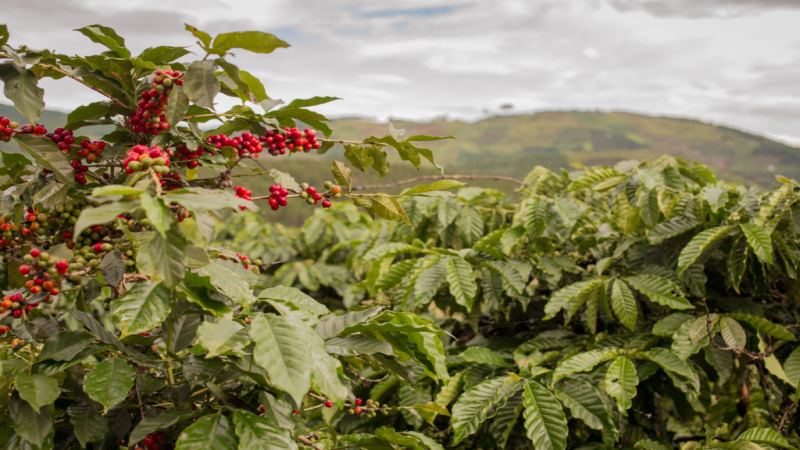
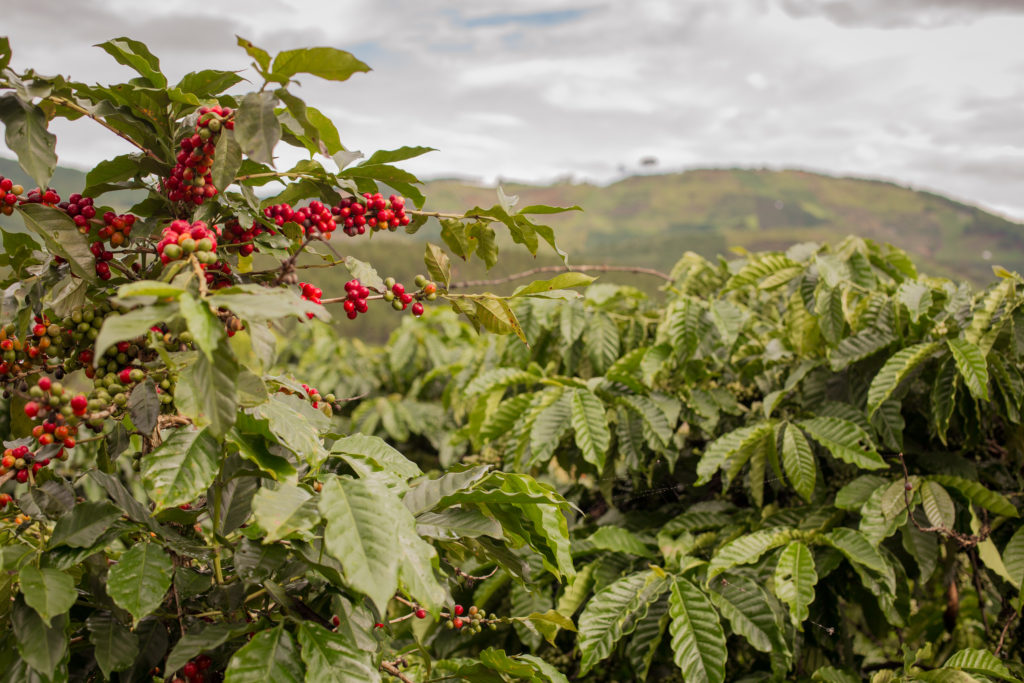
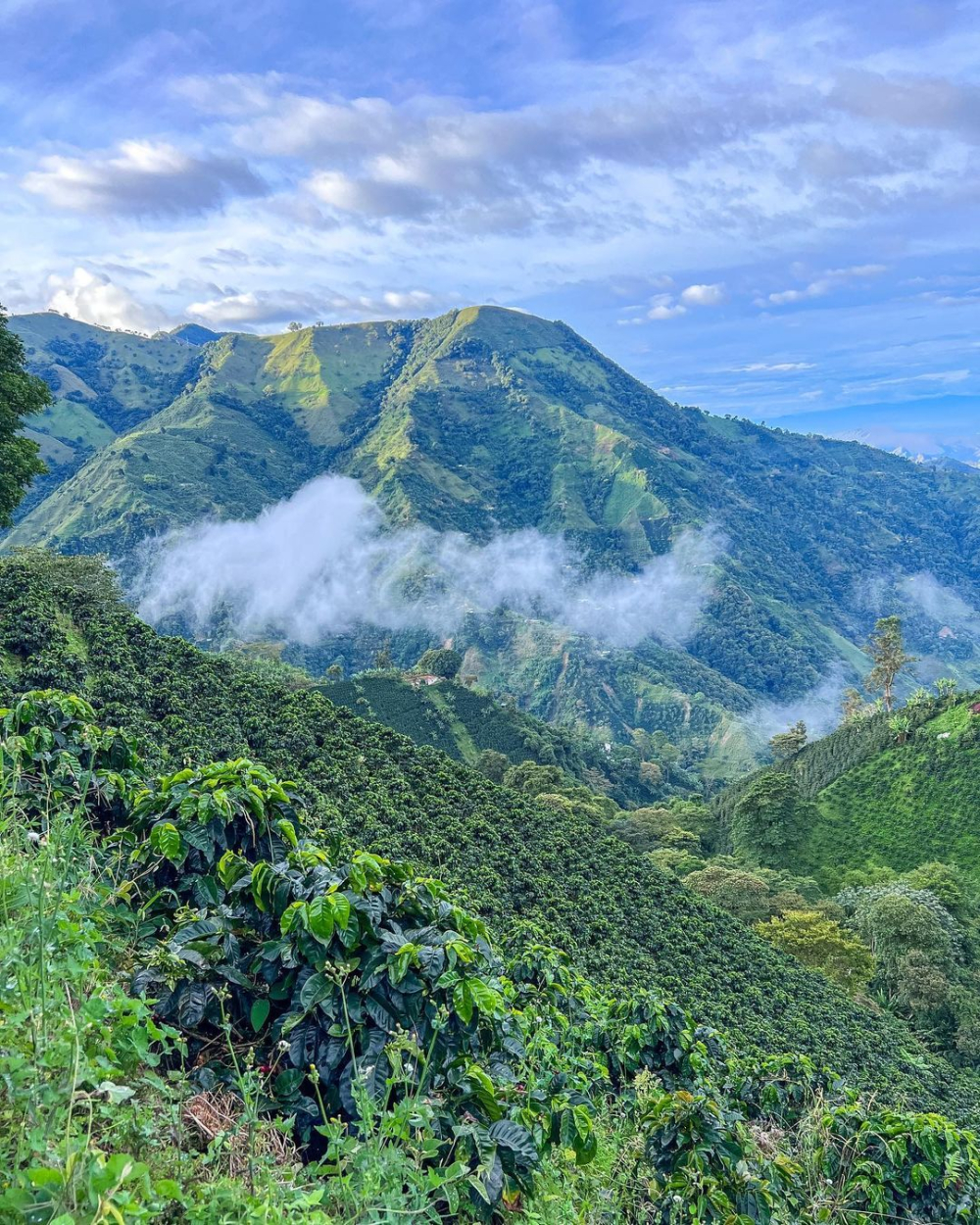
Now let's look at the growing environments of Brazilian and Colombian coffee. Colombian coffee has a very obvious coffee-growing axis, also known as the Coffee Triangle. From the map, it can be seen that the coffee-producing areas are surrounded by obvious mountainous plateau regions. This area has also been divided into specific zones by Colombia's Coffee Cultural Landscape (PCC). The region contains 47 municipalities and 411 villages, formed around the Andes Mountains in the central and western departments of Caldas, Quindío, Risaralda, and Valle del Cauca. The Sakura on Front Street's bean list comes from Colombia's Cauca Department, and its altitude of 2,050 meters destined this coffee to be of excellent quality. The double anaerobic washed processing method also makes the whole bean very clean, with prominent berry flavors and a mouthfeel like strawberry jam.
Colombia's main coffee-producing areas are distributed across three parallel Cordillera mountain ranges. These mountains run north-south, and coffee is grown along the highlands of these ranges. The unique microclimate, combined with high altitude and the essence of volcanic ash soil, makes these innate conditions very suitable for growing high-quality arabica coffee. At present, there are 24,000 small coffee plantations in this region. By comparison, Brazil's growing environment is not as advantageous. The Craft of Specialty Coffee describes Brazil's coffee-growing environment as monotonous in terrain, dry in climate, poor in soil, and low in altitude. Everything in coffee relies on soil quality, bean variety improvement, and the use of high technology.
But from Front Street's perspective, although Brazil's coffee-growing areas are relatively flat and most coffee farms are below 1,200 meters in altitude, this growing environment reduces the acidity of Brazilian coffee and makes it very suitable for blending with other types of coffee beans. It is generally regarded as an indispensable coffee bean in blending.
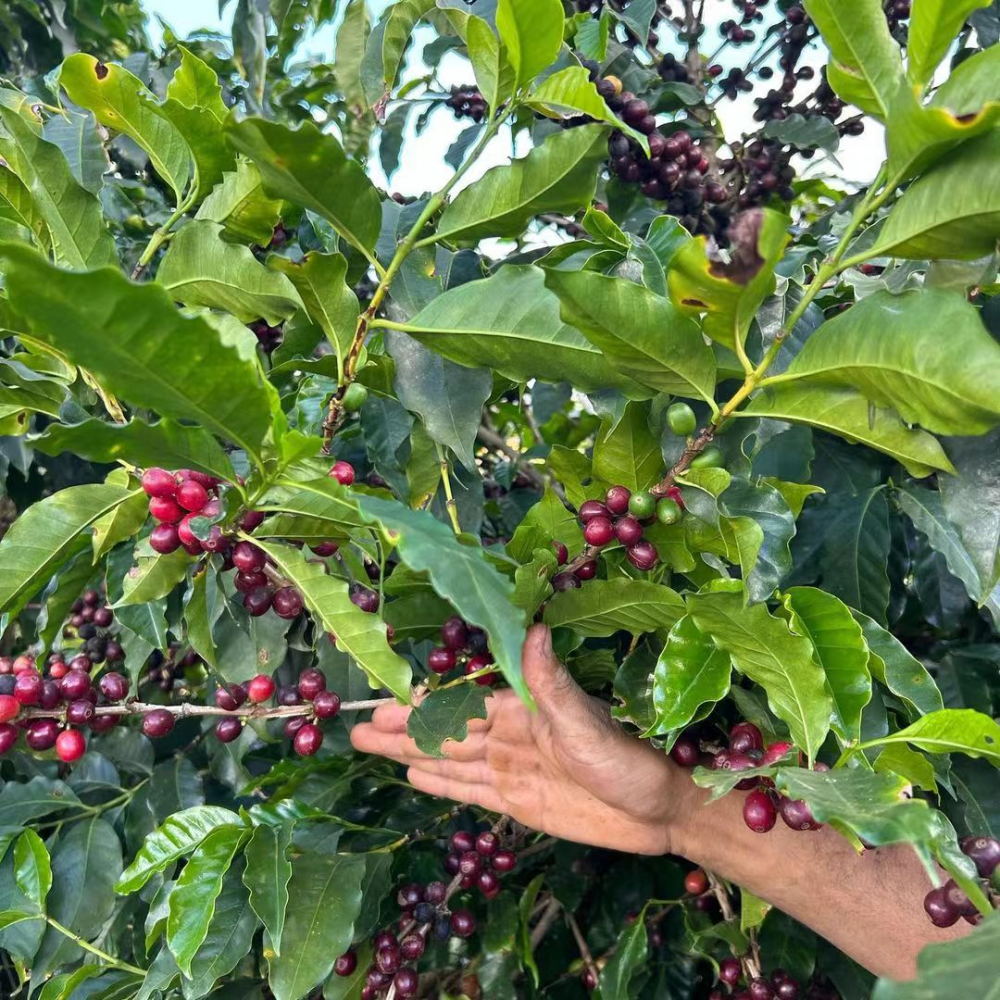
Brazilian coffee is mostly of the Bourbon variety. This is related to the history of coffee's introduction. Of course, Brazil also has Typica coffee beans. It is said that this is because the coffee beans stolen by de Clieu at the time were of the Typica variety, which was later widely planted in Brazil. Front Street's Brazilian coffees are mostly Bourbon varieties, namely: Queen Farm's Yellow Bourbon and Cerrado's Red Bourbon coffee.
Red Bourbon is the second coffee variety, after Typica, to flourish throughout Central and South America. According to Front Street's understanding, Bourbon is also derived from the old Typica variety. Its beans are round in shape. It was introduced to Brazil in 1927 and then spread to various countries in Central and South America. Although its yield is not considered high, compared with the frail Typica variety, Bourbon has better resistance to leaf rust. Bourbon coffee grown at high altitudes has a rich, delicate flavor, a strong aroma, and soft, smooth acidity. The Bourbon fruit we generally see changes from green to slightly yellow, orange-yellow, red, and finally fully ripe dark red, which is what we refer to as Red Bourbon.
Next, Front Street will brew Brazilian and Colombian coffee beans separately in a set of experiments to compare the differences in flavor and mouthfeel between the two. Taking Brazil's Queen Farm Yellow Bourbon and Colombia's Cauca Department Castillo as examples, under the same brewing parameters and technique, how much difference will these two produce?
Front Street brewing parameters:
Dripper: V60
Water temperature: 91°C
Water-to-coffee ratio: 1:15
Coffee dose: 15g
Grind size: fine granulated sugar (80% passing rate on China's No. 20 standard sieve)
Front Street brewing method: Use 30 grams of water for a 30-second bloom, then pour in a small stream in circles until 125 grams for a stage break. When the water level is about to expose the coffee bed, continue pouring until 225 grams and stop. When the water level is about to expose the coffee bed again, remove the dripper. (Timing starts at the beginning of the bloom.) The extraction time is 2'00".
Brazil flavor and mouthfeel description: obvious nutty flavor leaning toward peanut, high body, and a long dark chocolate finish. At lower temperatures, there will be a slight fruity acidity. Colombia flavor and mouthfeel description: Sakura has aromas of mugwort and other spices when dry, with prominent berry flavors and a slight fermented note.
Overall, Front Street's Brazilian Bourbon coffee has a slightly sweet flavor and mouthfeel, with excellent caramel notes, and shows slight acidity at lower temperatures. By comparison, Colombian coffee performs better. The coffee beans are of excellent quality, with a rich and unique aroma, acidity with sweetness, and a moderate bitterness. It is very suitable whether drunk alone or blended. After roasting, the coffee beans release a sweet aroma. After grinding, the brewed coffee is acidic with sweetness and bitter with sweetness. As long as brewed Colombian coffee is at an appropriate concentration, it can give off a rich and elegant aroma. Colombian coffee's mouthfeel and flavor are not as intense as Brazilian coffee, nor as acidic as African coffee. It has a kind of understated, delicate fragrance that other coffees do not possess.
Colombian beans and Brazilian beans are both among the best choices as base beans for blended coffee, but their flavor is somewhat mellower and sweeter than Brazilian beans, and their aroma is also richer. Besides being used for single-origin coffee, they are also often used in coffee blends to increase the sweetness of coffee and balance the bitterness of other coffees.
For example, one of Front Street's "Specialty Espresso Blend Coffee Beans" uses a formula of Colombian washed coffee beans (30%) + Brazilian semi-washed coffee beans (70%), allowing the espresso to present dark chocolate flavor, caramel sweetness, and a full roasted aroma.
The above content is compiled by CoffeeHunters, a coffee news website.


