







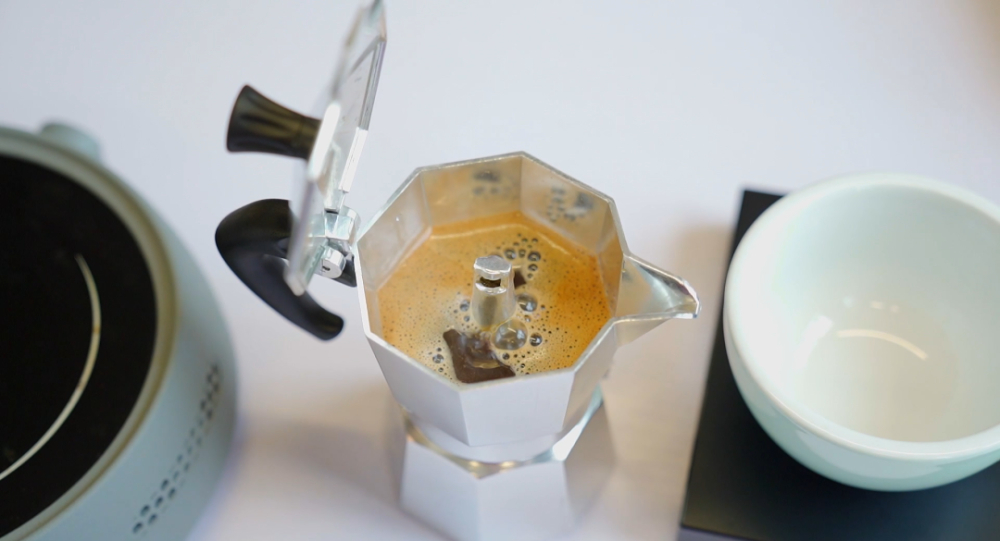
For Moka pot enthusiasts, the terms "dual-valve" and "single-valve" are certainly familiar. However, for beginners wanting to usea Moka potto brew delicious coffee, it's still necessary to learn a bit first.
Moka PotSingle Valve vs Dual Valve: Which Is Better?
Nowadays on shopping platforms, there are countless options when buying a Moka pot, but if you look carefully, they can be classified by structure into: single-valve Moka pots and dual-valve Moka pots.
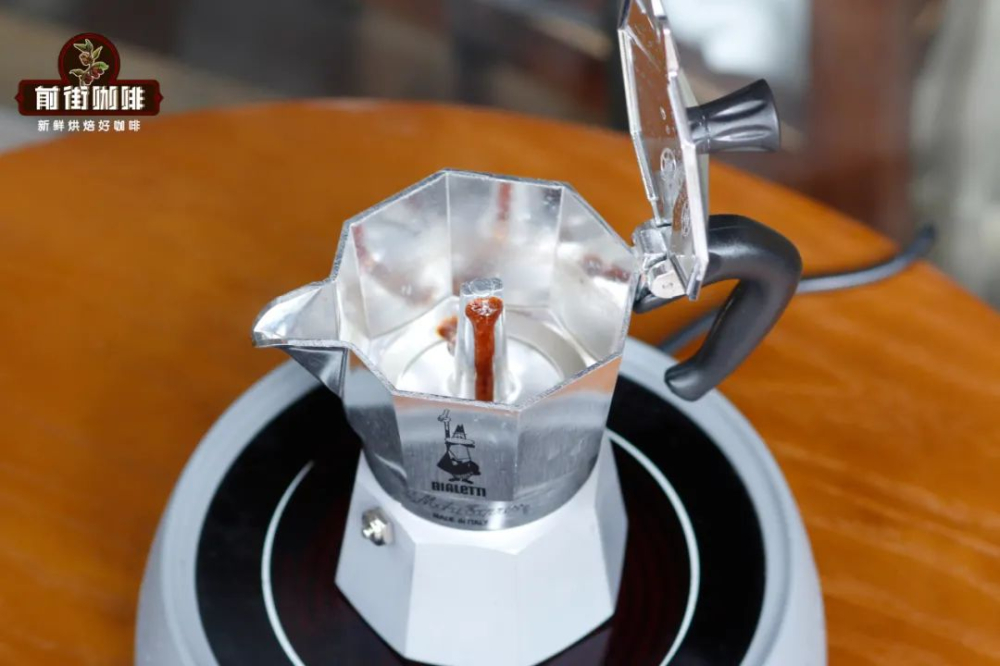
Structurally speaking,the single-valve Moka pot'supper chamber outlet is hollow, and the pressure during heated extraction is 1 Bar. The brewed coffee is generally dark, thick, and dense, with a thin layer of crema. The dual-valve Moka pot, on the other hand, has been upgraded with a pressure valve installed at the original outlet. During extraction, the pressure can reach 2-3 Bar. This increased pressure makes the coffee body thicker and the crema richer and finer. If you prefer a taste closer to the intensity of espresso, Front Street recommends choosing a dual-valve Moka pot.
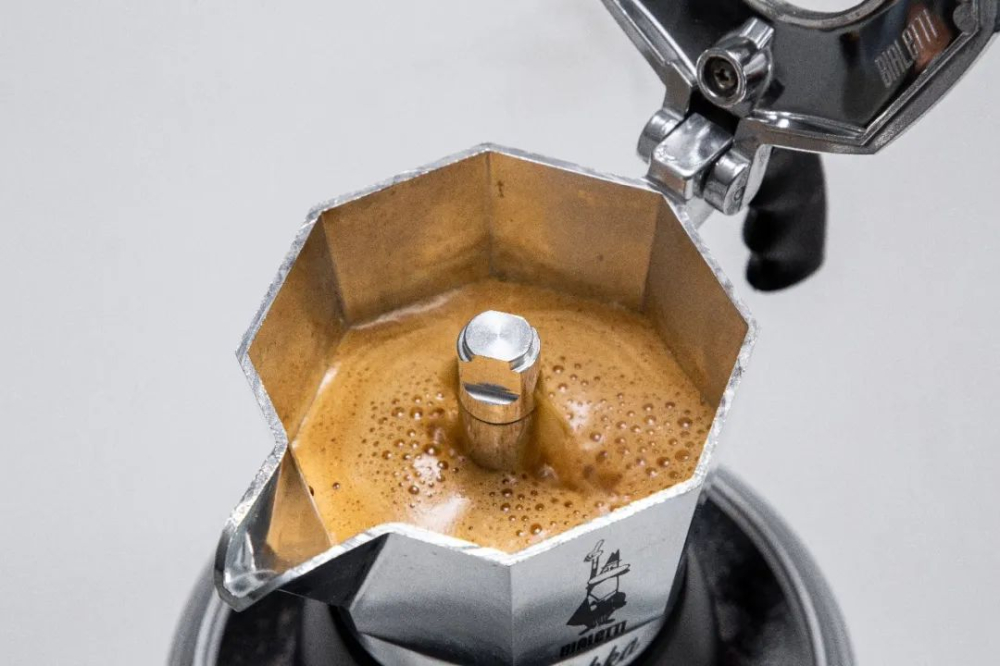
Moka PotPros and Cons of Brewing Coffee
The biggest advantage of the Moka pot is its portability and simple operation—no cumbersome steps like with espresso machines—and of course, the price is very affordable. But the Moka pot also has obvious drawbacks. While espresso machines typically extract at 90-94°C, the Moka pot brings water to its boiling point of 100°C. This excessive temperature extracts bitter macromolecular compounds, making the coffee taste easily burnt, bitter, heavy, and hard to swallow.
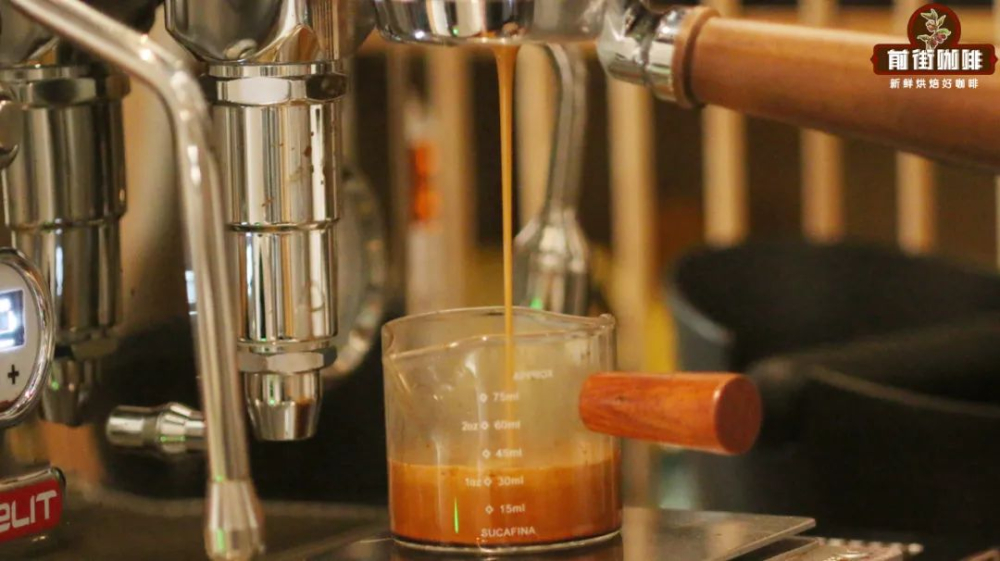
It's worth noting here that although the coffee from a Moka pot is relatively strong, it still differs somewhat from the espresso we commonly know. What we now call espresso is extracted at over 9 atmospheres of pressure, resulting in a rich, velvety, fine, and full-bodied coffee. The Moka pot, however, reaches a maximum pressure of only 2 atmospheres—far below the pressure used by commercial espresso machines. The resulting coffee is relatively thin, and its flavor and mouthfeel are not as rich and full as espresso. But if we just want to quickly enjoy a cup of rich, full-bodied coffee at home, Front Street believes the Moka pot is also a very good choice.
Can Fine Coffee Grounds Be Used ina Moka Pot?
As mentioned earlier by Front Street, the Moka pot uses pressure extraction, so the grind size is generally much finer than pour-over, but slightly coarser than espresso. If the coffee is ground too coarse, water and coffee grounds won't make uniform contact, leading to insufficient extraction and poor flavor. It may also offer too little resistance, causing liquid to spurt out and potentially causing scalding splashes. If ground too fine, it increases resistance to the liquid flowing upward, preventing the coffee from being released. As pressure builds in the lower chamber without timely release, there is a risk of explosion.
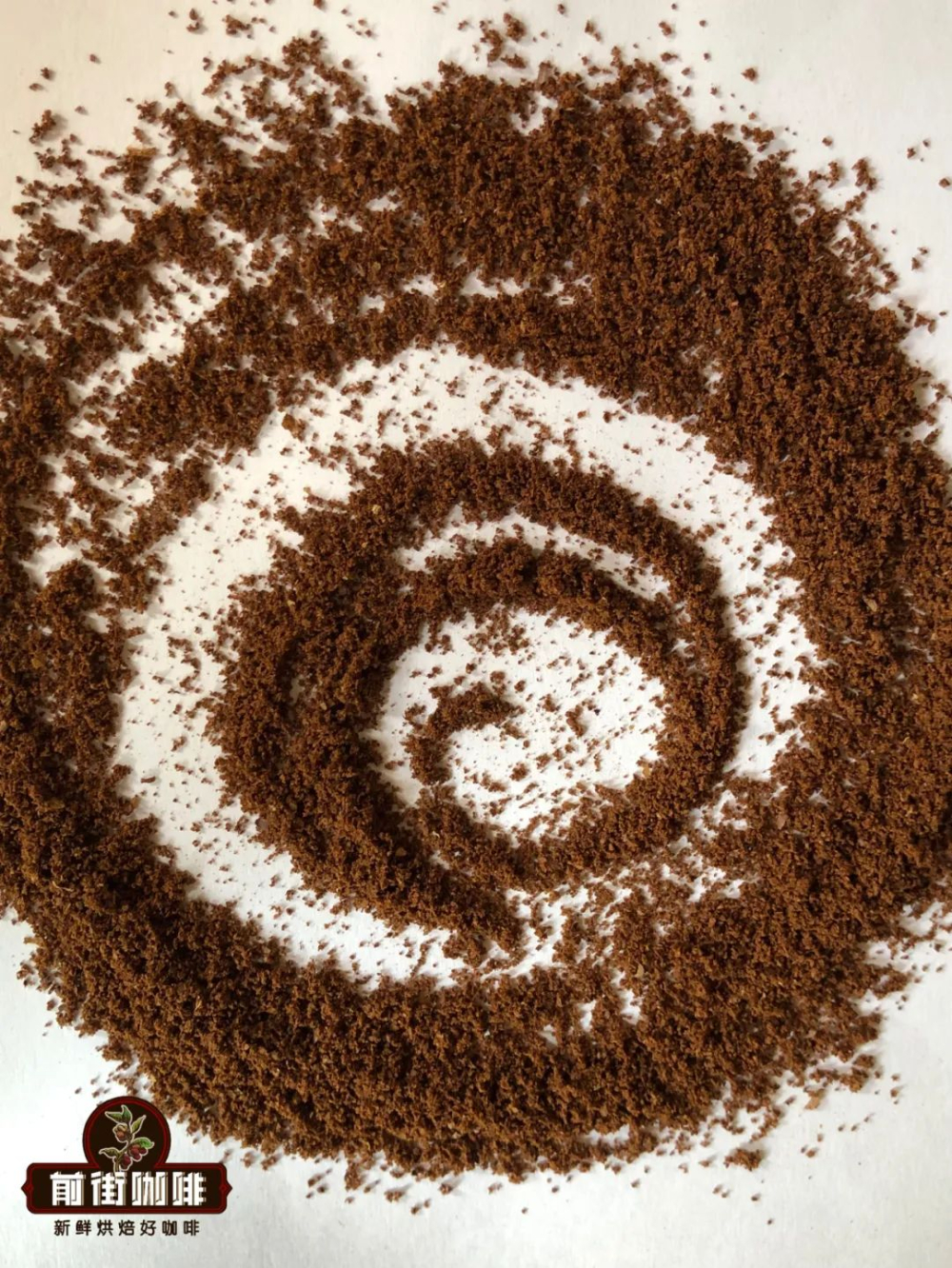
Front Street recommends a grind size of EK-43s #3-3.5. If it's difficult to judge whether the grind size is appropriate, you can observe the gap size of the Moka pot's filter basket and make sure the coffee particles won't pass through the gaps. You can also refer to the grind size used here at Front Street.
What Coffee Beans Are Suitable for a Moka Pot?
Because of the Moka pot's high water-to-coffee ratio and relatively short brewing time, it's more suitable for brewing medium-dark roasted coffee than light roasts. Since the Moka pot uses pressure extraction, if light-roasted coffee is used, the harder bean texture usually requires a finer grind to increase extraction. However, fine grinding under high temperature and pressure can easily make the coffee sour and harsh, and it's also harder to extract the aromatic oils.
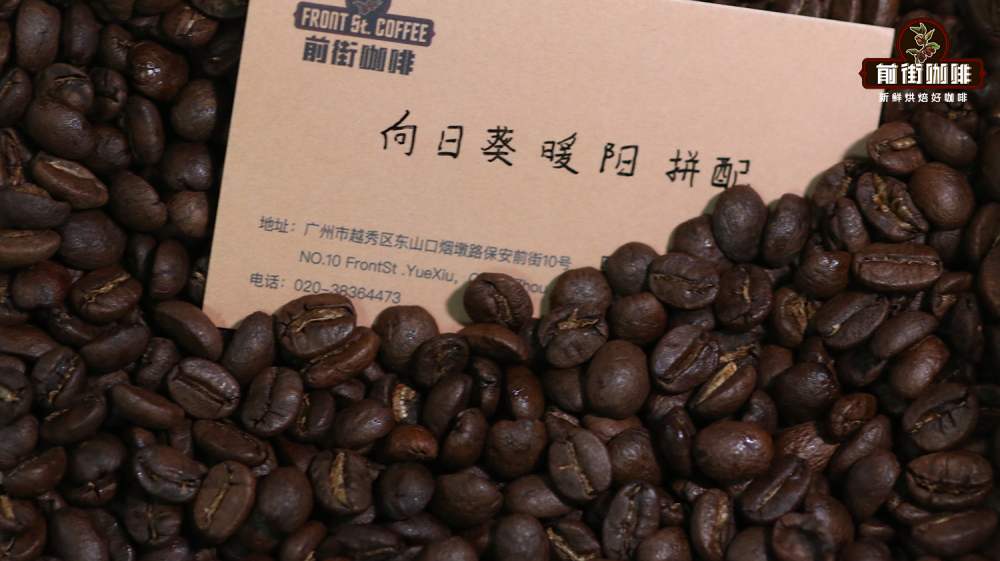
Therefore, Front Street recommends using a darker-roasted Front Street espresso blend as the raw material. This not only makes it easier to get a rich, aromatic coffee with crema, but also gives us more stable extraction of coffee flavors. On Front Street's bean list, there are four Front Street espresso blends suitable for Moka pot brewing. You can choose the one that suits your taste to make Moka pot coffee. Front Street hopes every customer who orders gets to enjoy the coffee's aroma at its peak freshness, so we ensure only beans roasted within 5 days are shipped.
Detailed Moka Pot Operation Tutorial
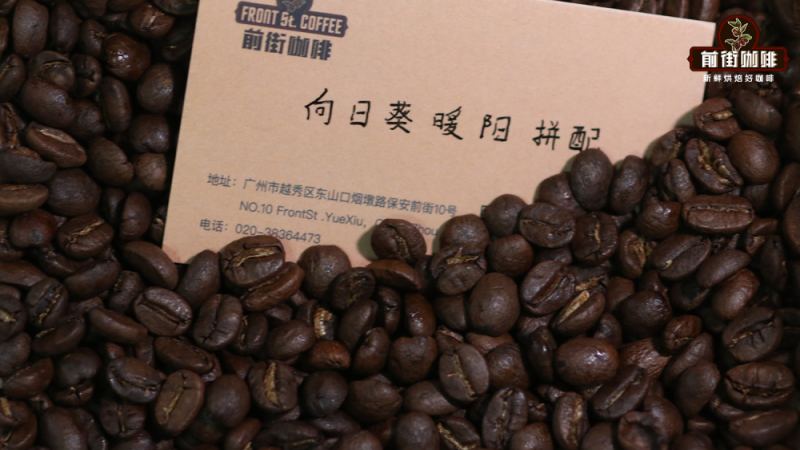
Before brewing coffee, we need to prepare fresh coffee beans, water, a grinder, a gas stove (or induction cooker) for heating, and our protagonist—the Moka pot. For coffee beans, Front Street uses Front Street's own roasted "Front Street Sunflower Warm Sun Blend," made from a 7:3 blend of Front Street Honduras Sherry and Front Street Sun-Dried Yirgacheffe Red Cherry.
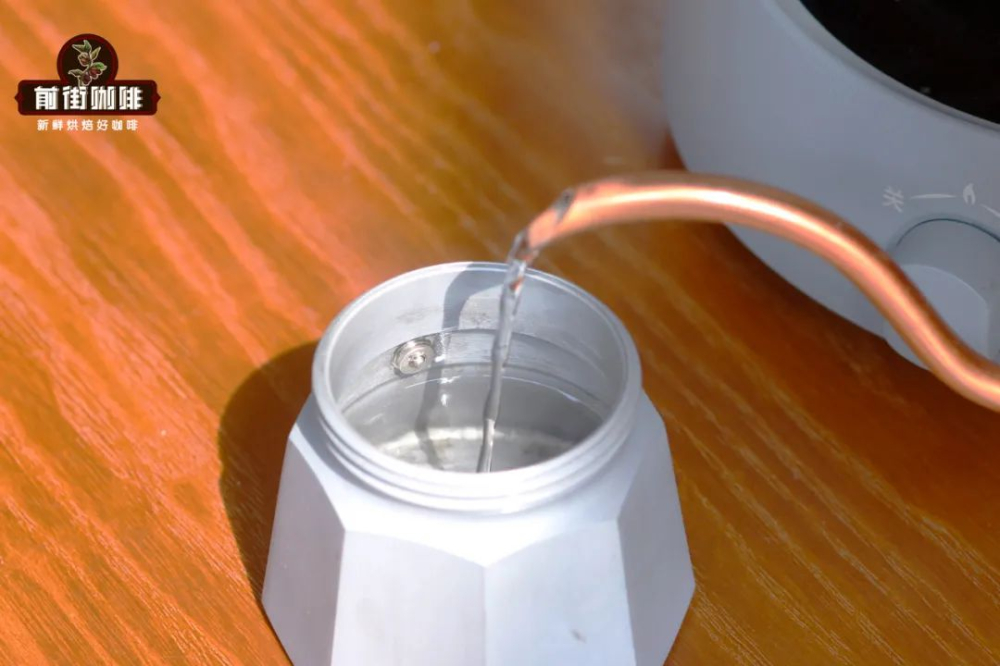
First, remove the base of the Moka pot and add pure warm water to the lower chamber. This can shorten brewing time and prevent the coffee grounds from heating too quickly, which can easily lead to a burnt, bitter flavor. Control the water level to about 0.5 cm below the pressure relief valve line. The safety valve prevents the Moka pot from exploding due to a blocked extraction channel caused by overly fine coffee grounds. If the safety valve is submerged in water and the extraction channel is also blocked, the consequences of a high-temperature Moka pot explosion are unimaginable.
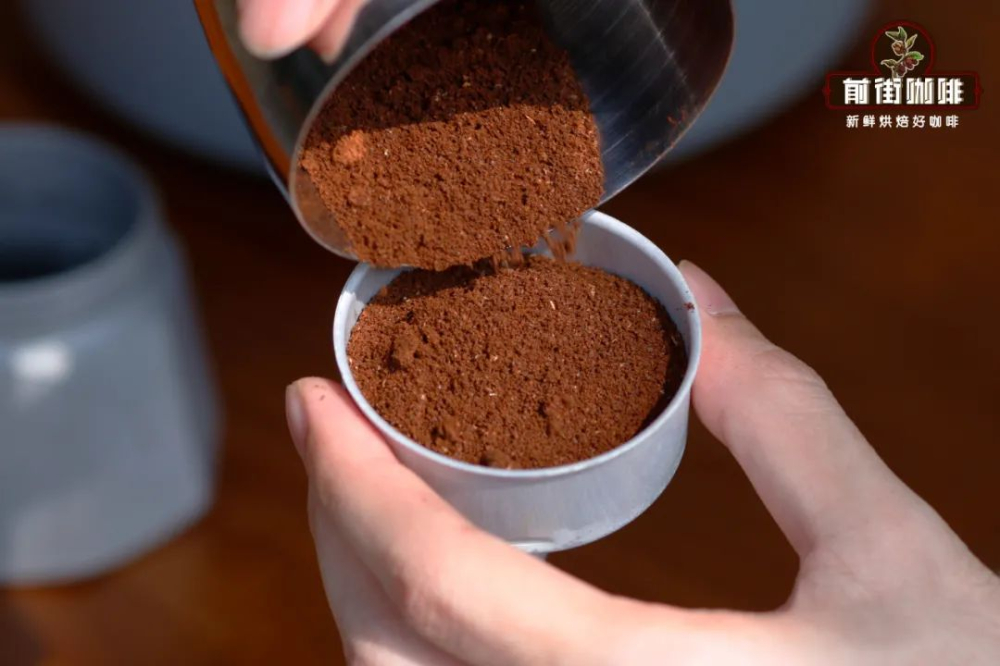
To extract a rich black coffee, the grind size needs to be much finer than regular pour-over. Front Street stores use an EK-43s grinder at EK-43s #3-3.5 setting. The amount of coffee depends on the size of the Moka pot. Here at Front Street, we use a 3-cup Bialetti classic pot with 18g of coffee. Pour the ground coffee into the filter basket, fill it to about 90% full, level it with your finger, and place it into the base. No need to tamp firmly—an overly compacted layer can easily block water flow upward and affect extraction.
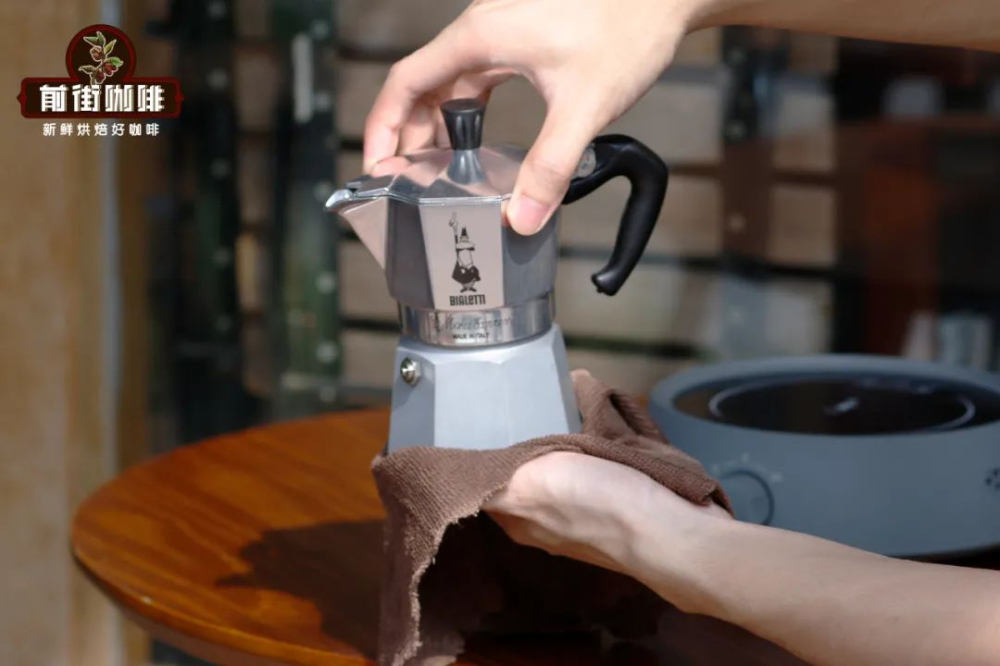
Next, screw the upper chamber tightly onto the lower chamber, wipe the pot dry with a towel, and place it on a gas stove or induction cooker to heat. When using an open flame, be careful to keep the flame from exceeding the base of the Moka pot.
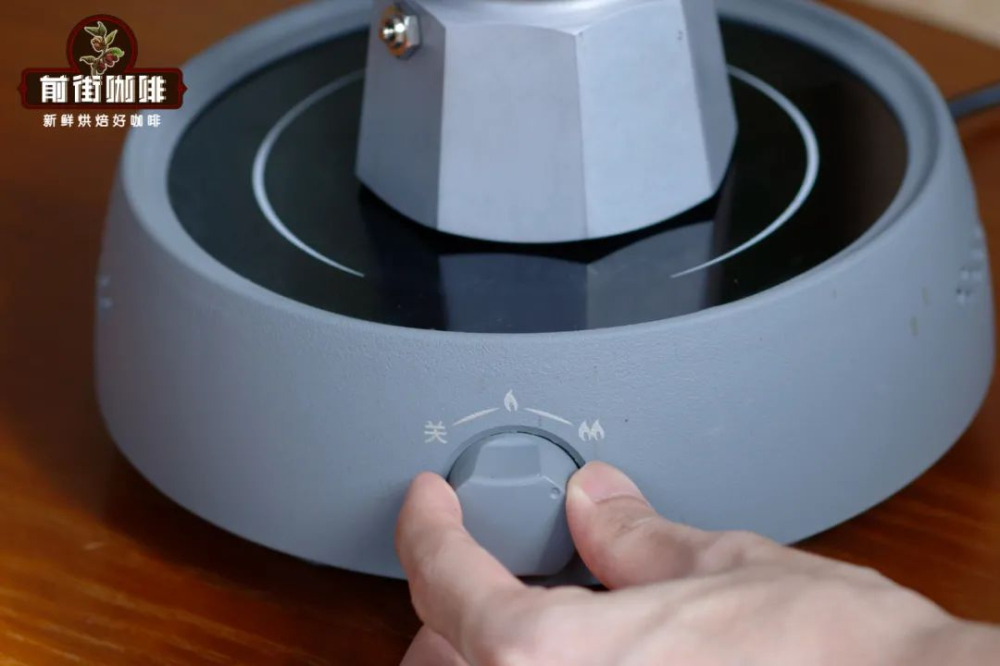
Just wait for the Moka pot to heat up. When you hear a hissing sound, turn down to low heat, and the coffee and crema will slowly flow out. When you see the coffee in the upper chamber reach half full, you can turn off the heat source and move the pot to the table, using the residual heat and pressure inside to continue extracting the remaining coffee.
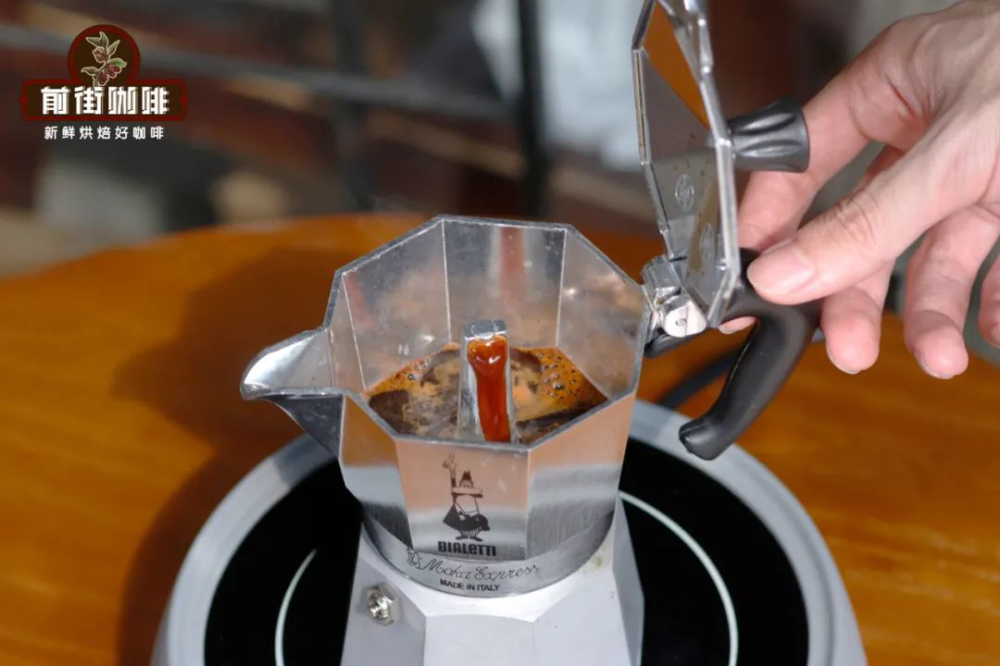
Pour the extracted coffee into a cup and enjoy it directly. On the palate, there's a rich whiskey aroma, vanilla, creamy, and berry-like sweet-tartness, with roasted nut notes. Adding a certain ratio of hot water brings out fresh fruity sweet-tartness, and pairing with milk gives it a chocolatey sweetness.
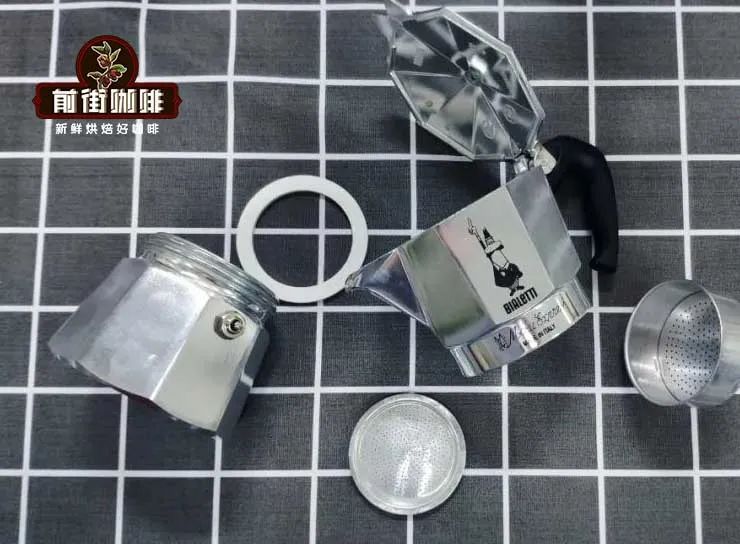
Finally, regarding the storage and maintenance of the equipment, Front Street cleans the Moka pot promptly after each use to avoid leaving coffee residue stains, which can easily cause flavor transfer and burnt bitterness. If old coffee stains remain on the filter screen, gasket, or extraction channel, they may cause blockages and affect normal extraction.
Professional coffee knowledge exchange. For more coffee bean information, please follow Coffee Workshop (WeChat official account: cafe_style)
For more specialty coffee beans, please add private WeChat Front Street Coffee (FrontStreet Coffee), WeChat ID: qjcoffeex
The above content is compiled by CoffeeHunters, a coffee news website.


