







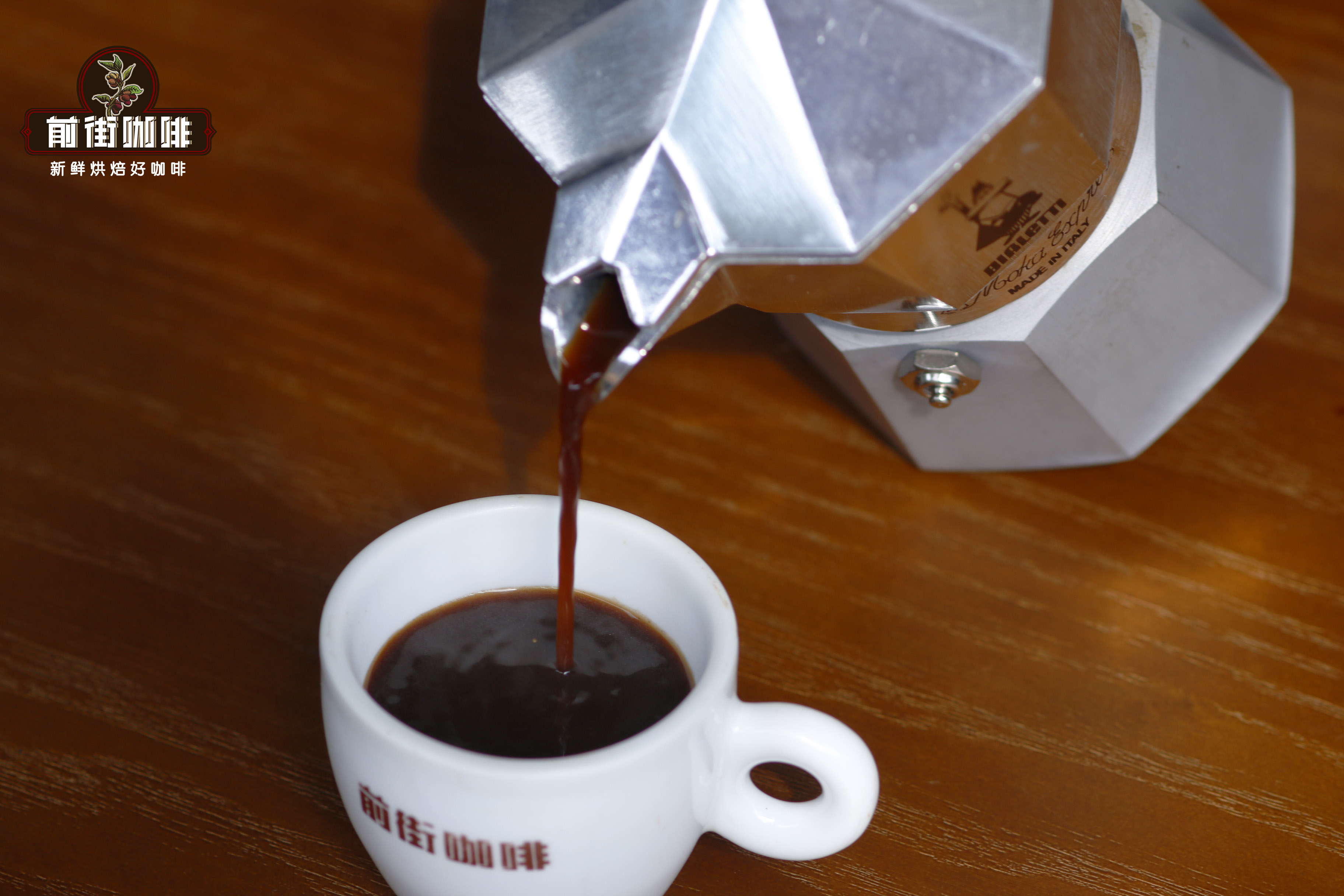
The Moka Pot, also known as the Moka Pot, is a brewing device frequently used by Italian households to extract espresso. Placing the Moka Pot directly on the stove and heating it, using steam pressure for extraction, is commonly referred to as a direct-fire espresso pot. The Moka Pot attracts many people with its beautiful and delicate appearance, and it can brew coffee that is sufficiently rich. So what exactly makes the Moka Pot special? Today, Front Street Coffee will take you through this article to learn about it~
The Moka Pot was invented in 1933 by the Italian Alfonso Bialetti. Its structure has never changed, but its appearance and materials have continuously evolved. The earliest traditional Moka Pots were made of aluminum, which was prone to scratches and could only be heated over an open flame, making it impossible to brew coffee on an induction cooktop. Not only that, aluminum easily reacts with the acids in coffee, producing unpleasant flavors. So later, Moka Pots gradually switched to stainless steel or even heat-resistant glass. In recent years, the exterior designs of Moka Pots have become increasingly diverse, making many people fall in love with them and unable to resist buying a few to keep at home—not only practical but also serving as decorations, killing two birds with one stone.
The Structure of the Moka Pot
Let's first look at the structure of the Moka Pot. It consists of three parts: the upper chamber, the filter basket, and the base. The lower chamber is the water reservoir, the filter basket holds the finely ground coffee, and the upper chamber collects the extracted coffee. The principle of coffee extraction with a Moka Pot is simple: it uses the steam pressure generated in the lower chamber. When the steam pressure becomes strong enough to penetrate the coffee grounds, it pushes hot water up to the upper chamber, brewing rich and aromatic coffee.
Although its pressure (1.5-2 bar) is negligible compared to an espresso machine (9 bar), it can still extract coffee oils and deliver a rich mouthfeel. Through the following images from Front Street Coffee, it can be seen at a glance, clearly presenting its internal structure and the principle of coffee extraction.

Moka Pots also come in single-valve and dual-valve versions. A dual-valve Moka Pot can produce more coffee oils than a single-valve one. Single-valve means the coffee liquid flows directly out through the two small holes at the top of the central tube in the Moka Pot. Dual-valve means adding a pressure-regulating valve on top of the central tube. This pressure-regulating valve normally blocks the small hole at the top of the central tube where coffee exits. It requires a certain steam pressure to push it upward and open, allowing the coffee liquid to spray out.
The coffee flavor brewed by single-valve and dual-valve Moka Pots is also different. Single-valve Moka Pots produce coffee with lower concentration and less crema, while dual-valve ones yield higher concentration and more crema.

The capacity of a Moka Pot is usually expressed in "cups" or "servings." Common specifications on the market include 1, 2, 3, 6, 9, 12, and 18 servings. One cup of coffee requires about 30-40 ml of espresso. For single or double servings, you can choose a 1-2 cup size, which is the smallest version. If you enjoy sharing with friends daily, a 3-serving size is suitable. For family use, where you brew three or more cups each time, you can opt for a larger multi-serving model, and the price will be correspondingly higher.
Pros and Cons of the Moka Pot
Extracting coffee with a Moka PotThe principle is simple: it uses the steam pressure generated in the lower chamber. When the steam pressure becomes strong enough to penetrate the coffee grounds, it pushes hot water up to the upper chamber. Coffee extracted with a Moka Pot has a strong taste, balancing acidity and bitterness, and contains oils. Therefore, the biggest advantage of the Moka Pot is its compactness and portability—a must-have for those who love exploring mountains and seas. It's durable and impact-resistant, and can brew decent coffee. It's easy to operate, and ordinary people can master the coffee-brewing technique. Moreover, it easily brews aromatic coffee with golden crema.
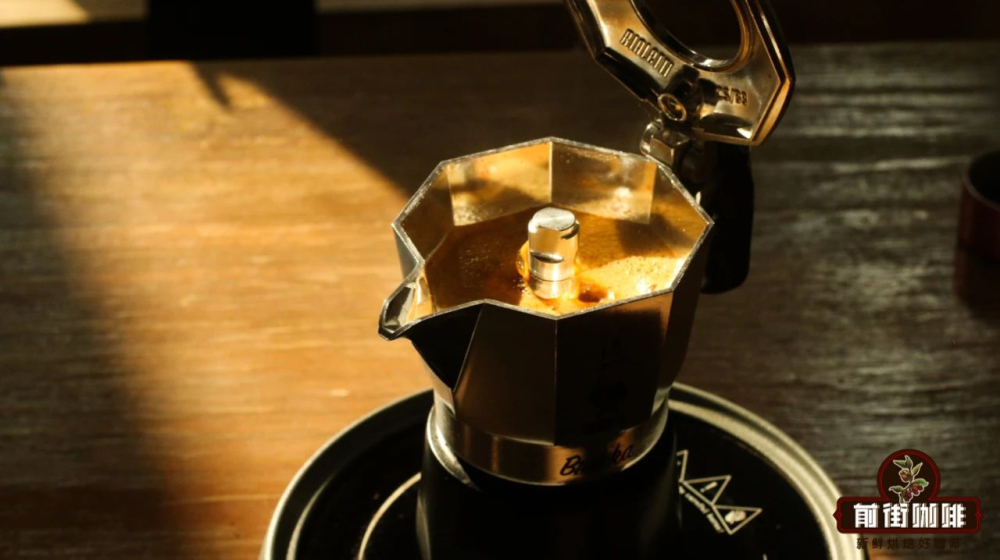
But its drawbacks are also very obvious: the flavor ceiling of coffee made with a Moka Pot is low. It's neither as clear and bright as pour-over coffee, nor as rich and delicate as espresso from an espresso machine. Therefore, Moka Pots are almost nowhere to be seen in specialty coffee shops. But as a home coffee device, it's a 100-point tool.
Although the Moka Pot doesn't use very high pressure to inject hot water into medium-fine ground coffee, strictly speaking, this cannot be considered espresso-style extraction—it's closer to drip brewing. However, coffee made with a Moka Pot still has the concentration and flavor of Italian Espresso.

Many Italians have small two-chamber Moka Pots at home. They are easy to operate and can produce aromatic, rich coffee. Most Moka Pots are hourglass-shaped, though you can find different styles, but the operating principle is the same. Heat water in the bottom chamber. Steam at nearly 2 atmospheres of pressure pushes hot water up through the filter, passes through the ground coffee, and becomes coffee liquid that remains in the upper chamber.
The Moka Pot forces pressurized steam directly through the coffee puck, passing through it to extract the inner essence of the coffee. Combined with the use of medium-dark roasted coffee beans, the brewed coffee has a strong aroma and intense bitterness. A thin layer of coffee oil appears on the surface of the coffee—this layer of oil is exactly what makes Italian coffee so enticing and delicious. Because it is concentrated coffee, people generally use small coffee cups when tasting it.

After all this, do you want to make a cup of Moka Pot coffee yourself? So how exactly do you operate it? And what roast level of beans is more suitable for Moka Pot brewing? The following operation from Front Street Coffee should provide the answer. Because coffee brewed with a Moka Pot is relatively thick, deeply roasted coffee better expresses that rich, mellow feel. This time, Front Street Coffee's Papua New Guinea Bird of Paradise was chosen. Specific information is as follows:
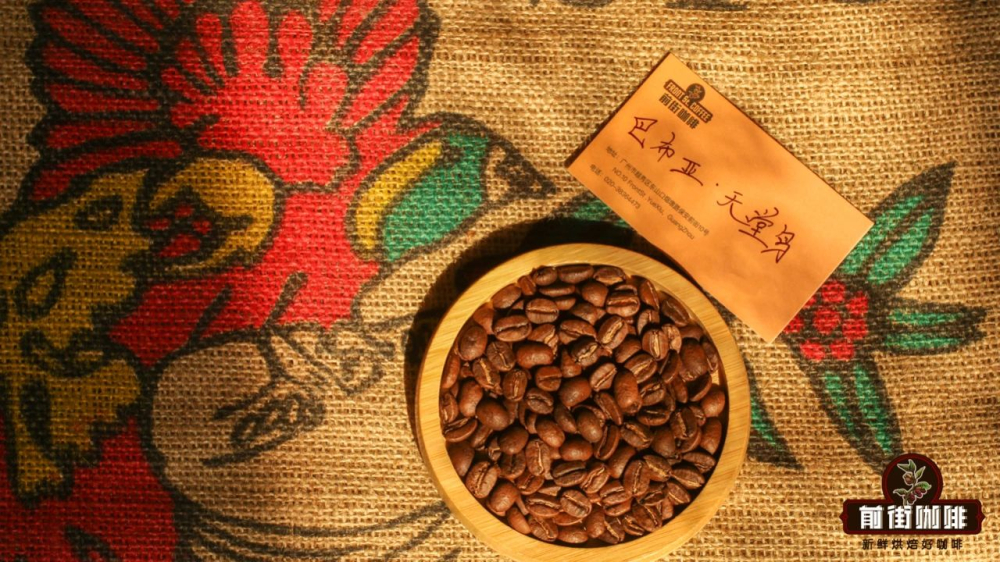
Front Street Coffee: Papua New Guinea Bird of Paradise Coffee Beans
Country of Origin: Papua New Guinea
Estate: Sigri Bird of Paradise Estate
Altitude: 1600-1800m
Processing Method: Washed
Variety: Typica
Grade: AA
Making Coffee with a Moka PotThe process:
1. Fill the bottom chamber with cold water up to the valve level. Cover with the filter.
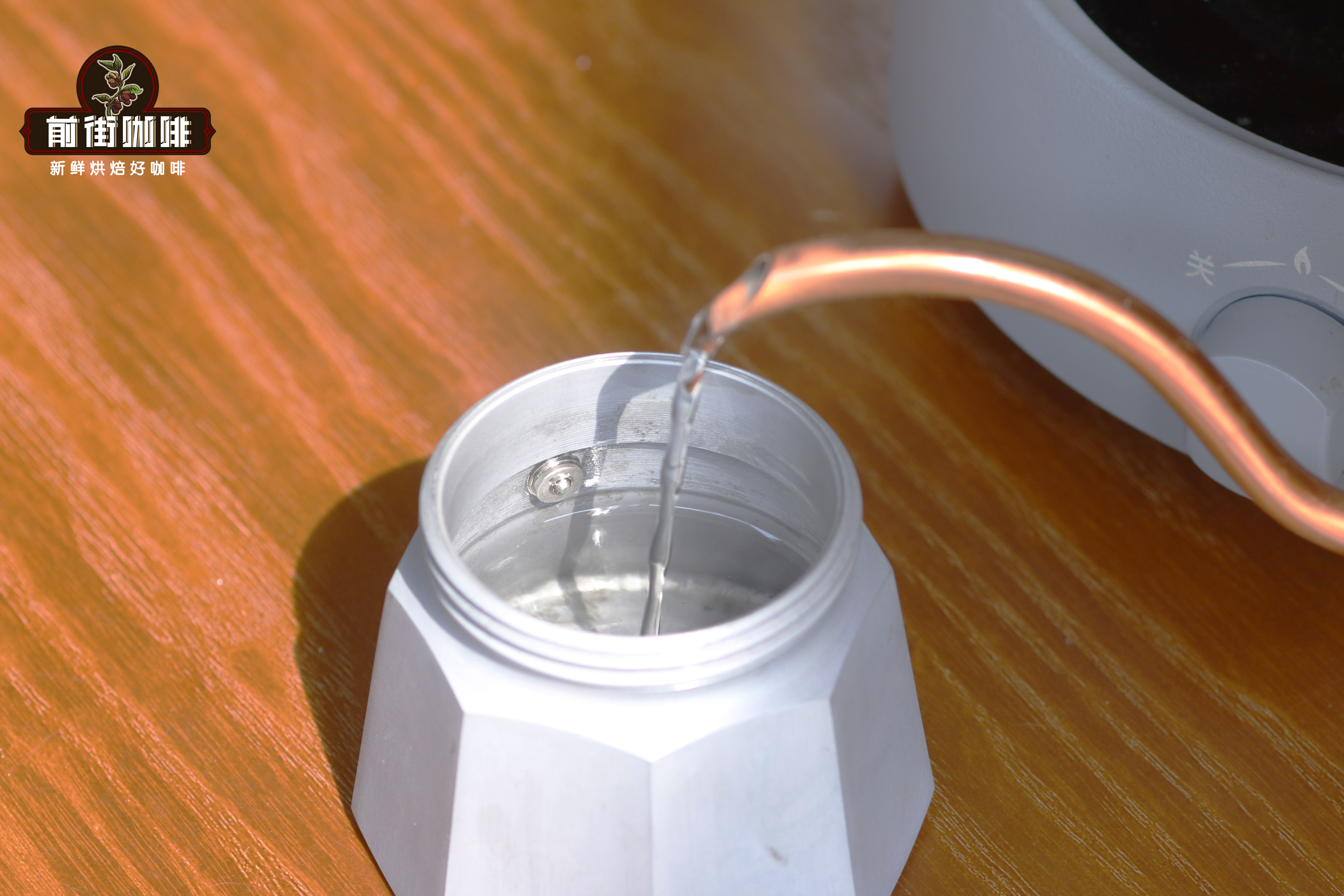
2. Choose a grind size for Moka Pot coffee that is slightly coarser than espresso. You can refer to the size of the gaps in the filter basket mesh to ensure coffee particles won't fall into the lower chamber. Cup your hand around the filter basket to form a ring, and fill coffee into the basket until it mounds up in the center like a small hill. After the coffee around the edges fills the gaps in the basket, directly place the upper chamber on and tighten. If you look carefully, the upper filter mesh is slightly concave upward, so there's no need to worry about it being too full. On the contrary, this method exactly ensures there are no gaps in the filter basket, reducing the chance of channeling.

3. Place the filter basket into the lower chamber, tighten the upper and lower parts of the Moka Pot, and place it on an electric ceramic stove over high heat. Make sure to use low heat;
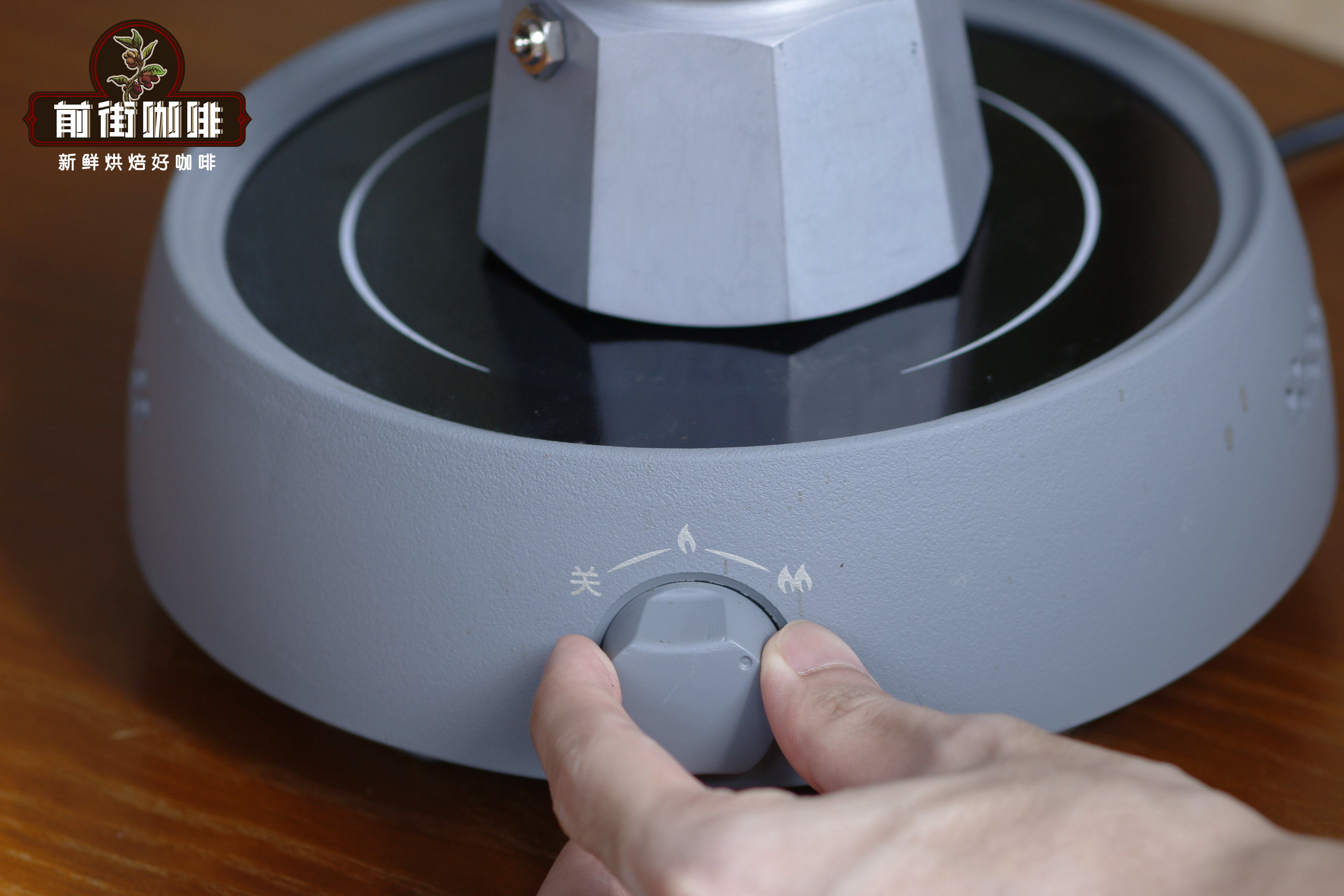
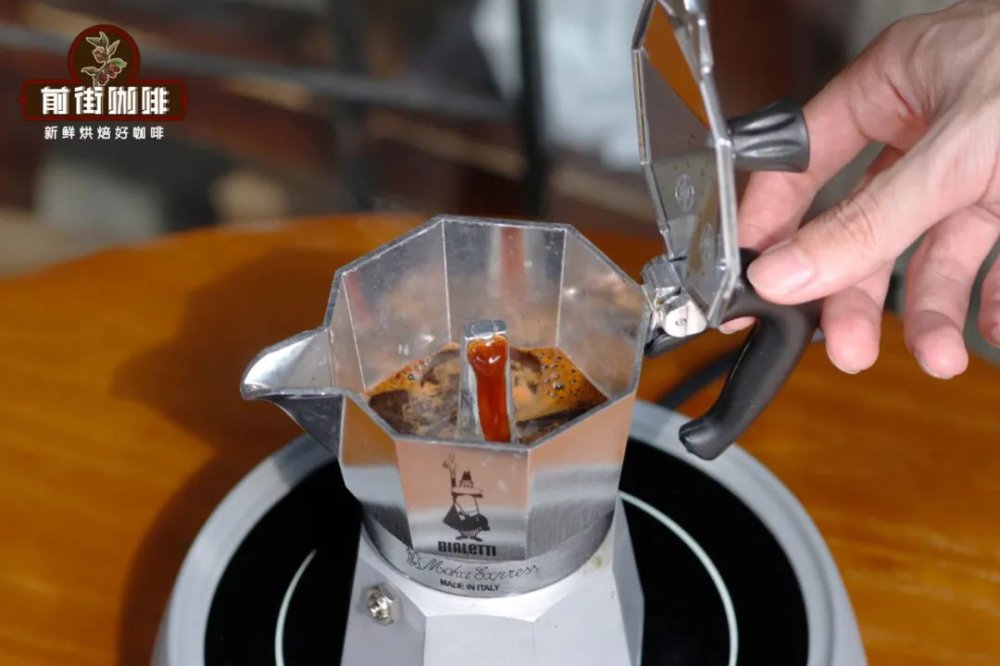
4. When the Moka Pot heats up to a certain temperature and makes a clear rumbling, puffing sound, about 3-4 minutes, you can set the electric ceramic stove to low heat and open the lid of the upper chamber.
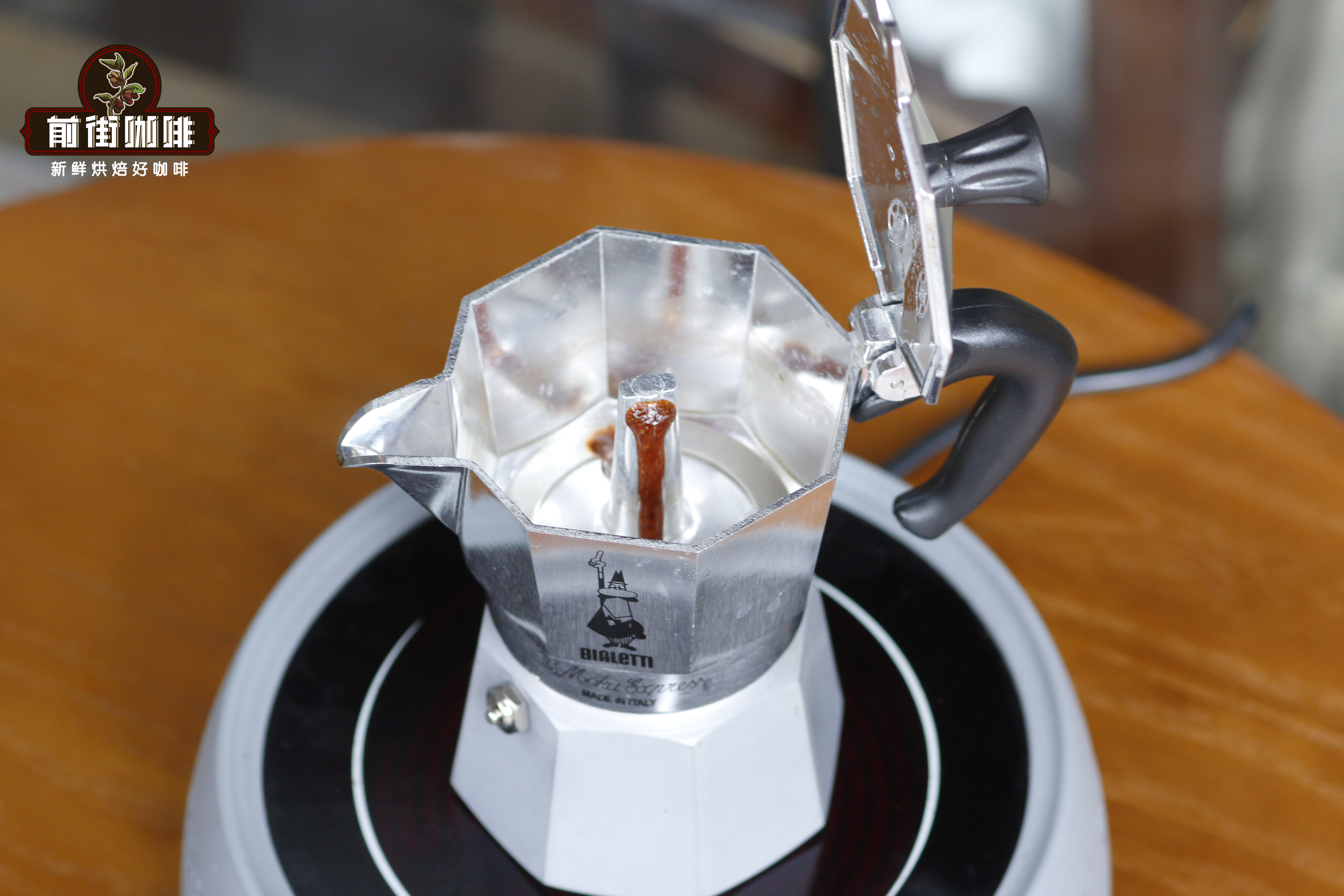
5. When half of the coffee has come out into the upper chamber, turn off the electric ceramic stove. The residual heat and pressure of the Moka Pot will push the remaining coffee into the upper chamber.
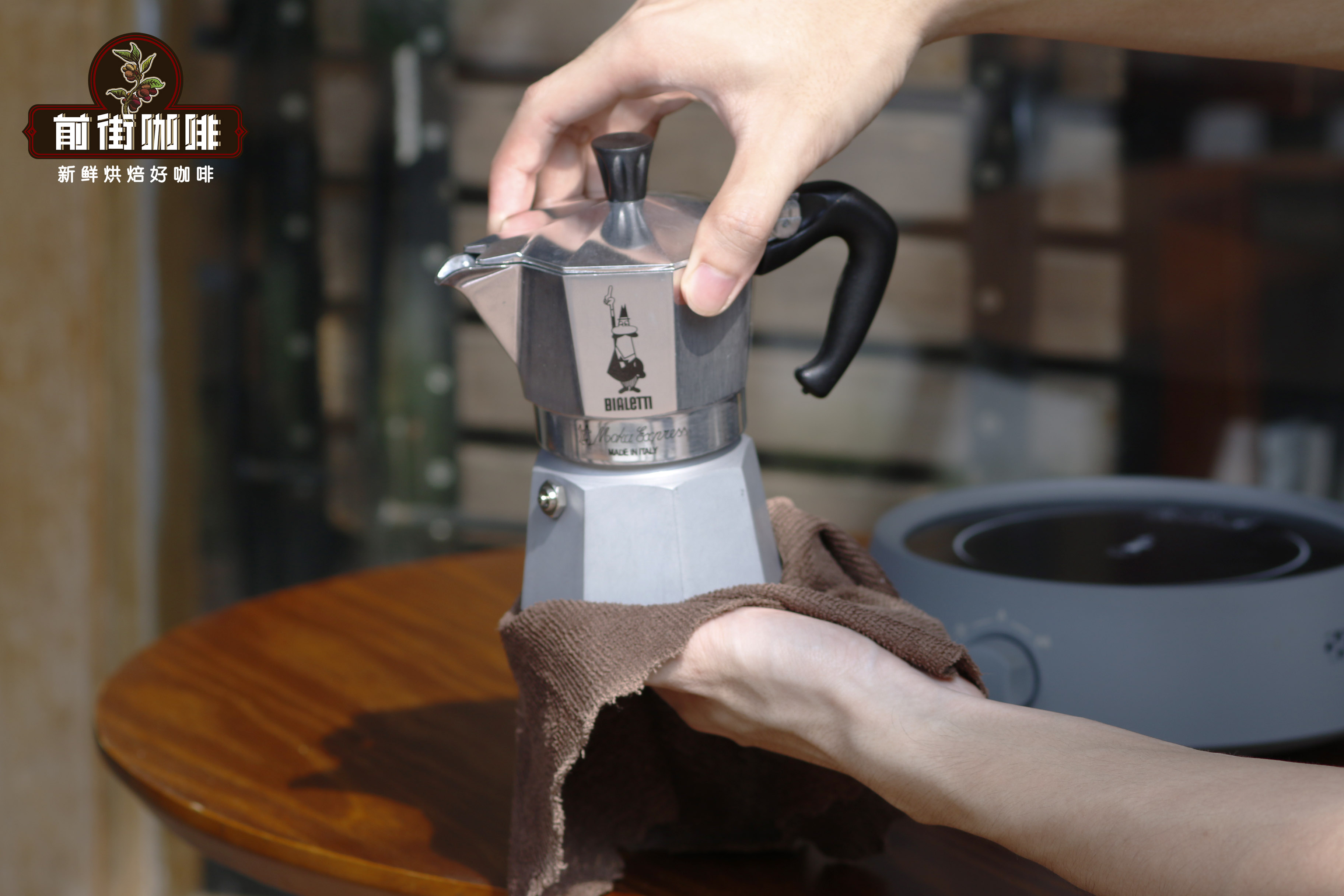
6. Once all the coffee has been extracted into the upper chamber, you can pour it into a cup and taste it. Coffee extracted with a Moka Pot is very rich and can even extract Crema. You can also mix it with an appropriate amount of water or milk for an even better flavor.It's that simple, but it also requires some practice. Front Street believes that although using a Moka Pot is simple, it still requires plenty of practice and careful control of the coffee grind size and various small details to extract a relatively perfect cup of coffee.
The above content is compiled by CoffeeHunters, a coffee news website.


