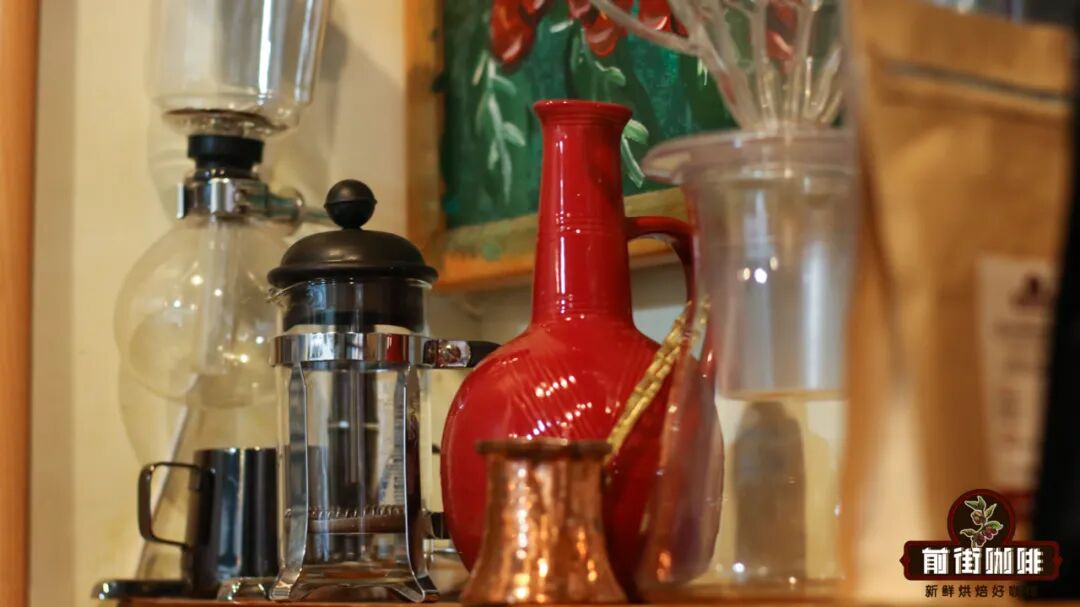
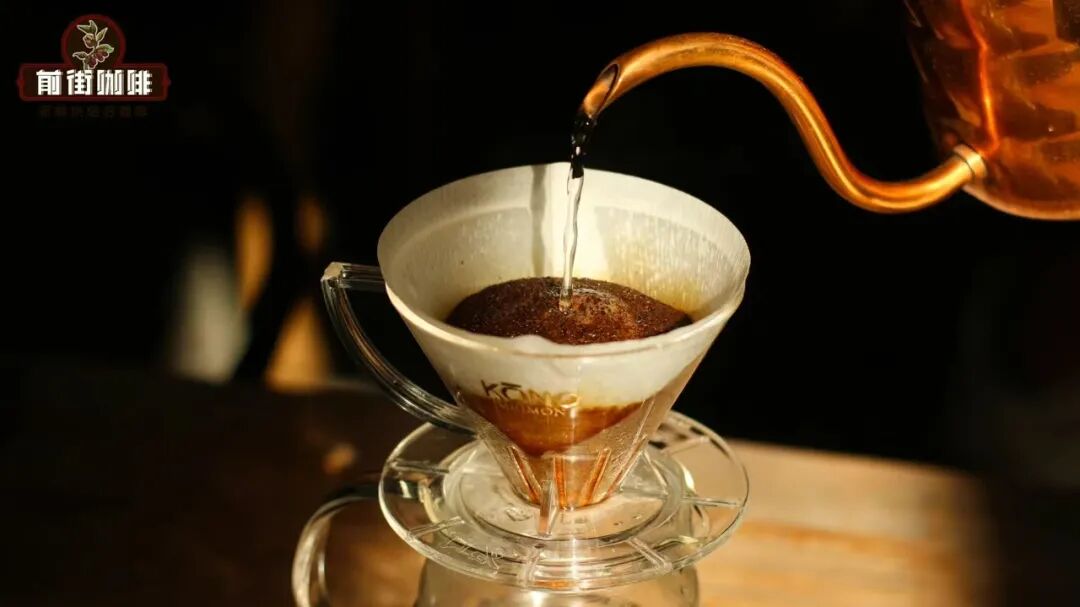
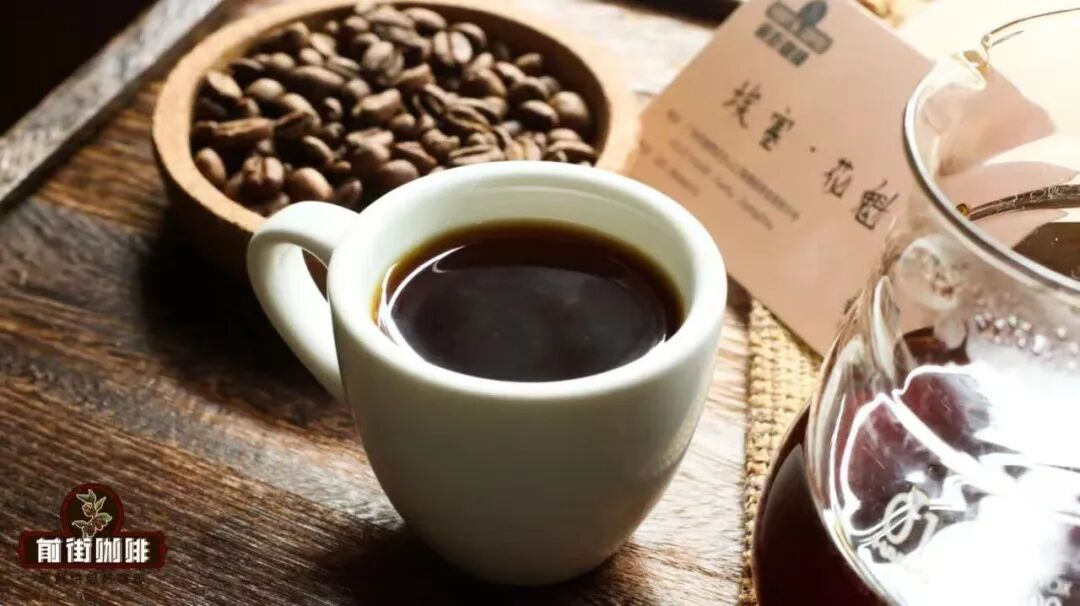
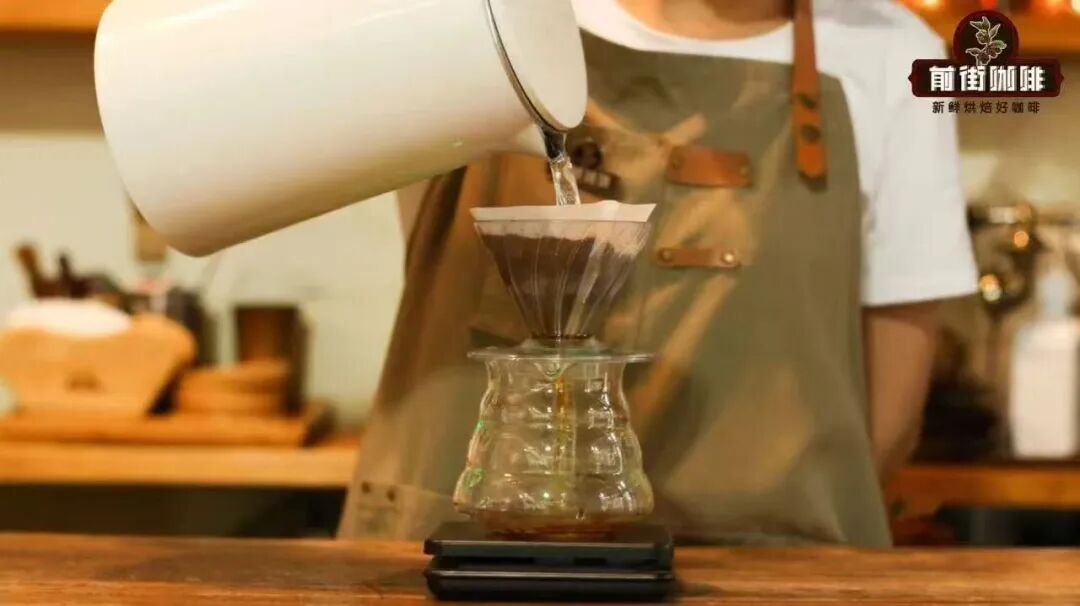
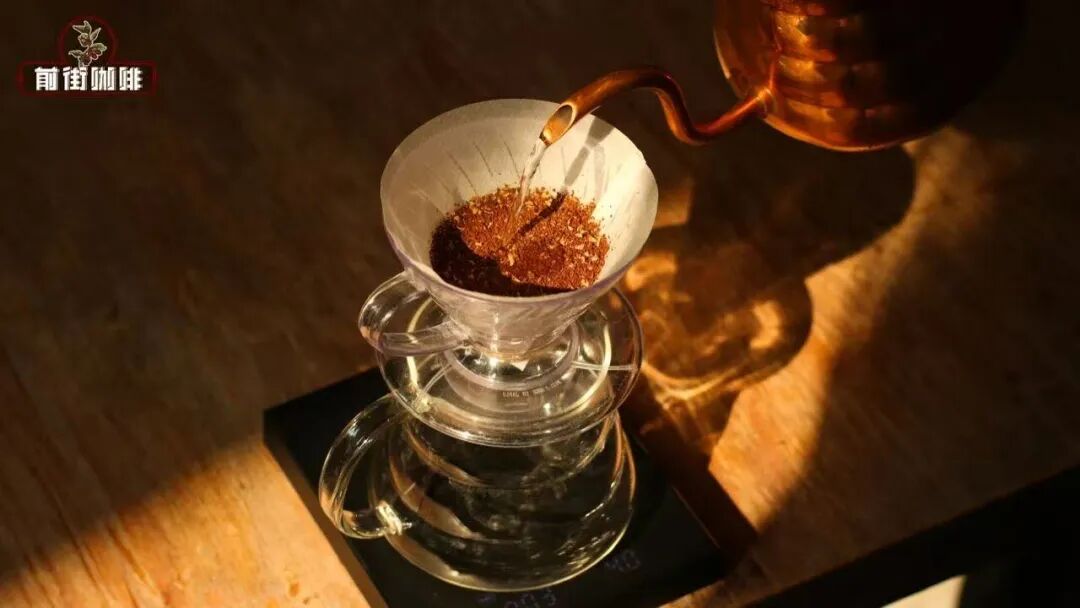
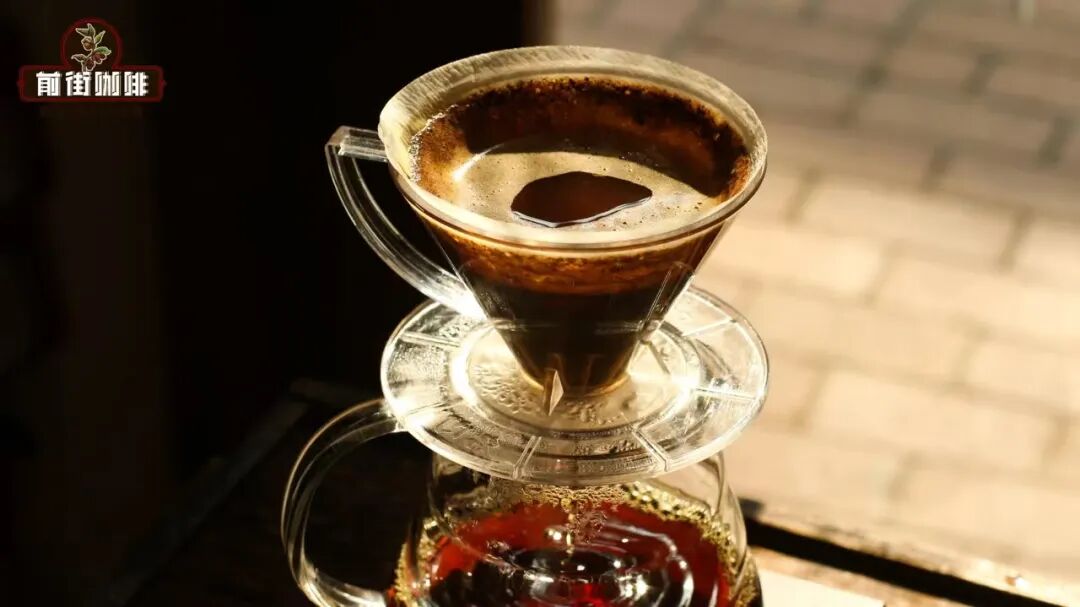
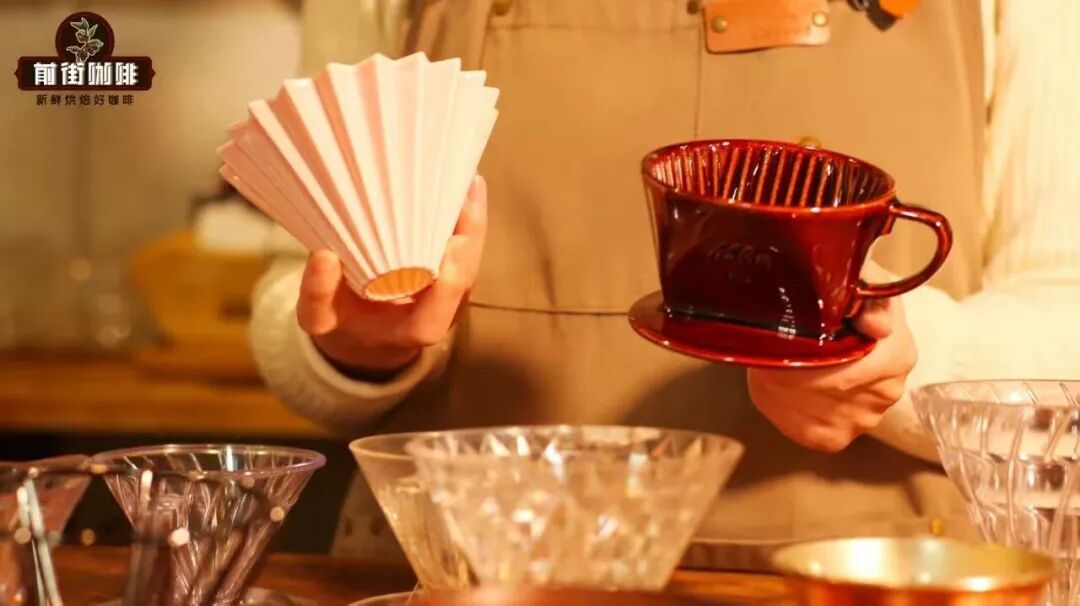
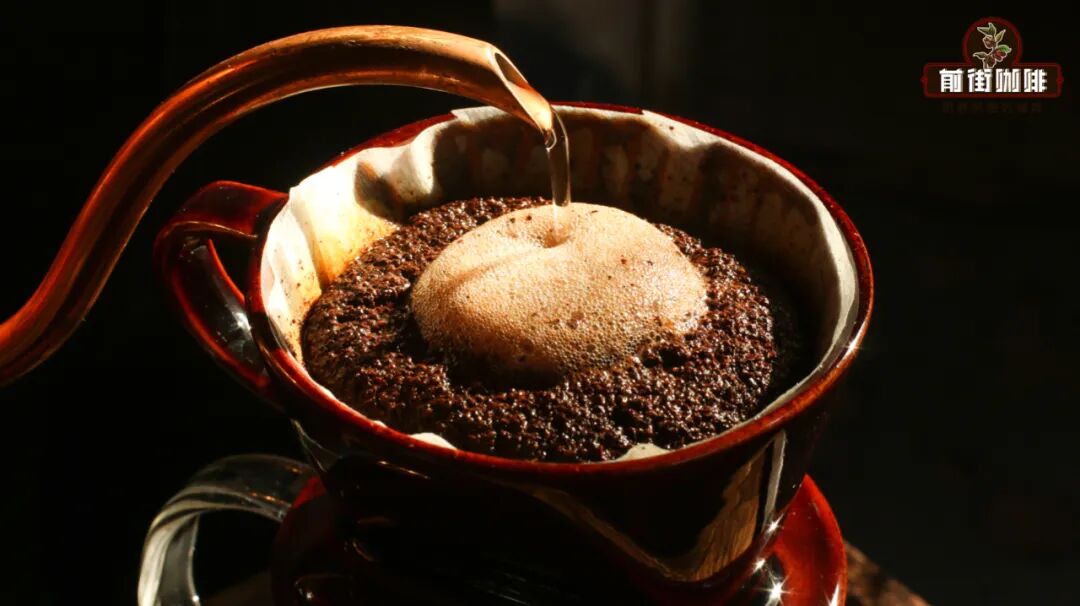
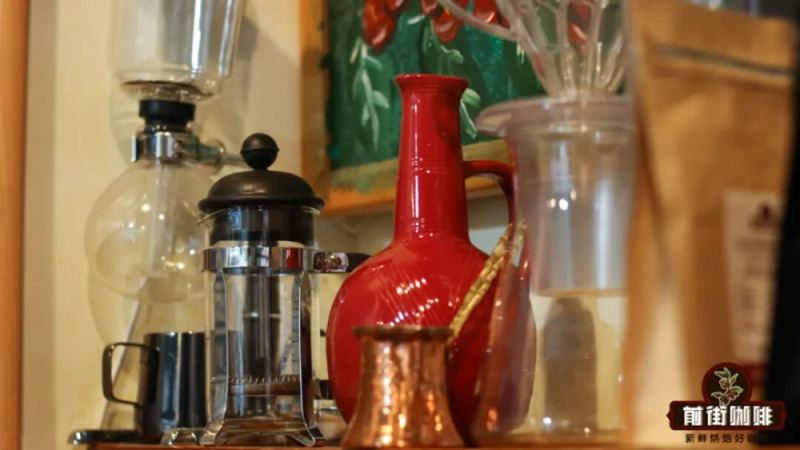
"Small as it is, the sparrow has all the vital organs." Occasionally, customers and friends describe Front Street's offline store this way. Because in Front Street's small store, besides displaying the various coffee beans sold online, all kinds of coffee equipment are placed in different corners. Things like siphon pots, French presses, clever drippers, Turkish coffee pots, Eritrean coffee pots, and so on...Thanks to this, customers and friends often ask whether Front Street can use these utensils to make single-origin coffee. And after receiving a negative answer, these customers and friends often go on to ask: "Is it because the coffee brewed with these utensils doesn't taste as good as pour-over?", "Why do coffee shops like to use pour-over to serve single-origin coffee?" and other such questions.I believe many friends online also have the same doubts, so today Front Street will share with everyone why coffee shops always use pour-over to make single-origin coffee!Why do coffee shops always like to use pour-over to make single-origin coffee?Actually, it's very simple, just like what Front Street explains to customers and friends on the spot. Compared with other utensils, pour-over coffee is more comprehensive in function. We can think of it as an "all-around warrior." Although one of its abilities may not be the very best or most outstanding among all utensils, looking at it comprehensively, it is absolutely the ideal choice for coffee shops serving single-origin coffee.1. It can easily make coffee with prominent flavorSince the 1990s, the spread of the concept of specialty coffee has led people to pursue coffee flavors, so a series of steps from coffee cultivation, roasting, to brewing all began to serve more prominent flavors.And pour-over coffee is one of the best choices among all extraction methods for showcasing flavor. Because it is drip extraction, drip extraction caneasilyproduce coffee with rich layers and distinct flavor. For example, both are Front Street Ethiopia Hualei from Front Street's bean list. The Hualei made using the pour-over method has prominent strawberry, floral, creamy, citrus and other flavor expressions, with a sweet and sour taste and a light mouthfeel, and we can very easily identify the coffee flavors.If an immersion extraction utensil such as a French press is used for production, then although the coffee will have a richer mouthfeel and a more balanced taste, the expressiveness of the flavor will be somewhat weaker in comparison.(No offense intended, each has its own advantages)But this alone is not enough to make pour-over coffee the mainstream method for extracting single-origin coffee, because by adjusting extraction parameters and operating steps, other utensils can also make similar coffee. Front Street mentioned earlier that pour-over coffee as an extraction method is an "all-around warrior." Besides being able to easily make coffee with prominent flavor, it also has many other advantages, such as -- convenience.Convenience is a characteristic that makes pour-over coffee widely popular. Whether in operation or cleaning, using pour-over coffee is much more convenient than most utensils. It does not have a very complicated operation process, and cleaning it is also very simple. All you need is a tool that can pour water, plus a filter paper and dripper, and coffee production can begin.Then, because the filter paper is a disposable filter, after brewing is finished, you only need to lift it up and throw it into the trash can together with the coffee grounds. Finally, simply rinse the dripper and container with clean water, and cleaning is complete. Very simple, very convenient!Besides convenience, speed is also one of the reasons pour-over coffee has a broad audience. From the start of production to the end, the time needed to brew a pot of delicious pour-over coffee is about 5 minutes. Most utensils take around 10 minutes to make coffee. In comparison, pour-over coffee takes only half the time or even less. Combined with the convenience of production and cleaning, choosing pour-over coffee can greatly improve a coffee shop's serving efficiency.Compared with most extraction methods, pour-over coffee has higher controllability. Unlike pressure extraction, it does not suffer from excessive carbon dioxide in coffee beans. Simply adjusting the parameters or pouring method makes it easy to brew delicious coffee.Not only that, because the parameters used are not so extreme, we can also judge whether extraction is normal during brewing according to thecoffee bedand water level state in the dripper, and then make timely adjustments to the brewing so that the coffee does not developpoor extractionflavors.5. Extremely high playabilityOf course, we have to mention its playability, because pour-over coffee is extremely playable! Just the choices in equipment such as drippers and filter papers are already very rich. And when it comes to the brewing stage, there are also different pouring methods to choose from. Things likethree-stage, 4:6 method, agitation method, variable-temperature brewing, and so on and so on.These different choices allow us to brew coffee with different characteristics. For example, some brewing methods can make the coffee sweeter, some can give the coffee an excellent juicy feel, coffee brewed with this filter paper will be more aromatic, coffee brewed with that filter paper will be cleaner.......Finally, there is visual appeal. The production of pour-over coffee has outstanding visual appeal! Whether it is the barista's focused appearance while pouring water during brewing, or the whirlpool drawn out when the stream of water is poured in circles, or the dome during blooming, or the deep pit of the coffee bed revealed after the coffee has fully drained....... These are all scenes that can provide customers with a full visual experience.So combining the above six points, we can know why coffee shops mostly use the pour-over method to make single-origin coffee, rather than other methods such as siphon pots or French presses. Of course, it's not that other methods do not exist, they are just relatively much fewer~ The above content is compiled by CoffeeHunters, a coffee news website.