







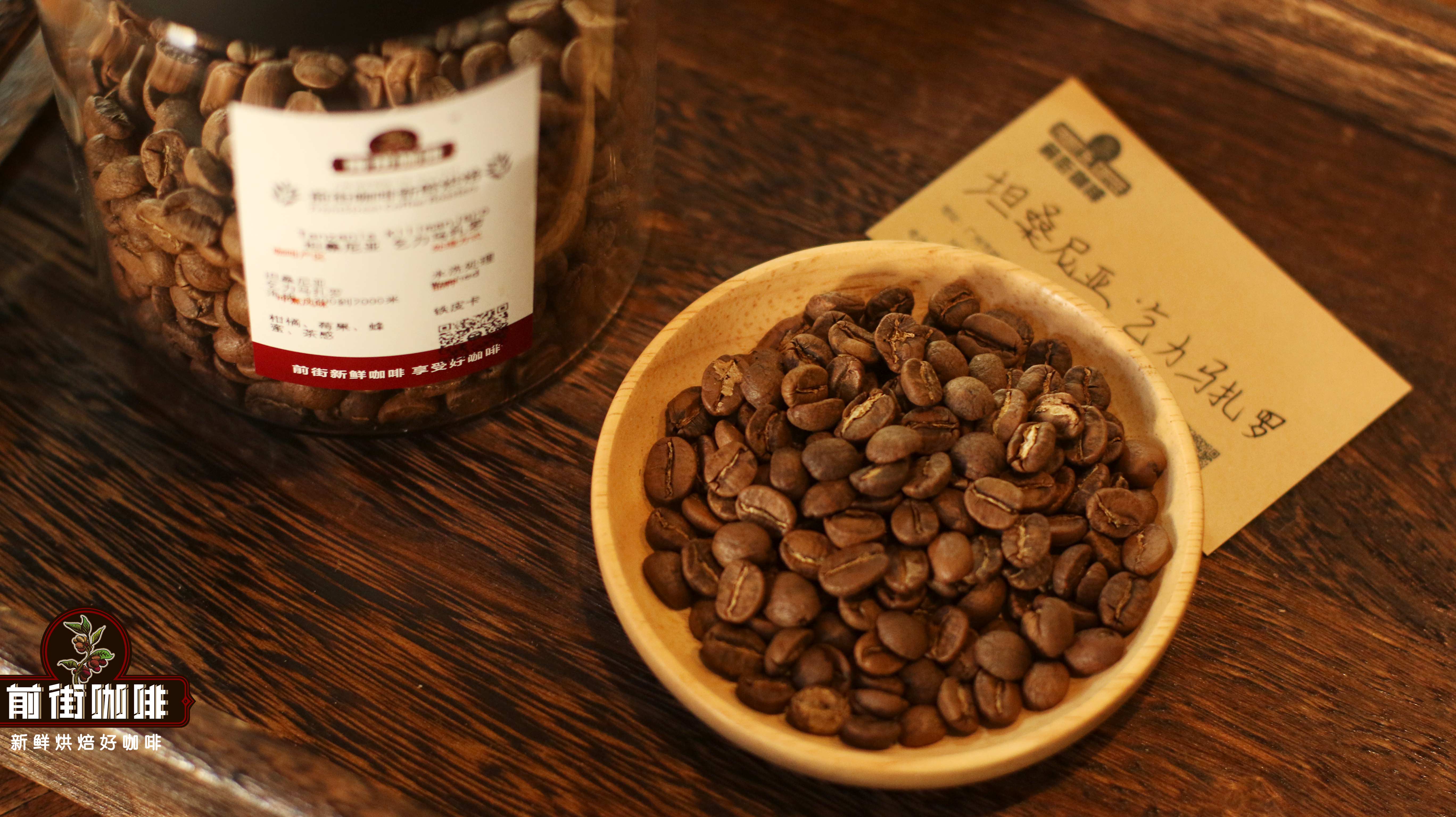
Tanzania, as an important coffee-producing country in East Africa, is known for its soft acidity, sweet aroma, and red wine notes, with a style that falls between Kenya and Ethiopia. This article will systematically introduce the unique charm of Tanzanian coffee, from producing regions, variety introduction history, green bean grading systems, to brewing suggestions. Front Street Coffee's selected Kilimanjaro AA and Southern Bourbon AA, both washed beans, respectively present bright acidity and rich floral aroma, suitable for pour-over enthusiasts to explore the diverse character of African coffee.
For more specialty coffee knowledge, please follow: Front Street Coffee ( Frontsteet Coffee )
Front Street has long been fond of floral and fruity coffees from Ethiopia, Kenya, Panama, Costa Rica, and other origins, but also occasionally wants to change things up and try quality single-origin coffees from other regions. Today we're going to talk about Tanzania, also located in Africa.
Tanzania is located in East Africa, bordered by Kenya and Uganda to the north, Malawi, Mozambique, and Zambia to the south, and Rwanda and Burundi to the west. Many people habitually compare it with the coffee of neighboring Kenya. Compared with the distinct acidity of Kenyan beans, Tanzanian coffee's acidity is much more restrained, overall smoother, with prominent sweetness and an obvious red wine character.
Although less well-known than Kenyan beans, Tanzania's annual output is roughly comparable to Kenya's, at about 50,000 tons. The earliest Arabica stock was introduced from Réunion Island (French territory), initially planted in Bayamoyo and Mogoro. In 1893, cultivation on the slopes of Kilimanjaro achieved the greatest success, and in the 1950s other varieties were introduced from neighboring Burundi and planted in western Tanzania. Currently about 75% of the country's coffee is grown at high altitudes, and wild coffee is still being discovered.
Unlike most African producing countries, Tanzania's green coffee bags are not the common jute material, but rough fiber bags made from agave leaves. This stems from the local government's explicit ban on jute bags in order to protect the sisal industry.
In northeastern Tanzania stands Mount Kilimanjaro, the highest peak in Africa. After World War I, the region was a British mandate, gaining independence in 1964. The Bourbon lineage was introduced for planting as early as 1893, and green bean processing is mainly washed. The high-quality Tanzanian coffee produced at high altitudes, like Kenya's, has lively and bright acidity.
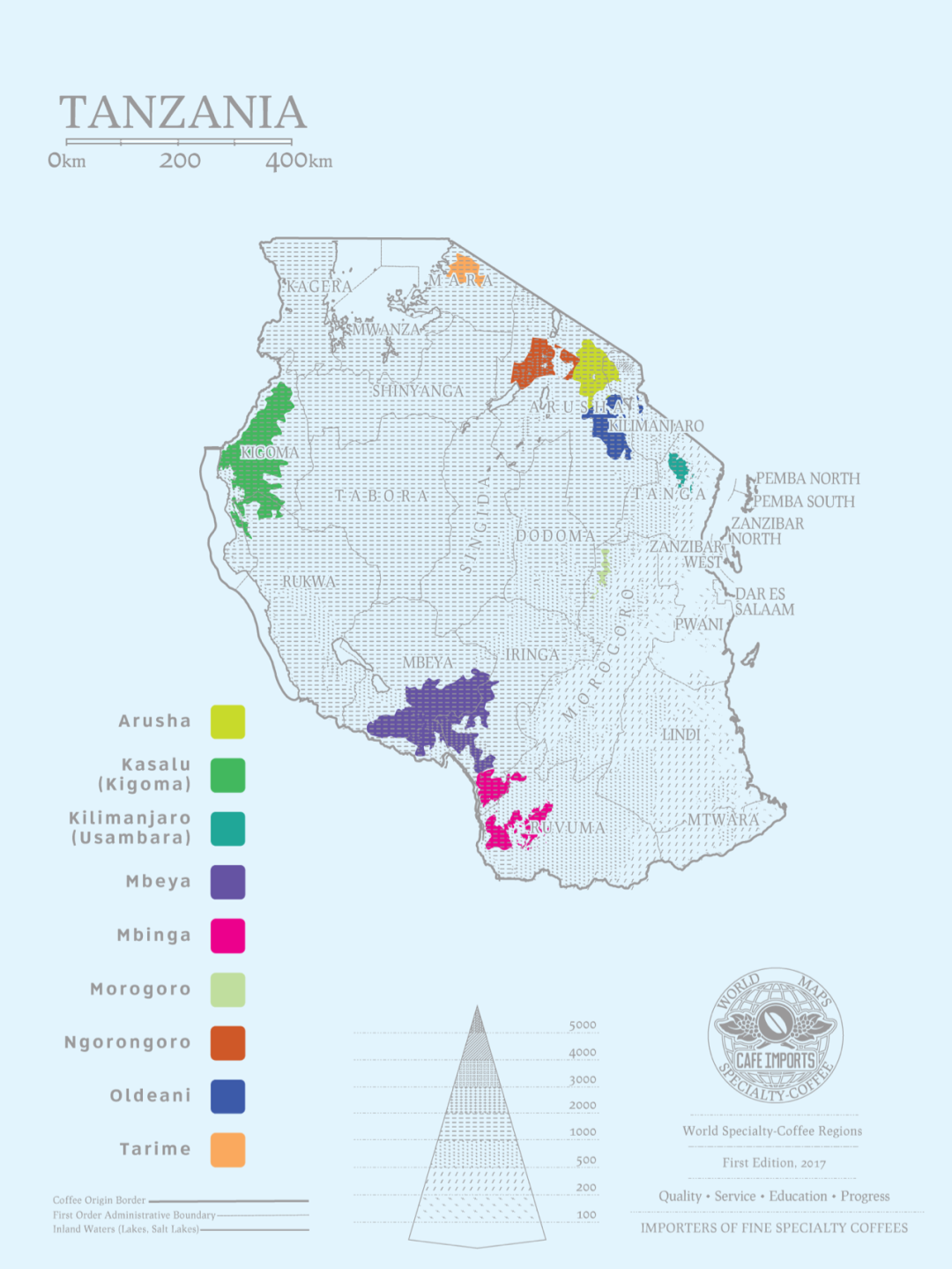
Coffee in northern Tanzania is concentrated in producing areas such as Moshi and Mbeya around the highlands at the foot of Mount Kilimanjaro; to the south, it is mainly the Songea-Ruvuma region through which the Ruvuma River flows. Due to differences in growing terrain, the styles vary slightly. Coffee produced in the southwestern Ruvuma region has winey and fruity aromas, differing from the flavor near Mount Kilimanjaro in the north.
The Kilimanjaro volcanic region is located in northeastern Tanzania and is the country's largest coffee-producing area, accounting for about 75%. Overall, Tanzanian coffee beans are of outstanding quality. Key producing areas are in the northern mountains near Kenya, with smallholder farming accounting for 85%, and coffee farms distributed between 1,300 and 2,000 meters above sea level. Its flavor is different from both Ethiopia and Kenya, combining characteristics of both countries—good body, along with fruit and floral notes, worth trying. Coffee is a dicotyledonous plant, and usually a single coffee fruit contains a pair (two halves) of seeds, which is what we call coffee beans.
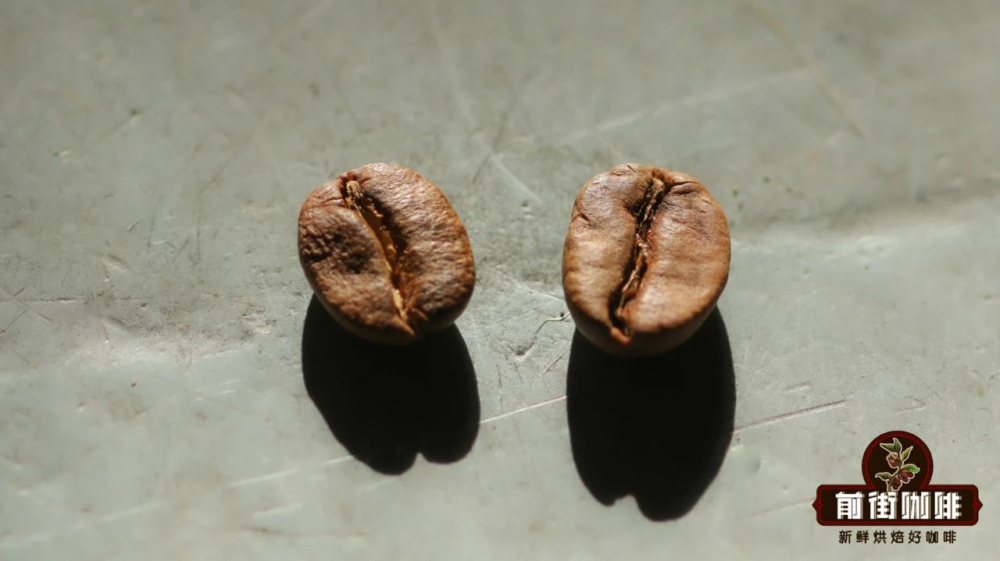
Relative to flat beans (pair of flat-sided beans), round beans are also called caracol or caracolillo, which means "little snail" in Spanish. Botanically, the cause of round beans is considered to be uneven pollination (Arabica is a self-pollinating plant; if a flower has only one ovary, or only one ovary is successfully pollinated, only one seed can be produced), or uneven nutrient distribution during growth (often occurring in fruit at the end of the canopy), where nutrients are absorbed by only one cotyledon, ultimately growing only a single oval egg-shaped seed, hence the name. Under normal circumstances, the proportion of round beans produced is about 3% to 5%, a relatively scarce yield. Because their shape and size differ from conventional flat beans, after screen sizing, round beans are often graded and sold separately.
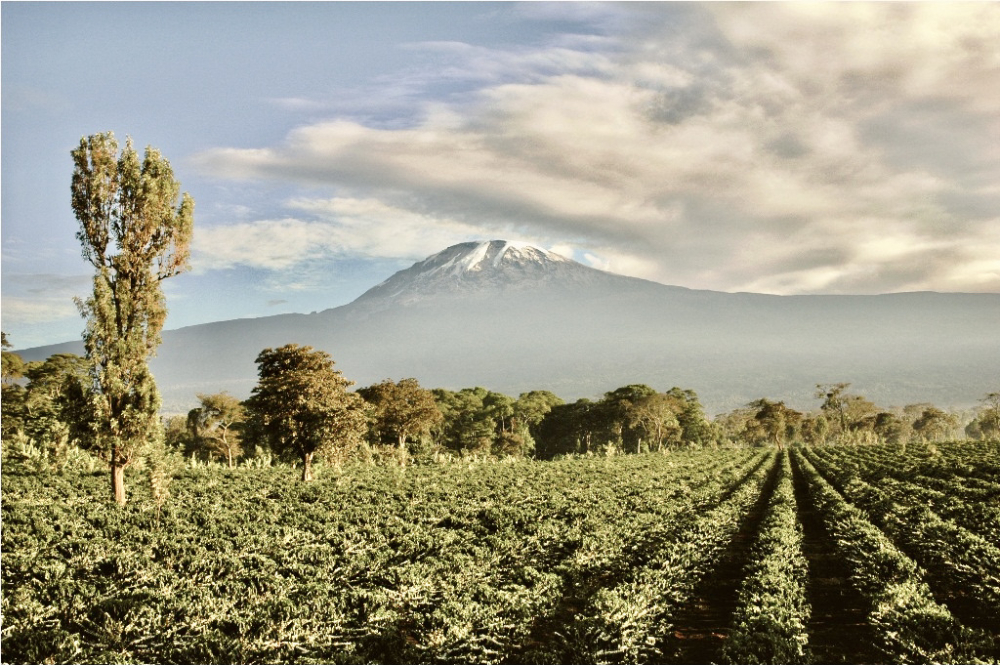
Tanzanian coffee comes from the fertile soil of the East African Rift Valley and is an outstanding representative of the region's quality coffee. It has refreshing acidity and medium body, complemented by sweet citrus and floral notes. Whether drunk hot or made into iced coffee, the taste is quite excellent. Paired with orange or berries, its bright flavor is even more prominent.
Northern coffee has a full aroma, bright acidity, and a rich mouthfeel, and thanks to fertile volcanic soil, it also carries a sweetness like mineral water. Tanzania's northern producing areas are concentrated in places such as Moshi and Mbeya around the highlands at the foot of Mount Kilimanjaro, while the south is mainly the Songea-Ruvuma region through which the Ruvuma River flows. Due to different terrain, the styles differ slightly.
Front Street Coffee (FrontStreet Coffee) Tanzania Kilimanjaro Coffee Region: Northern Highlands, Kilimanjaro Volcanic Region Variety: Typica Processing Method: Washed Grade: AA Altitude: 1300-2000m
Southern coffee is rich in floral aroma, smooth in mouthfeel, with elegant fruity acidity. Coffee produced in the Ruvuma region of southwestern Tanzania has winey and fruity aromas, different from coffee near Mount Kilimanjaro in the north.
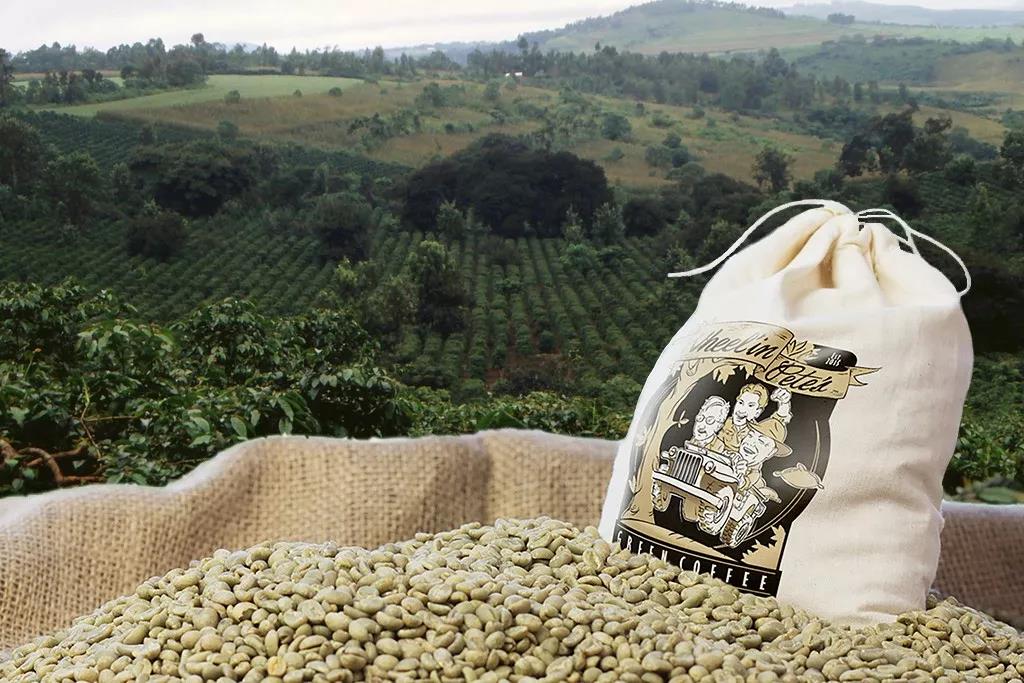
Front Street Coffee (FrontStreet Coffee) Southern Tanzania Region: Southern Region Variety: Bourbon Processing Method: Washed Grade: AA Altitude: 1200-2100 meters
Washed Processing Method This Tanzanian bean from Front Street Coffee (FrontStreet Coffee) uses washed processing. After harvesting, the fruit is first screened to select high-quality fruit that has reached proper ripeness; after depulping, it is naturally fermented for 12 to 24 hours, then washed and soaked in water for 24 hours, washed again, and finally sun-dried.
Tanzania Green Bean Grading System
The highest grade of green beans officially designated by Tanzania is AAA. As for names like AA top and AB plus, these are titles given by private green bean traders after secondary screening from official specification lots, labeling them AA top, higher than AA.
Front Street Coffee (FrontStreet Coffee) Roast Analysis
Kilimanjaro coffee beans are uniform in size and grayish-green in color. Front Street Coffee (FrontStreet Coffee) uses a medium-light roast to highlight the stronger acidity and sweet aroma, with excellent flavor.
Charge at a drum temperature of 170°C, heat power 130, damper set to 3; turning point at 1'55", when the drum temperature reaches 120°C open the damper to 4, heat power unchanged; when the drum temperature reaches 165.8°C the bean surface turns yellow, the grassy smell completely disappears, entering the dehydration stage; at 6'30" wrinkles and dark patches appear on the bean surface, the toast aroma clearly turns to coffee aroma, which can be regarded as the prelude to first crack, and at this point you need to listen clearly for the sound of the first crack point; at 10'16" first crack begins, open the damper to 5, develop for 1'45" after first crack, and drop at 193°C.
Front Street Coffee (FrontStreet Coffee) Brewing Suggestions Dose: 15g Coffee-to-water ratio: 1:15 Grind size: medium-fine grind (80% passing a No. 20 standard sieve) Water temperature: 90°C
Pulse pouring: bloom with 30 grams of water for 30 seconds, pour in a small stream in circles until 125 grams, then pause; when the water level drops and is about to expose the coffee bed, continue pouring until 225 grams and stop; when the water level drops and is about to expose the coffee bed, remove the dripper (start timing from the beginning of the bloom). Total brewing time: 2'00".
Flavor: soft acidity, with a red wine texture similar to Kenyan coffee; the acidity is understated and pleasing, the mouthfeel is round, and the viscosity is medium. The finish is long, with both fruity aroma and fruity acidity; the acidity is weaker than Kenyan coffee, and overall it is relatively mild.
The above content is compiled by CoffeeHunters, a coffee news website.


