







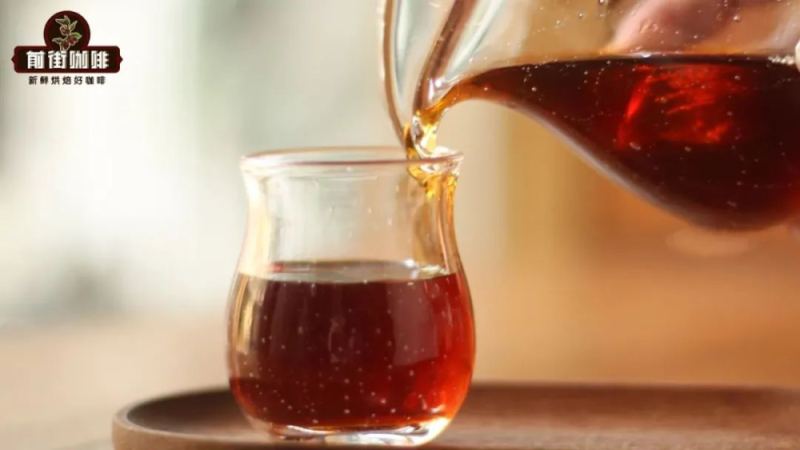
As the weather gradually heats up, the coffee pre-made in Front Street's fridge has become the most popular hot-selling item besides iced Americano. No need for much introduction—everyone walks in and says directly: "Boss, give me a cold brew drip!"
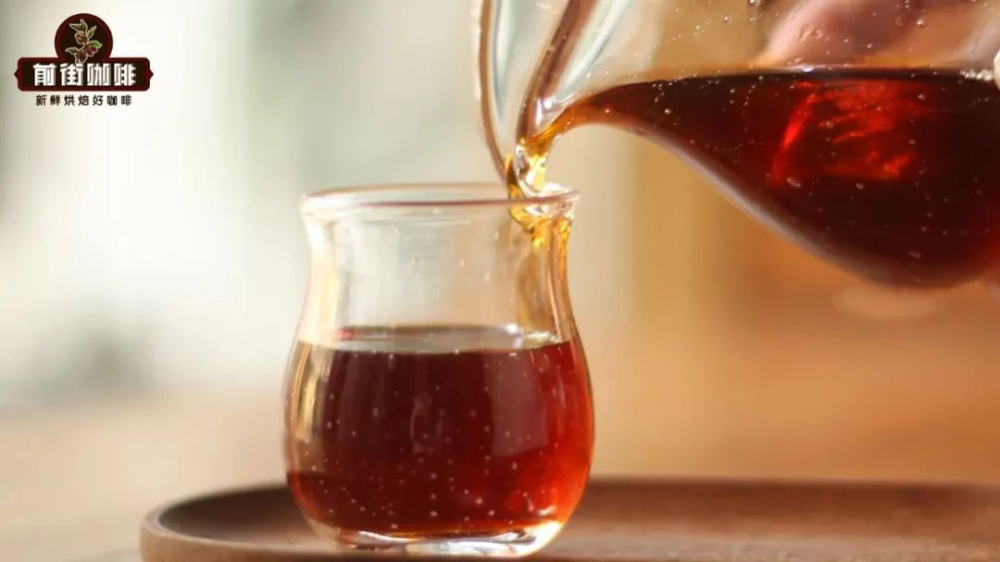
Some customers hesitate, unsure what to order, so they ask the barista: "What's the difference between that cold brew drip and an Americano?" Front Street replies: "One was made yesterday, the other is made right now." The customer looks even more confused, and in the end silently chooses an iced Americano because it seems cheaper~

All iced coffee on the market can be roughly divided into two categories. One is the hot extraction method, where high-temperature hot water is used to brew and then ice is added to cool it down, such as iced pour-over and iced Americano.The other is the cold brew type, where low-temperature or room-temperature water directly contacts the coffee grounds, allowing flavor compounds to be slowly released. Cold brew drip is one of the most widely used methods in this category.
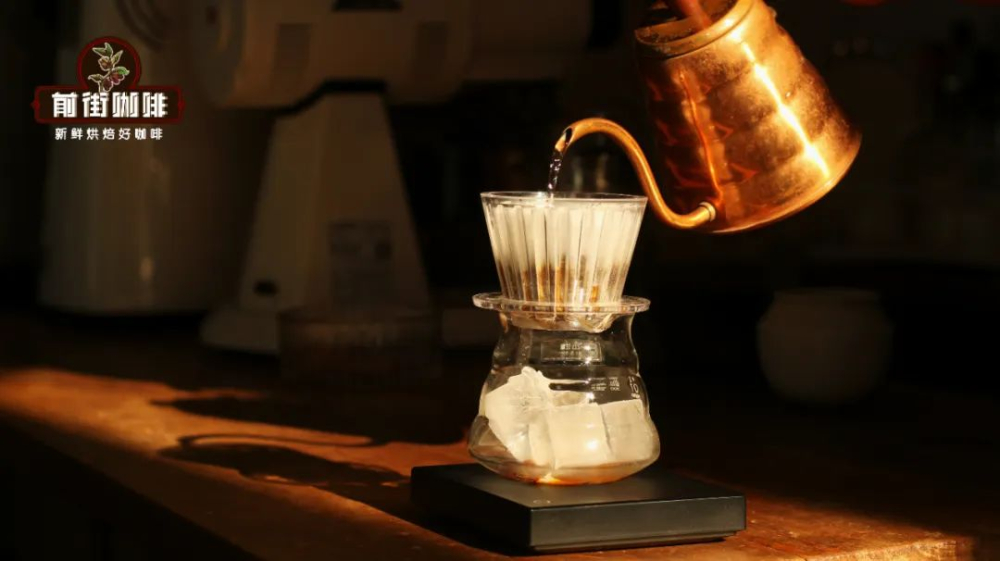
We all know that cold brew coffee, which mainly uses the cold steeping process, relies on long soaking followed by straining and filtering. As long as you have a fridge and coffee grounds (or beans), plus any clean container large enough and a filter material, you can easily make a cup of iced coffee.
In comparison, making cold brew drip coffee has higher requirements—it needs a dedicated drip device, a cold brew drip tower. These brewing gadgets come in many cool designs on the market, with prices ranging from a few dozen yuan to over a thousand, but the main structure generally consists of three parts: an upper chamber with a valve to control the drip speed of ice water, a filter cup for holding coffee grounds, and a lower chamber for collecting the coffee liquid.

With the help of this device, ice water drips one drop at a time into the filter, reacting with the coffee grounds inside to extract soluble flavor compounds, then falls by gravity into the lower chamber, until enough coffee liquid has accumulated to stop the extraction.
Since only low-temperature ice water is involved from start to finish,and the drip rate is very slow (averaging 1–2 seconds per drop), it takes a longer time toallow more flavor compoundsto be fully released, in order toachieve amoderate concentration.The coffee is less likely to release bitterness and otheroff-flavors.
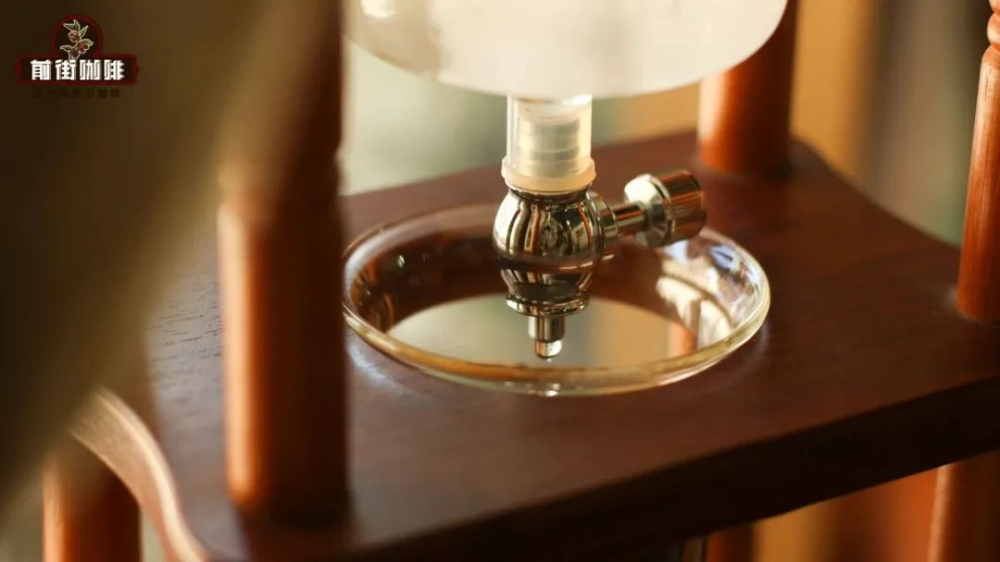
Take Front Street's cold brew drip as an example—we use the Tiamo HG2713 three-tier cold brew drip tower. Front Street typically uses a 1:10 coffee-to-water ratio, meaning 60 grams of coffee grounds extract 600ml of coffee liquid. The drip rate of ice water is about 7–8 drops per 10 seconds. On top of that, the drip nozzle sometimes gets clogged from the cold, so we need to keep an eye on it and adjust at any time. Therefore, the whole process usually takes 5–8 hours, depending on the amount of grounds used and the drip speed.
Throughout the drip process, fresh cold water continuously passes through the coffee bed and then filters to form new coffee liquid. Compared to the static cold steep method, cold brew drip is a dynamic brewing process that extracts and filters simultaneously. The ice water does not contact the coffee grounds the entire time, so in terms of mouthfeel, the cold brew drip of the same coffee bean is cleaner and clearer than cold brew.
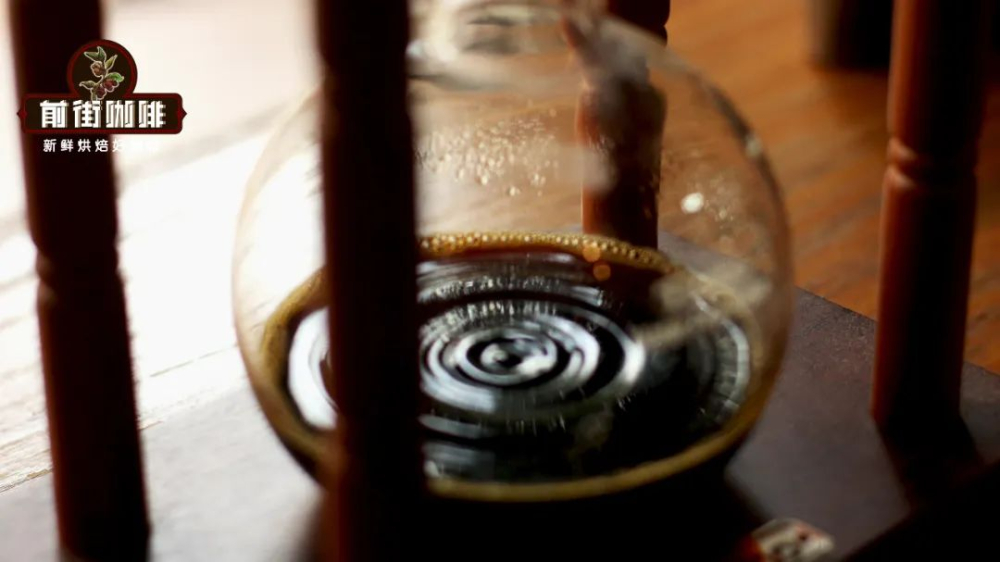
The operation is simple: put it in a clean sealed bottle and refrigerate for at least 8 hours. Once the cold aging and fermentation is done, we can add ice cubes to the concentrated coffee according to our preference and enjoy it. The reason forputting the coffeein the fridge overnight is tocontrol fermentationandavoid spoilage.
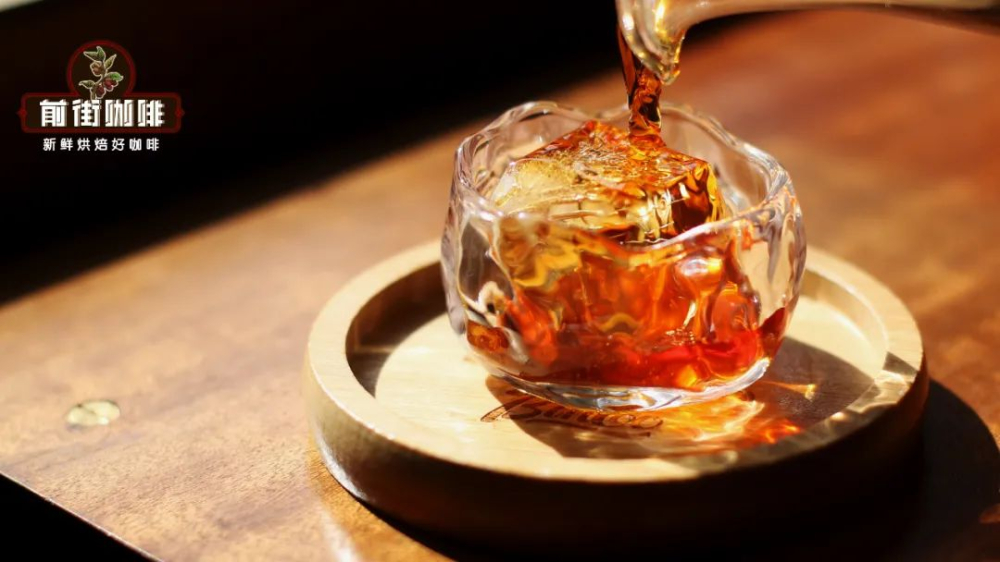
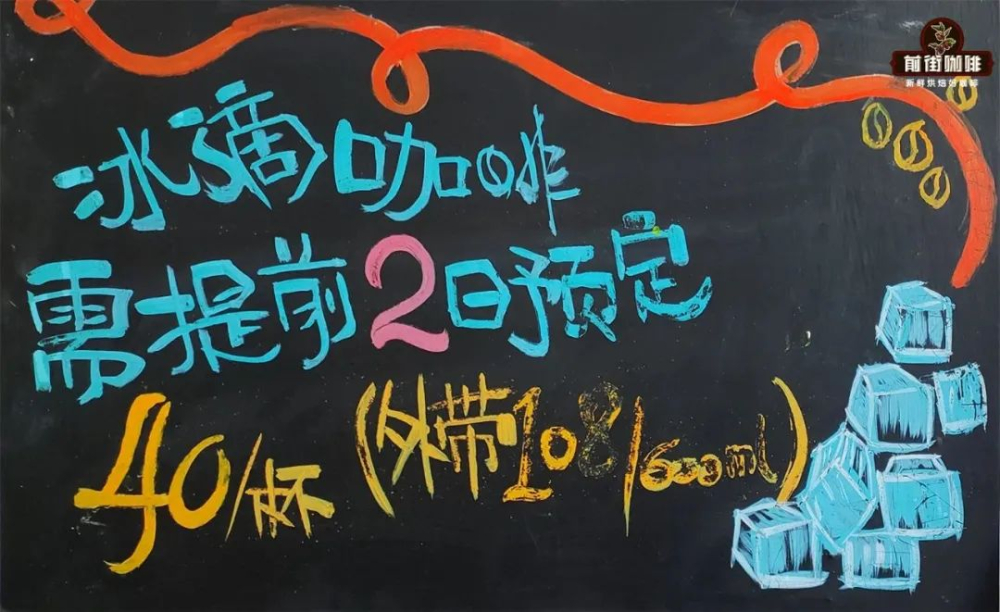
From start to finish, making a 600ml batch of concentrated coffee liquid takes about ten-plus hours. That's why cold brew drip is generally considered the most time-consuming of all brewing methods, and why some coffee shops sell it by reservation only. (Of course, at Front Street you can also get cold brew drip without a reservation—it's just that the flavor will be more random.)
To highlight the rich, liquor-like character unique to cold brew drip while avoiding the off-flavors from the tail end caused by long dripping, many coffee shops specifically choose high-quality single-origin beans full of fruity aromas. Socompared to the standard espresso blend beans, the raw material cost for cold brew drip is relativelymore expensiveby abit.
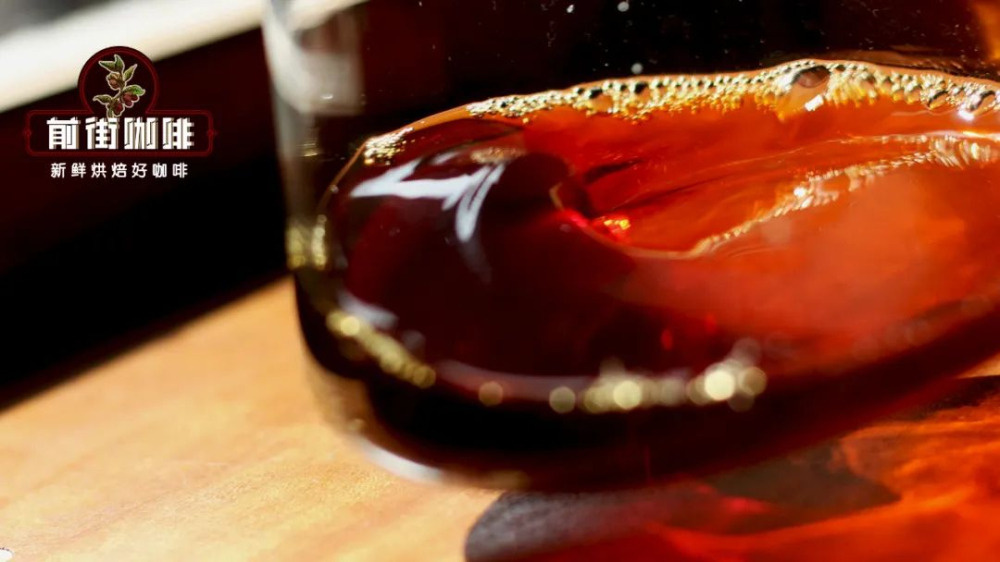
For example, when Front Street usually prepares cold brew drip, we like to prioritize beans that showcase floral, fruity, and fermented wine-like flavors. With the combination of slow dripping and low-temperature aging, the resulting cold brew drip not only has the bright charm of fruity-acid coffee but also brims with a fermented quality like fruit wine—mellow yet refreshing.
Last but crucial: the reason cold brew drip coffee is generally more expensive is largely because it uses more coffee grounds. For example, Front Street needs 60 grams of coffee grounds to make a 600ml batch of cold brew drip, which can ultimately sell 3 cups (each about 200ml plus ice). But by pour-over standards, 60 grams of coffee beans can brew 4 cups of pour-over coffee (15 grams per cup).
Of course,price is not the only standard for measuring a cup of coffee. Front Street has also seen extremely cost-effective, affordable cold brew drip that is equally fragrant and delicious. As long as the barista makes it with care and extracts it properly, and the bean quality is good, the pricing will more depend on the café's target positioning.
Front Street Coffee (FrontStreet Coffee)
No. 10, Bao'an Qian Street, Yandun Road, Dongshankou, Yuexiu District, Guangzhou, Guangdong Province
The above content is compiled by CoffeeHunters, a coffee news website.


