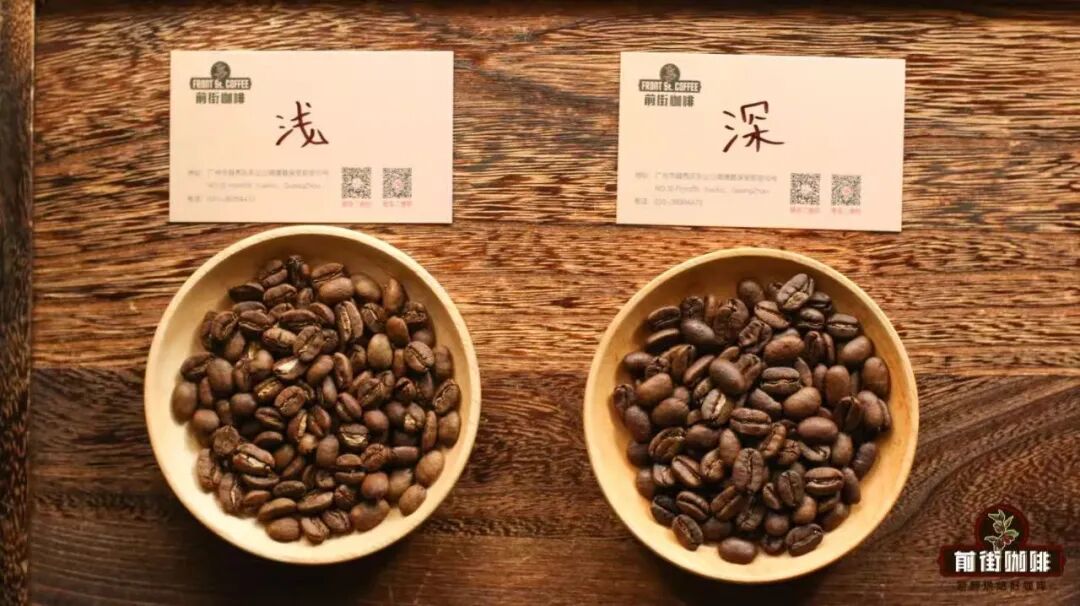
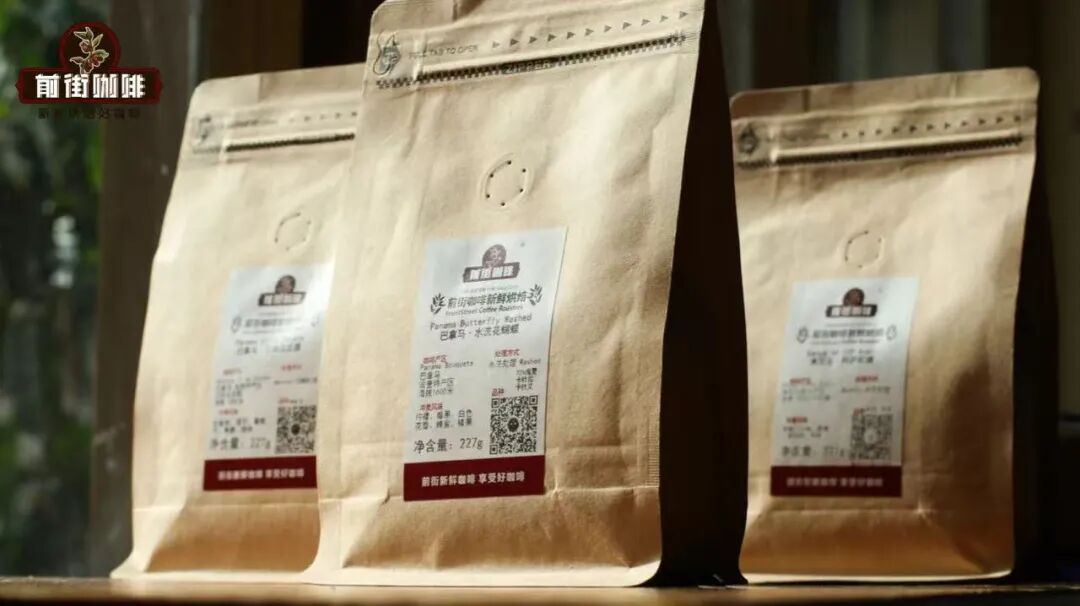
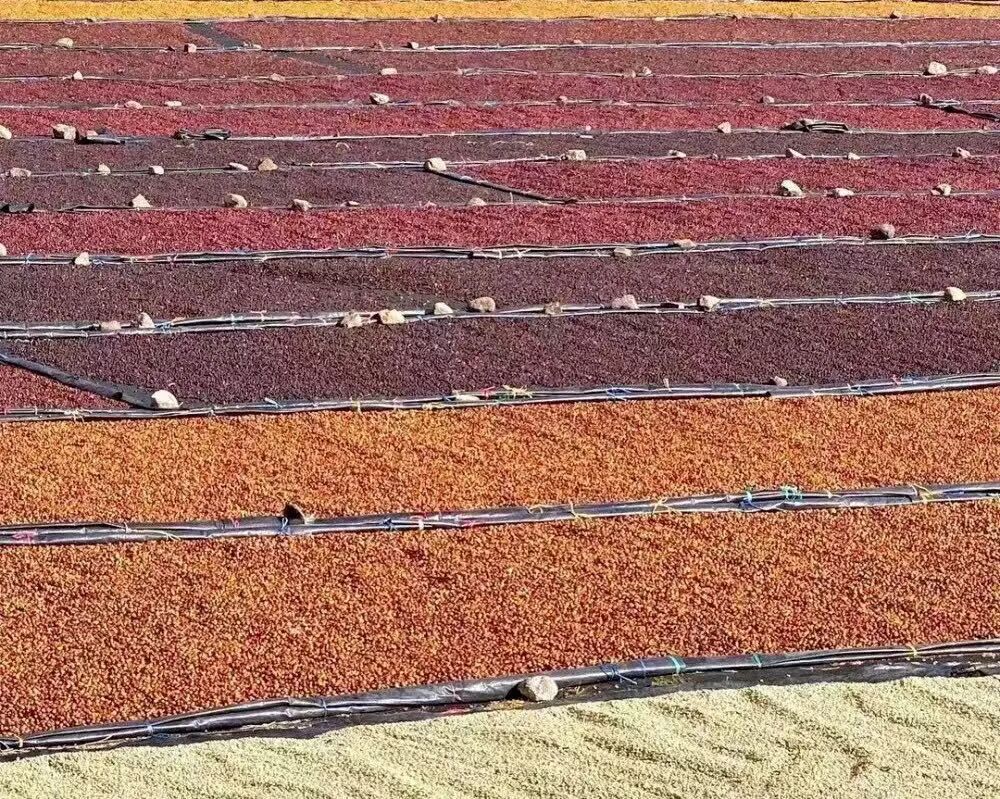
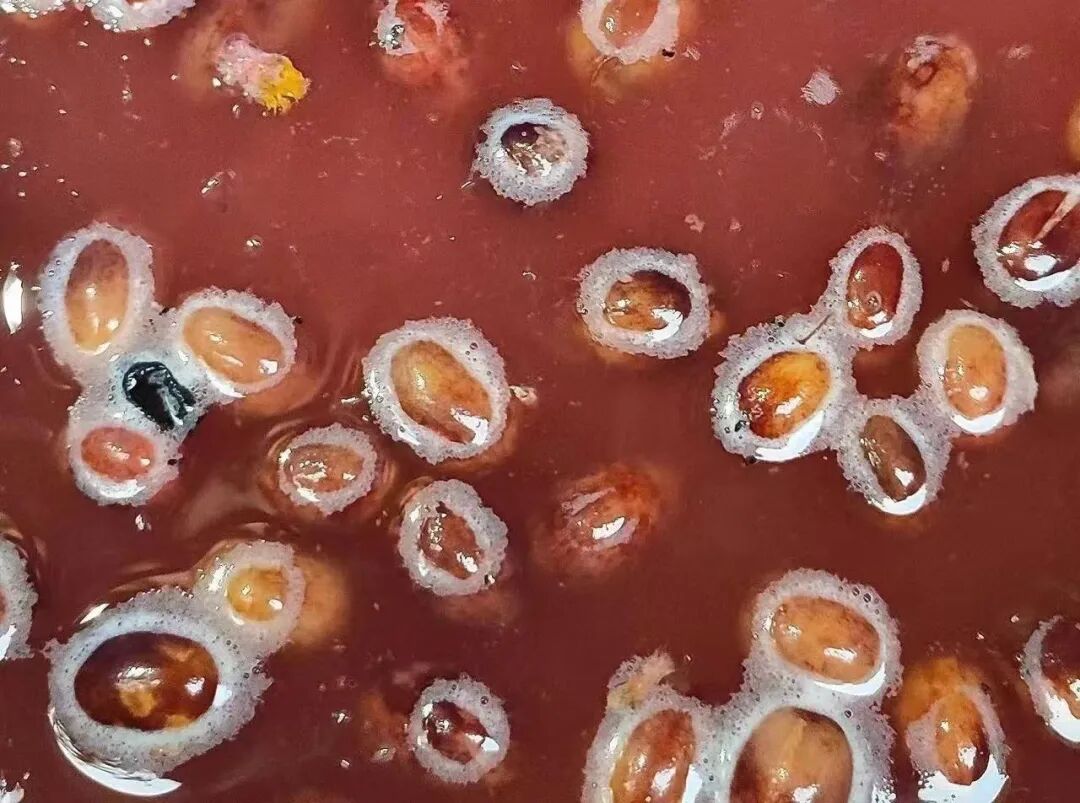
Front Street often receives many questions like these: "What beans are suitable for a moka pot?", "What beans are suitable for a coffee machine?", or "What beans are suitable for cold brew?"...Many beginners mistakenly assume that a certain brewing method has coffee beans that are most suitable for extraction, but in reality, whether it's a moka pot or a coffee machine, they are all suitable for extracting all coffee beans—there's no such thing as suitable or unsuitable. What's called "suitable" actually refers to whether the extracted coffee meets your needs, and that's all.So rather than asking what beans are suitable for extracting with xxx, it would be more appropriate to ask what kind or type of beans you want. So today, Front Street will share with you how beginners can precisely find coffee beans that suit them!First, we need to know what flavors we like.Front Street still recommends everyone first make a preliminary selection based on your owntaste preferences: Do you like coffee with acidity and a rich layering of flavors, or do you like it bitter with a high body? These correspond respectively to light-roasted acidic coffee and dark-roasted bitter coffee.Coffee's flavor is affected by the degree of roasting! When coffee beans are roasted lighter/shorter, more of the coffee's own acidic compounds are retained, and the flavor is mainly acidic; when coffee beans are roasted darker/longer, the coffee's own acidic compounds are diminished, while bitterness increases and masks the acidity, making the flavor mainly bitter.So, if you want to drink a cup of coffee that tastes acidic or sweet-and-sour, then you can choose light or medium-light roasted coffee beans; and if you want to drink a cup that tastes bitter with a rich, roasted aroma, then you can choose medium, medium-dark, or dark roasted coffee beans.But since most merchants don't print the roast level on the label, when buying coffee beans you can ask the merchant, or infer an approximate roast level from the flavor description on the label. For example, if it has flavor descriptions like berry, citrus, floral, etc.—fruity or floral, relatively fresh notes—then this bean is most likely light or medium-light roasted; if it has descriptions like chocolate, nuts, cream, caramel, toast, etc., then it most likely has a relatively dark roast level.Then, precisely determine the "flavor" based on processing/region.Once we've chosen the roast level of the coffee beans, we can then further filter for coffee beans we like based on other information on the label. The simplest way is the flavor description—see whether there's a flavor you like and decide accordingly. If you want something more specific, such as a special mouthfeel, rich flavor expression, or more cleanliness, then you can precisely determine the "flavor" through the coffee bean's processing method and region.Let's start with processing methods! As everyone knows, different processing methods cause coffee to develop various different characteristics, because their fermentation degrees differ. The more common processing methods on the market mainly include: natural, washed, honey, and anaerobic, so Front Street's sharing this time will mainly focus on these four processing methods.If you want to drink coffee with relatively high cleanliness and relatively bright acidity, then you can choose washed coffee beans. Because washed processing removes the pulp and mucilage almost entirely from the start, the substances participating in fermentation are relatively few, and the coffee can better highlight its own variety and regional flavors.(e.g., Front Street Panama Boquete Geisha, Kenya Asali)And if you want to drink something with relatively high flavor complexity and rich layering, then you can choose naturally processed coffee beans. Because natural processing puts the whole coffee cherry directly into drying and fermentation, with more substances participating in fermentation, the developed flavors are richer.(e.g., Front Street Ethiopia Huakui, ALO)Honey processing falls between natural and washed, because it removes the skin and pulp but retains the mucilage for drying and fermentation, so its drying time is shorter than natural and longer than washed. If you like coffee with higher sweetness and relatively rich flavors, then honey processing will be a good choice.(e.g., Front Street Colombia Esperanza Geisha, Costa Rica Geisha)And most anaerobic processing usually has a higher fermentation degree than the previous three, so its flavor complexity and distinctiveness are relatively high(most). Anaerobically processed coffee beans generally have an obvious fermented quality, so if you like relatively high flavor distinctiveness and can accept fermented notes, then choosing anaerobically processed coffee beans is the way to go.(e.g., Front Street Diviso HSIJAR, Granja Paraiso)As the old saying goes: "Oranges grown south of the Huai River are oranges; oranges grown north of the Huai River are trifoliate oranges." Coffee grown in different regions has completely different flavor expressions! So, we can also make a more detailed selection based on region~If you want to drink something relatively fresh with relatively intense fruity flavors, then the region selection can be narrowed to Ethiopia, Kenya, Panama, Colombia...; and if you want to drink something relatively full-bodied with relatively intense nutty and chocolatey flavors, then you can choose coffee beans from regions such as Brazil, Indonesia, Jamaica, etc.—beans from these regions are mostly dark roasted; if you want something with higher sweetness or a more balanced type, then you can choose coffee beans from regions such as Costa Rica, Papua New Guinea, etc. Besides flavor, Front Street believes everyone may want coffee beans to have some special function, so Front Street has also listed what it can think of: if the coffee beans you want are the type that can extract rich crema and whose flavor won't easily be masked by milk after being made into milk coffee, then it's best to choose dark-roasted or blends containing robusta; and if you want coffee beans with relatively low caffeine that won't affect sleep, then you can choose decaf coffee, such as the Colombia Swiss Water Process Decaf on Front Street's bean list, which is a very good choice~
The above content is compiled by CoffeeHunters, a coffee news website.