







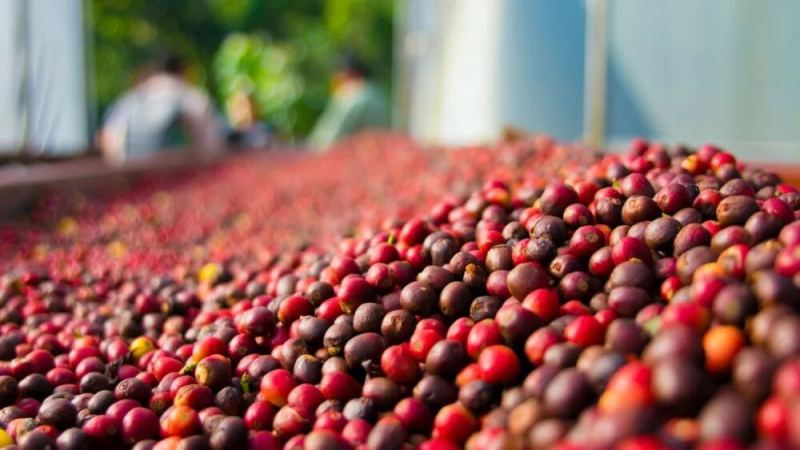
Panama is a Central American country, bordered by Costa Rica to the west and Colombia to the east. Anyone familiar with single-origin coffee likely knows that Panamanian coffee is famous in the coffee world for Hacienda La Esmeralda's Geisha(Geisha). Ever since Hacienda La Esmeralda's Geisha won the BOP championship in 2004, the names Panama and Geisha have been deeply intertwined, each complementing the other. More than twenty years later, Panamanian coffee has become almost synonymous with the finest quality coffee. Whenever the world's best coffee is mentioned, Panama is always on the shortlist. It can be said to be a country that strives for perfection in coffee and produces an abundance of high-quality coffee.
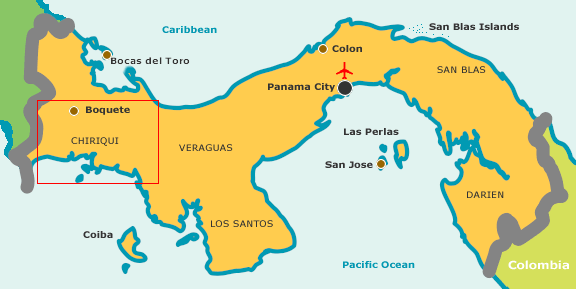
Panamanian coffee is famous for Hacienda La Esmeralda's Geisha, and the producing region where Hacienda La Esmeralda is located is also quite renowned; it is the Boquete(Chiriqui)region in Chiriquí Province(Boquete). Boquete is a town in Chiriquí Province, located near the border between Panama and Costa Rica, close to the famous Baru(Baru)Volcano. With its picturesque scenery, rich and fertile soil, the climate and soil are highly suitable for producing premium coffee.
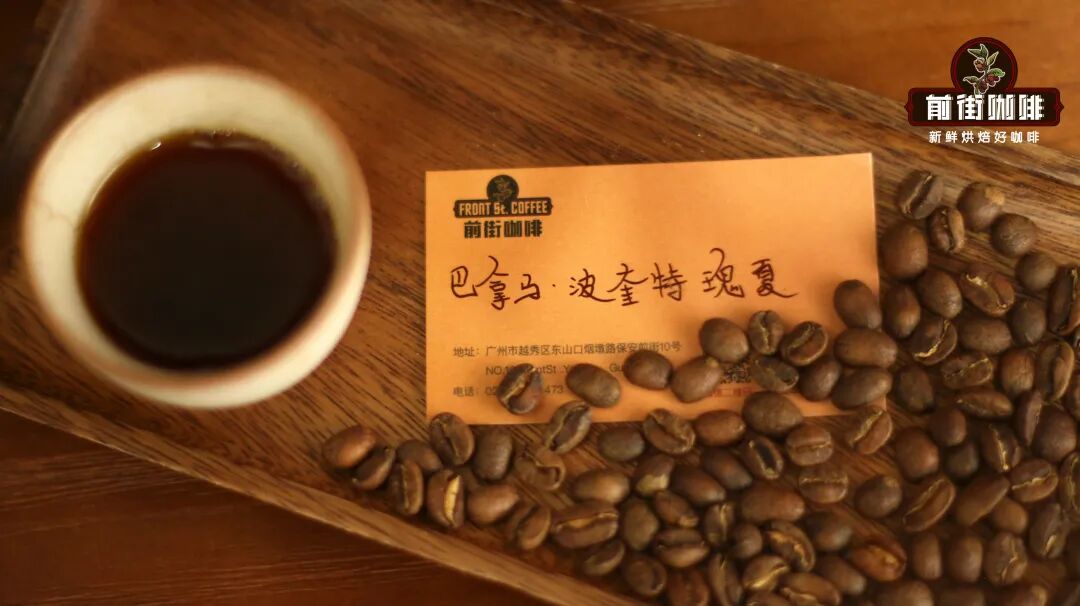
At Front Street Coffee, we carry many excellent coffee beans from the Boquete producing region, the most famous being Front Street Hacienda La Esmeralda·Red Label Geisha, Front Street Hacienda La Esmeralda·Green Label Geisha, and Front Street Hacienda La Esmeralda·Diamond Mountain. Aside from Hacienda La Esmeralda, there is also Elida Estate's Catuai. The excellence of these beans comes not only from the varieties but also from the outstanding environmental and climatic advantages of the producing region.
Panama has two main coffee-producing regions: one is Boquete(Boquete), and the other is Volcan(Volcan). Both producing regions are within Panama's Chiriquí Province(Chiriquí). In the language of the indigenous people who lived here in pre-Columbian times, "Chiriqui" means Valley of the Moon. Chiriquí Province is located in western Panama, bordered by the Pacific Ocean to the south, only a 3-hour drive from the Caribbean Sea, and bordering Costa Rica to the northwest.
Between the two producing regions, one volcano must be mentioned — a volcano with a name we are more familiar with: Baru Volcano.
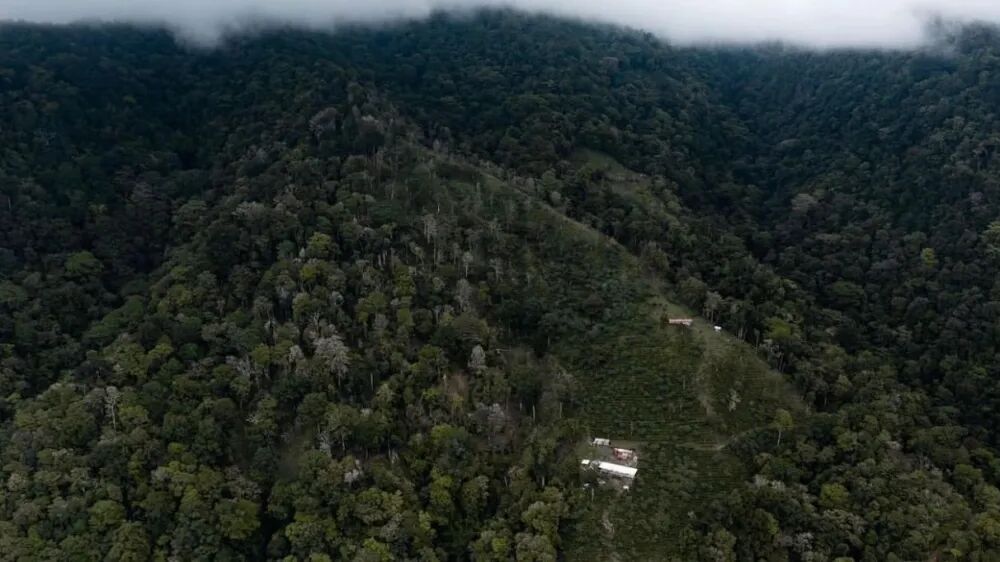
Baru Volcano Volcán Barú
Chiriquí Volcano(Volcán de Chiriqui), also known as Baru Volcano(Volcán Barú), is the highest mountain in Panama, with its main peak at 3,474 meters above sea level, making it Panama's highest peak. The volcano stretches approximately 35 kilometers along the border with Costa Rica.Due to the volcano's high altitude and Panama's slender shape, on a clear day one can see both the Pacific Ocean and the Caribbean Sea from the mountain.
Baru Volcano is a dormant volcano; the nearest potentially active volcano is located only within Chiriquí Province on the western side of the North American continental divide. The volcano is surrounded by fertile highlands, and many rivers originate from the mountains, primarily the Chiriquí River(Chiriquí)and the Caldera River(Caldera). Most settlements are concentrated on the western side of the volcano, but there are exceptions — such as the town of Boquete, with a population of about 19,000, which is on the eastern side of the volcano.
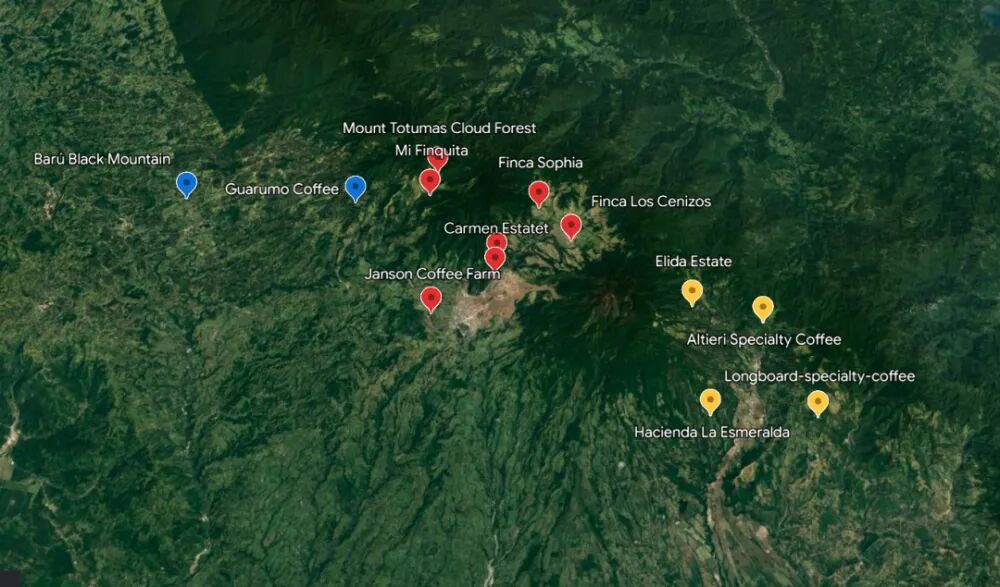
(Reference for the distribution of famous estates in Panama)
Baru Volcano is not only Panama's highest mountain range; early volcanic activity and eruptions created sedimentary materials that brought large amounts of fertile soil. These soils are rich in nutrients that provide excellent nourishment for coffee. Volcanic ash is rich in phosphorus and sulfur, and combined with unique climate patterns, this creates an environment suitable for growing premium coffee in the region. The dense forests and abundant species further contribute to biodiversity.
The area around Baru Volcano possesses a superior environment for growing coffee: appropriate rainfall, high altitude, and cloud cover for shade help coffee trees grow slowly and accumulate nutrients. Panama has distinct dry and rainy seasons, which facilitates sun-dried processing — this is the favorable timing. At the same time, Baru Volcano provides nutrient-rich volcanic soil, and the mountain area has numerous rivers with abundant water resources, which is conducive to washed processing — this is the favorable terrain. Such favorable timing and terrain provide the prerequisites for growing premium Panamanian coffee.
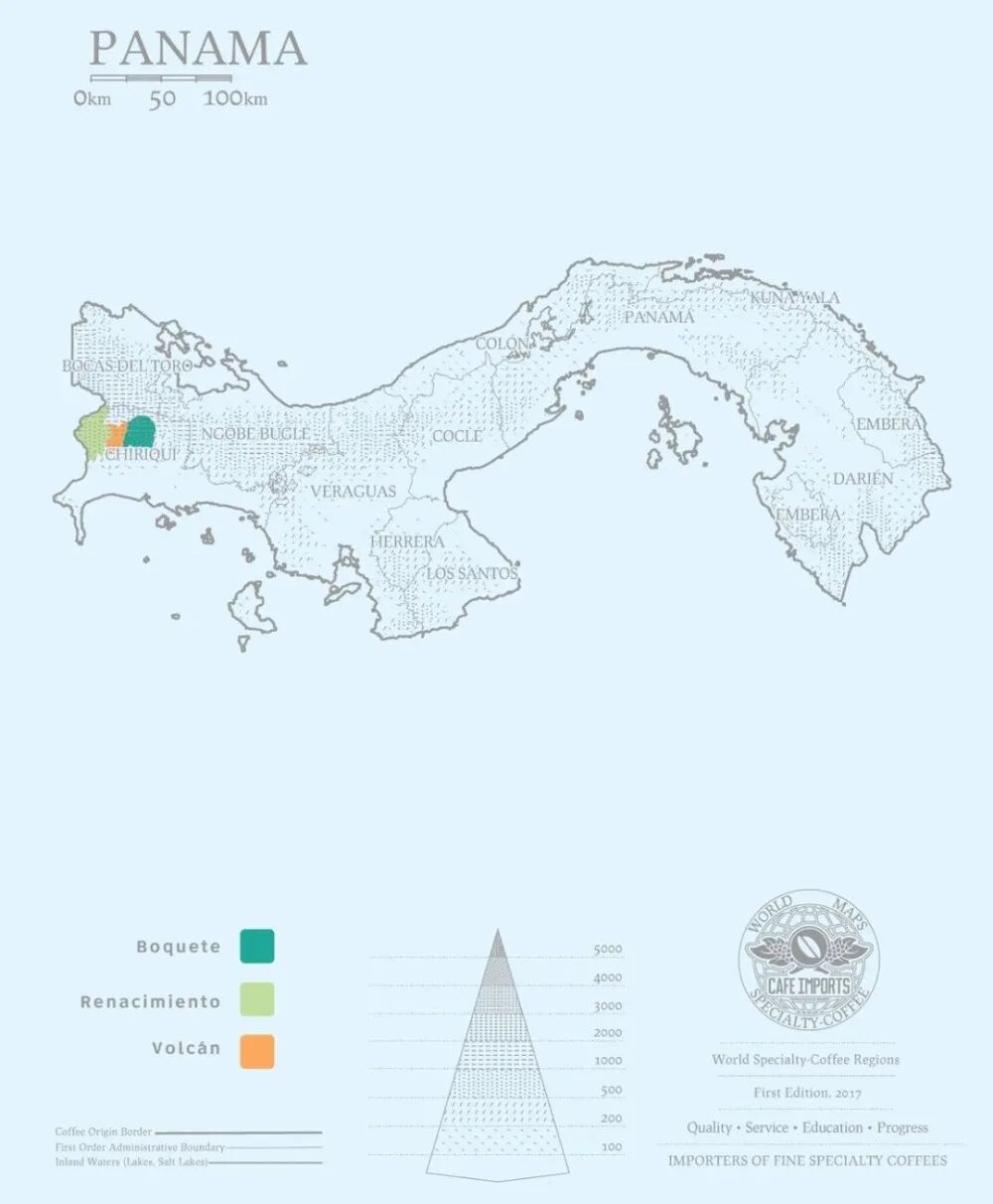
Boquete
Boquete is known to us as one of Panama's coffee-producing regions, located on the eastern side of Baru Volcano. Boquete has excellent growing conditions, with coffee planted at 1,200 to 2,000 meters, a minimum temperature of about 11°C and a maximum of about 27°C — neither frost nor excessive heat — while also featuring a large temperature difference between day and night.
In his book "The Coffee Bean Hunter," Mr. Hsu Pao-Lin describes Boquete as follows: "The mild climate, fertile young volcanic soil, appropriate rainfall, and varied microclimates have earned the mountainous area around Boquete the reputation of a 'coffee paradise.' The capital's hot, humid, and unbearable climate forms an extremely strong contrast with the producing region's Boquete — its forests, blue skies, clean air, and pleasant temperatures. The capital has a typical equatorial climate, while Boquete makes one feel as if they are in New Zealand or Switzerland in summer."
From the book's description, it is not hard to imagine what a delightful producing region Boquete is, and it is precisely such a refreshing place that grows high-quality coffee. Within the Boquete producing region, many excellent estates are also distributed, including the aforementioned Hacienda La Esmeralda, as well as Elida Estate and Kotowa Duncan Estate, all producing premium specialty coffee.
In addition to the estate coffees mentioned above, Front Street's bean list also includes a coffee from the Boquete producing region — 70% Geisha variety blended with Caturra and Catuai, making this coffee a highly cost-effective Geisha entry-level coffee in the minds of many consumers. This exceptionally high-value bean has a very beautiful name — Butterfly.
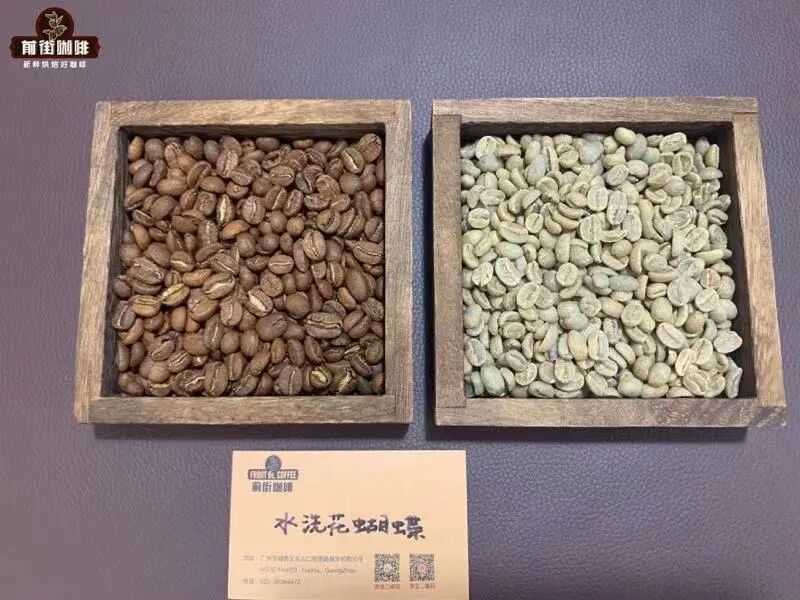
Front Street Coffee: Panama·Washed Butterfly Coffee Beans
Coffee producing region: Panama, Boquete
Altitude: 1,600 meters
Varieties: Geisha, Caturra, Catuai
Processing method: Washed
Butterfly coffee consists of 70% Geisha coffee variety, composed of GeishaGeisha, Caturra, and Catuai — three varieties. They are planted in the volcanic area of Baru Volcano at 1,600 meters altitude in Boquete. The processing plant uses meticulous washed processing. Panama's special microclimate results in abundant rainfall in this region, along with large temperature differences between day and night, plus the unique volcanic soil of the volcanic area, and careful harvesting and meticulous processing — all of which make this coffee perform exceptionally well in body, acidity, and floral aromas.
Another important factor is that the microclimate found in Panama's Boquete highlands is a unique and important resource for Boquete's specialty coffee. This is because Panama's east-to-west orientation causes cold air currents to converge above 6,500 feet along the central mountain range, thereby creating multiple microclimates in the Boquete area, making its temperature and rainfall highly suitable for plant growth. As a result, the coffee trees planted here grow very well.
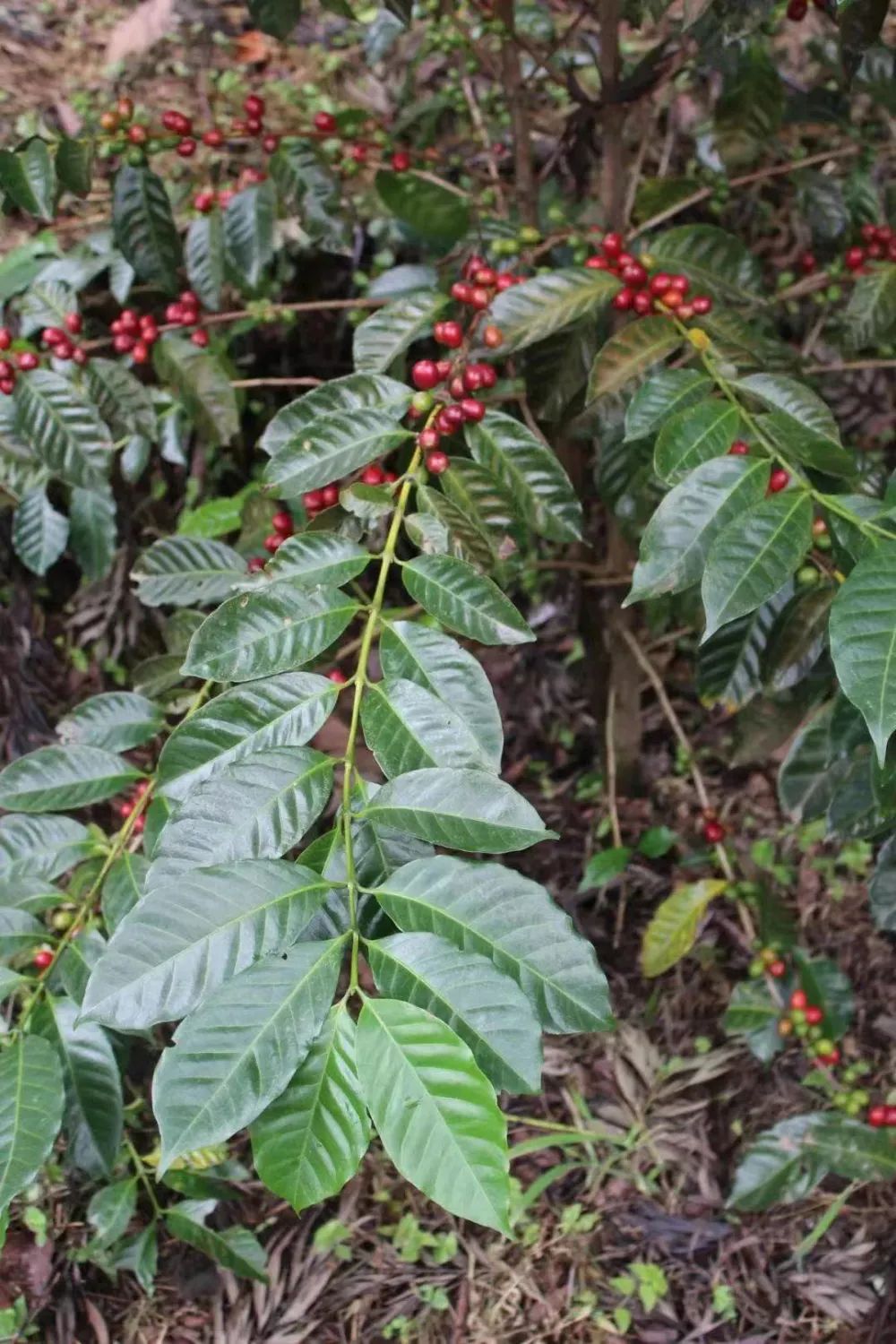
Introduction to Varieties Grown in Panama
Geisha
Geisha's distinguishing feature is its very obvious and clear floral and citrus-style flavors, extremely high cleanliness, soft and elegant acidity, lasting and silky sweetness, and a premium black tea mouthfeel. Floral aromas and intense tropical fruit sweetness, with unique floral and fruity notes. Since Front Street has always shared information about this, we won't go into detail here.
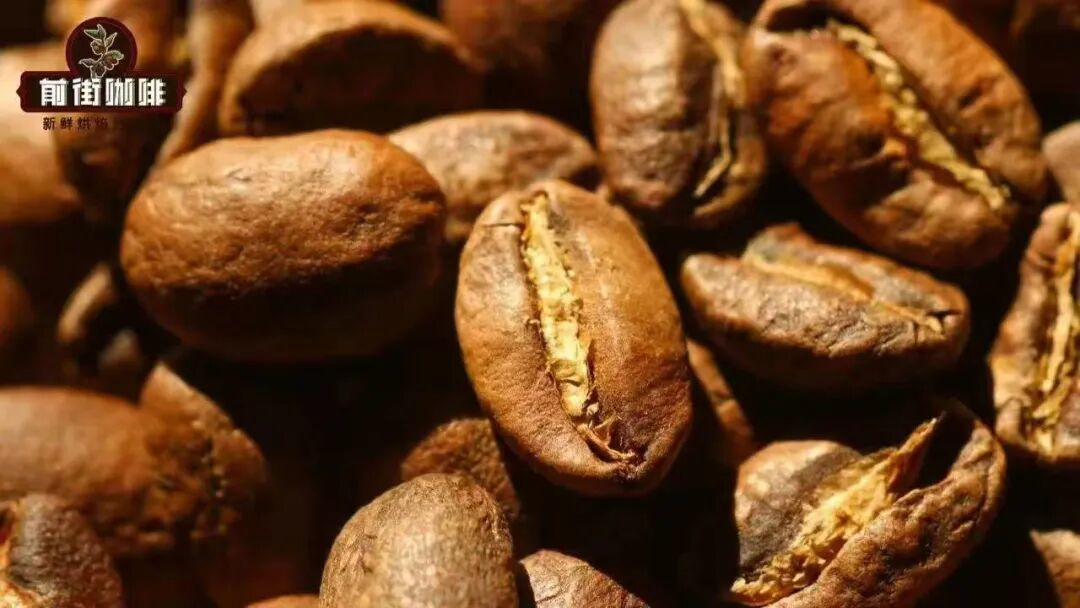
Typica
Typica is one of the oldest Arabica coffee varieties discovered to date, the other being Bourbon. The Arabica species originated in Ethiopia, and this variety still grows naturally in the local pristine rainforest highlands today. Typica beans are slender, the tree is tall, the fruit is oval-shaped, and the branches are slightly inclined. Typica branches are long and spreading, with an inclination angle of 50-70 degrees. Each tree's coffee yield is very low, but the cupping score is very high.
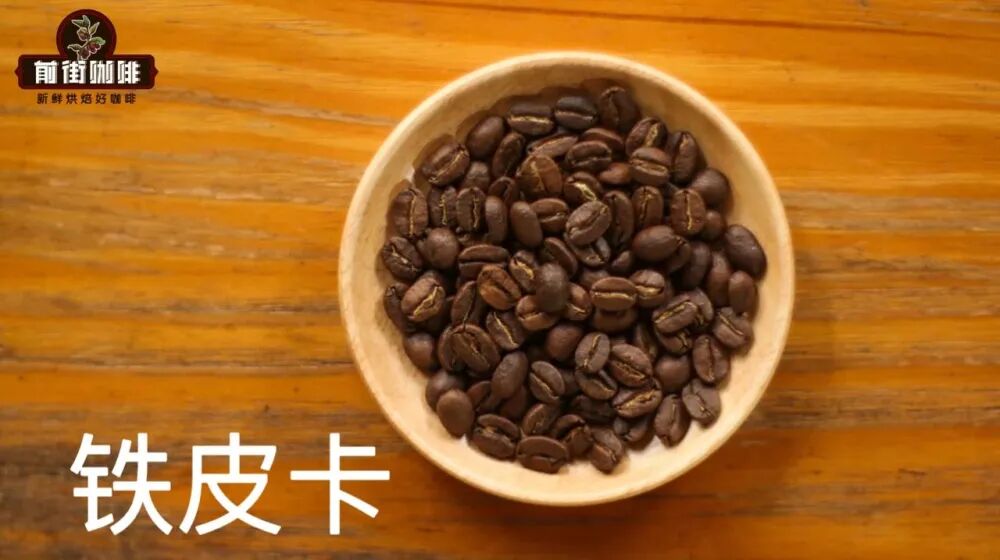
Caturra
Caturra is a mutation of the Bourbon variety, discovered in Brazil in the 20th century. Its productivity and disease resistance are both better than Bourbon, and the tree is shorter, making harvesting easier. It has strong adaptability and does not require shade trees — it can thrive even under direct sunlight, commonly known as Sun Coffee. Caturra is suitable for planting at low altitudes of 700 meters to high altitudes of 1,700 meters. It has strong altitude adaptability, but the higher the altitude, the better the flavor, and the productivity decreases accordingly. Caturra's characteristics are bright acidity and low to medium body. It has less clarity and sweetness than Bourbon, with a lemon or citrus acidity in the mouthfeel.
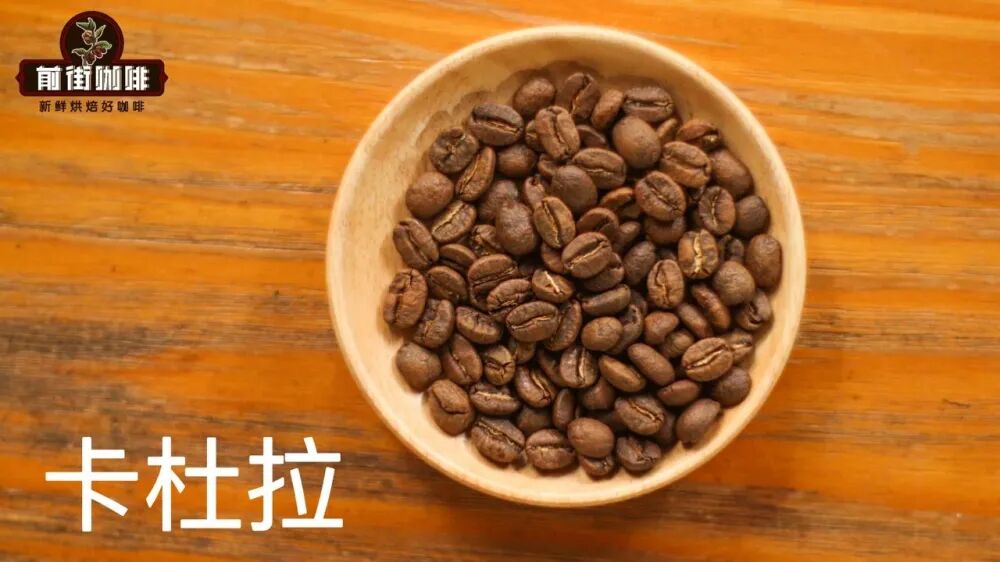
Catuai
Catuai is a hybrid of Mundo Novo and Caturra, with relatively good resistance to natural disasters, especially wind and rain. It inherits Caturra's advantage of a low tree height and corrects Mundo Novo's shortcomings. Another advantage is that its fruit is firmly attached and not easily shaken off by strong winds, compensating for Arabica beans' fragile nature. The beans from Elida Estate on Front Street's bean list are of the Catuai variety.
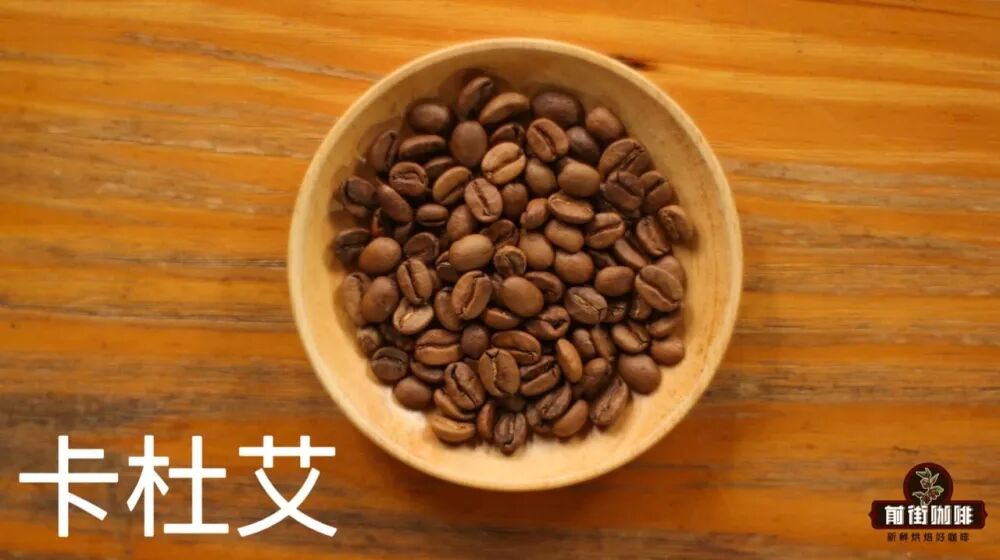
Front Street Coffee: Panama·Elida Estate Coffee Beans
Producing region: Boquete, Panama
Estate: Elida Estate
Altitude: 1,850 meters
Variety: Catuai
Processing method: Sun-dried
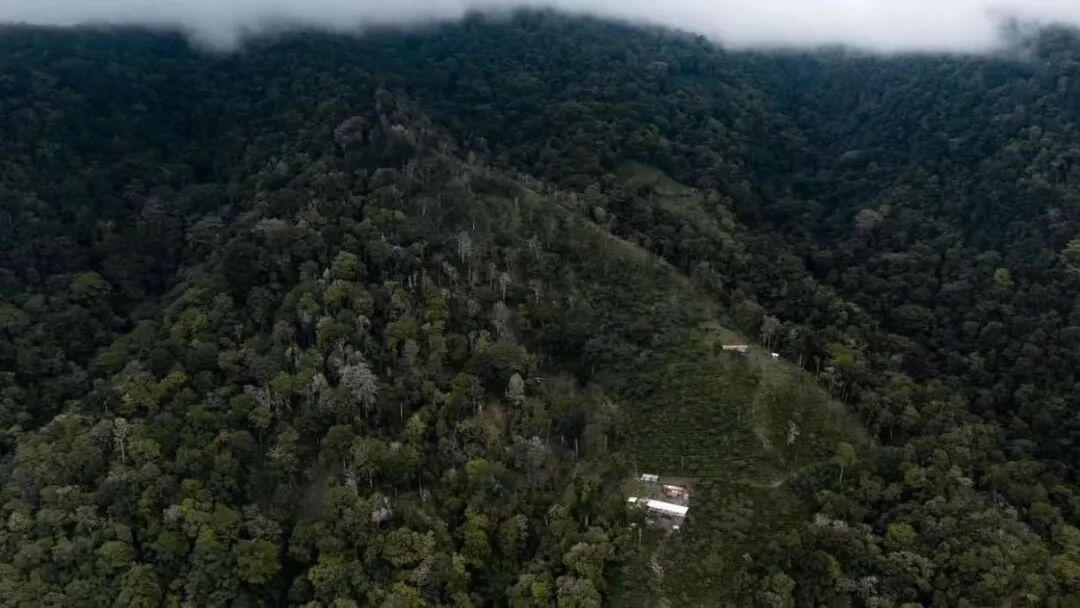
Elida(Elida)Estate is located in the Boquete(Boquete)producing region. The estate's altitude is almost the highest in all of Panama, and nearly half of its area is within a national protected park, making it a rare ultra-high-altitude estate in Central America! Elida Estate has a total area of 65 hectares, of which more than half is within Baru Volcano National Park. 30 hectares of the estate are planted with coffee trees, and the remaining 35 hectares are pristine forest. Coffee is planted at altitudes from 1,670 meters to 1,850 meters, making it one of the two highest coffee estates in Panama(the other estate with such an altitude should be Carmen Estate in the Volcan Valley).
Coffee Bean Processing Methods
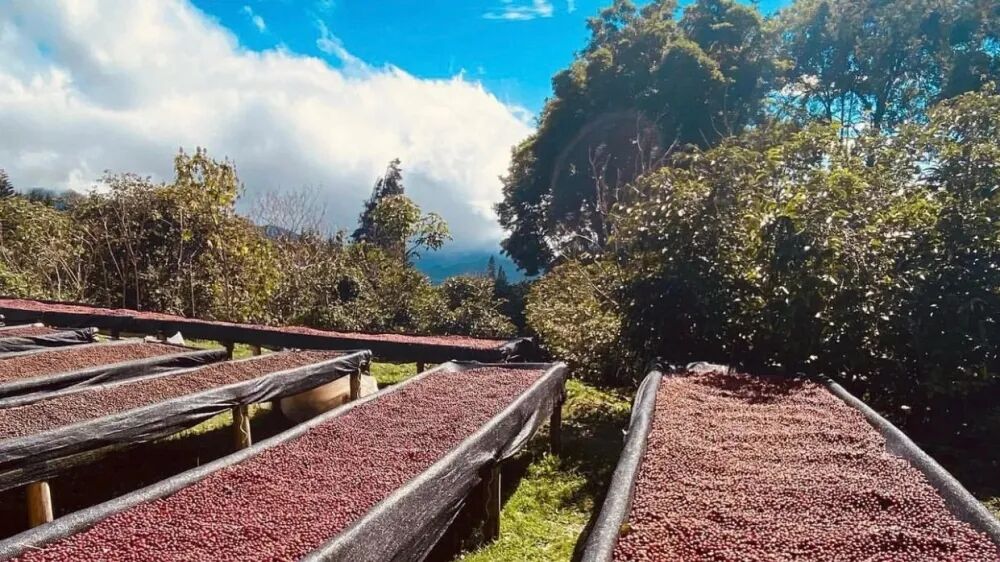
Sun-dried
Sun-dried processing involves spreading qualified coffee cherries directly on raised drying beds for drying. Sun-dried processing takes approximately 21 days. The coffee cherries are dried to about 12% moisture content. After completing the sun-drying process, the coffee cherries' skin, pulp, and parchment are removed using a huller, then packaged and stored. Front Street believes that sun-dried processing produces the most complex coffee flavors, generating more berry-like notes~
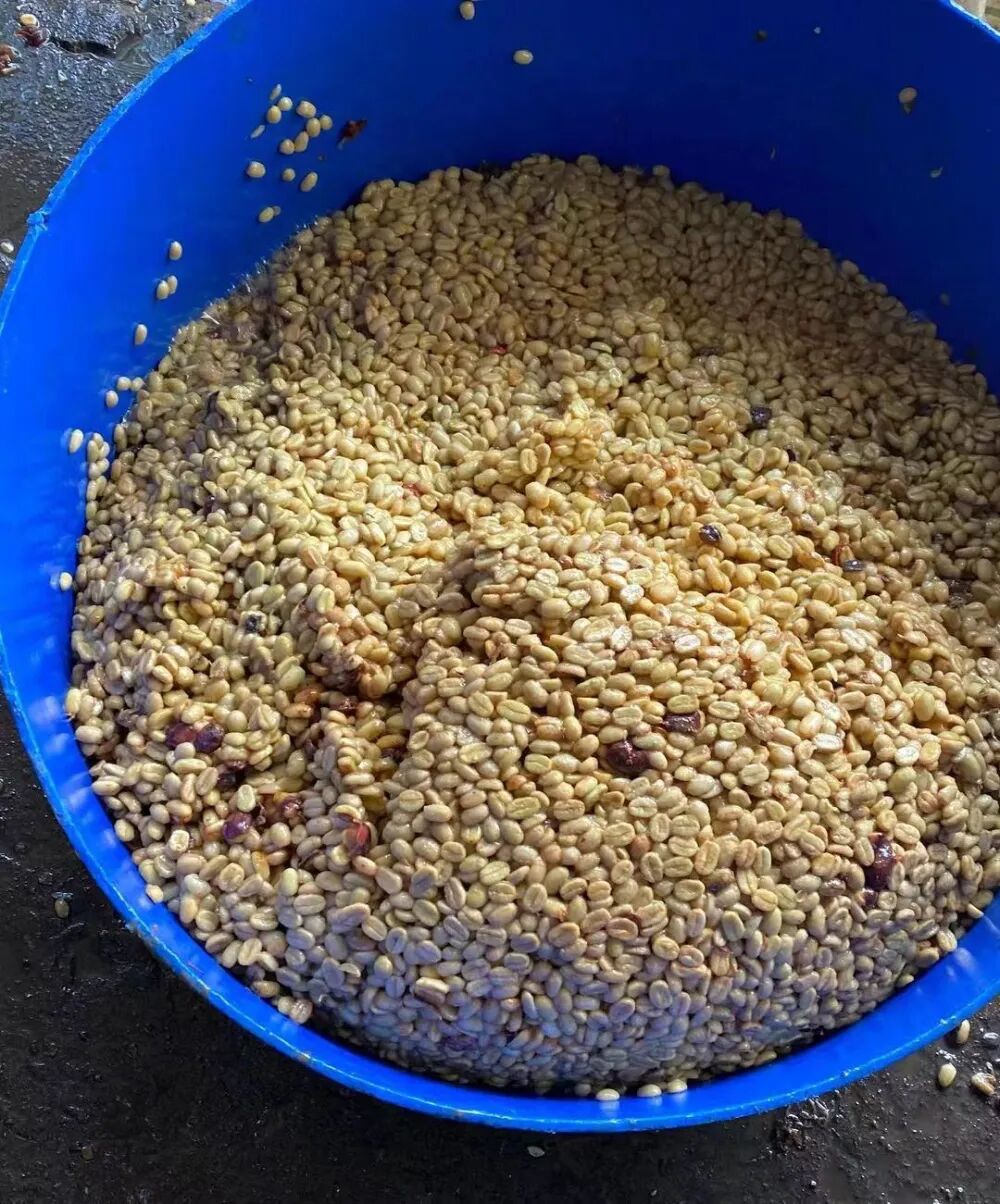
Washed
There are now many washed processing methods, but generally they all involve removing floating beans after the coffee cherries are harvested, then depulping, followed by soaking the coffee beans in fermentation tanks. Enzymes in the water soften the mucilage attached to the coffee beans' parchment, and natural yeasts break down the sugars in the mucilage. This process is called fermentation.After fermentation is complete, the coffee beans are moved to drying beds to dry. During the drying process, the coffee beans need to be constantly turned to ensure even drying. Finally, they are stored in parchment in warehouses, and hulled and bagged after a green bean buyer places an order. Coffee processed this way has a clean mouthfeel, emphasizing bright and lively fruit acidity, along with lifted fruit flavors and floral aromas.
Since most coffee produced in Panama is grown at high altitudes with excellent flavors, Front Street's roasters use a medium-light roast to allow the coffee flavors to be better showcased. Based on Front Street's brewing experience, harder coffee beans require higher water temperatures for brewing, with the aim of increasing the coffee's extraction rate. Using a V60 dripper can make both coffees' flavor layers more complex.
Dripper: V60 Water temperature: 91-92°C Dose: 15g Coffee-to-water ratio: 1:15 Grind size: fine sugar size (20号筛碗筛粉到80%)
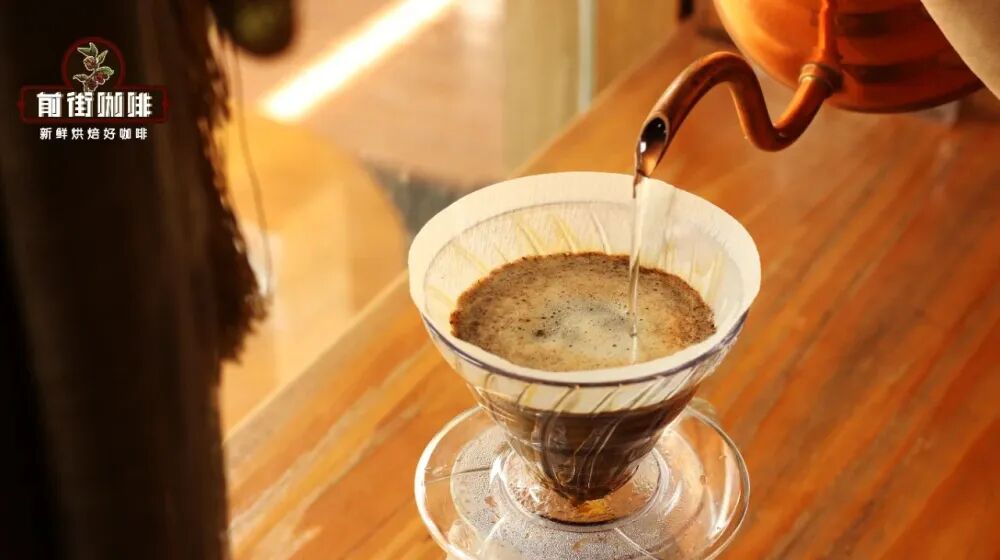
Three-stage extraction: For the first stage, use 30g of water for a 30-second bloom. For the second stage, pour 95g of hot water. When the coffee bed drops to halfway, begin pouring the third stage of 100g until all coffee has dripped through. Note to start pouring from the center point, using a gentle small stream in circular motions throughout to avoid uneven extraction.
The above content is compiled by CoffeeHunters, a coffee news website.

