








How does the Luckin handwashing rule relate to eating coffee beans?
Luckin issued a notice relaxing its handwashing frequency standard from once every hour to once every two hours, effective January 8. Under an eight-hour shift the old rule meant at least eight washes, and with cleaning duties the real count ran higher. The change follows last year's widespread attention to baristas' damaged hands and skin allergies.
High-frequency washing had caused skin problems for many frontline employees, and some resigned because of it, with complaints also surfacing on social platforms. Some staff say the adjustment is limited because actual handwashes during a shift remain frequent. The move signals that the chain is weighing food-safety requirements against employees' day-to-day experience.
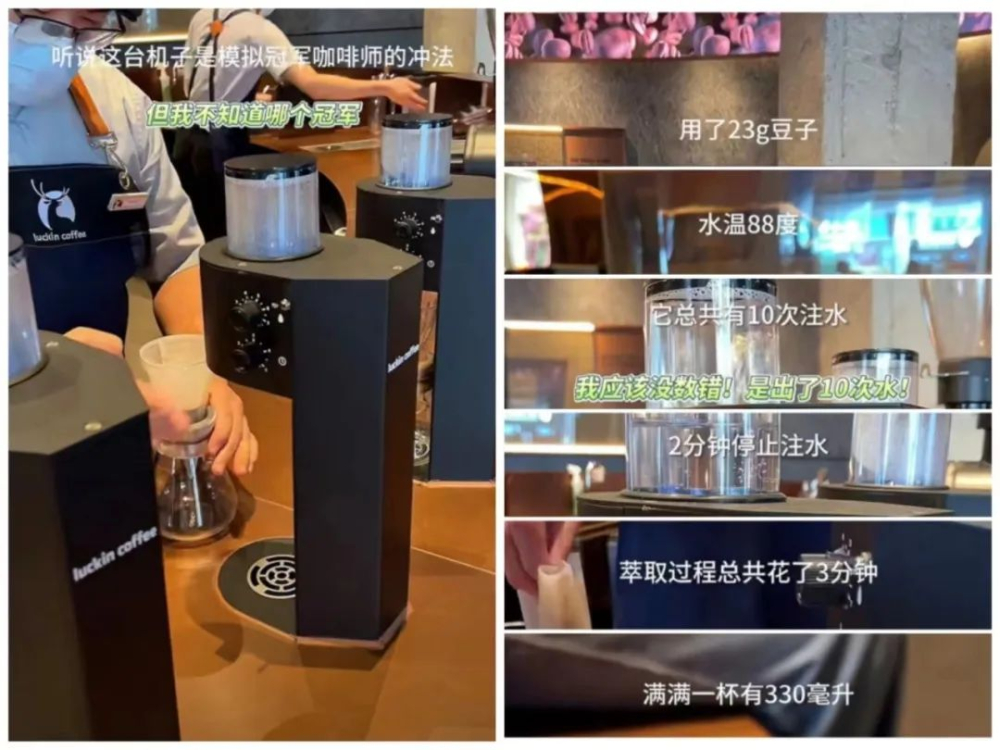
As its store count surpassed ten thousand, Luckin opened its first flagship store and introduced pour-over coffee for the first time, attempting to break its fixed image as a budget chain built on 9.9-yuan pricing. However, a netizen's real-life video showed that this cup of pour-over was made by a machine simulating a champion's brewing method, taking about 3 minutes in total, pouring water ten times at 88°C, and continuing without intervention when the bed clogged midway. The result was criticized as pale in color and weak in flavor, sparking the question: "Can something brewed by a machine even be called pour-over?" Supporters, meanwhile, felt the 20-yuan price was already acceptable, and that light-roast beans are naturally mild. Behind this controversy lies not only a microcosm of Luckin's tentative move toward specialty coffee, but also a debate over the boundary between "human" and "machine" in pour-over coffee.
▲
Click to follow | Daily specialty coffee culture magazine Coffee Workshop
For a long time, the impression Luckin Coffee left on the public, aside from its frequent co-branded collaborations, was its 9.9-yuan-a-cup pricing, which led many to classify it as a budget chain brand—less refined than Starbucks, but with a more approachable feel.
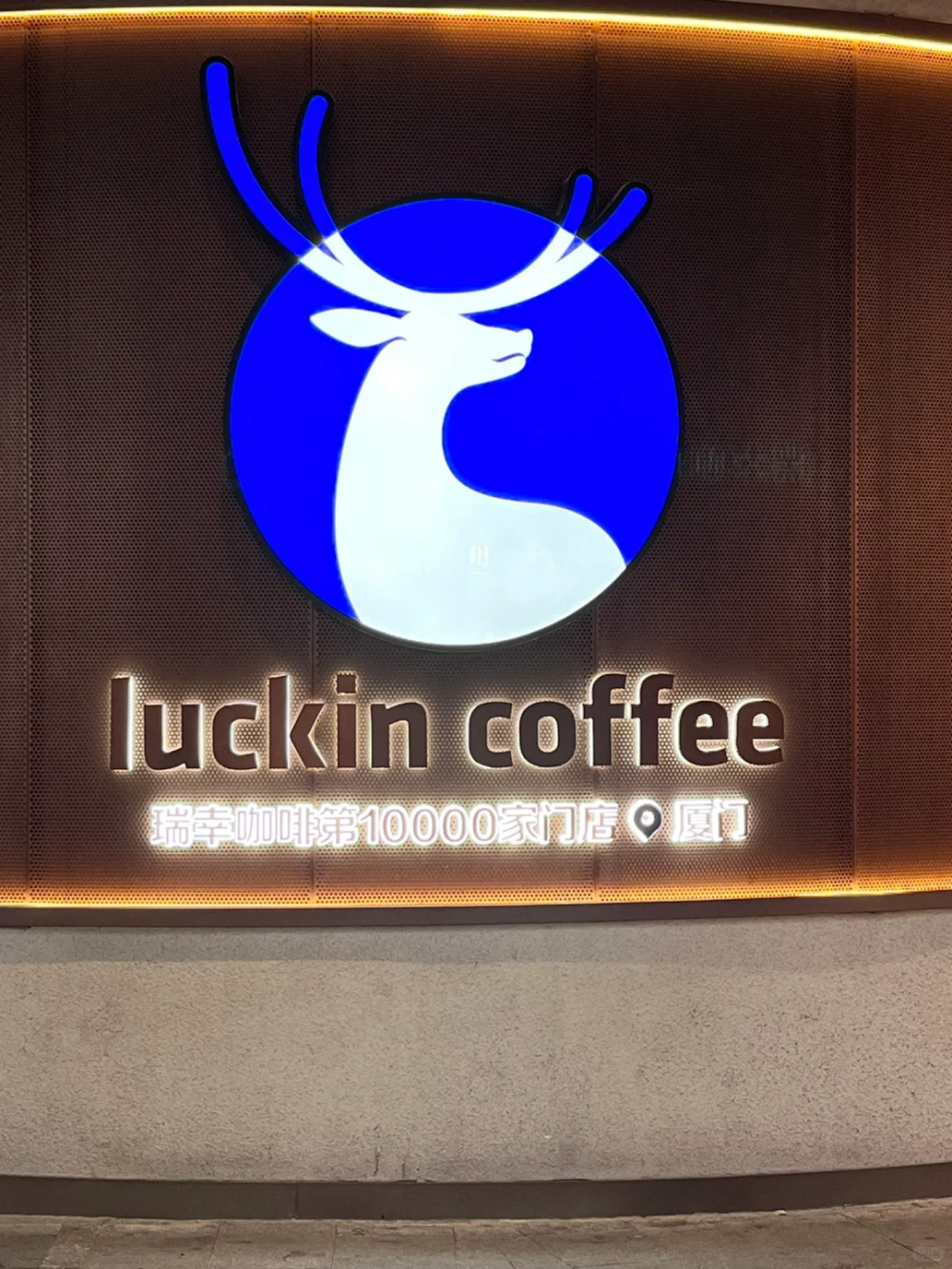
So when its store count crossed ten thousand, Luckin decided to make a change, upgrading its ten-thousandth store into its first flagship location. In addition to regular coffee drinks, this store also specially launched pour-over coffee, making it currently the only Luckin store where you can get pour-over, which naturally drew quite a few netizens to visit and try it.
Not long ago, a netizen filmed the entire pour-over-making process at Luckin and posted the video on social media. From the footage shared, this cup of pour-over differs quite a bit from the pour-over everyone knows. Normally, pour-over coffee involves a barista holding a kettle and slowly pouring water into the dripper, but this cup at Luckin was not made by a barista's own hands—it was handled by a machine that imitates a champion barista's brewing method.
The staff first weighed out 23 grams of coffee beans and ground them into powder, then poured the grounds into a pour-over kettle, placed the kettle beneath the machine's water outlet, and poured water ten times at 88°C. During the process, the coffee bed clogged, but the staff seemed not to notice, and the machine continued brewing according to its program. The entire extraction process lasted about 3 minutes, ultimately yielding 330 milliliters of coffee liquid.
After receiving the coffee and flavor card from the staff, the netizen felt that the color of Luckin's pour-over liquid looked rather pale, and that the flavor on the palate was not prominent enough and overall too mild. After asking the staff, the explanation given was that "the hot one will be a bit milder."
After watching this making process, many netizens said bluntly: this is clearly brewed by a machine—how can it be called pour-over coffee?
"All fancy tricks, you'd be better off just using a Clever Dripper," "Machine-Made Pour-Over Coffee," "flooded pour-over," and some even directly advised Luckin to "stop messing with pour-over" and "just focus on making your commercial coffee, wouldn't that be better?"
Some netizens, however, pointed out that light-roasted beans naturally brew a paler color, and besides, "what more do you want from a 20-yuan pour-over?" Some netizens who had tried it in-store themselves also found the coffee "pretty good," saying it "at least meets my basic needs."
The flavor of pour-over coffee has always varied from person to person, and it's hard to judge whether Luckin's pour-over is actually good based on netizens' individual descriptions. But looking at the brewing process, some netizens stressed that "the essence of pour-over is the person," and that coffee made by a machine in place of a human should not be called "pour-over coffee."
Additionally, some felt that Luckin's employees were not professional enough when making pour-over, failing to promptly resolve the coffee-bed clogging and appearing somewhat perfunctory when answering customers' questions.
As for Luckin's desire to take the specialty coffee path, netizens are not unable to understand it; they just hope the brand can put more effort into its output, so that consumers who pay for pour-over truly feel it is worth the money.
Image source: Xiaohongshu
Disclaimer: Some images in this article are from the internet, and some content on the website such as images—we respect the original copyright and will cite the source. However, due to the large volume, there may be individual images or texts that we have not yet been able to credit in time; please forgive us. If the original author has any dispute, they may contact the website to handle it, and once verified we will correct it immediately. Compiled and edited by "Coffee Workshop"; please indicate the source when reposting. If there is any infringement, please inform us for deletion. Thank you~!
The above content is compiled by CoffeeHunters, a coffee news website.


