





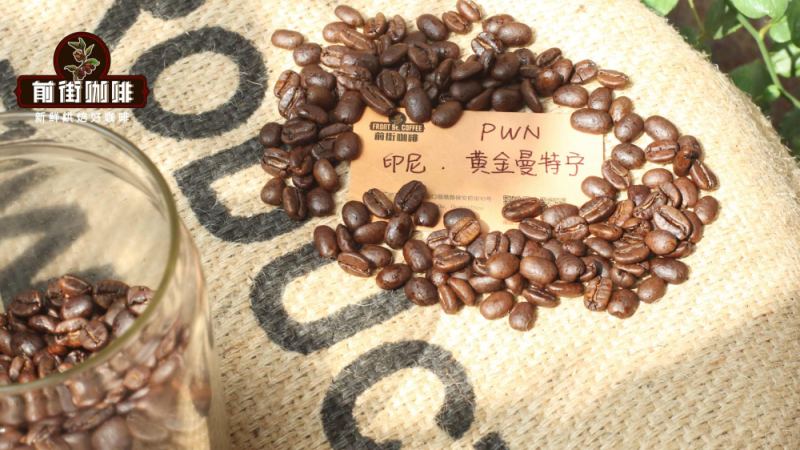
Why Is Coffee Processing So Hard in Sumatra?
Sumatra's equatorial climate, with humidity of 70 to 90 percent and about 2,000 mm of annual rainfall, roughly doubles the drying time for washed coffee. That makes coffee processing the central challenge for Golden Mandheling: cherries left too long risk over-fermentation or mold, which directly shapes the cup's flavor.
The island's volcanic ash soil keeps coffee trees vigorous, but the damp conditions mean producers must dry cherries quickly and carefully. For brewing, Front Street Coffee shares parameters covering water temperature, coffee-to-water ratio, and pouring technique so that a dark-roasted Mandheling shows its chocolate, cream, and caramel notes without turning bitter.
Sumatra Golden Mandheling is renowned for its rich, full-bodied mouthfeel and unique herbal spice aroma, making it a favorite among coffee lovers who prefer bold flavors. However, the high-temperature, high-humidity environment of Sumatra poses significant challenges to coffee processing—washing and drying times double, and any slight misstep can lead to over-fermentation or mold. This article will start from the terroir of the producing region, analyze the difficulties of washed processing for Golden Mandheling, and share Front Street Coffee's complete brewing method—from water temperature and coffee-to-water ratio to pouring technique—to help you avoid the pitfalls of dark-roasted beans turning bitter, and brew a cup of Mandheling with chocolate, cream, and caramel notes that is sweet and smooth.
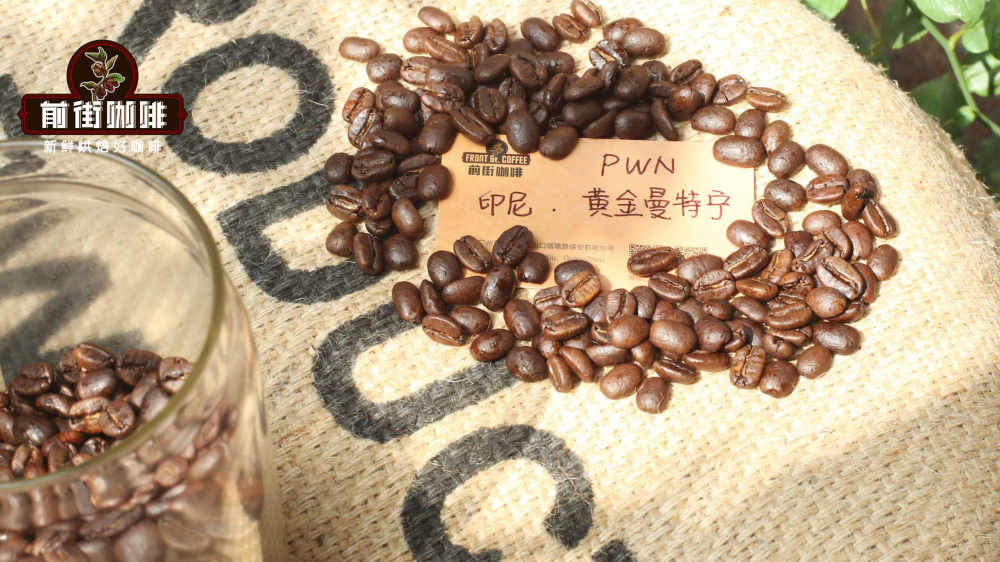
Front Street Golden Mandheling Brewing Data Sharing
Mandheling: Mandheling comes from Sumatra, Indonesia, in Asia, and is also called "Sumatra coffee." Its flavor profile is primarily rich, with a slight herbal medicine taste and a touch of sweetness. It is generally medium-to-dark roasted, with a relatively solid, full-bodied mouthfeel. If you don't like single-origin coffees that are too acidic and you prefer bold flavors, Mandheling is a good choice.
Sumatra coffee is captivating for its alluring cedar and herbal notes and its unique spice flavors. But do you know the actual growing environment of this coffee, which is unique on the coffee map? Sumatra Island lies on the equator, and most of the island is covered by tropical rainforest, with year-round humidity of 70%–90% and annual rainfall of 2,000 millimeters. Although volcanic ash soil can make coffee trees grow vigorously, this humid climate makes coffee cherries extremely prone to mold and decay.
Due to the high humidity year-round, with normal washed processing methods, the drying time is twice as long as with normal processing methods. If coffee beans are not dried in time within a short period, they easily over-ferment or develop mold. Every change affects the flavor of the coffee. Therefore, how to process coffee cherries and preserve coffee beans has become the biggest challenge for coffee produced in Sumatra.
For most people, pour-over brewing of dark-roasted Mandheling is more or less a challenge, and one careless move means tasting bitter results yourself. Dark-roasted beans are indeed difficult. Front Street believes that first, you should lower the water temperature to about 85°C, because high water temperature releases more bitter compounds. Grind slightly finer, and choose a coffee-to-water ratio of 1:10. Don't worry that a stronger brew will be more bitter.
Our usual way of thinking is that when something is bitter, many people dilute it with water, increasing the coffee-to-water ratio to weaken its bitterness. But have you noticed that the degree of bitterness does not decrease just because you add more water? It's like stir-fried bitter melon with eggs—you'll find the bitter melon's flavor stands out even more—while if you put the same bitter melon into braised pork, you won't taste its bitterness as easily. We lower the coffee-to-water ratio to increase Mandheling's body and highlight its sweetness, thereby weakening the proportion of bitterness in the taste. Otherwise, we might end up with a cup of coffee that is both weak and bitter.
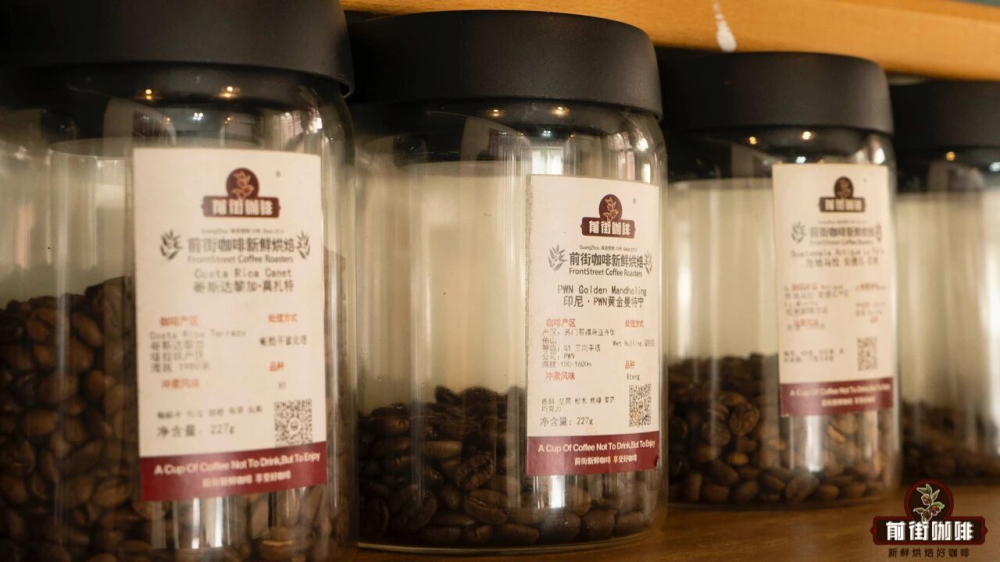
The intensity and wild character of Front Street PWN Golden Mandheling are its charm, but it also needs restraint to avoid being too flamboyant. Therefore, when brewing, the pouring must be as gentle as possible, and throughout the process you must pay attention to balance, gentleness, gentleness, and more gentleness.
Parameters: KONO dripper; dose: 16 g; grind size: medium grind (75% passing a Chinese standard No. 20 sieve); water temperature: 88°C; coffee-to-water ratio: 1:14
Technique: Bloom with 30 g of water for 30 seconds, then pour in a small stream in circles until 110 g and stop. Wait for the water level to drop by half, then continue pouring in circles until the scale shows 225 g and stop pouring. When the water level is about to expose the coffee bed, remove the dripper. Extraction time (starting from the beginning of the bloom): 2 minutes.
Flavor: The entry is chocolate, cream, and caramel flavors, with honey aroma. The mouthfeel is on the thinner side, and overall it feels relatively sweet and clean.
The above content is compiled by CoffeeHunters, a coffee news website.


