







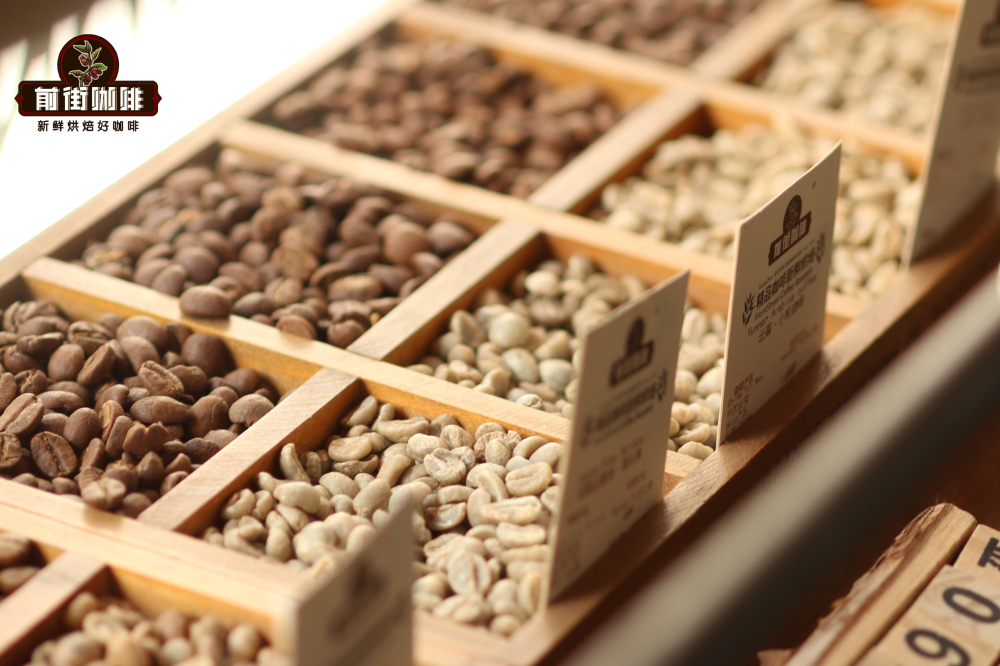
Compared to the rich acidity of Central and South American coffees, most Asian coffees carry flavors of wood, herbs, and spices, with a deep, low-key character that far outweighs the bright, uplifting fruit acidity, among whichIndonesian Mandheling coffeeis the most representative.
Mandheling coffee's origin
The "Country of a Thousand Islands"—Indonesia—is a coffee-producing country with a long history. Coffee cultivation began here in 1696, and after 300 years of development, coffee is still grown by smallholder farmers, primarily using organic farming methods, with manual picking and sorting of coffee beans to ensure quality. Coffee is grown across various islands in Indonesia, and the flavors vary due to different geographical environments. The elegant Arabica is mainly found in northern Sumatra, Sulawesi, and the higher altitudes of Java. Although it accounts for only about 10% of Indonesia's coffee production, the excellent reputation ofMandheling,Golden Mandheling, Sulawesi coffee, and aged Mandheling has kept Indonesian coffee famous in the specialty coffee world for decades.
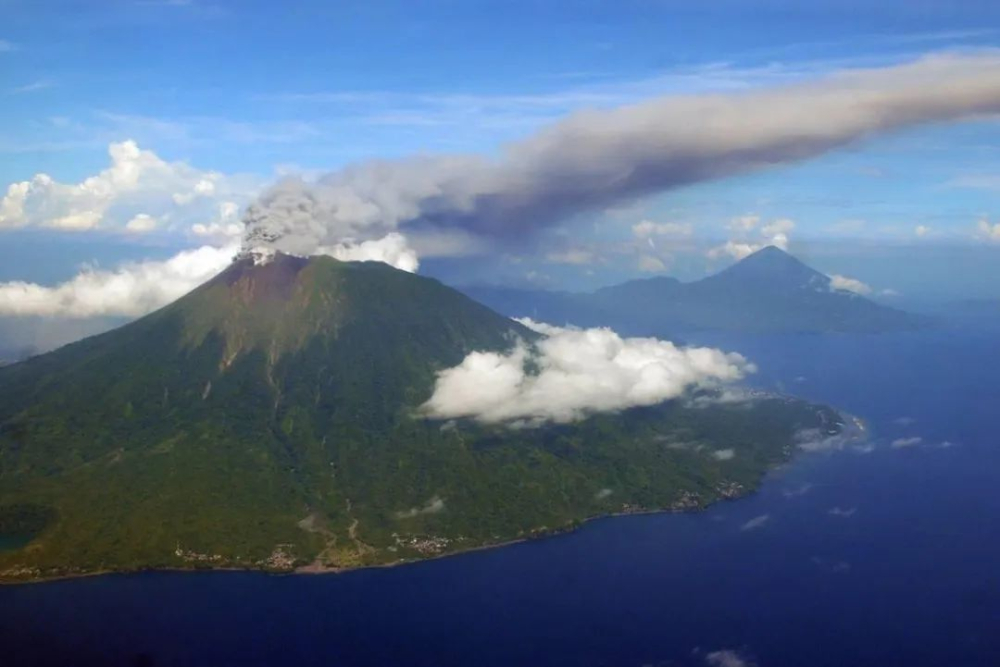
Indonesian coffee originated on the island of Java, but coffee is now mainly spread across other islands. Sumatra, Bali, and Sulawesi, which we often hear about, are all important local coffee-producing regions. Sumatran coffee can be called a legend in the coffee world, as it is one of the earliest large-scale coffee-growing regions in the world, with the vast majority coming from the northern province of Aceh and the province of North Sumatra (abbreviated as North Sumatra) to the south of Aceh. The two main producing areas surround the local famous volcanic lakes, Lake Toba and Lake Tawar, traditionally known as the Lintong producing area and the Aceh producing area. Volcanoes have brought fertile soil to Sumatra, and the coffee here typically carries creamy, chocolate, and earthy aromas, which were discovered by the Japanese many years ago.
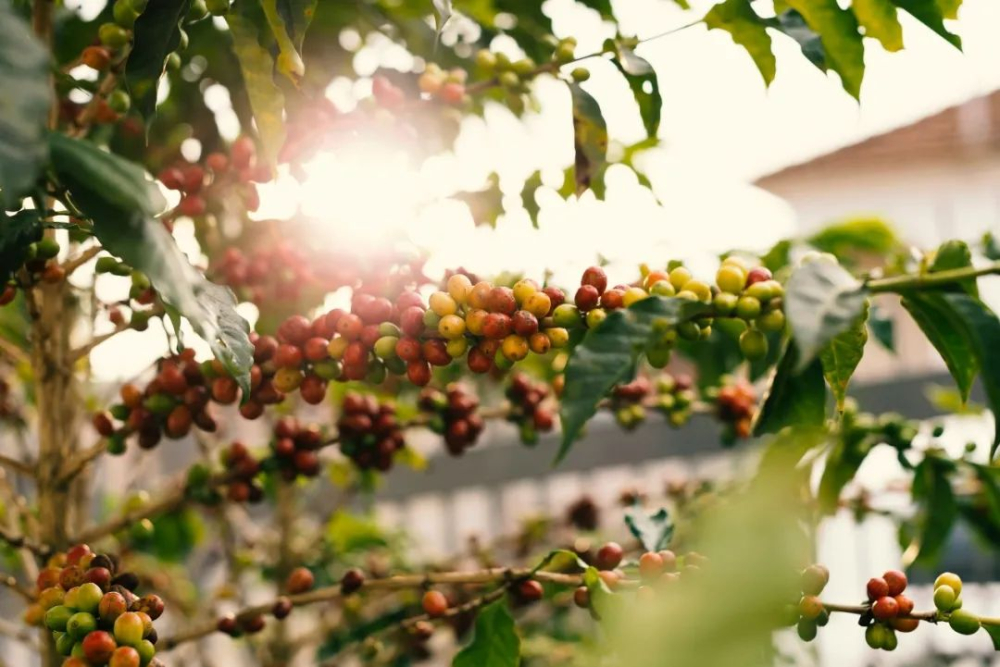
It is said that during World War II, when Japan occupied Indonesia, a Japanese soldier drank an exceptionally rich and aromatic cup of coffee at a café. He then asked the owner, but the owner mistakenly thought he was asking where he was from, so he replied: "Mandailing." After the war, the Japanese soldier recalled the "Mandheling" he had drunk in Indonesia, so he asked the locals to ship 15 tons to Japan, and it unexpectedly became very popular. Thus the name Mandheling spread.
The reasons behind Indonesian coffee's unique flavor
Sumatra is located on the equator and has a typical island tropical rainforest climate, with frequent rain and humidity year-round, frequent typhoons, and scarce freshwater resources. The locals cannot process large batches of coffee beans using the traditional washed method, nor can they dry them through long periods of sun exposure. So local coffee farmers, in order to adapt to such extreme conditions, developed a shorter processing method—wet hulling. The so-called wet hulling is "forcibly" removing the parchment layer wrapped around the green beans before it has completely dried, so the green beans complete their final drying in an "exposed" state.
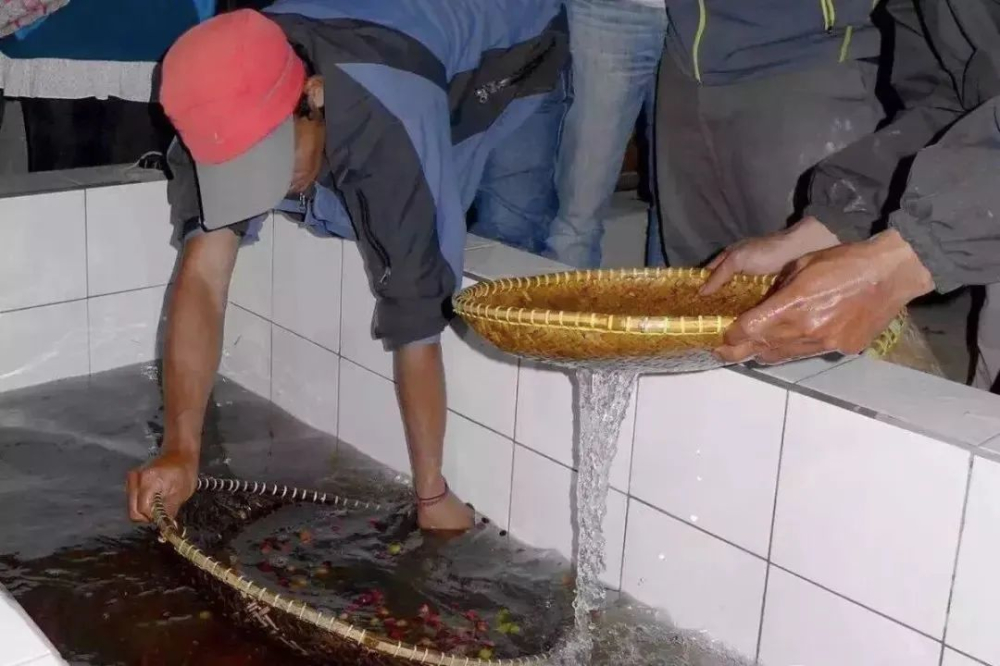
Wet hulling begins to differ from the traditional washed method starting at fermentation. Wet hulling uses less water for fermentation and has a shorter fermentation time. After this brief fermentation, a small amount of mucilage still remains on the bean husk. When the green beans reach a moisture content of 35/40% after their first drying, the coffee farmers sell the beans to collectors. The collectors directly hull the semi-dry parchment beans they purchase, removing the mucilage and husk to obtain green beans. Although the time for each step is greatly shortened, the "naked beans" still absorb moisture from the hot and humid air, so the resulting Mandheling coffee has more of a stuffy, deep aroma of wood, herbs, and spices. The twoMandheling coffeeson Front Street's bean list are both processed using the wet hulling method, and after roasting they present rich chocolate, brown sugar, and nut flavors, with a herbal note in the aftertaste.
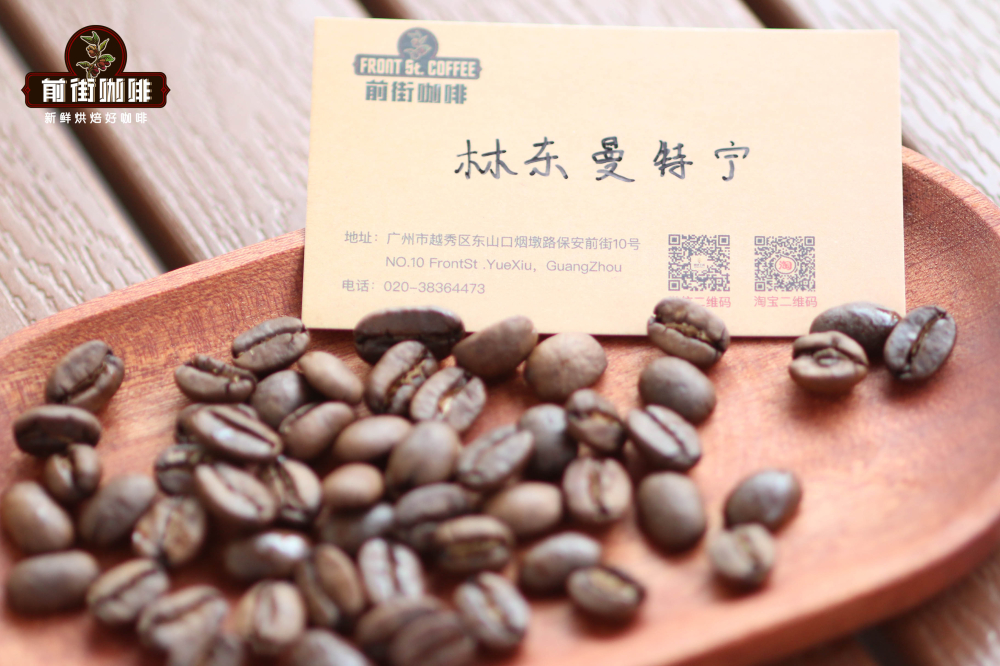
Indonesian green coffee bean grading
Wet hulling has brought Indonesian coffee its unique flavor profile, but the rough processing method also leads to a higher defect rate in coffee beans. To reach Indonesia's export grade, the beans must be sorted to remove irregular beans.
Indonesian green bean grading is divided according to the number of defective beans and size. Indonesia's general quality requirements are: no live insects, no moldy, rotten, or foul-smelling beans, a maximum moisture content of 12.5%, and an impurity rate of less than 0.5%. Graded by defect rate (based on 300g), the Grade standards are mainly divided into 6 levels, namely G1–G6. PWN, a company that takes the sorting process to the extreme, subjects G1-grade Mandheling to strictly 1 machine sorting plus 3 manual sortings, ensuring the complete removal of defective beans and greatly reducing the defect rate. In addition, before packaging, PWN also places the green beans in a machine for density and color sorting, making Golden Mandheling coffee uniform and translucent.
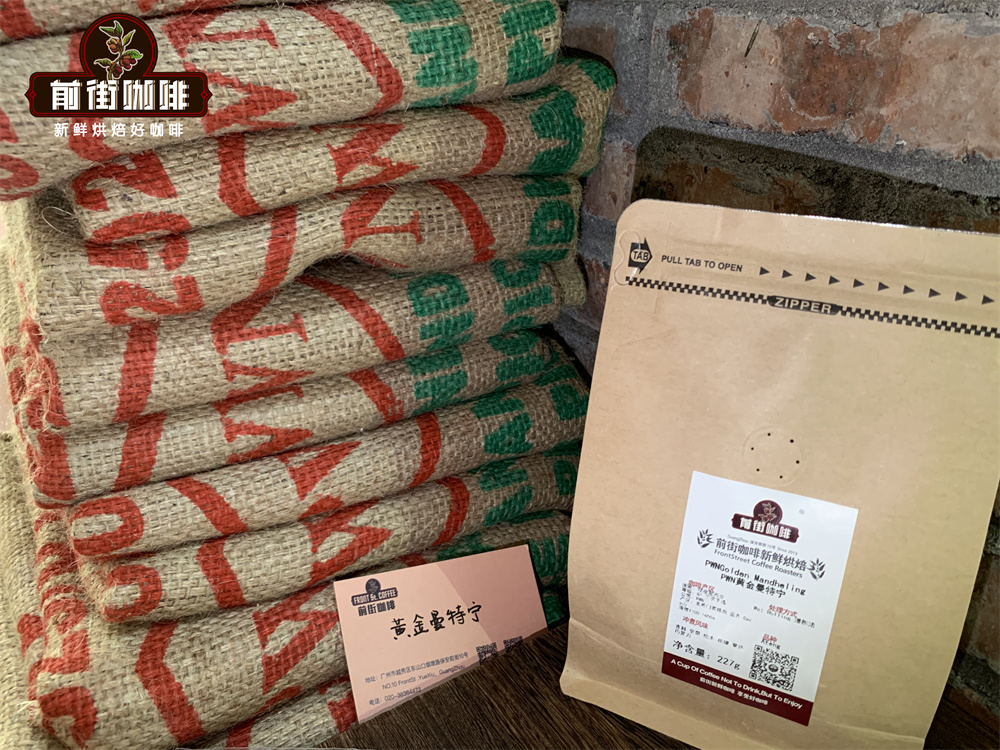
After Front Street obtained high-quality Golden Mandheling coffee, it couldn't wait to taste this coffee through cupping after roasting. On the palate it has extremely high cleanliness, with all kinds of aromas clear and transparent, obvious sweetness, and a full, solid body.
Brewing recommendations:
Brewing water temperature: 87–88°C
Coffee grounds: 15g
Coffee-to-water ratio 1:15
Dripper: KONO dripper
Grind size: medium-coarse grind (70% passing rate on China standard No. 20 sieve)
The brewing method uses a three-stage pouring approach. Dividing the pours into three stages better expresses the full-bodied mouthfeel and caramel sweetness of Golden Mandheling coffee.
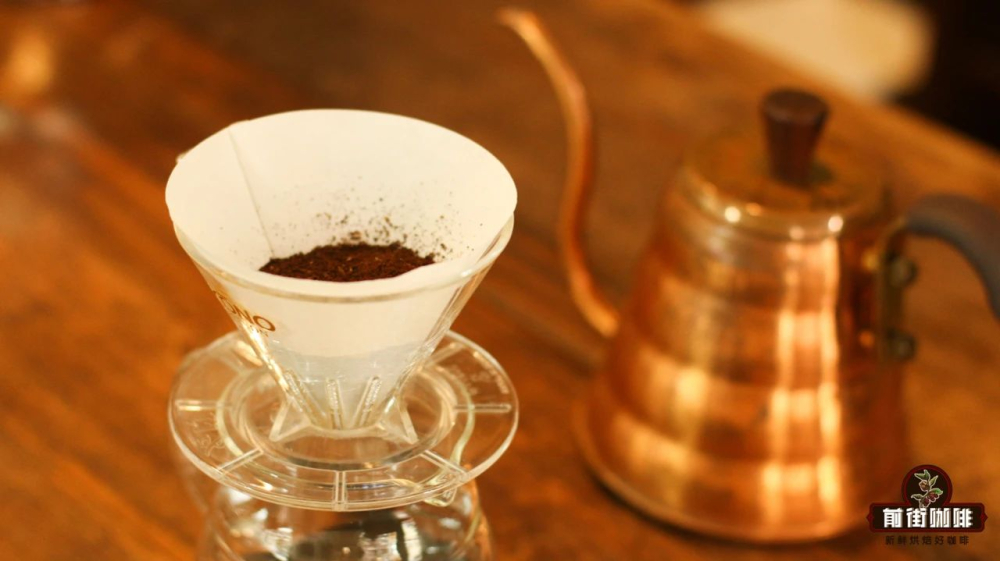
In the first stage, pour 30ml for blooming. This pour fully wets the coffee grounds and allows them to degas, so that the coffee's flavor compounds can be better extracted afterward.
In the second stage, pour 100ml. This stage mainly washes out the golden foam of the Mandheling and raises the coffee bed.
In the final stage, gently pour 95ml in the center, which can enhance the coffee's sweetness.
Is Mandheling coffee suitable for making espresso?
First, Front Street needs to emphasize one point: Mandheling coffee is a single-origin coffee with a distinctive flavor and can be extracted by various methods. Espresso refers to concentrated coffee extracted in a short time using a semi-automatic or fully automatic espresso machine with finely ground coffee and an appropriate dose, under high temperature and high pressure.
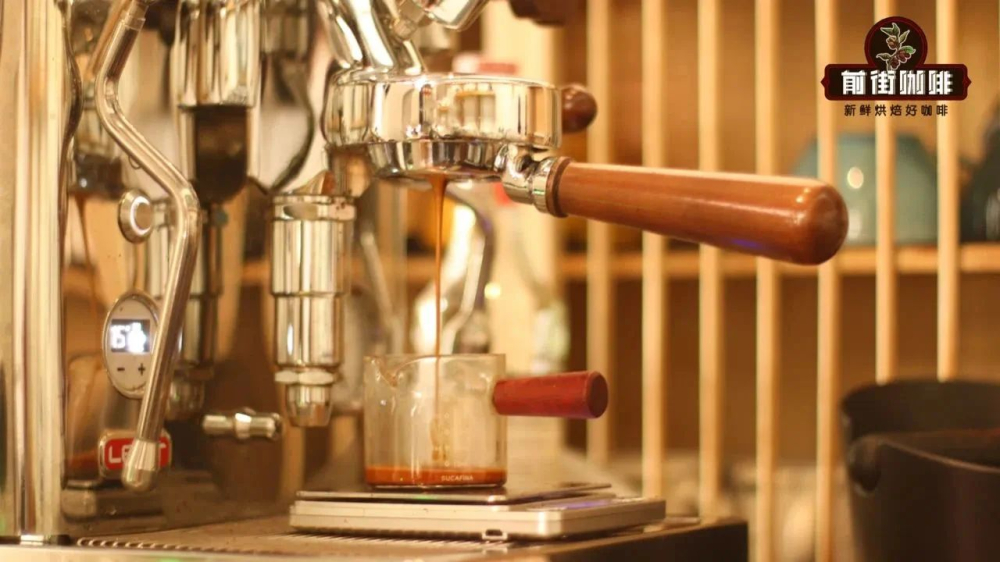
Although single-origin coffee can express a rich mouthfeel in pour-over, it is not so easy to handle in espresso extraction. Because espresso magnifies various flavors, even a slight adjustment of parameters will affect the coffee's flavor. For example, the bright, moderate acidity in pour-over coffee easily becomes sharply sour in espresso, and the full-bodied mouthfeel of pour-over coffee easily turns bitter in espresso. Therefore, given the different extraction methods, Front Street recommends choosing corresponding coffee beans for preparation, to avoid producing too many negative flavors and causing waste. For pour-over, buy pour-over single-origin beans; for espresso, use espresso-roast blends or SOE coffee beans.
Professional coffee knowledge exchange More coffee bean information Please follow Coffee Workshop (WeChat official accountcafe_style )
For more specialty coffee beans, please add the private WeChat of Front Street Coffee (FrontStreet Coffee), WeChat ID:qjcoffeex
The above content is compiled by CoffeeHunters, a coffee news website.

