







For more information on coffee origins and coffee knowledge, please followCoffeeHuntersToutiao account
People who frequent coffee shops should be familiar with the name Yirgacheffe. Some will say it's a province, some will say it's a producing region, and some think it's a type of bean.
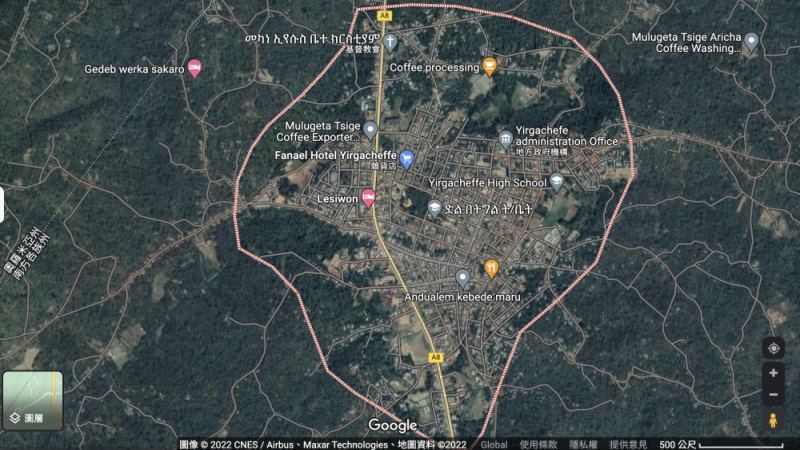
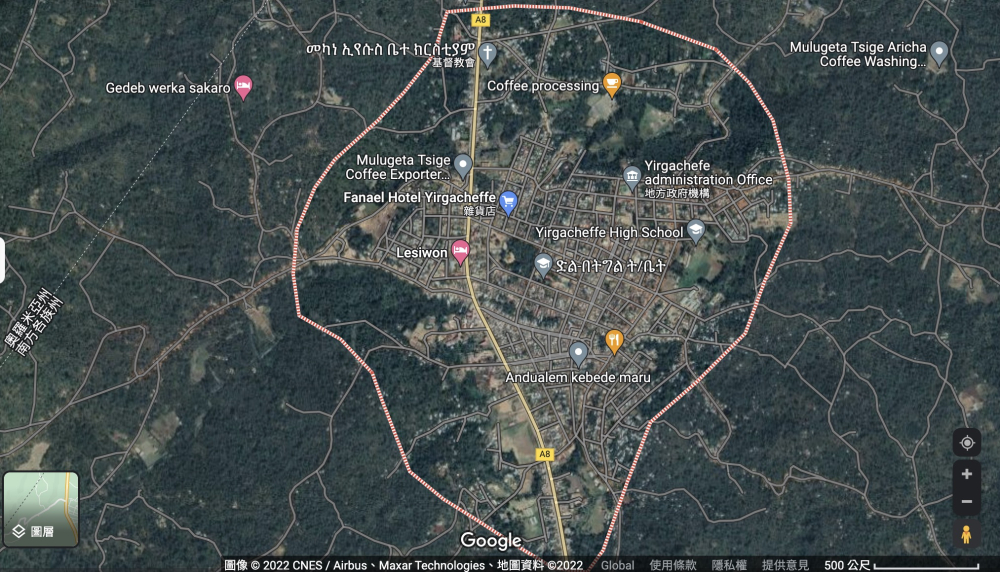
Actually, Yirgacheffe(YIRGACHEFFE)is a small town in Ethiopia, sometimes also translated as "Yirgachefe," and any coffee beans produced in this town are called Yirgacheffe coffee beans. In this article, Front Street Coffee will chat with you about just how charming the coffee beans from this producing region really are!
Where is Yirgacheffe?
Originally, Yirgacheffe was a small town in the Sidamo province of Ethiopia, but in 1995, when Ethiopia redrew its administrative boundaries, Sidamo was no longer an administrative region, and Yirgacheffe was classified under the Gedeo Zone (GEDEO).
Later, coffee traders discovered that the coffee beans produced in the Yirgacheffe area had a very distinctive white floral aroma along with lemon and citrus notes, and were extremely popular with consumers~ So many people would specially select coffee beans from the Yirgacheffe producing region before export, hoping to sell them at a better price.
Until 2009, the Ethiopian Commodity Exchange introduced a certification in several specific producing areas (Wenago, Yigacheffe, Kochere, Gelena~Abaya), dividing them into those with classic Yirgacheffe flavor (Yigacheffe A) and those without classic Yirgacheffe flavor (Yigacheffe B). In other words, the Yirgacheffe you drink in a coffee shop today may not actually come from the place called "Yirgacheffe," but it is still labeled with the name Yirgacheffe, just like Yonghe soy milk doesn't necessarily come from Yonghe.
At present, most of the Yirgacheffe we can drink refers to a producing region or area. In the Yirgacheffe area, there are also many cooperatives that centrally process coffee beans, such as Kochere, Worka, Gotiti, Chelelektu, Misty Valley, Konga, and so on—these are among the more famous ones andmore commonly heard of.
When trading these beans, green bean traders usually label them as Yirgacheffe +cooperative name, to indicate that these beans come from a certain village and cooperative in Yirgacheffe. Ethiopian coffee is mostly related to place names, but not all varieties are classified by place name. For example, Front Street's Ethiopia Huakui was given its nice-sounding name by a domestic green bean trader specifically to highlight its selling points.
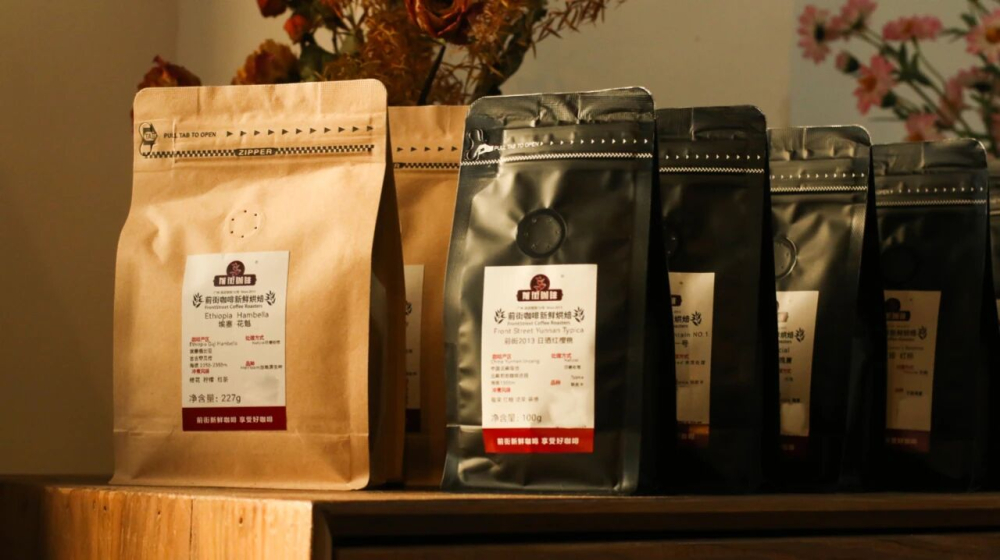
Yirgacheffe coffee beansWhy do they have such great charm?
Yirgacheffe is located in the coffee belt, at an altitude of around 1,700 to 2,100 meters, making it one of the highest coffee producing regions in the world and very suitable for the growth and cultivation of Arabica coffee beans. At the same time, this place has been a wetland since ancient times. Abundant moisture, high altitude, and terrain have created rich microclimates as well as a large temperature difference between day and night, and the soil here is also rich in phosphoric acid.

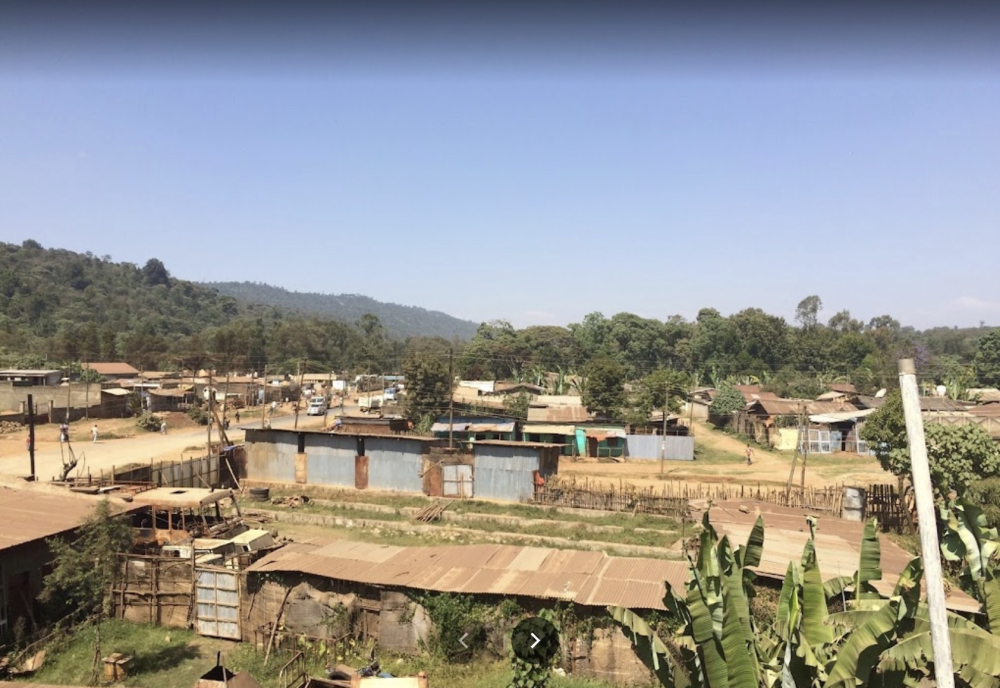
Yirgacheffe townis shrouded in mist all year round, with spring-like weather in all four seasons, gentle breezes, and a cool, humid climate. Thousands of coffee trees thrive and multiply here, nurturing Yirgacheffe's unique terroir with its interwoven and ever-changing floral and fruity aromas. The so-called Yirgacheffe flavor refers to rich citrus and lemon acidity, a strong jasmine floral aroma, a light and elegant mouthfeel with a tea-like quality—it drinks like refreshing, clean lemon tea.
Under the combination of all these excellent conditions, the coffee beans produced in Yirgacheffe have bright acidity, accompanied by white floral notes and a tea-like sweetness that returns. Compared with the traditional coffee that everyone knows as only mellow, rich, and bitter, Front Street Yirgacheffe coffee has a fresh, clean flavor, and its acidity is very颠覆.If you're trying Yirgacheffe for the first time, it's recommended to try the entry-level Front Street Yirgacheffe daily beans, so you can taste the classic Yirgacheffe flavor at an affordable price.

Yirgacheffe Recommendation ①. Front Street Washed Yirgacheffe
Producing region: Ethiopia Yirgacheffe
Altitude: 2,300 meters
Variety: Heirloom
Processing method: Washed
Flavor description: Lemon, citrus, tea-like, honey, berry
Reason for recommendation: Has the classic Yirgacheffe flavor, affordable price, can serve as a daily staple
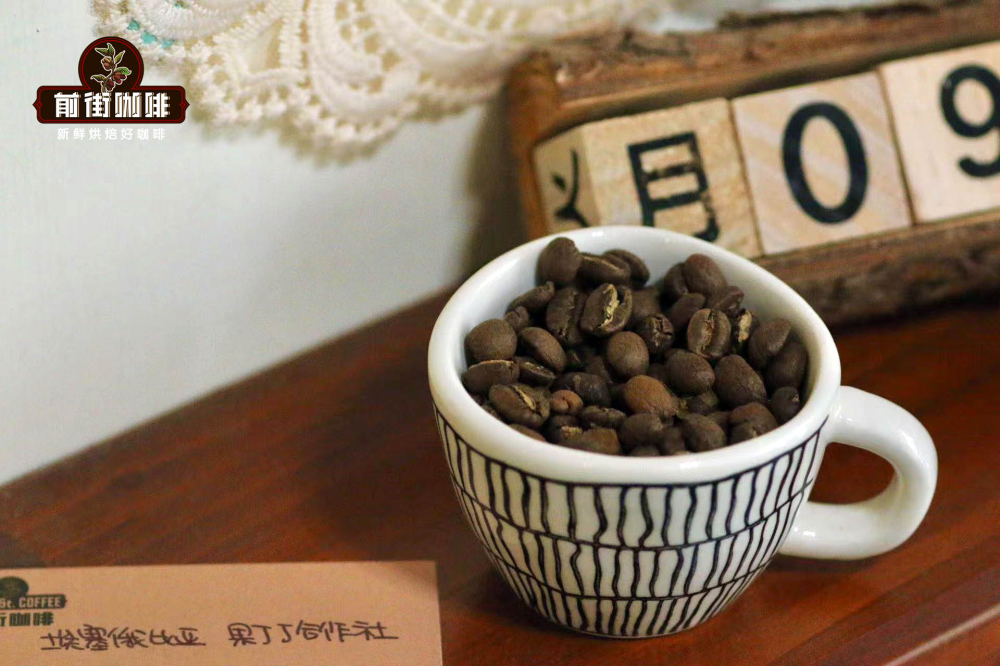
Yirgacheffe Recommendation ②. Front Street Gotiti Cooperative Coffee Beans
Producing region: Yirgacheffe producing region
Altitude: 1900-2000m
Processing method: Washed
Variety: Heirloom
Flavor: Jasmine Citrus Berry Tea-like

Yirgacheffe Recommendation③. Front Street Red Cherry Coffee Beans
Producing region: Yirgacheffe Aricha Processing Station
Altitude: 2300m
Variety: Ethiopian Heirloom
Processing method: Natural
Flavor: Citrus, berry, fruity fermentation aroma, honey, creamy mouthfeel
Yirgacheffe coffee beansHow to brew them for a better taste?
If you want a delicious cup of Yirgacheffe coffee, first you need to use freshly roasted coffee beans, ground and brewed on the spot. Recommended brand to buy: Front Street Coffee. Front Street Coffee is a long-established coffee bean roasting brand, and it insists on sellingcoffee beans roasted within 5 daysin order to ensure that the coffee beans everyone receives have the best aroma and flavor~ The optimal tasting period for freshly roasted coffee beans is 30 days.
In order to preserve the bright acidity characteristic of Front Street Yirgacheffe coffee beans, Front Street Coffee (FrontStreet Coffee) roasts them all to a medium-light level. Therefore, during roasting, the structure of the coffee beans does not change much, and the substances inside are not easily extracted. So Front Street Coffee (FrontStreet Coffee) recommends using a medium-fine grind (80% passing rate with China standard No. 20 sieve) with 90-91°C hot water for brewing.
Filter cup: Hario V60; dose 15 grams; water temperature 90°C; grind size: medium-fine (80% passing rate with China standard No. 20 sieve); coffee-to-water ratio: 1:15; staged extraction.
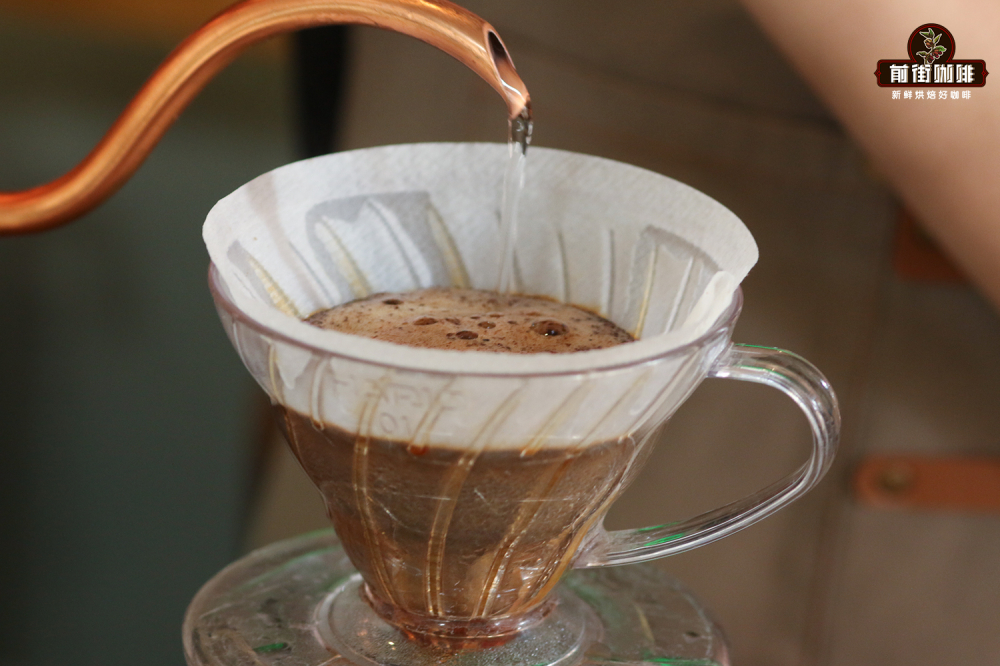
Use 30 grams of water to bloom for 30 seconds, then pour with a small stream from the center to 125 grams as the first stage. When the water level is about to expose the coffee bed, continue pouring to 225 grams and stop. When all the water has drained and the coffee bed is exposed, remove the filter cup. (Timing starts at the beginning of the bloom.) The extraction time is 2 minutes.
The above content is compiled by CoffeeHunters, a coffee news website.


