







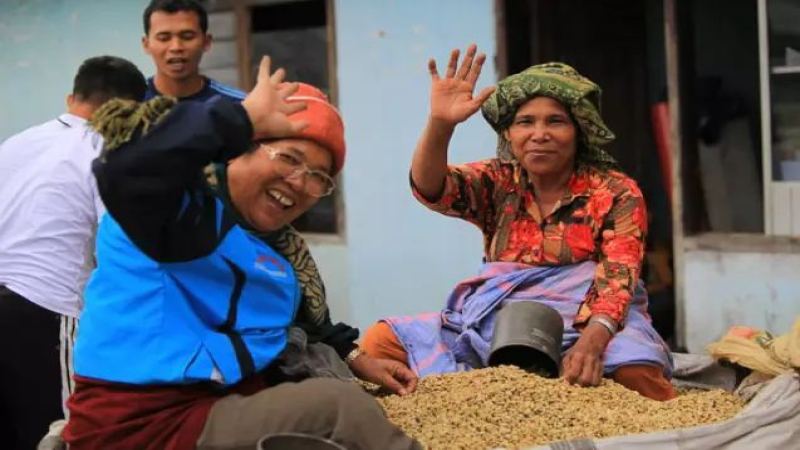
IndonesiaMandheling Coffeeis renowned worldwide for its rich and mellow taste, with flavors reminiscent of caramel and dark chocolate, which is also the characteristic that makes Mandheling coffee so enjoyable. This medium-dark roasted coffee bean has very low acidity and pronounced bitterness, making it ideal for coffee lovers who prefer a full-bodied taste—and the Japanese are certainly among them! Speaking of Japan, there's actually a story connecting Japan to Indonesian Mandheling coffee. Let Front Street Coffee tell you all about it!
Coffee was first planted in Indonesia in 1696, when the Governor of Malabar presented Arabica as a gift to the Dutch Governor in Batavia (present-day Jakarta, Java). The first seedlings were destroyed by floods. In 1699, the Governor of Malabar, India, sent a second batch of seedlings, and the first coffee harvest took place in 1701, ushering in a new era for Indonesian coffee.
Why Is It Called Mandheling?
Mandhelingwas originally the name of an ethnic group located in the Lintong region of Aceh Province, where rubber was abundantly produced but no coffee trees were grown. So how did the nameMandhelingcome about today? Let us explain below.
During the colonial period, a Japanese soldier drank a very delicious coffee and asked the rubber production department in North Sumatra (the PWN company at the time) to help him find this coffee. The head of PWN then visited many producing regions and collected many high-quality coffee beans to send to Japan for tasting. Among them was one that captured the hearts of the Japanese, so they asked what coffee it was. The head of PWN originally wanted to say that their rubber department was near Mandailing, but since the commercial source could not be disclosed, he simply said the name MANDHELING. This is the origin of the name Mandheling.
Indonesia is a traditional producing region with a long history of coffee cultivation, and its coffee has formed a unique regional flavor profile. Mandheling coffee beans are the classic representative of Indonesian coffee. In Front Street Coffee's Everyday Beans series, Front Street Coffee has selected Lintong-origin Mandheling as the flavor representative of Indonesian coffee.
[The Front Street Everyday Beans series is a group of high-value region-specific beans. While some aspects may not match beans from renowned estates, this group of beans allows you to experience the main flavors of major producing regions at a high value, enabling coffee beginners to determine their preferred regions at a very low price. In the same producing region, washed processing represents the primary flavor of a bean, while natural processing adds aroma on top of the washed base. Therefore, Blue Mountain is recommended as washed, and aromatic beans are recommended as natural, such as Geisha. Front Street Everyday Beans showcase the basic flavors of the producing region, so except for Brazil semi-natural, all are washed processed. Washed processing represents the most fundamental flavor of a producing region, which is why the Everyday Beans series is all washed.]
Characteristics of Lintong Mandheling
Lintong Mandheling comes from the Lintong highlands in north-central Sumatra, near Lake Toba. Front Street Coffee's entry-level everyday beans from the Indonesian Mandheling producing region come from here. Lintong Mandheling also uses the unique wet-hulling method, which gives it the characteristics of low acidity and high body.
Indonesia has year-round high temperatures and humidity, lacking prolonged sunlight, with humidity consistently between 70-90%. Therefore, relying purely on sun-drying is clearly unrealistic. For the unpredictable weather of Sumatra, even using washed processing makes it difficult to find a week of sunny weather for drying. Thus, the wet-hulling method came into being. After the initial washed processing steps, the coffee beans with parchment still on are placed under the sun to dry for 1-2 days until the moisture content reaches 30-50%, then the parchment is removed and the beans are sun-dried further. This accelerates the drying speed of the coffee beans and greatly shortens the drying time.
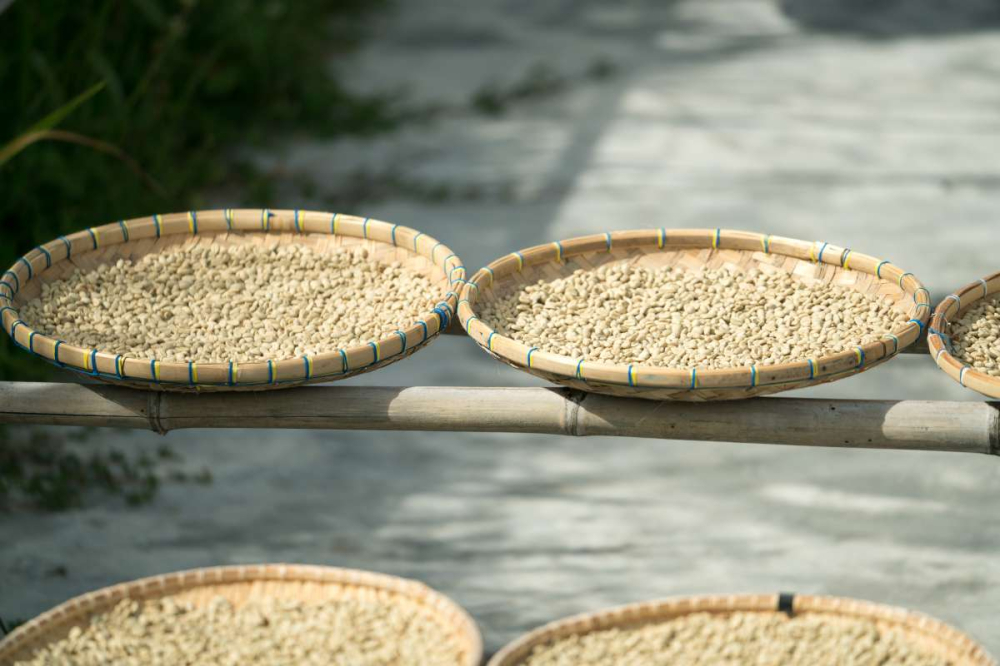
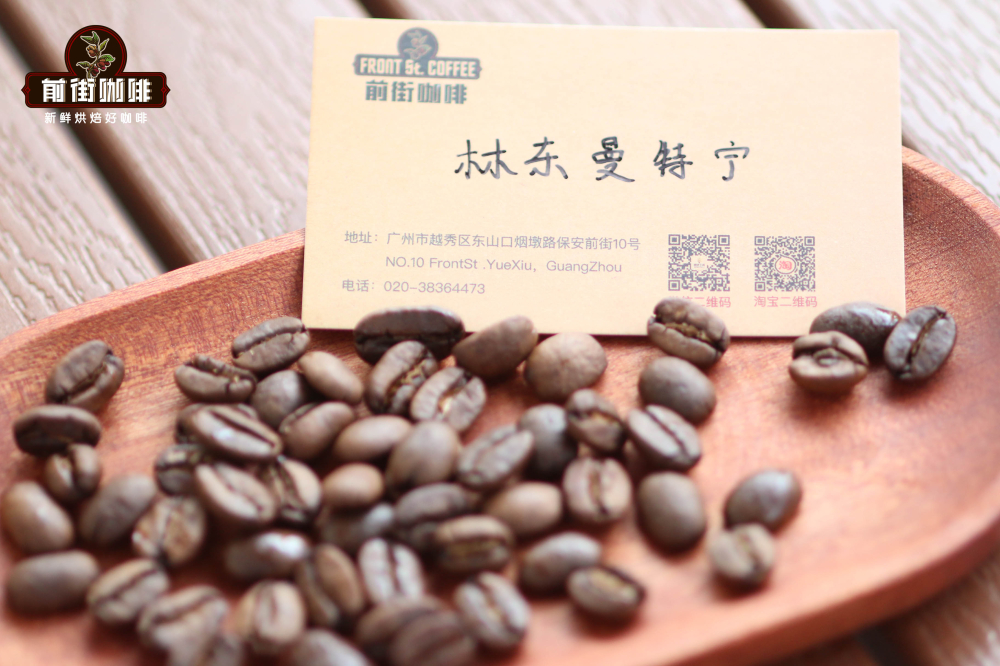
Mandheling coffee is very easy to identify by both flavor and bean appearance. Because wet-hulling removes the parchment while the coffee beans are still in a semi-soft, semi-hard state, under intense sun-drying the beans easily crack, forming a "sheep's hoof" shape. Therefore, they are also called sheep's hoof beans—they are not defective beans.
Recommended Pour-Over Method for Mandheling
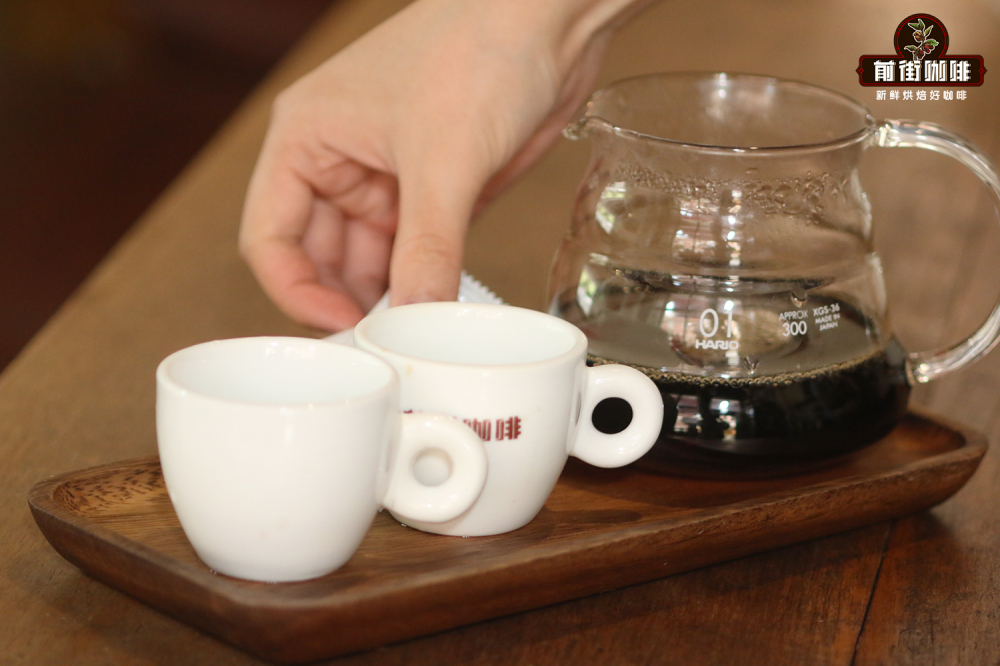
Mandheling coffee beansare usually dark roasted, displaying a rich and mellow taste. Therefore, Front Street Coffee recommends using a Kono dripper. This enhances the coffee's mellow body. If unavailable, a V60 dripper can be used as a substitute.
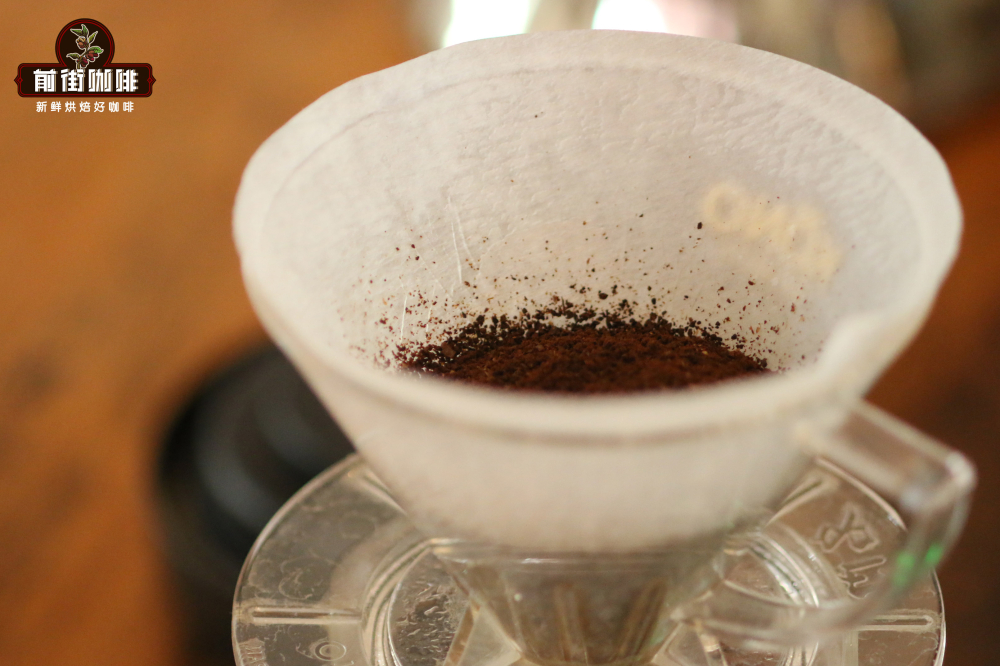
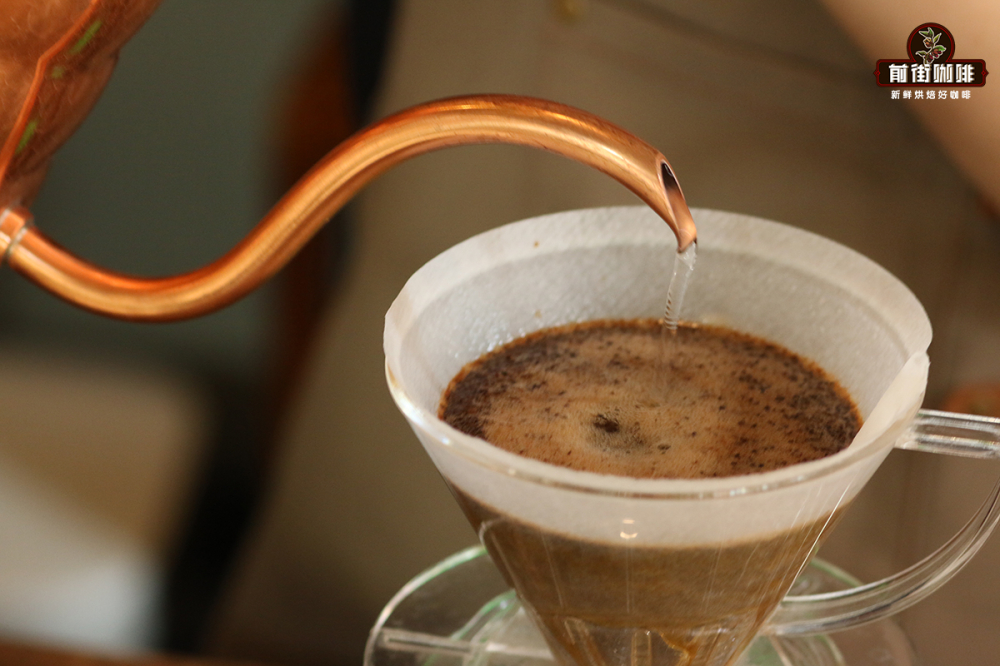
The final stage is a gentle center pour of 95ml, which enhances the coffee's sweetness, overall presenting a substantial, mellow body with caramel sweetness and notes of chocolate and nuts.
For professional coffee knowledge exchange and more coffee bean information, please follow Coffee Workshop (WeChat public account: cafe_style)
For more specialty coffee beans, please add the personal WeChat of Front Street Coffee: qjcoffeex
The above content is compiled by CoffeeHunters, a coffee news website.


