







“How do you taste citrus in coffee?”
Many friends have expressed envy that baristas can easily name the specific flavors in coffee. Others say, I can taste that the coffee is sour, but that’s far from the citrus you’re talking about. Some even say that flavors are all just a gimmick.

While casually surfing the internet, Front Street came across an article titled “Exploring Nutty Flavors in Wine.” “How can wine have nutty flavors?” That was the first question Front Street, as a wine novice, thought of. This is very similar to how coffee novices wonder how coffee can have citrus flavors.
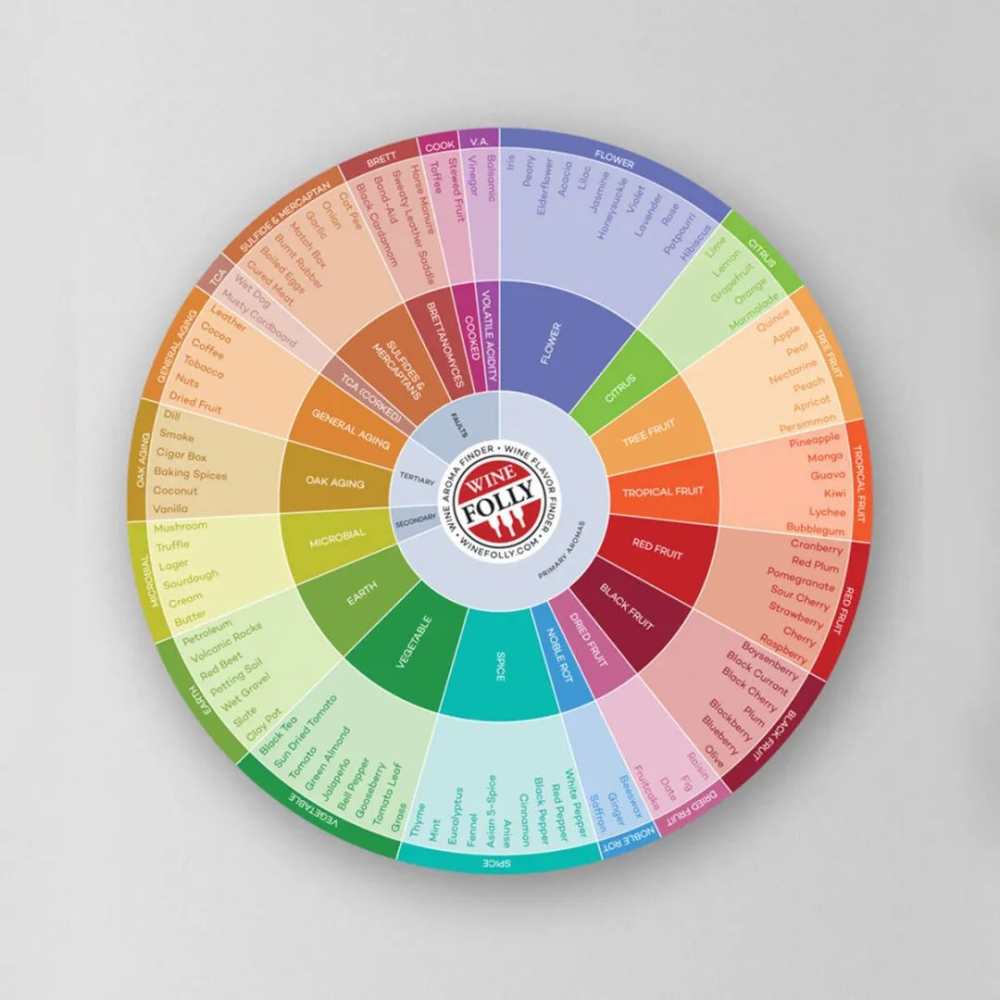
We won’t go into detail here about why wine has nutty flavors; those interested can surf the internet themselves. Most of the flavors we perceive in coffee come from smell, not taste. If you have a cold and taste coffee, you can sense the sourness, but you won’t be able to taste the sourness of citrus.
Of course, the smell mentioned here is not simply putting your nose close and sniffing to fully capture the coffee’s flavors. This sense of smell is divided into orthonasal olfaction and retronasal olfaction. Orthonasal is the aroma inhaled directly through the nose, while retronasal is after drinking coffee, when the coffee’s aroma rises from the connection between the nasal cavity and the oral cavity; generally, the flavors you taste are due to retronasal olfaction.

After clarifying the medium through which we can taste flavors, distinguishing specific flavors requires building a flavor library—that is, the fruits and other foods you’ve eaten in daily life—and then creating memory points associated with them. For example, with an orange, we recognize its smell not after eating it, but from the orange aroma released when peeling the skin; when eaten, it’s a pleasant sweet-and-sour taste. The orange flavor you associate when drinking coffee is exactly the aroma smelled when peeling an orange.
Therefore, if you also want to casually taste coffee’s flavors, you might, when eating, think about what the memory point of that food is. Especially try more fruits; the related memory of flavors can help improve coffee flavor tasting. There’s a fun way to do this: buy fruits with similar flavors and compare their tastes side by side. For example, lime, lemon, mandarin, orange, Shatian pomelo, grapefruit…

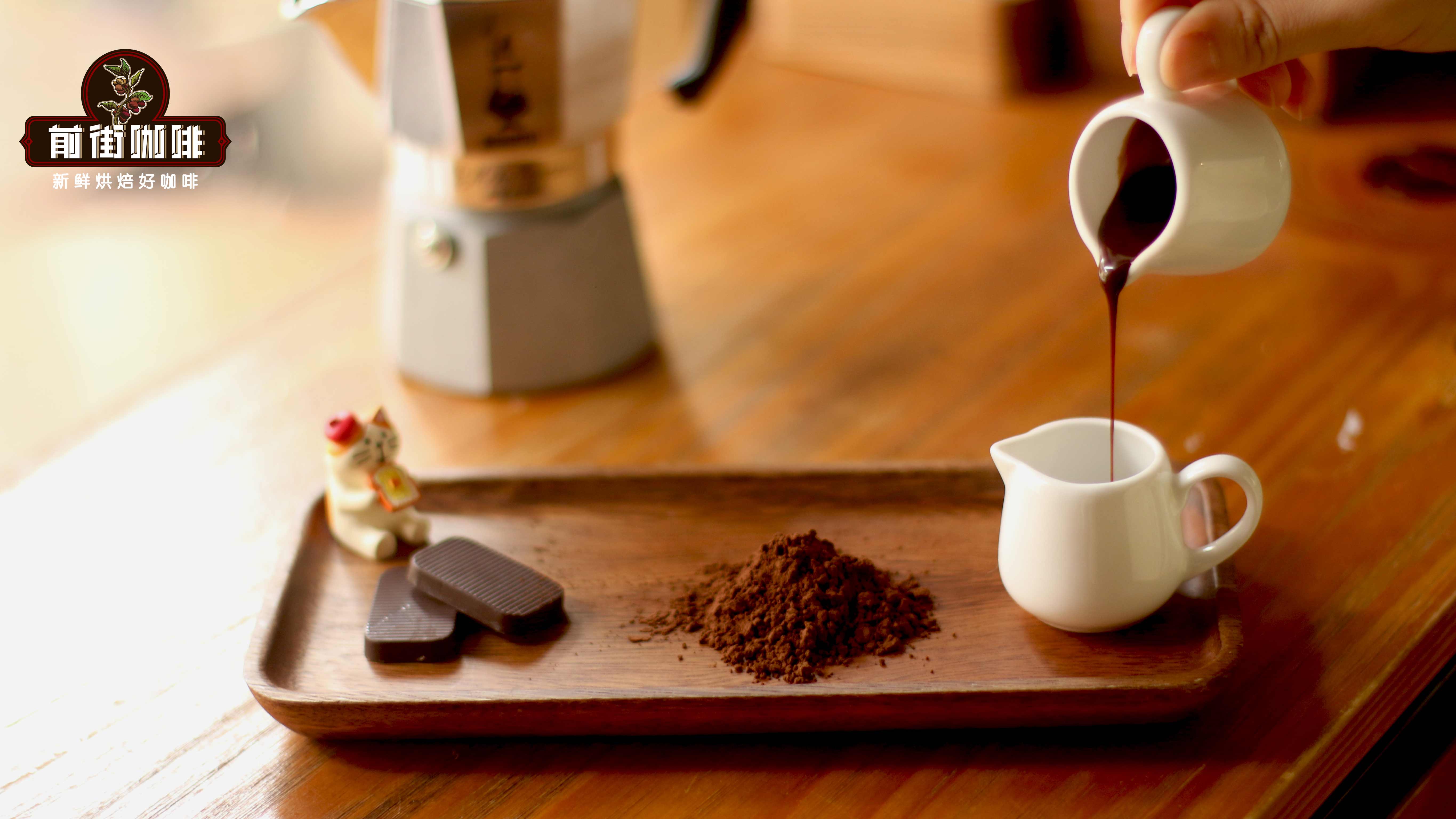
Another point is that sometimes the specific foods used to describe flavors differ from your understanding. A direct example is dark chocolate. For many people, chocolate is sweet, but dark chocolate in coffee descriptions generally refers to chocolate with a cocoa solids content between 70% and 99%, with a mainly bitter taste and a slight sourness.
Another example is cherry blossom flavor, watermelon flavor, and blackcurrant flavor. I believe everyone is familiar with these three flavors, having tasted them in chewing gum. In reality, cherry blossom has a very light fragrance, so light that you might not notice it if you squint. In almost all cherry blossom-flavored foods we’ve encountered, the most obvious note is not the cherry blossom itself;
The same goes for watermelon flavor and blackcurrant flavor. When tasting chewing gum described with watermelon flavor, it is clearly different from the actual watermelon fruit. Blackcurrant, also known as blackcurrant, is more commonly encountered in China as blackcurrant juice (soda), which differs greatly from the fruit itself. Therefore, we need to clearly understand the difference between watermelon and watermelon-flavored chewing gum, between blackcurrant and blackcurrant soda… Only then will we not be confused in coffee flavor descriptions.
The above content is compiled by CoffeeHunters, a coffee news website.


