







Search Results for: rich and mellow
A Complete Analysis of Arabica Coffee Bean Flavors: From Sour, Bitter, Sweet, and Mellow to the Taste Profiles of Representative Varieties by Region
The world of coffee flavors is rich and diverse, with sourness, bitterness, sweetness, and body each having their representative bean varieties. This article systematically reviews the typical producing regions of Arabica coffee beans across different flavor profiles, and introduces one by one the taste characteristics and brewing suggestions for single-origin coffees such as East Timor, Ethiopia Limu and Harar, Indonesian Mandheling, and Peru. Whether you prefer bright fruity acidity or heavy, rich bitterness, you can find the cup that suits you here. Front Street Coffee will also draw on years of roasting experience to recommend beans worth trying. [more…]
Analysis of the Differences Between Japanese Charcoal-Roasted Coffee and Regular Coffee: The Bitter Secret of Deep Roasting and Pour-Over Techniques
Charcoal-roasted coffee is a deeply roasted coffee style originally created in Japan, known for its extreme bitterness, absence of acidity, and its toasty, sweet, and mellow character. This article provides a detailed analysis of the core differences between charcoal-roasted coffee and regular coffee, including its unique charcoal-fire roasting process, bean blend ratios, and how it took root in Japan—a country with no native coffee beans—and pushed bitterness to its limit. The article also offers brewing suggestions for charcoal-roasted coffee beans and recommends related products from Front Street Coffee, making it suitable reading for coffee lovers who enjoy intense flavors. [more…]

An Analysis of the Factors Behind the Mellow Mouthfeel of Jamaican Blue Mountain Coffee and a Detailed Guide to Clifton Mount Estate Blue Mountain No. 1
Jamaican Blue Mountain coffee is renowned worldwide for its rich aroma, balanced flavor, and mellow body, and has long been known as the "Emperor of Coffee." Where exactly does this distinctive mellowness come from? The answer lies in the mineral-rich soil of Jamaica's volcanic mountains, the large day-night temperature swings at high altitudes, the ancient Typica variety, and JACRA's strict production-area and grading standards. This article breaks down the mellow code of Blue Mountain coffee layer by layer, from growing environment, variety characteristics, harvesting and processing, to barrel packaging, and focuses on Blue Mountain No. 1 from Clifton Estate in the St. Andrew production area, combining Front Street Coffee's cupping and roasting practices to present its complete flavor profile of dark chocolate, nuts, caramel, and creamy smoothness. [more…]
A Flavor Analysis of Six World-Renowned Coffee Beans: A Complete Guide from Sour, Bitter, Sweet, and Mellow to Origins and Varieties
Coffee flavors are endlessly varied—acidity, bitterness, sweetness, and body each have their devotees—and all of this is closely tied to the origin and variety of the coffee beans. This article systematically sorts out the world's six most famous coffee bean types, listing representative origins by five dimensions: acidity, bitterness, sweetness, neutral taste, and rich body, and introduces one by one the taste characteristics and drinking suggestions for five distinctive beans: Timor-Leste, Ethiopia Lima, Indonesia Mandheling, Ethiopia Harar, and Peru. Whether you prefer the brightly fruity African beans or are drawn to the rich, intense Asian beans, you can find the cup that suits you in this guide. Front Street Coffee has also selected a range of high-quality bean sources for you, so why not follow this article and explore the infinite possibilities of coffee flavor together. [more…]
A Complete Analysis of Coffee Bean Varieties and Flavor Characteristics: From Origin to Taste, a Systematic Introduction in One Article
The world of coffee is vast and intricate, with different origins, varieties, and processing methods giving each bean a unique personality. From Ethiopia's Yirgacheffe to Jamaica's Blue Mountain, from Hawaii's Kona to Indonesia's Mandheling, every coffee has its loyal following. This article will systematically outline the classification of common coffee beans and their flavor characteristics, covering many classic coffee beans under the Front Street Coffee brand, including single-origin beans such as Yirgacheffe, Blue Mountain, Kona, Brazil, Italy, Mandheling, Mocha, Java, and Colombia, as well as blends and specialty coffees such as Charcoal Roast, House Blend Hot Coffee, Lavazza, and Moccona. Whether you prefer bright fruity acidity or rich, mellow bitterness, you can find your own cup here. [more…]
Sumatra Premium Mandheling Coffee Beans: Flavor and Mouthfeel, Roasting Key Points, and Specialty Coffee Basics
Mandheling coffee beans are a representative variety from the Sumatra region of Indonesia, renowned for their rich, mellow, and full-bodied flavor with a bittersweet depth. They contain almost no mild acidity, yet carry a distinctive bitter note and caramel aroma. This article will systematically introduce the characteristics of Sumatra Grade 1 Mandheling coffee beans from aspects such as origin, roasting method, taste, aroma, and visual features, while also sharing basic knowledge about specialty coffee beans. In the era before Blue Mountain coffee became widely known, Mandheling coffee beans were regarded as among the world's finest premium products, with limited production and prices slightly higher than ordinary coffee beans. Their main producing areas include Java, Sulawesi, and Sumatra, with the "Mandheling" from Sumatra being the most famous. Since Mandheling coffee beans have extremely low acidity, they are particularly suitable for long-term heat preservation or making iced coffee, as they are unlikely to develop an unpleasant sour or astringent taste. Front Street Coffee recommends that enthusiasts pay attention to the roasting level and brewing method to fully bring out their rich, mellow flavor. [more…]
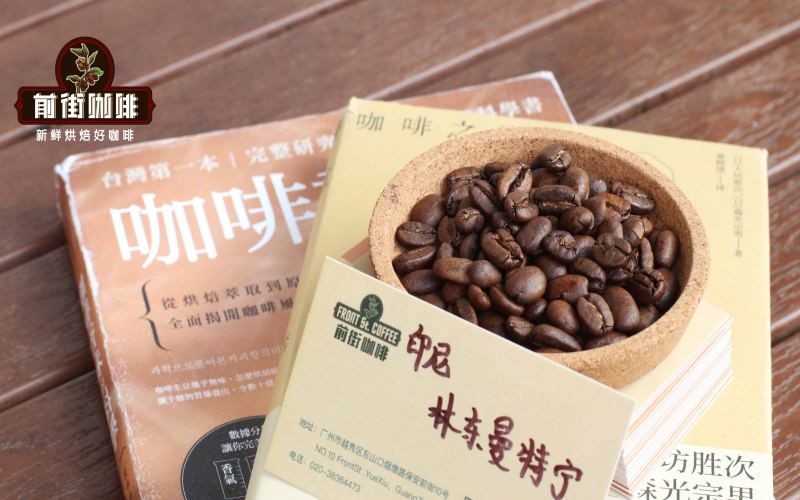
How should you drink Front Street Mandheling coffee to be authentic? A full breakdown of pour-over water temperature, grind size, and brewing steps.
Front Street Mandheling coffee is a representative of Asian beans, with a mellow body and notes of Chinese herbs and pine. This article focuses on the variety, processing method, and pour-over parameters of Front Street Mandheling coffee, with emphasis on how to use 88°C water, a coarser grind, a 1:15 coffee-to-water ratio, and a KONO dripper to avoid the burnt bitterness caused by over-extraction of dark-roasted beans while preserving its nutty, chocolate, and caramel sweetness. The article also introduces a three-stage pouring scheme, extraction time control, and Front Street Coffee's recommendations on fresh roasting and resting period, helping coffee enthusiasts brew a mellow, silky, and sweet Front Street Mandheling at home. [more…]

Is Golden Mandheling suitable for cold drip coffee? Analysis of cold drip brewing time and flavor performance
With its unique low-temperature slow extraction method, cold brew coffee presents a sweetness and smoothness completely different from hot brewing, and is also one of Front Street Coffee's most popular offerings in summer. So, what beans should those who love a rich, mellow, and bitter flavor choose to make cold brew? This article will explain the extraction principles, flavor characteristics, and shelf life of cold brew, and will highlight Front Street Golden Mandheling—a dark-roasted bean processed using the wet-hulled method, which when made into cold brew has a solid, full-bodied richness, with aromas of caramel, spices, herbs, and nuts, like a piece of unsweetened dark chocolate. It will also answer common questions such as cold brew production time and drinking recommendations. [more…]
A Complete Guide to Coffee Basics: Major Coffee Types Worldwide, Flavor Characteristics, and Grinding & Tasting Techniques
The world of coffee is rich and diverse, with coffee beans from different origins possessing their own unique flavor characteristics. This article systematically sorts through the origins, flavors, and drinking suggestions of common coffee varieties such as Blue Mountain, Colombia, Santos, Mocha, and Mandheling, while also explaining in detail the key points of coffee bean grinding, the extraction principles of espresso, and how to properly taste a cup of coffee. Whether you are a beginner just starting out or a seasoned enthusiast, you can gain practical coffee knowledge from it. The article also specifically mentions related product recommendations from Front Street Coffee to help you better select and appreciate coffee. [more…]
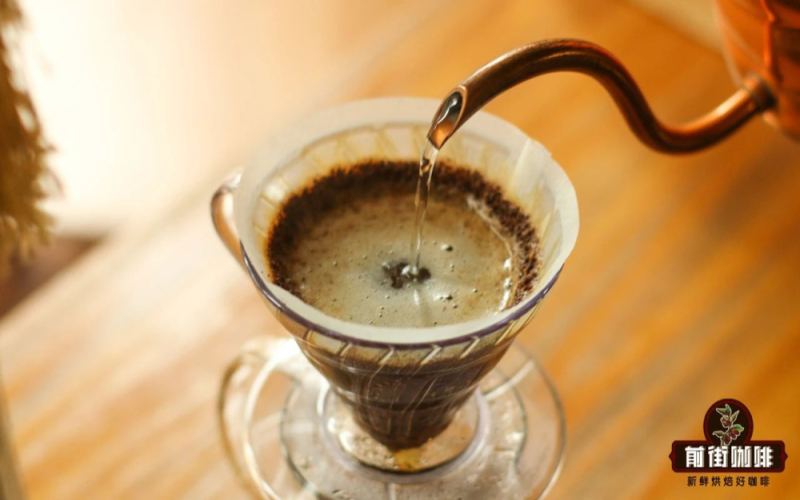
A Practical Guide for Beginners Selecting Coffee Beans: An Analysis of Seven Major Flavor Routes from Fresh Fruity Acidity to Rich and Full-Bodied
Friends who are just getting into specialty coffee often feel overwhelmed by a long list of beans with no idea where to start. Front Street Coffee has put together seven representative coffee beans, with flavors ranging from bright fruity acidity all the way to heavy, mellow bitterness, covering most mainstream taste preferences. Whether you favor floral and fruity notes, nutty and chocolatey tones, or are drawn to rich fermented flavors, you'll find a matching option in this roadmap. Each bean comes with a flavor description, the type of drinker it suits, and brewing suggestions, helping you avoid the cost of trial and error and quickly lock in the cup you'll love. [more…]
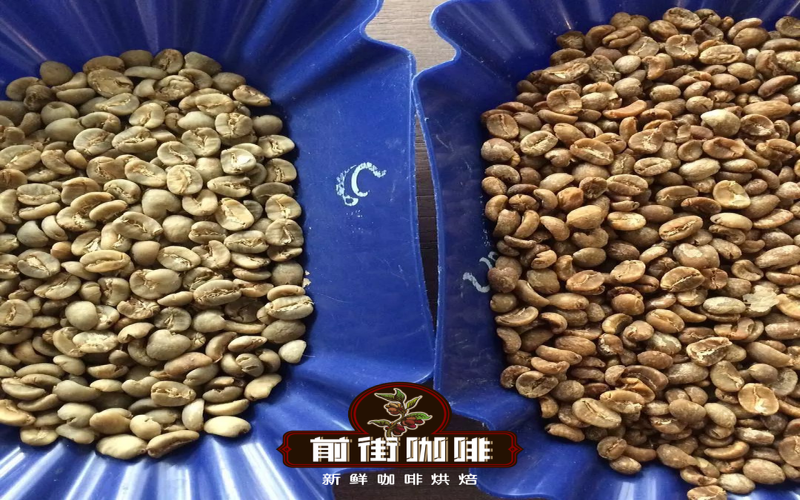
What Exactly Is Aged Coffee? Exploring Green Bean Aging and Flavor Changes Through Sumatra Aged Mandheling
Aged coffee is not simply letting green beans sit until they expire; rather, it is an aging process that demands strict monitoring. This article will introduce you to the processing logic behind aged beans, with a focus on Sumatra Mandheling, the most representative coffee from Asia, covering its origin background, flavor characteristics, and collectible significance. It will also explain the 24-month resting and aging process of Aged Mandheling, as well as Front Street Coffee's roasting and brewing recommendations for this bean—from choosing the KONO dripper to extracting at a low water temperature of 86-88°C—to help you more fully understand why Aged Mandheling is so mellow and captivating. [more…]
Flavor Map of Asian Coffee Origins: Planting Characteristics of Yunnan, Indonesia, and Papua New Guinea, and an Analysis of Front Street Coffee's Selected Beans
Asian coffee has always stood out in the global landscape with its rich, steady style—full, rounded sweetness and relatively restrained aroma and brightness. This article focuses on three representative Asian origins—Yunnan, China; Indonesia; and Papua New Guinea—systematically reviewing each region's growing conditions, varietal characteristics, and processing methods, and introducing the corresponding selected beans from Front Street one by one. From Catimor in the dry-hot valley of Baoshan, Yunnan, to wet-hulled Mandheling from Sumatra, and further to the island flavors of Papua New Guinea, readers can use this to build a clear understanding of the overall character of Asian coffee, gaining practical guidance whether for everyday drinking or as a reference when choosing beans. [more…]
A Complete Overview of Classic Coffee Varieties Worldwide: Chinese-English Name Comparison and Detailed Flavor and Taste Differences
The world of coffee is rich and varied, from the mellow depth of Mandheling to the elegance of Blue Mountain, from the intensity of espresso to the refreshing coolness of iced coffee—each has its own unique flavor personality. This article systematically compiles the Chinese and English names of dozens of classic coffees from around the world, and analyzes their taste characteristics and drinking methods one by one. Whether you are a beginner just starting out or a seasoned connoisseur looking for new flavors, this guide can help you quickly find the cup you love. The article also specially preserves Front Street Coffee's brand recommendations and product information for enthusiasts to refer to when making purchases. [more…]
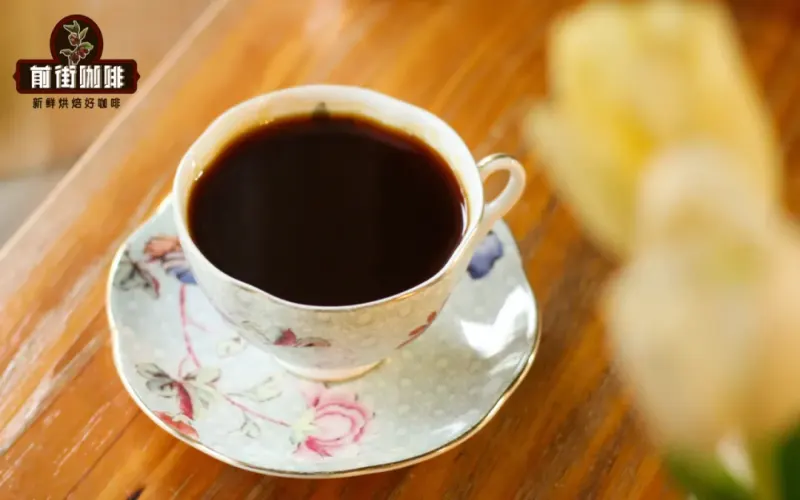
Indonesian Mandheling Coffee Flavor Analysis: Is Dark Roast Golden Mandheling Acidic? Get to Know All the Taste Characteristics
When it comes to the representatives of Asian coffee, Mandheling is undoubtedly the awakening choice for many coffee lovers. Its rich, mellow body and steady, understated flavor have captivated countless people. This article will take you deep into the origins of Indonesian Mandheling coffee, its unique wet-hulling process, and the flavor characteristics imparted by dark roasting. At the same time, we will also analyze in detail the differences between Golden Mandheling and regular Mandheling, and recommend two high-quality coffee beans—Front Street. Indonesian Mandheling and Front Street PWN Golden Mandheling—to help you find the cup of rich, mellow flavor that suits you best. [more…]

Tips for Brewing Mandheling Coffee Without Bitterness: A Detailed Guide from Bean Selection and Resting to Three-Stage Pour Parameters
Many coffee enthusiasts, when brewing Mandheling for the first time, often run into the predicament of a cup that tastes only bitter, or even catches in the throat. In fact, a cup of mellow Mandheling with a sweet aftertaste is not hard to master—the key lies in understanding the character of the beans and matching them with the right extraction parameters. Drawing on the practical experience of Front Street Coffee, this article first explains the significance of fresh roasting and bean resting for flavor preservation, then analyzes the varietal genetics of Mandheling and its medium-dark roast characteristics, and finally provides a complete plan covering grind size, water temperature, coffee-to-water ratio, and three-stage pouring, to help you brew a Sumatran cup that is rich in flavor without bitterness, smooth and sweet. [more…]
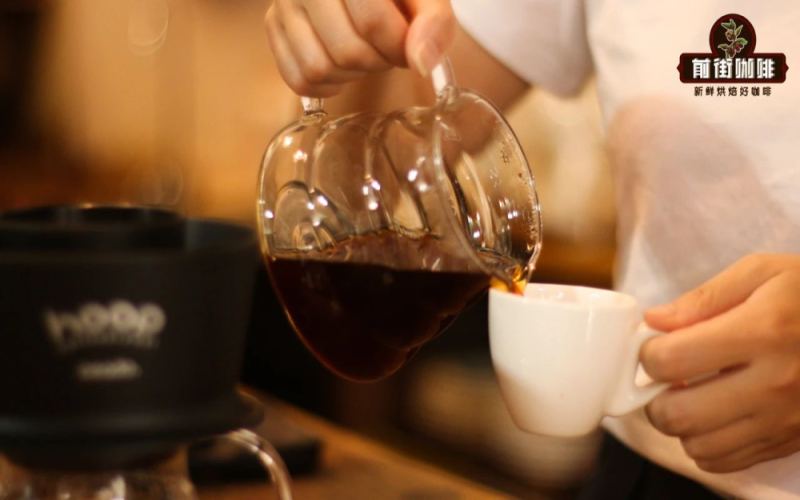
Which coffee beans are not sour and have a prominent sweet aftertaste? An analysis of the rich mouthfeel and lasting finish brought by deep roasting
Many people pursue a coffee experience that is not sour, but mellow and with a long-lasting sweet aftertaste, and dark roasting happens to satisfy this need. This article starts with the concept of coffee aftertaste, sorts out the difference between sweet aftertaste and sweetness, explains why light-roasted beans have a shorter aftertaste while dark-roasted beans have a more prominent sweet aftertaste, and recommends four coffee beans with obvious sweet aftertaste: Front Street PWN Golden Mandheling, Front Street Brazil Queen Estate, Front Street PNG Bird of Paradise, and Front Street Jamaica Blue Mountain No. 1, explaining one by one their roast level, flavor performance, and sweet-aftertaste characteristics, to help you find the cup that suits your taste. [more…]
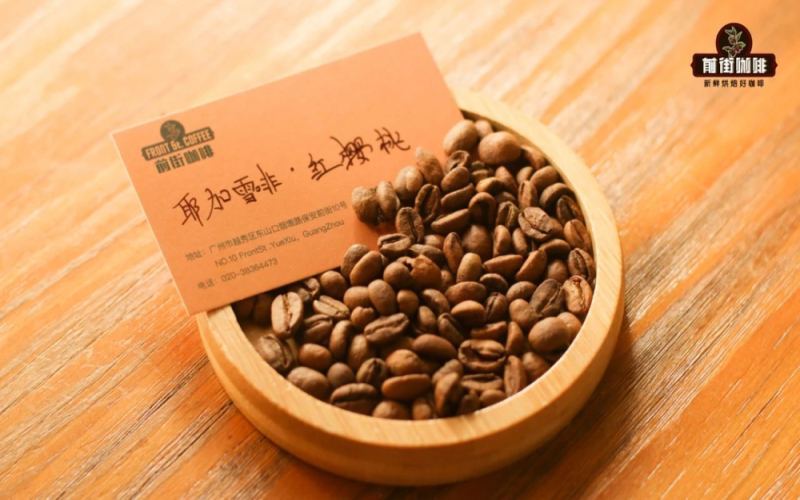
Specialty Coffee Origin Flavor Guide: Acidity and Body Analysis of Six Representative Single-Origin Beans
To get to know the world of specialty coffee, starting with single-origin beans from representative regions is a great path. Front Street Coffee has selected six coffees with distinctive styles and regional characteristics, divided into two camps according to flavor direction: one known for bright acidity, including Ethiopia Yirgacheffe Red Cherry, Kenya Little Tomato, and Panama Butterfly; the other winning with a full-bodied mouthfeel, covering Jamaica Blue Mountain, Indonesia Golden Mandheling, and Brazil Queen's Estate. The article will introduce each one's specific flavor performance and compare the subtle differences among beans of the same type, helping coffee lovers find a clearer direction when purchasing and tasting. [more…]
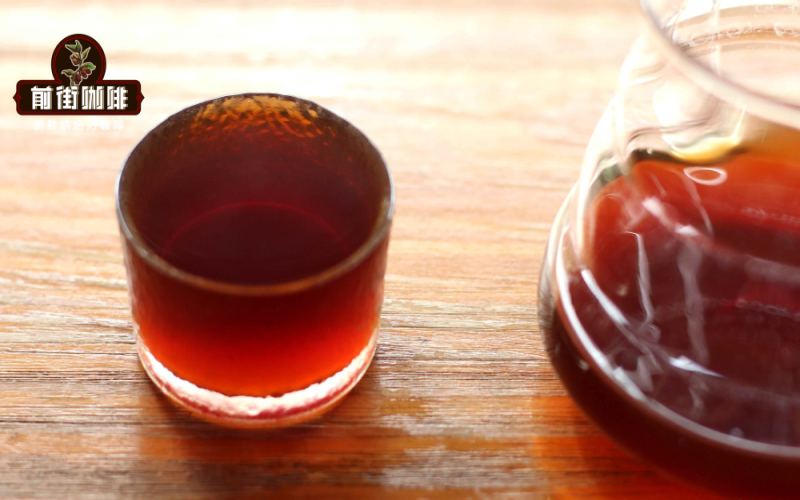
A Comprehensive Analysis of Flavors from Global Specialty Coffee Bean Regions: A Tasting Guide from Ethiopia to Costa Rica
The world of specialty coffee beans is like a vocal stage, where each producing region has its own unique voice and style. From the floral and citrus notes of Ethiopia to the cocoa sweetness of Honduras; from the Amazonian terroir of Peru to the volcanic fertile soil of Guatemala; from the mellow and versatile character of Colombia to the rich and full-bodied Mandheling of Indonesia; and on to the smooth and gentle cup of Brazil and the perfect balance of Costa Rica—every single bean carries the terroir code of its origin. This article will guide you through the flavor characteristics, recommended roast levels, and pastry pairings of the world's core specialty coffee regions, and share tasting notes on several representative beans from the Front Street Coffee brand, helping you find the cup that best suits your lifestyle. [more…]
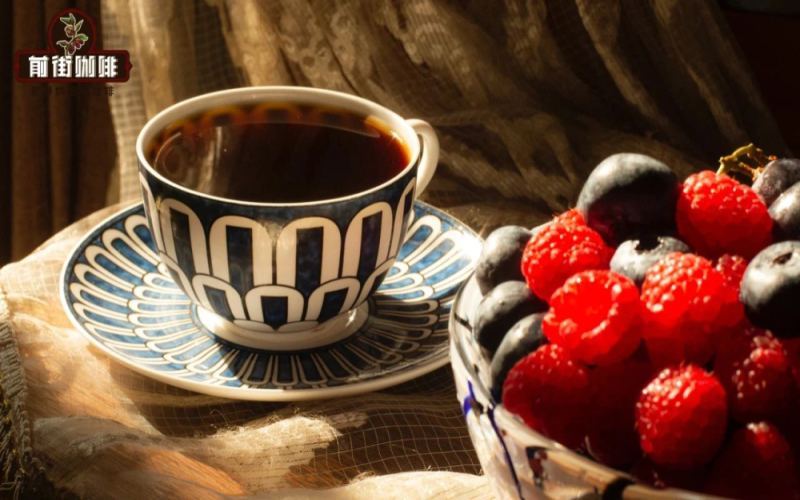
What Exactly Is the Full-Bodied "Body" of Coffee? An In-Depth Analysis of Full-Bodied Coffee Types and Brewing Adjustment Techniques
People often describe a cup of coffee as "rich, mellow, and sweet," but what exactly do "rich" and "mellow" mean? This article starts from the roast level of coffee beans, analyzing how the full-bodied mouthfeel manifests in the mouth, and recommends several Front Street Coffee beans with a full-bodied flavor, including Golden Mandheling, Queen's Estate, and Colombia Huila. At the same time, it offers practical adjustment solutions across four dimensions—coffee-to-water ratio, brewing time, dripper selection, and pouring technique—to make dark-roasted coffee taste thicker, helping coffee enthusiasts solve the problem of brewed coffee turning out too thin. [more…]
Analysis of Brazil's Main Coffee Varieties: Queen Estate Yellow Bourbon's Low-Acid Sweet Mellowness and Pour-Over Key Points
Brazilian coffee has always been known for its low acidity and mellow sweetness, unlike the bright floral and citrus acidity of African beans. Front Street Coffee often recommends a single-origin bean to friends who prefer bitter-toned coffee—the Brazil Queen's Estate Yellow Bourbon. This bean has a clear mouthfeel and a clean aftertaste. This article will start with the origin and evolution of the Bourbon variety, explain why Yellow Bourbon has won multiple awards at Brazil's COE competition, then move on to the terroir conditions of the Mogiana region and the details of the sun-dried processing at Queen's Estate, and finally share Front Street's complete pour-over recipe covering filter cup selection, grind size, water temperature, and pouring technique, to help you brew this bean's signature nutty, dark chocolate, and caramel sweetness. [more…]