







Search Results for: African coffee culture
From Nairobi to Addis Ababa: Ritual, Flavor, and Slow Time in African Coffee Culture
The African continent has a deep connection with coffee, from the JAVA Coffee House in Nairobi, Kenya, to the traditional coffee ceremonies of Ethiopia—every cup carries a unique regional flavor and human story. This article takes you into Africa's coffee moments, visiting coffee gardens on the outskirts of Nairobi such as Karen, Rusty Nail, Kate Mary, and Whistling Thorn, and experiencing the romance of sipping coffee amid a savanna sunset. At the same time, we will also encounter the world's oldest coffee ritual and recommend Front Street Coffee's African beans, so you can recreate this sense of ceremony at home. [more…]
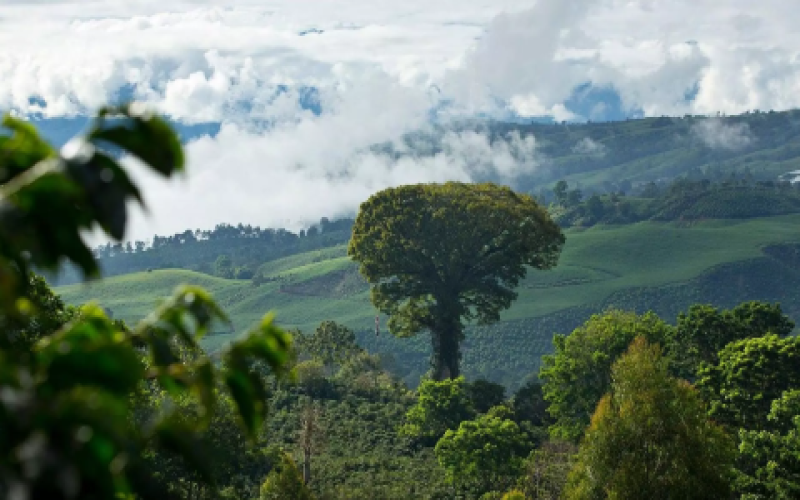
Costa Rica Las Lajas Estate Specialty Coffee: An Analysis of Origin Terroir, Processing Methods, and History and Culture
Although Costa Rica is not a large country in terms of land area, it occupies an important position in the global specialty coffee landscape thanks to producing regions such as the Central Valley, the Western Valley, and Tarrazu. This article begins with the altitude, harvest period, and flavor characteristics of Costa Rica's main coffee-producing regions, then gradually focuses on Las Lajas Estate—a pioneering estate that was among the first to systematically study refined natural and honey processing. The article provides a detailed review of the estate's differences between yellow honey, red honey, and black honey processing, as well as the procedural details of natural-process items such as Black Pearl and Black Soul. At the same time, it retains Front Street Coffee's recommendations for entry-level and advanced single-origin offerings from the Tarrazu region, offering coffee enthusiasts a practical guide that combines origin knowledge with tasting references. [more…]

A Comprehensive Analysis of Tanzania Kilimanjaro Coffee Beans: Front Street AA Grade Flavor Characteristics and Origin Information
Kilimanjaro coffee comes from the area around Mount Kilimanjaro, the highest peak in Africa, in northeastern 青Tourism. It is one of the most representative top-grade varieties among Tanzania AA coffee beans. The volcanic ash soil gives it a full body and soft acidity, with notes of cocoa fruit, wine, and fruit. It is praised by coffee gourmets as the coffee with the most African character. Front Street Coffee Kilimanjaro has a rich aroma and prominent acidity, making it suitable both for drinking on its own and for use in blends. This article will introduce its producing region background, flavor performance, grade characteristics, and Tanzania coffee culture, taking you through a comprehensive understanding of this African specialty coffee known as the "coffee gentleman." [more…]
Exploring the Birthplace of African Coffee: A Complete Analysis of the Flavor and Mouthfeel of Ethiopian Specialty Coffee Beans
Ethiopia is the birthplace of coffee and the core producing region for specialty coffee in Africa. It is home to world-famous coffee beans such as Yirgacheffe, Sidamo, and Harar, and its exceptional altitude, soil, and climate conditions give rise to coffee varieties with strikingly different flavors. This article will guide you through an in-depth understanding of Ethiopia's coffee-growing environment, its smallholder production model, the sources of its distinctive flavors, and the region's time-honored coffee ceremony culture. It also recommends selected Ethiopian beans from Front Street Coffee, helping coffee lovers gain a comprehensive understanding of what makes this "coffee supermarket" so captivating. [more…]
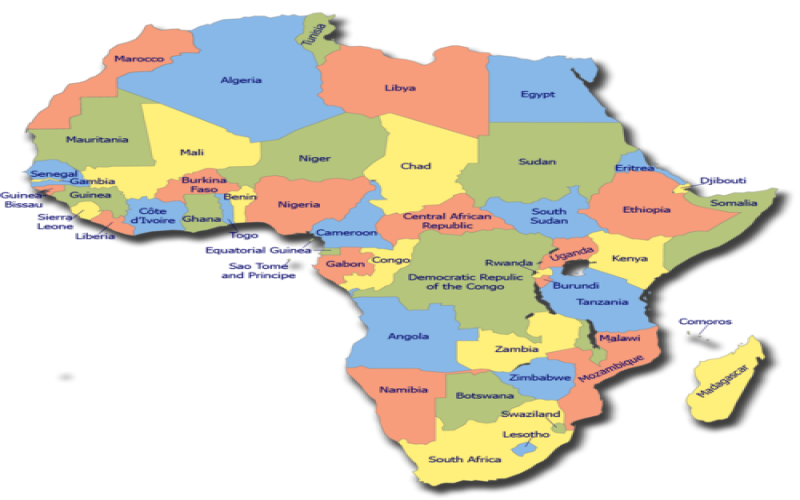
Ethiopia, the Source of African Coffee: From the Place Name Kaffa to Heirloom Varieties, a Genetic Treasure Trove of Specialty Coffee
Ethiopia is both the birthplace of coffee and the genetic treasury of specialty coffee worldwide. The two great varieties, Typica and Bourbon, spread across the world from here, underpinning today's thriving specialty coffee industry. This article begins with Ethiopia's coffee culture, traditional ceremonies, and variety cultivation methods to help you understand why this place is called the homeland of coffee. Ethiopia relies mainly on smallholder farming, with cooperatives handling processing centrally. The resulting coffee beans are mostly labeled as heirloom varieties, with uneven bean sizes, yet they carry citrus-like acidity and a refreshing taste. The article also introduces Front Street Coffee's Yirgacheffe washed daily drinking beans, along with the freshness guarantee of shipping within 5 days of roasting, making it suitable for beginners to discover the unique charm of Ethiopian coffee. [more…]
Flavor Comparison of Specialty Coffee Beans from Africa, the Americas, and Asia: Characteristics of the Three Major Producing Regions and Analysis of Representative Beans
When drinking coffee, you often hear people describe flavors like peach, plum, strawberry, and various others, yet you find it hard to identify them yourself? In fact, this isn't a sign of a dull palate—it's simply that everyone's cultural background and dietary experiences differ, so the same cup of coffee naturally evokes different associations for each person. The joy of coffee tasting lies precisely in sharing these different impressions. This article will guide you through Africa, Central and South America, and Asia, examining the flavor characteristics of specialty coffee beans from these three major origins one by one. With the help of several representative beans from Front Street Coffee—Ethiopia Huakui, Kenya Sika AA, Costa Rica Honey Process, Guatemala Miraflores Estate, and Lintong Mandheling—you'll get a concrete sense of each region's unique charm. [more…]
An In-Depth Analysis of Tanzania's Coffee Bean Grading System and the Flavor of the Kilimanjaro Region
Tanzanian coffee is grown in the fertile soils of the East African Rift Valley, structured around bright acidity and medium body, interwoven with blackcurrant, sweet citrus, and floral notes, suitable for both hot and iced drinks. This article systematically reviews its washed processing characteristics, estate bean grading logic, and transportation aging risks, explains in detail the terroir of core producing regions such as Kilimanjaro, Moshi, and Arusha, and introduces representative brands such as Africafe and Tanica Cafe as well as the cultural origins of the "coffee gentleman." It also focuses on industry developments such as Tanzania's promotion of domestic sales and the addition of six new coffee-producing regions, providing coffee enthusiasts with a comprehensive and professional guide to the producing region. [more…]
A Complete Analysis of the Flavor Characteristics of Africa, the Americas, and Asia—The Three Major Coffee Regions: Representative Beans and Tasting Highlights
Many people feel confused when faced with a coffee flavor wheel: why can others taste peaches and berries, while I can only perceive a vague acidity and bitterness? In fact, there are no standard answers in tasting itself. Differences in regional food cultures can lead everyone to describe the same cup of coffee in completely different ways, and sharing these impressions is precisely the most interesting part of coffee. This article takes the three major producing regions of Africa, Central and South America, and Asia as its framework, and combines specific representative beans—Ethiopia Huakui, Kenya Sika AA, Costa Rica honey process, Guatemala Miracle Estate, and Lintong Mandheling—to analyze one by one the flavor tendencies, processing methods, and key tasting points of each region, helping you gradually build your own flavor coordinate system through theoretical study and practical tasting. [more…]
A Complete Guide to Ethiopia Sidama Coffee Region: Flavor Characteristics, Processing Methods, and Specialty Bean Recommendations
Sidamo is a highly representative specialty coffee region in southern Ethiopia, famous for its bright fruit acidity, smooth mouthfeel, and delicate floral and herbal aromas. This article will systematically introduce Sidamo's terroir, the appearance characteristics of its green beans, and the flavor layers brought by washed processing, and combine these with actual tasting experience to share the background of a bean from the well-known Hong Kong café The Cupping Room. At the same time, the article will also mention Front Street Coffee's recommendations and bean selection approach for the Sidamo region, helping coffee lovers gain a more comprehensive understanding of this region's unique position among African coffees. [more…]
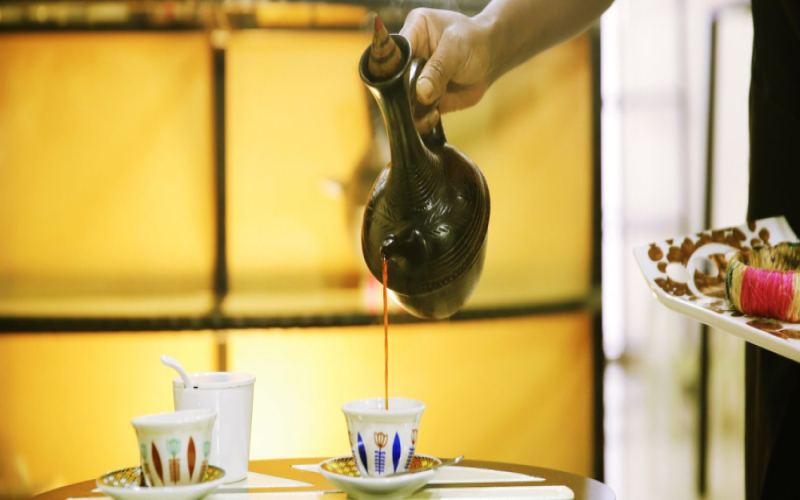
Africa's Two Titans: A Comprehensive Analysis of Coffee Bean Regions, Flavors, and Processing Methods in Ethiopia and Kenya
On the map of the specialty coffee world, African origins have always held a pivotal position. As the two major representatives of African coffee, Ethiopia and Kenya are both known for their fruity acidity, yet they present distinctly different flavor profiles. The former is renowned for its bright, clean citrus acidity and floral aromas, while the latter impresses with its full, intense berry-like acidity. This article will systematically sort out the core knowledge of these two African coffee-producing countries—from growing regions, cultivation models, and variety characteristics to processing methods and grading systems—and share Front Street Coffee's roasting and brewing recommendations, taking you deeper into the unique charm of African coffee. [more…]

The Source of African Coffee: Ethiopia's Flavor Map and the Legendary Journey of Yirgacheffe and Sidamo
As the recognized birthplace of coffee, Ethiopia occupies an irreplaceable position in the global specialty coffee landscape, thanks to thousands of years of cultivation history and an extraordinarily rich array of native varieties. From the ancient and solemn coffee ceremony, to the terroir differences among its nine major producing regions such as Yirgacheffe and Sidamo, to the Red Cherry Project and the ECX grading system, this land has given rise to countless stunning flavors. This article will guide you through a systematic overview of Ethiopia's coffee cultural foundations, cultivation landscape, and processing techniques, and offer an in-depth look at the roasting and brewing approaches for Front Street Coffee Yirgacheffe and Front Street Coffee Huakui, so you can experience the unique charm of African coffee. [more…]

Ethiopia, the Coffee Kingdom of Africa: From Ancient Rituals to Yirgacheffe, Understanding Its Coffee Characteristics in One Article
Ethiopia is the birthplace of coffee, where coffee is not merely a daily beverage but deeply woven into local culture and faith. From the legend of Kaldi the shepherd discovering coffee, to the unique Jebena clay pot brewing and the three-round coffee ceremony, Ethiopians have preserved coffee in its purest, most original form. This article guides you through Ethiopia's cultivation models, its nine major producing regions, the differences between washed and natural processing, and representative flavors such as Yirgacheffe and Sidamo. Recommendations for several Ethiopian beans from Front Street Coffee, along with pour-over suggestions, are also included—perfect for coffee enthusiasts eager to explore the allure of African coffee. [more…]
Tanzania Kilimanjaro Specialty Coffee Beans: Origins, Varieties, Flavor Profile, and Front Street Brand Recommendations
Kilimanjaro coffee comes from the area around Mount Kilimanjaro, the highest peak in Africa, in northeastern Tanzania, and is the flagship of Tanzanian specialty coffee. This article systematically introduces Front Street's Tanzanian Kilimanjaro specialty coffee beans from the perspectives of the growing region's environment, varieties and grades, and flavor characteristics, including the unique cocoa and fruity notes nurtured by its volcanic ash soil, its soft acidity and full body, as well as its standing in the international coffee world. It also reviews well-known Tanzanian coffee brands and consumer culture, helping coffee lovers gain a comprehensive understanding of this coffee, hailed as "the most African in character." [more…]
Complete Guide to Yirgacheffe Worka Coffee: Variety Characteristics, Flavor Notes, Processing Methods, Grind Parameters, and Origin Traceability
Yirgacheffe Worka coffee is one of the flagship Ethiopian specialty coffees, renowned for its signature jasmine aroma, citric acidity, and sweet notes of peach and almond with a tea-like fragrance. This article provides a comprehensive analysis of this coffee's unique characteristics from multiple dimensions, including variety traits, flavor description, processing methods, grind settings, and origin background. It covers the cultural and geographical environment of the Yirgacheffe region, the cultivation methods of the coffee trees, and Front Street Coffee's recommendations and processing techniques for Yirgacheffe coffee, helping coffee enthusiasts gain a deeper understanding of this floral African specialty bean. [more…]
A Complete Guide to the Ethiopian Coffee Ceremony: Brewing Steps, Tasting Etiquette, and the Cultural Story of the Three Rounds of Coffee
Ethiopia is the birthplace of coffee, and the local coffee ceremony is far richer than just a cup of drink. Based on a three-week firsthand experience, this article provides a complete breakdown of the coffee ceremony process: laying out fresh green grass, washing raw beans, roasting over charcoal, crushing in an iron mortar, boiling in a clay pot, and then the three-round coffee drinking order of "Abol," "Tona," and "Baraka," along with the accompanying snacks. The article also describes the unique atmosphere created by myrrh incense, and why locals insist on hand-crushing rather than using a machine grinder. Whether you are a coffee enthusiast or a cultural explorer, you can feel the devotion and ease of this ancient ritual, and learn about Front Street Coffee's recommendations for Ethiopian coffee. [more…]
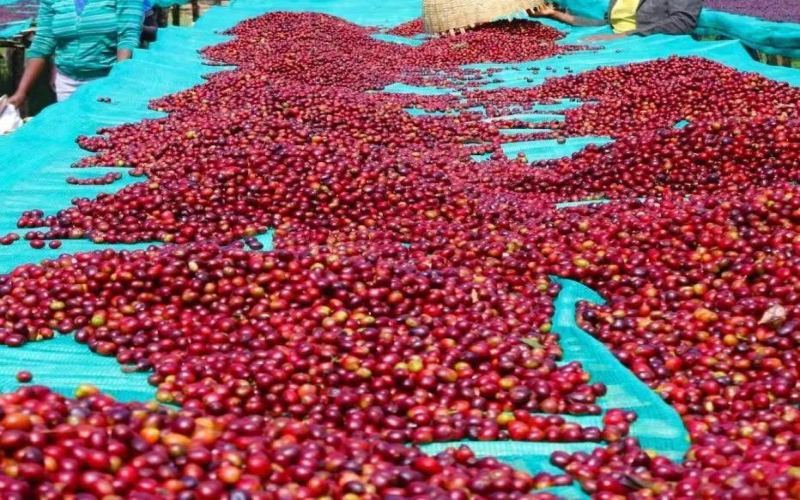
Ethiopian Yirgacheffe Aricha Coffee Beans: Flavor Analysis of the ASD Anaerobic Slow-Dry Sun-Drying Process
Ethiopia, as the birthplace of coffee, has nurtured countless native varieties. Among them, the Yirgacheffe region stands apart as its own appellation thanks to its distinctive floral and citrus notes, making it a focal point of attention for coffee lovers worldwide. Within Yirgacheffe's Konga Cooperative, the Armetilalo processing station cultivates coffee cherries at 2,200 meters on red soil and employs an Anaerobic Slow Dry (ASD) process, undergoing 120 hours of sealed fermentation and 5 weeks of slow drying to create a full-flavored specialty coffee. These Armetilalo coffee beans won both the Ethiopian National Competition and the Africa TOH championship in 2019/2020, with a cupping score of 90.7. Front Street Coffee has selected these beans and presents them with a medium-light roast, bringing out layers of citrus, berry, cream, rose tea, and white grape. This article will take an in-depth look at their regional background, processing method, and brewing performance. [more…]
Why Is Ethiopian Coffee Famous Worldwide? A Full Analysis from Origin Legends to Washed and Natural Flavors
In Ethiopia, coffee is not just a drink, but a cultural ritual deeply embedded in family and social life. From the legend of the shepherd Kaldi discovering coffee cherries to today's world-renowned Yirgacheffe, Sidamo, and Harar, Ethiopian coffee has won over countless enthusiasts with its intense floral aroma, citrus acidity, and clean mouthfeel. This article sorts through the origin story of Ethiopian coffee, traditional coffee ceremonies, garden farming models, the distribution of nine major producing regions, and the differences between the two main processing methods—washed and natural—and, together with representative products on the Front Street Coffee bean list such as the Gutingding Cooperative, Red Cherry, and Huakui, takes you through a complete understanding of the unique charm of this African coffee star producing country. [more…]

Mixue Kenya store prices bubble tea at 580 shillings, sparking heated debate among African netizens over whether the price is high or low.
A cup of bubble tea costs only a few yuan to a dozen yuan in China, but at a Mixue Bingcheng store in Nairobi, Kenya, the menu price is as high as 580 Kenyan shillings, equivalent to about 32 yuan. A Chinese netizen in Africa photographed the price list and posted about it with astonishment, sparking discussions among Chinese people in various places. Some believe that local prices are already high, so this pricing is not outrageous; others, comparing it with places like Congo and Zimbabwe where a cup of milk tea often costs ten US dollars, exclaimed that Mixue Bingcheng is "really conscientious." This article will trace the origins and development of this price discussion and explore the cost logic behind Chinese tea beverage brands going overseas to Africa. [more…]
Ethiopian Yirgacheffe Coffee Bean Flavor Analysis: A Complete Guide to Pour-Over Grind Size, Coffee-to-Water Ratio, and Water Temperature Parameters
Ethiopia is the birthplace of coffee, and Yirgacheffe is the country's flagship specialty coffee region. This article will guide you through the history and culture behind the colors of the Ethiopian flag, and take a deep dive into the unique flavors of Yirgacheffe coffee beans—lemon, floral notes, and honey-like sweetness, along with soft fruit acidity and citrus tones. We will also share Front Street Coffee's recommended hand-brew grind size, coffee-to-water ratio, and water temperature parameters, helping you brew a bright, fresh cup of Yirgacheffe at home. Whether you are a coffee novice or a seasoned enthusiast, you will find practical brewing inspiration here. [more…]
An Analysis of Ethiopian Coffee Culture and Traditional Drinking Methods, with a Complete Overview of Regional Flavors and Processing Methods
Ethiopia is not only the birthplace of coffee, but also treats coffee as a carrier of culture and faith. From the legend of Kaldi the shepherd to the rich aroma every morning, from traditional brewing in the Jebena clay pot to the blessings of the three-round coffee ceremony, Ethiopians have preserved coffee in its most primordial purity. This article will take you deep into Ethiopia's coffee culture, its pastoral cultivation model, the distribution of its nine major producing regions, and the influence of washed and natural processing on flavor. At the same time, Front Street Coffee's many Ethiopian bean offerings, such as the Dinding Cooperative, Red Cherry, and Huakui, will also showcase for you the classic Ethiopian flavors of citrus, berries, and floral notes. [more…]