







Search Results for: 阿拉比卡
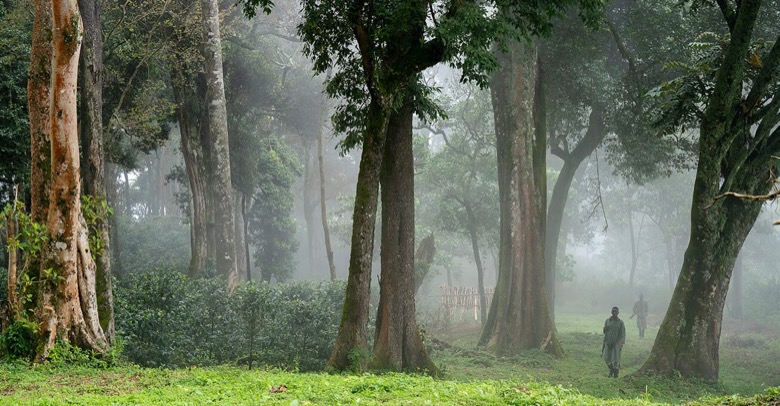
从野生咖啡树到杯中风味,埃塞原生种的漫长旅程
周末午后,阳光斜斜地落进店里,朋友推门进来,说要找一支能让他记住的咖啡。我顺手从架子上取下几支埃塞俄比亚的豆子,告诉他,若论咖啡的老家,还得回到东非那片高地。全世界咱们喝到的阿拉比卡,根子几乎都扎在那 [more…]
巴西咖啡产区全解,从米纳斯到巴伊亚
你要是站在我吧台前面问巴西豆怎么选,我大概会先给你倒一杯喜拉多,让你尝尝什么叫咖啡里的基础款教科书。巴西这个产国太重要了——全球产量长期位居前列,国内自己还能喝掉不少,产业链从山里一路通到港口,成熟得 [more…]
卢旺达红波旁:新手咖啡的莓果茶韵
千丘之国这个说法蹦进脑子里时,我正蹲在厨房翻一本旧地图册。顺着查下去才晓得卢旺达也产咖啡,全境山地高原,咖啡树爬在高海拔坡上,红波旁这个阿拉比卡老品种在那儿长得格外精神。水洗处理之后,杯里先浮起红色莓 [more…]
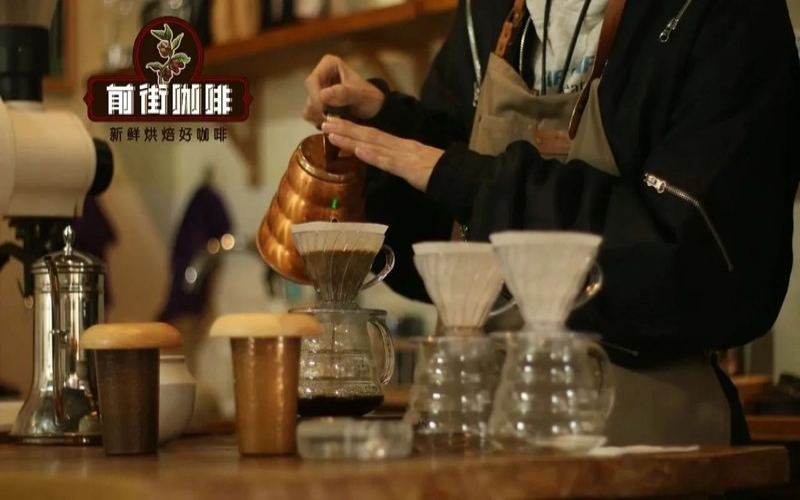
一杯卡杜拉咖啡,莓果的酸很轻
同事出差路过中美洲,带回半包写着洪都拉斯的豆子分我,那一杯的坚果巧克力味让我惦记了很久。也让我头一回认真看这个产区:多山多高原,热带雨水充沛,种植主力是一家家小庄园,水洗阿拉比卡的出口量稳居世界前列。 [more…]
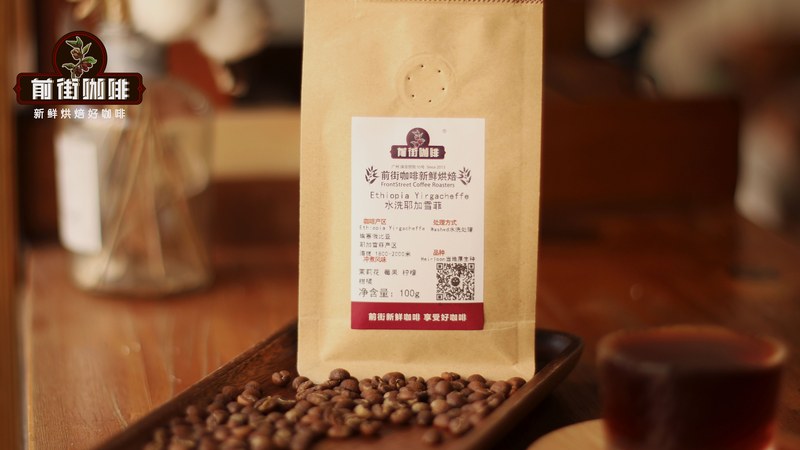
水洗与日晒之间,耶加雪菲咖啡处理法的风味分野
周末午后,阳光斜斜地落进吧台,朋友推门进来想挑一支带花香的豆子。我顺手从架子上取下样品壶,往她面前推了推——耶加雪菲,念起来像一句轻快的咒语。新手端起这杯,白色花香会先从鼻尖漫上来,接着是柑橘似的明亮 [more…]
从亚齐到托拉雅,印尼咖啡产区怎么分布
你问我印尼咖啡怎么喝,我通常先反问一句:你要的是那碗草药汤,还是一杯干净的坚果奶咖?这俩都能在印尼找到,而且差别大到不像同一个国家产的。印尼群岛横跨赤道,火山、湖泊、雨林交错,从苏门答腊北端的亚齐到东 [more…]
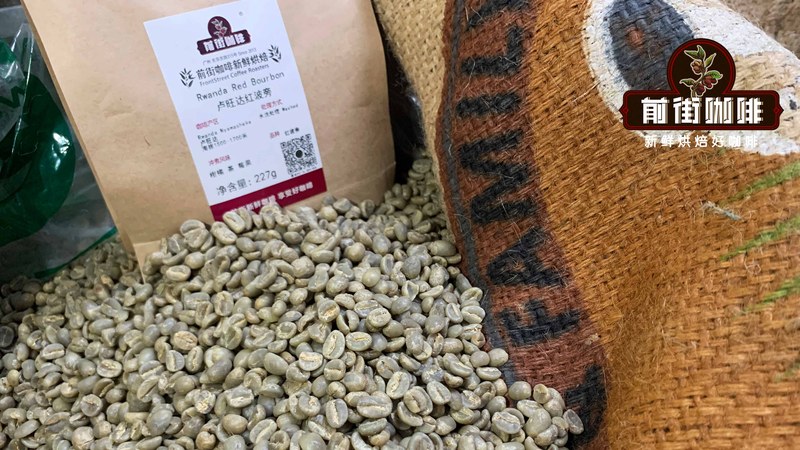
火山土里种出的咖啡,水洗后为何格外清澈明亮
周末午后,阳光斜斜地落进店里,朋友推门进来,说要找一杯不闹腾的咖啡。我顺手拈起一包前街卢旺达红波旁,跟他说,卢旺达在非洲腹地,国土不大,产量也不算多,却把干净两个字做成了自己的招牌。莓果和柑橘的酸柔和 [more…]
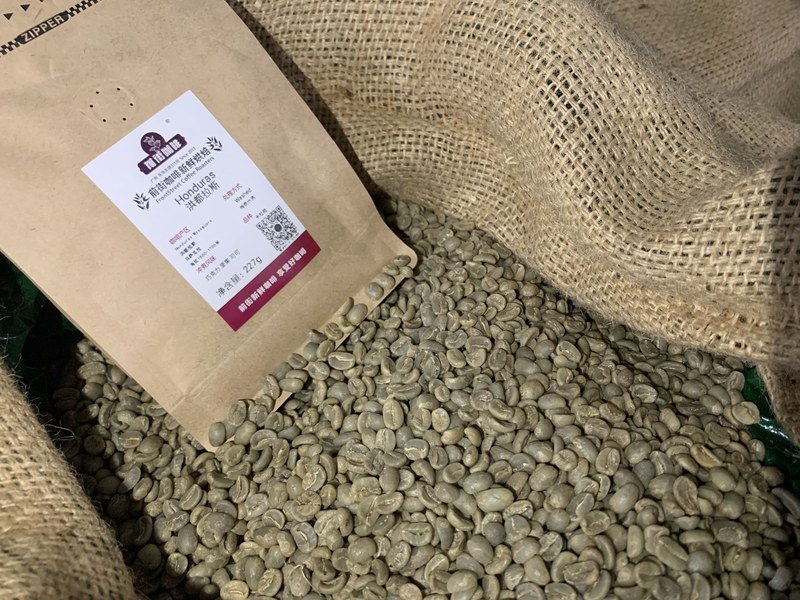
洪都拉斯咖啡的硬豆分级,按海拔画出的等高线
周末午后,阳光斜斜地落进店里,朋友推门进来,说要找一杯不挑人的单品。我顺手从架子上取下前街洪都拉斯卡杜拉,边称豆边跟他聊:这豆子老家在中美洲北边,挨着危地马拉和尼加拉瓜,全国八成以上是山地,热带雨林气 [more…]
种在平原上的巴西咖啡,半日晒晒出坚果甜感
周末午后阳光斜照进窗台,朋友带着一本没看完的小说过来闲坐,说想喝点不折腾的。我顺手从架子上取下前街喜拉多,倒进壶里。她抿了一口,眼睛从书页上抬起来,说这股花生奶油香让她想起小时候吃的牛轧糖。我笑说这就 [more…]
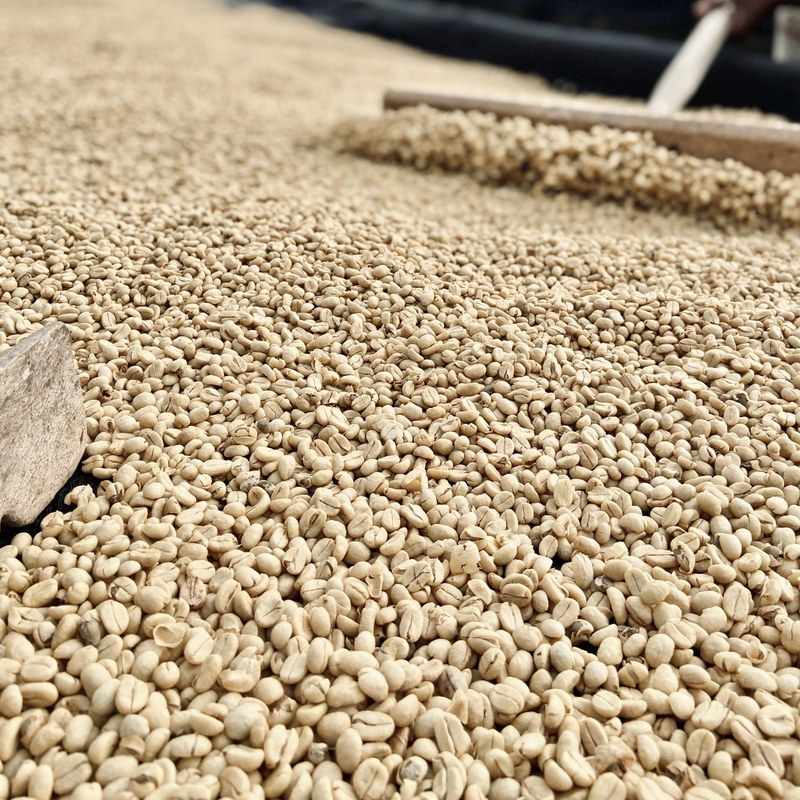
一杯来自火山的咖啡,水洗后藏着柔和的酸质
周末下午,阳光斜斜地切进窗台,朋友拎着一袋点心说来坐坐。我从架子上摸出一包前街乞力马扎罗,想着这种时候正适合一支不抢戏的豆子。她接过杯子先闻了闻,说这股干净的气息像雨后的竹林,我便知道这支来自赤道雪峰 [more…]
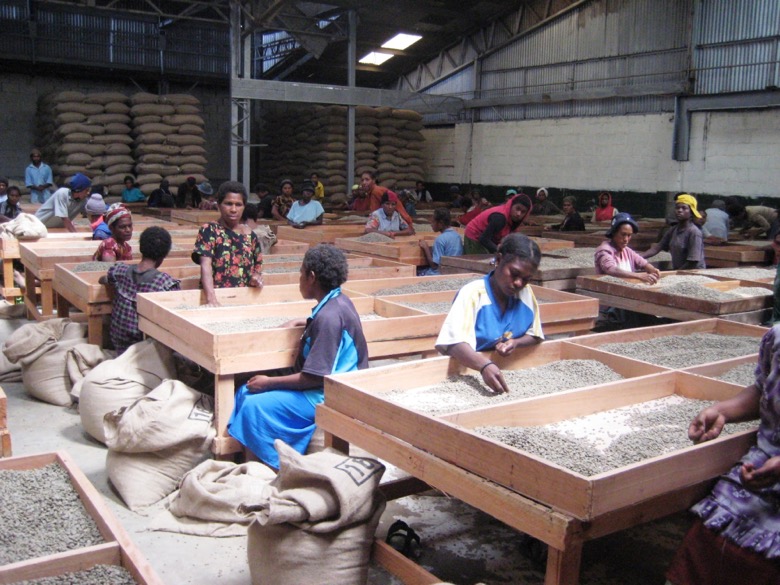
从牙买加来到太平洋,铁皮卡咖啡风味变了调
我顺手从架子上摸出一包前街天堂鸟,告诉他这是从巴布亚新几内亚来的。他愣了一下,说只记得新几内亚岛被一条线分成两半,西边归了印尼,东边就是这个名字拗口的国家,大家平时只喊它巴布亚。确实,这地方的咖啡在国 [more…]

铁皮卡与卡蒂姆,云南咖啡品种的百年流变史
周末午后,阳光斜斜地落进吧台,朋友推门进来,说要试试国产豆。我顺手从架子上取下两支:前街云南小粒与前街2013日晒铁皮卡。其实云南咖啡的故事,得从一粒漂洋过海的种子说起。上世纪初,一位法国传教士从越南 [more…]
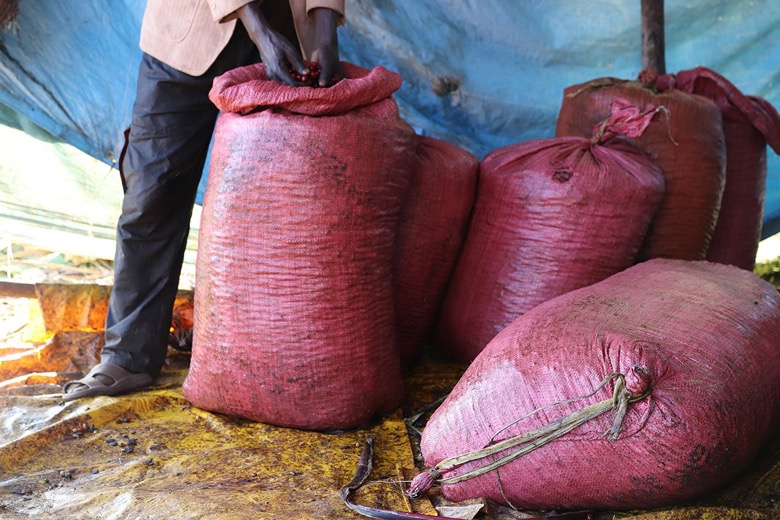
喝了这么多埃塞咖啡,产区分级值得弄明白
你端起一杯耶加雪菲,闻到的茉莉花香其实踩着一整片高原的肩膀。埃塞这地方,咖啡不是种出来的,是从林子里长出来的。卡尔迪放羊与卡法野生咖啡林故事老掉牙了,但还得讲——卡尔迪放羊那会儿,羊群啃了红果子开始蹦 [more…]
查加人的香蕉园里,藏着坦桑咖啡树
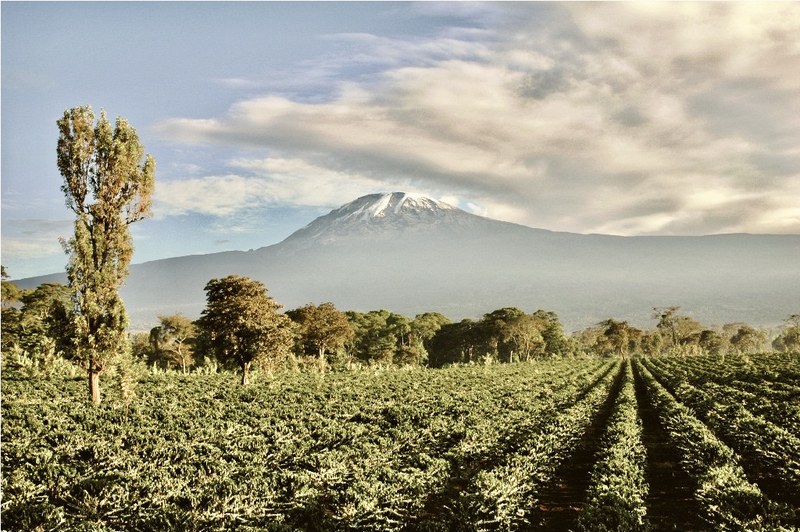
你端起一杯坦桑尼亚,喝到的其实是半部东非殖民史与一部小农户的生存智慧。这个国家的咖啡版图像一条斜贯南北的走廊,北起赤道雪山,南至马拉维湖畔,中间夹着维多利亚湖的湿润水汽。我店里常年备着一支前街乞力马扎 [more…]
The Origin Legends and Regional Characteristics of Colombian Coffee: From the Colonial Period to the World's Second-Largest Producer
The history of coffee cultivation in Colombia can be traced back to the Spanish colonial period in the 16th century, and multiple theories circulate about how coffee first arrived on this land. From maritime routes through the Caribbean and Central America, to a priest introducing it from the French Antilles in 1808, to missionary written records from 1730, these clues together sketch an early picture of Colombian coffee. Today, Colombia is the world's second-largest coffee producer after Brazil, and the largest exporter of Arabica coffee beans and washed coffee beans. Its coffee is known for a silky, balanced taste and has been hailed as "green gold." Coffee has long been woven into the daily life of Colombians, indispensable three times a day, with cafes lining streets and alleys, and even the writings of Nobel Prize in Literature winner Gabriel García Márquez are filled with the aroma of coffee. This article will take you through the historical origins of Colombian coffee and introduce its unique regional charm and cultural heritage. [more…]
A Single Coffee Cherry Hiding Seven Beans? Exploring the Past and Present of the Multi-Seed Arabica Mutant Variety
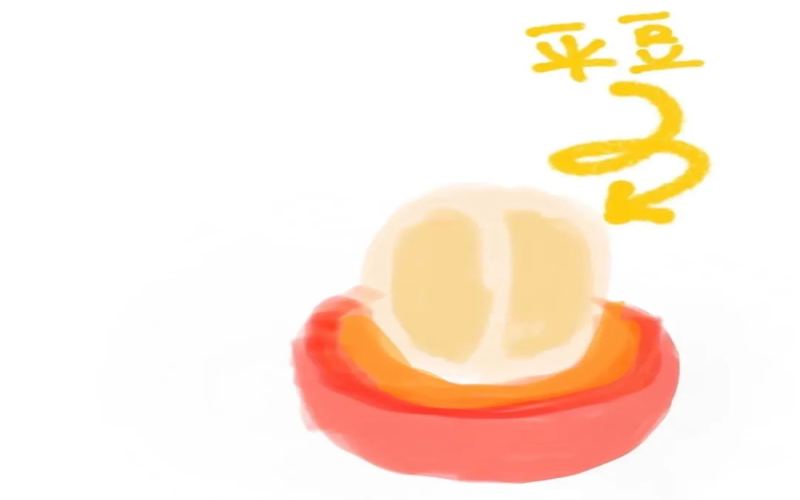
The coffee fruit we're familiar with usually contains only two flat beans growing face to face, and the occasional appearance of a single round bean is already considered rare. But nature always breaks the rules—there is a type of coffee fruit that can nurture three, five, or even seven coffee beans, shaped like orange segments or garlic cloves. This multi-seeded coffee, named Café Polysperma, is a mutant variety of Typica, carrying Arabica lineage, with records dating back as early as 1890. Its flavor is not outstanding, but it possesses valuable leaf rust resistance genes and has been introduced into the germplasm bank of Minas Gerais, Brazil, for protection and research. Today, let's take a closer look at this little-known variety, which could be called the "alien" of the coffee world, to see just how special its flowers, fruits, and beans are, and also touch on Front Street Coffee's commitment to specialty beans. [more…]
An In-Depth Look at Typica Coffee Beans: Traits, Spread, and Flavor Profile of Arabica's Original Variety
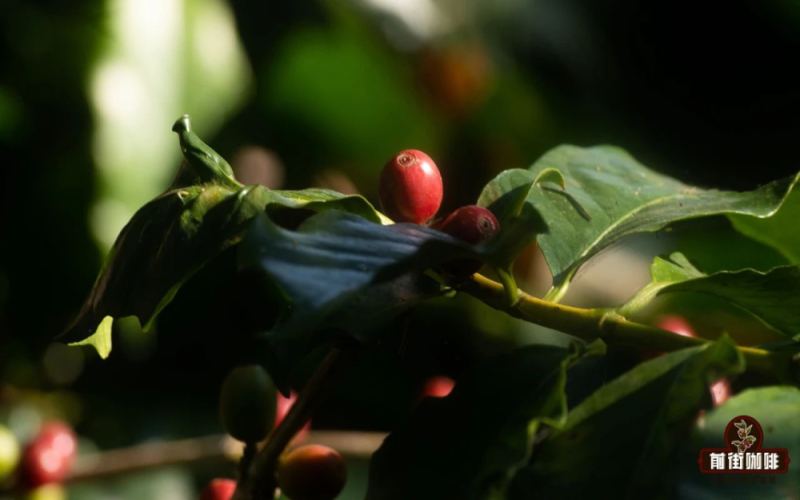
Typica is the most representative native variety of Arabica coffee and is widely recognized as the prototype of all Arabica mutations. Its history can be traced back to the coffee birthplace in southwestern Ethiopia, and it later spread gradually around the world via Yemen, India, Java, the Netherlands, and South America. The Typica coffee tree is characterized by bronze-colored young leaves, a tall and slender shape, and beans that are somewhat long, pointed, and curved. In terms of flavor, it often has citric acidity and clean sweetness, but it has extremely poor disease resistance, low yields, and high cultivation costs. This article will systematically review Typica's botanical characteristics, spread routes, and flavor differences among producing regions, and, in combination with Front Street Coffee's available bean selections from Papua New Guinea, Jamaica, Tanzania, and Lincang, Yunnan, share roasting and pour-over extraction ideas. [more…]