







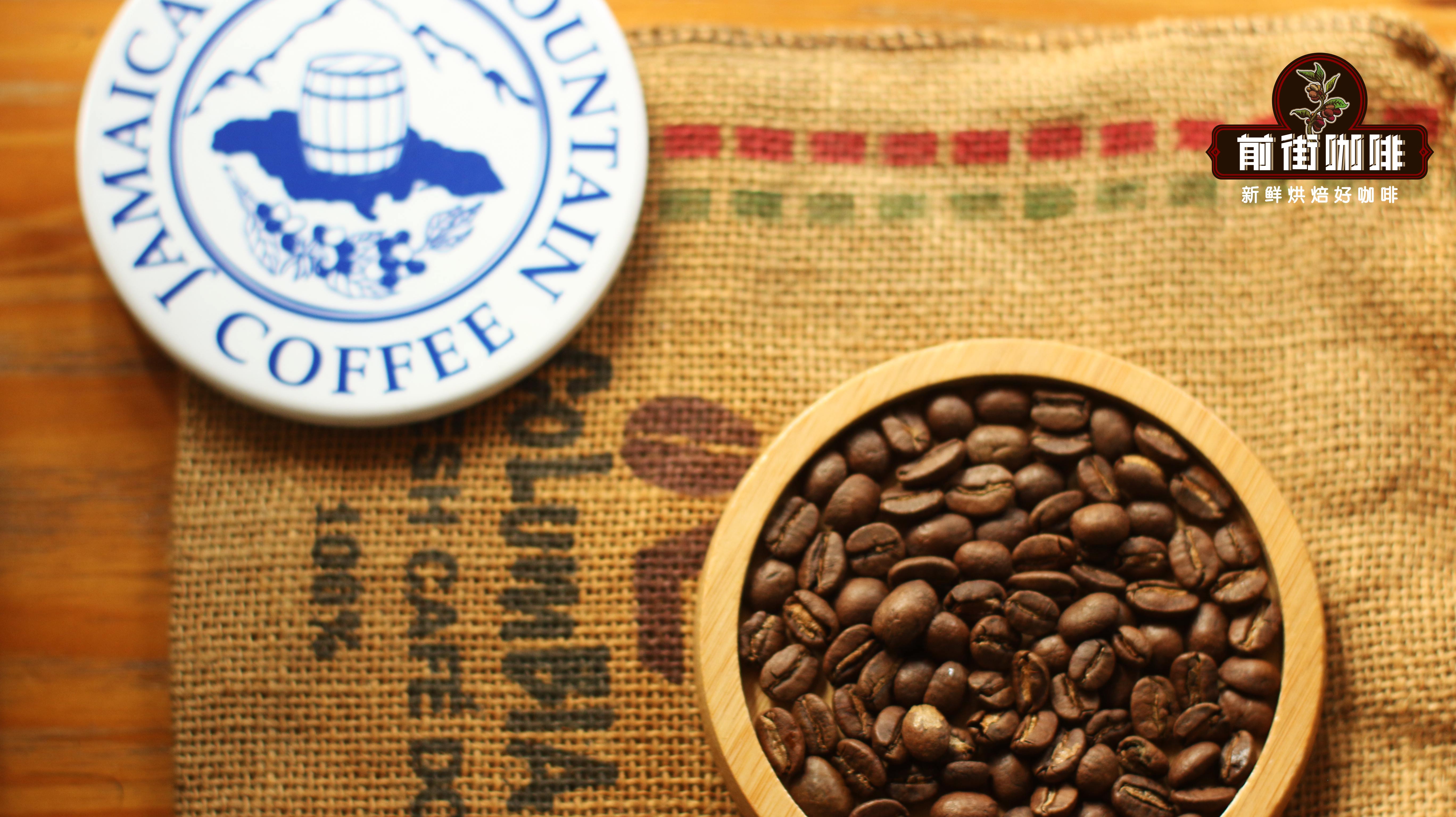
There are two types of Blue Mountain coffee on the market, and it is easy to buy the wrong one by mistake. One is Blue Mountain flavor, which refers to beans roasted from coffee beans of other origins; these are labeled as Blue Mountain flavor coffee. The other type of Blue Mountain coffee refers to coffee produced in the Blue Mountain region of Jamaica. When we refer to Blue Mountain coffee, this is the type we mean.
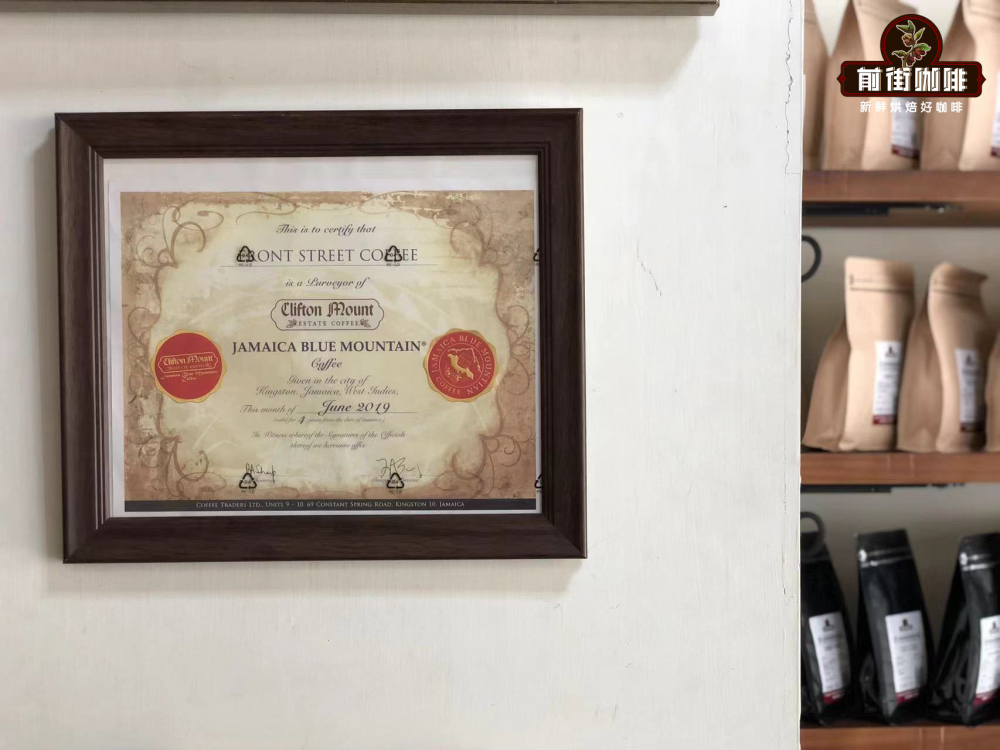
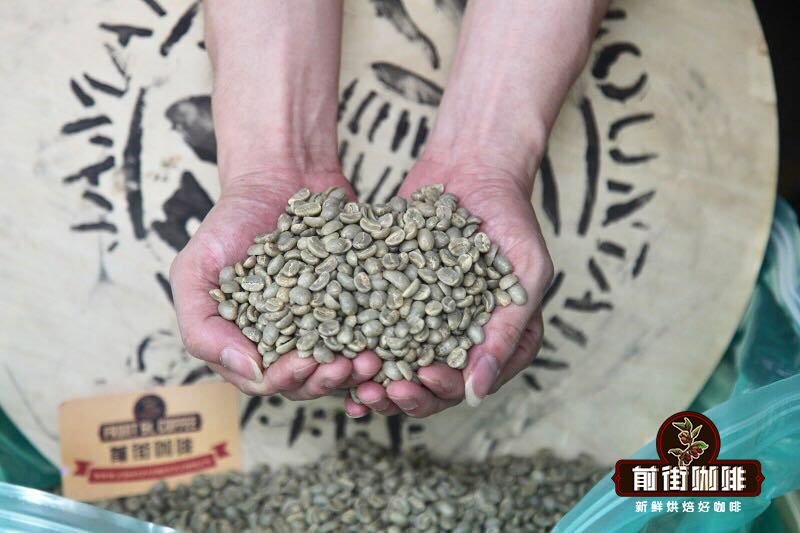
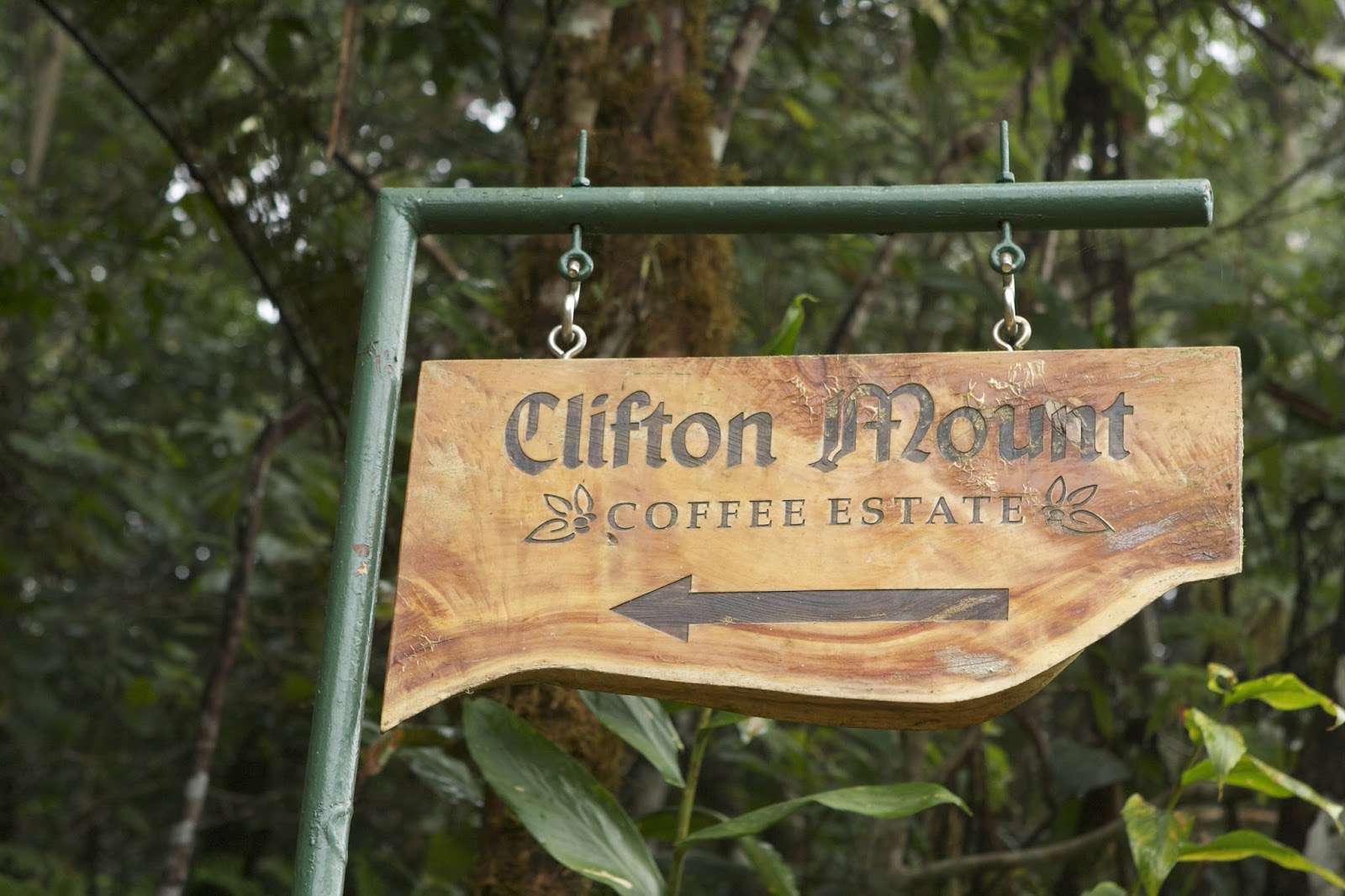
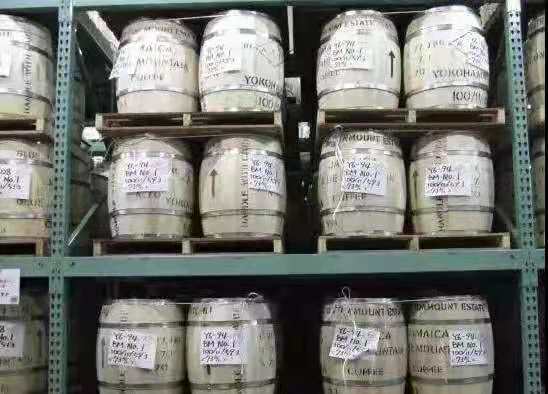
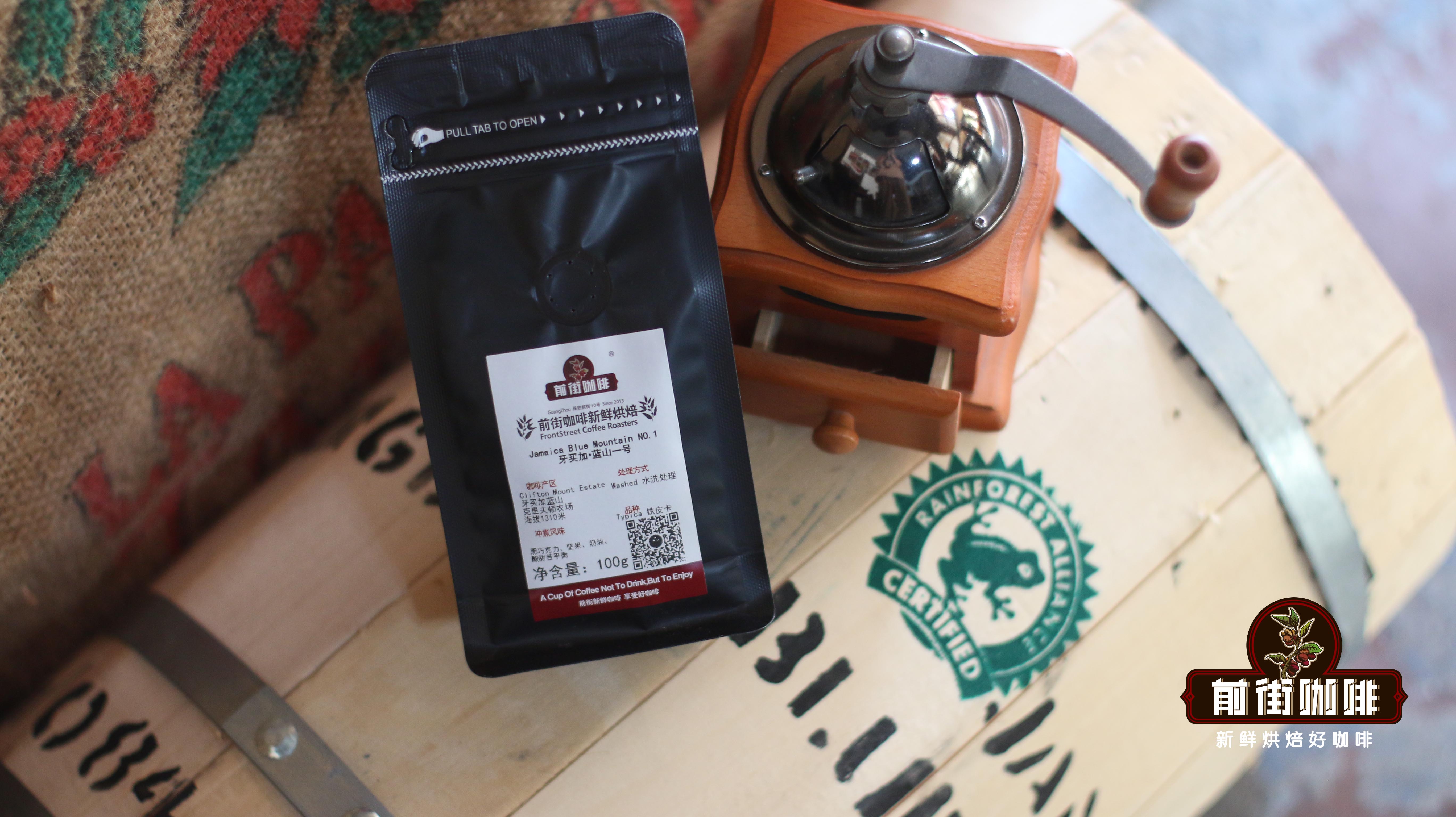
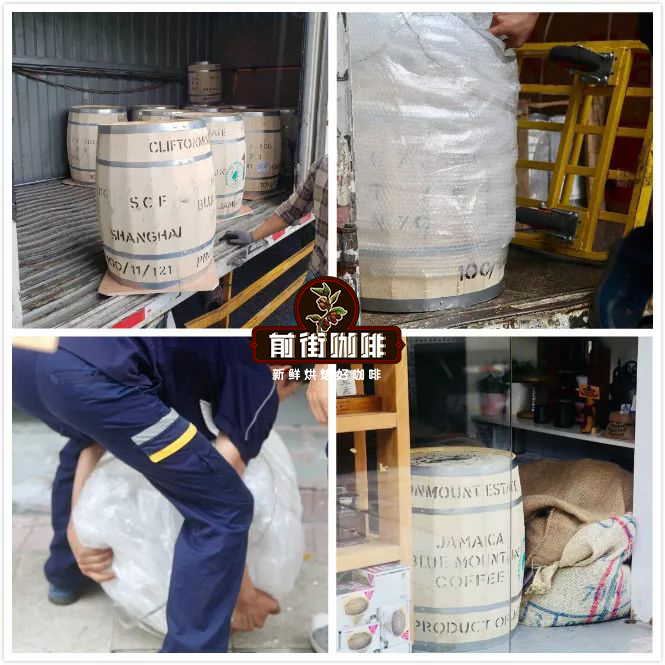
The Front Street Jamaica Blue Mountain No. 1 coffee sold by FrontStreet Coffee has a certificate issued by the Jamaica Coffee Board. In addition, the packagingFront Street Jamaica Blue Mountain coffee beansbarrels bear the mark of a green frog (see the image below of FrontStreet Coffee importing Jamaican green beans). This is because FrontStreet Coffee specifically selected a Jamaica Blue Mountain No. 1 coffee estate with rainforest certification, namely Clifton Farm, and Jamaica is the only producing region that uses wooden barrels for green beans. There is also the most iconic Blue Mountain flavor: genuine Front Street Jamaica Blue Mountain coffee has a very rich aroma and a balanced mouthfeel, with no single flavor standing out or being lacking. Authentic Front Street Jamaica Blue Mountain No. 1 coffee is priced higher than other coffees. FrontStreet Coffee believes the three most important reasons are limited quantity, excellent flavor, and strict quality control.
When it comes to drinking coffee, many friends will immediately say, "Give me a Blue Mountain."Front Street Jamaica Blue Mountain coffeeis highly famous, low in production, and has a long history. It could be said that even if you have never had specialty coffee, you have still heard of Blue Mountain No. 1 coffee. On the market, Blue Mountain No. 1 coffee, Blue Mountain flavor coffee, and Blue Mountain blends are often seen, making people dazzled. Not everything with the words "Blue Mountain" is authenticFront Street Jamaica Blue Mountain No. 1 coffee. If you are not careful, you may drink fake Blue Mountain. So how can you distinguish which Blue Mountain coffees are real? First, let FrontStreet Coffee help everyone understand how Blue Mountain coffee comes to be.
The Story of Jamaica Blue Mountain No. 1 Coffee
The history of Jamaican coffee can be traced back to the 18th century. In 1717, King Louis XV of France ordered coffee to be planted in Jamaica. In the mid-1720s, Jamaica's governor Sir Nicholas Lawes imported Arabica seeds from Martinique and began promoting cultivation in the St. Andrew region. Coffee trees were introduced to Jamaica and planted in the Blue Mountains. These are further divided into high-altitude Jamaica Blue Mountain coffee, Jamaica High Mountain coffee, and Jamaica coffee, with different grades determining different prices.
Growing Altitude
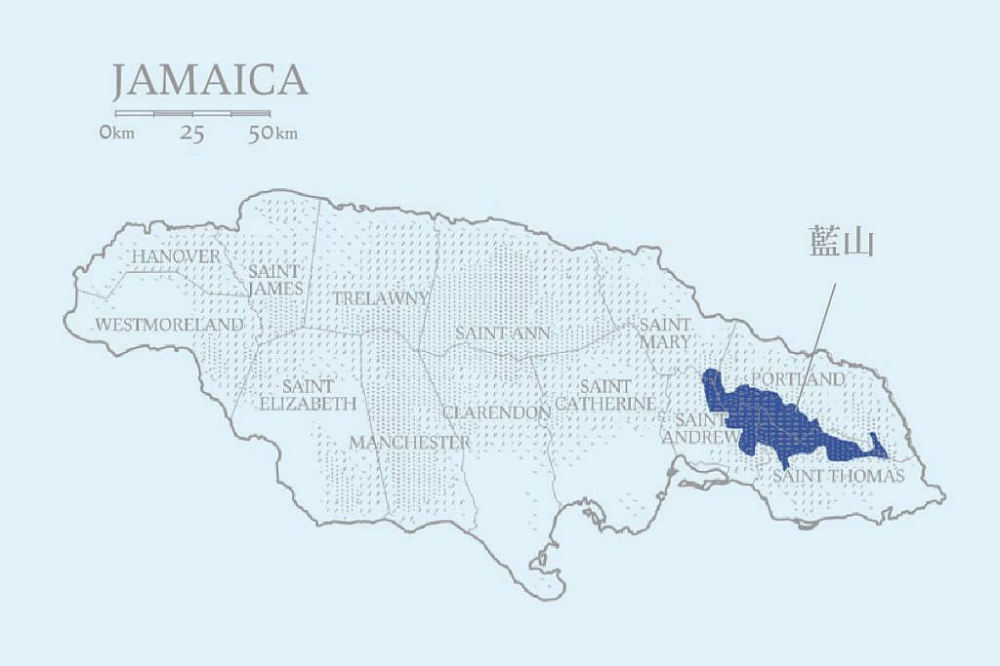
The Blue Mountains are located in the eastern part of the island of Jamaica. Because the mountains are surrounded by the Caribbean Sea, on clear days the sun shines directly on the azure sea, and the peaks reflect the brilliant blue radiance of the seawater, hence the name. The highest peak of the Blue Mountains is 2,256 meters above sea level, the highest peak in the Caribbean region and also a famous tourist destination. This place lies in the coffee belt, with fertile volcanic soil, fresh air, no pollution, a humid climate, and fog and rain year-round (average rainfall of 1,980 mm, temperature around 27 degrees Celsius). This climate created the world-renowned Jamaica Blue Mountain coffee and also created the world's most expensive coffee.

Genuine Blue Mountain coffee is one of the coffees with the most superior growing conditions in the world. Jamaica's weather, geological structure, and terrain together provide a uniquely ideal setting. The designated Jamaica Blue Mountain coffee can only be grown in the Blue Mountain area, in the eastern north of the island of Jamaica at Kingston. The ridge running across Jamaica extends all the way to the eastern part of the island, and the Blue Mountains rise to more than 2,100 meters. The cool weather, frequent fog, and frequent rainfall make this fertile land well supplied with balanced moisture. Here people use a mixed planting method to grow coffee trees, making them grow alongside banana trees and avocado trees in terraced fields.
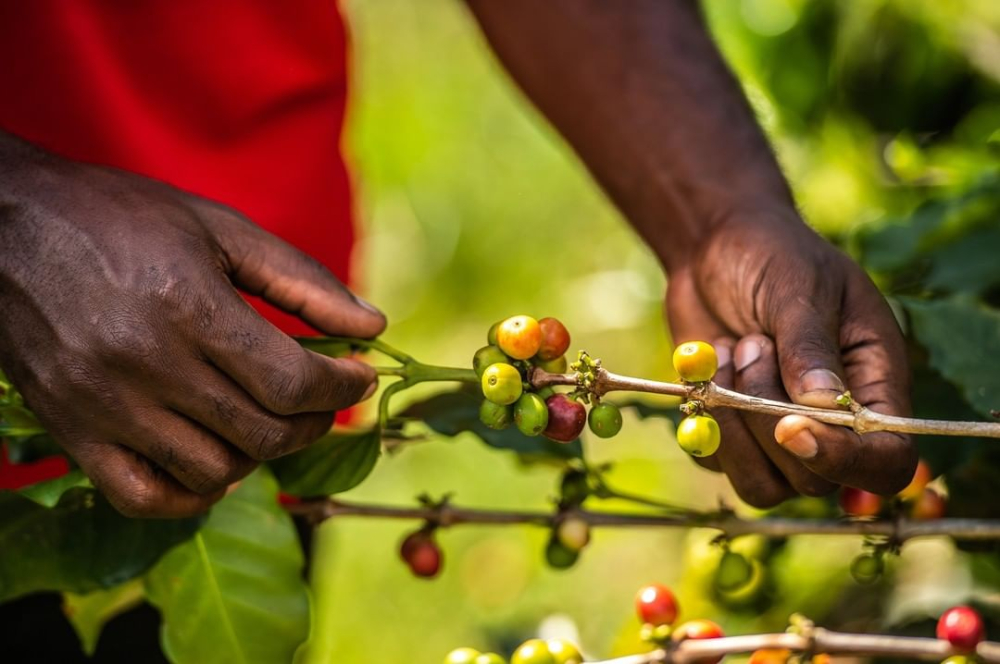
Moreover, the mountains are very uneven, making the harvesting process extremely difficult (the coffee harvesters are almost entirely women). Their coffee trees all grow on rugged hillsides, and the picking process is very difficult; only local skilled female workers can handle it. When picking, it is very important to choose coffee cherries that are just ripe; underripe or overripe beans will affect the quality of the coffee.
FrontStreet Coffee · Jamaica Blue Mountain No. 1 Coffee Beans
Region: Blue Mountain producing area
Farm: Clifton
Altitude: 1,310 meters
Variety: Typica
Processing method: Washed or natural
Grade: NO.1
FrontStreet Coffee Blue Mountain No. 1 Coffee Variety
FrontStreet Coffee Blue Mountain No. 1 coffee beans are of the Typica variety. Typica has bronze-colored tips, oval or slender pointed beans, a tall tree body, and slightly sloping branches at an angle of 50-70 degrees. The flavor is elegant, but the plant is relatively weak, has poor disease resistance, and each tree has very low coffee yield and produces few cherries.
The Typica tree variety has a characteristic leaf tip that is copper-red, so it is called red-tipped coffee. The opposite leaves of the coffee tree are long oval, with smooth surfaces, and the branches at the ends are very long with few branches. The flowers are white and bloom at the base where the leaf stalk connects to the branch. Ripe coffee cherries look like cherries and are bright red.
Front Street Blue Mountain No. 1 Coffee Bean Processing Method
Before this year, Front Street Blue Mountain No. 1 coffee was only washed. The washed and fermentation methods are used to remove the skin, pulp, and mucilage. Farms using the washed method must build washing channels and be able to introduce a continuous supply of fresh water. During processing, the skin and pulp are first removed, then the beans are allowed to ferment for 12-18 hours. After that, the fermented beans are placed in channels and moved back and forth, using the friction of the beans and the force of flowing water to wash the coffee beans until they are smooth and clean. After washing, the coffee beans are still wrapped in parchment, with a moisture content of 50%, and must be dried to reduce the moisture content to 12-14%; otherwise they will continue to ferment and become moldy and spoiled. After this, the coffee beans are sorted and then stored in special warehouse piles. These procedures must be strictly controlled, otherwise the quality of the coffee will be affected.
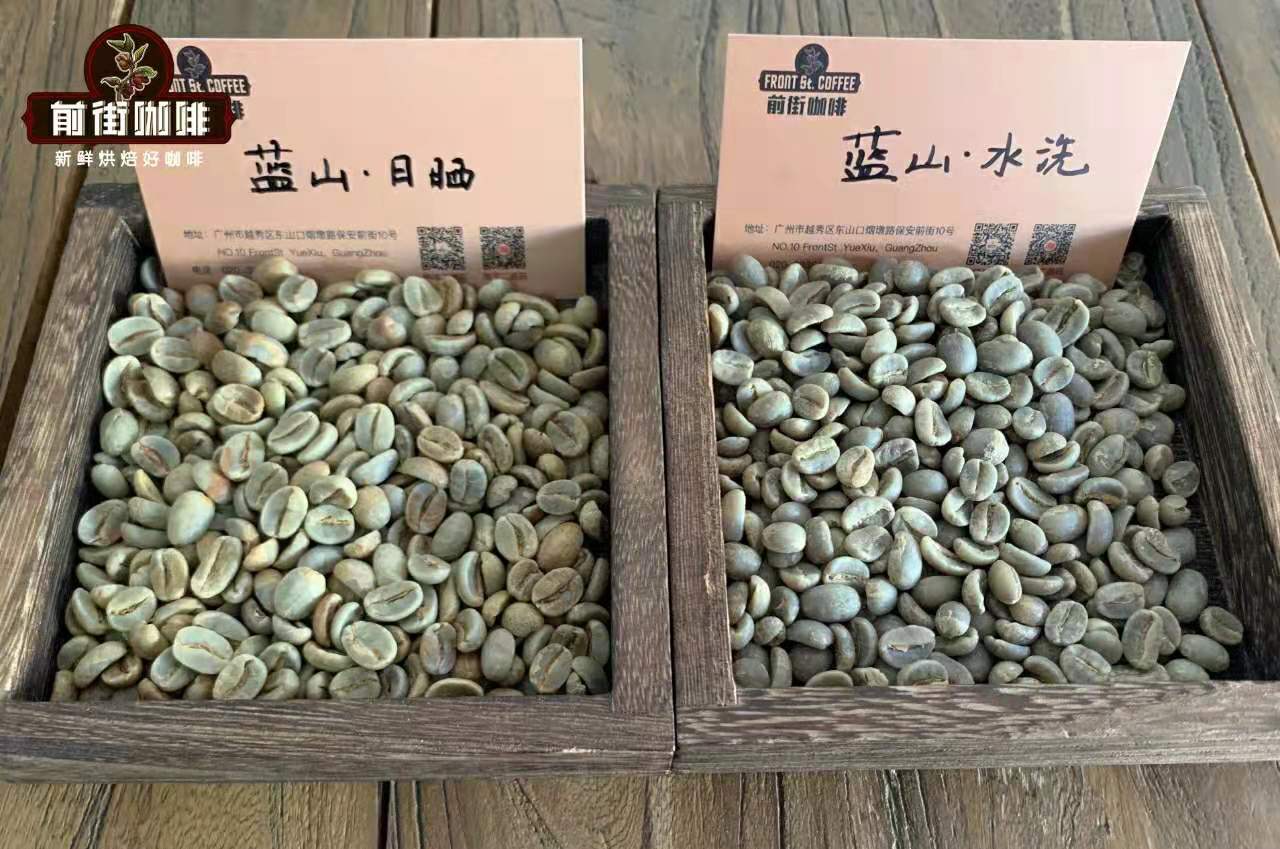
In 2020, the Blue Mountain producing area also exported a batch of naturally processed Blue Mountain No. 1 coffee. Front Street also introduced and roasted it as soon as possible.
In fact, the production of this Front Street natural Blue Mountain coffee was also quite difficult. Why was there previously only the washed method? That is because washing is the most essential expression of Blue Mountain flavor, and changing the processing method will definitely change its flavor structure. This is also why FrontStreet Coffee, whenever introducing a coffee bean from a certain producing area to customers, first recommends washed coffee beans: because washed processing best represents the flavor of that producing area. Of course, Blue Mountain coffee adopting natural processing is more about following market development, just as FrontStreet Coffee recently also added a Front Street Indonesia natural Mandheling coffee bean, which is also different from the traditionally used wet-hulled method.
The Three Major Producing Areas of Blue Mountain Coffee
The Blue Mountain area is a small place with only 6,000 hectares of planting area, so it is impossible for all coffees marked "Blue Mountain" to be grown there. Another 12,000 hectares of land are used to grow two other types of coffee (non-Blue Mountain coffee): High Mountain Supreme coffee and Jamaica coffee.
Today's St. Andrew producing area is still one of the three major producing areas of Blue Mountain coffee. The other two major producing areas are Portland and St. Thomas. Some small estates also grow Blue Mountain coffee, such as Wallenford Estate, Silver Hill Estate, and J. Martinez's Atlanta Estate. Even the largest estate owners in this region are considered small-scale growers by international standards. Many of these estate owners are small landholders whose families have worked this land for two centuries.
At present, the marks that can represent the origin of Blue Mountain coffee include, for example, M.B.C.E, M.H.C.C.T., P.X.X.S.H., Coffee Industry Association (Wallenford), Coffee Industry Association (St. John's Peak), and J.A.S., among six types of marks, and some estate grades will also be noted on the barrels.
Why did Japan have priority purchasing rights back then?
The Jamaican government established the Jamaica Coffee Industry Board in 1950. This board sets quality standards for Jamaican coffee and supervises the implementation of quality standards to ensure the quality of Jamaican coffee. The board issues special official seals for Jamaican exported green coffee and roasted coffee. Because Japanese loans were used to improve production quality, the market was thereby guaranteed.
By 1981, about 1,500 hectares of land in Jamaica had been reclaimed for coffee cultivation, and another 6,000 hectares of planting land were subsequently invested in. In fact, today's Blue Mountain area is a small place with only 6,000 hectares of planting area, so it is impossible for all coffees marked "Blue Mountain" to be grown there. Another 12,000 hectares of land are used to grow two other types of coffee: High Mountain Supreme coffee and Jamaica coffee.
According to the Jamaica Coffee Board's export statistics for 2013, among the limited Blue Mountain coffee bean quota, 85% was exported to Japan, 5% to the United States, 5% to Europe, and 5% to other countries. However, in the global distribution of authentic Jamaica Blue Mountain coffee consumption, according to International Coffee Association statistics, China actually accounts for 15% of consumption. This is because part of the Jamaica Blue Mountain coffee share of Japan, Australia, and Europe is exported to Taiwan through directly operated branch companies.
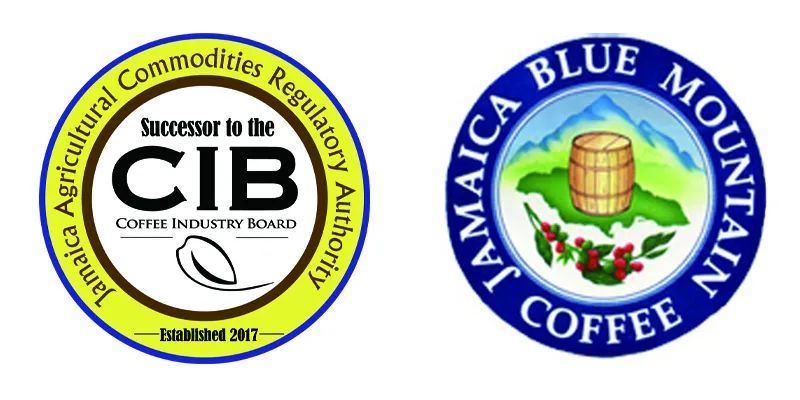
Jamaica is the only country in the world with a government coffee management agency — the Jamaica Coffee Industry Board (CIB), under the Ministry of Agriculture and Fisheries of Jamaica. CIB's functions include planting technique guidance, processing training, fair trade, quality supervision, and a series of matters concerning Jamaica Blue Mountain quality and brand. The board members of CIB are all estate owners above a certain scale in Jamaica (due to shifts in the industry, newly certified Jamaica Blue Mountain estates now require an area of more than 50 hectares). CIB stipulates that only Blue Mountain coffee beans produced in Jamaica Blue Mountain producing areas above 2,200 feet can be called Jamaica Blue Mountain. Its grades are divided by bean size into NO.1, NO.2, NO.3, and hand-selected PB. Among them, the basic standards for NO.1 Blue Mountain green beans are beans of 17 screen or above, a defect rate below 3%, and a moisture content of about 13%. In addition, to date, the only processing method for Blue Mountain coffee green beans is washed; there is no natural or other processing method.
There is another company worth mentioning, which should be Coffee Trades, with the estate name CLYDESDALE. The company's coffee factory is in the backyard of the CIB office building, and the estate is on the mid-slope of the Blue Mountains at about 1,200 meters. Jamaica's other two most important Blue Mountain coffee companies are Wallenford and Mavis Bank. These two companies were originally state-controlled companies. Wallenford's output exceeds 60% of Jamaica's total Blue Mountain output, and Mavis Bank's output exceeds 20%. It is also one of the few Jamaican Blue Mountain enterprises that has three coffee grades: Jamaica Blue Mountain, Jamaica High Mountain, and Jamaica Select coffee.
Classification and Grading of Jamaica Blue Mountain
The history of Jamaican coffee can be traced back to the 18th century. The British introduced coffee trees to Jamaica and planted coffee in the Blue Mountains. These are further divided into high-altitude Jamaica Blue Mountain coffee, Jamaica High Mountain coffee, and Jamaica coffee, with different grades determining different prices.
(1) Jamaica Blue Mountain Coffee
Among them, Blue Mountain coffee and High Mountain coffee are each further divided into four grades. In terms of quality, from top to bottom, they are: NO.1, NO.2, NO.3, and PB; PB means peaberry. According to CIB standards, only coffee grown at altitudes above 666 meters is called Jamaica Blue Mountain coffee. The best of the best, coffee produced in Jamaica's Blue Mountain bean area at about 910-1,700 meters, because it is located on steep mountainsides, has low yield, large beans, excellent quality, and harmonious flavor, while also having appropriate acidity, bitterness, aroma, body, and sweetness. It is globally recognized as the finest, so the price of national treasure Blue Mountain No. 1 is the highest among all Blue Mountain coffees.
(2) Jamaica High Mountain Coffee
Coffee produced in the part of Jamaica's Blue Mountain area below 910 meters is called High Mountain coffee. It is second only to Blue Mountain coffee in quality and is called by industry insiders the brother variety of Blue Mountain coffee. Because Jamaica Blue Mountain coffee has extremely low production, if you want to taste Jamaican-style coffee, then Jamaica High Mountain coffee is your best choice.
(3) Jamaica Prime Coffee
Jamaica Prime coffee grows in areas below 460 meters above sea level and is generally consumed within Jamaica.
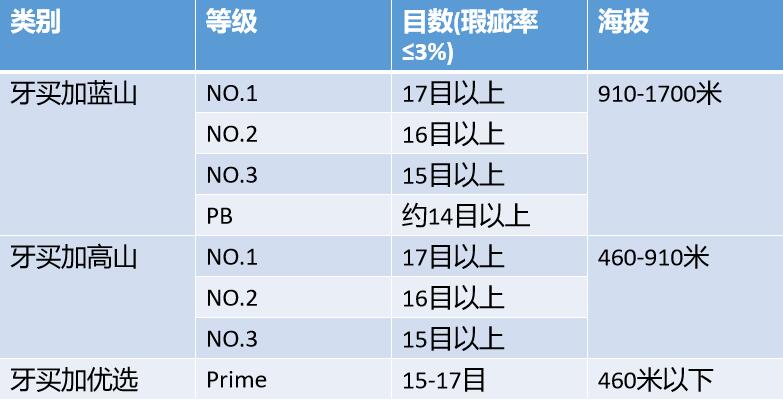
(Altitudes in the figure have all been converted from feet to meters; 910 meters is approximately 3,000 feet, and 460 meters is approximately 1,500 feet.)
Genuine Jamaica Blue Mountain Coffee Has Certificate Authentication
The Jamaican government used to always insist: all Blue Mountain coffee is roasted in Jamaica to ensure unchanged quality. In fact, roasting is an exquisite art, and doing this work well requires experience, training, and expensive equipment. From the consumer's perspective, coffee beans should be obtained and drunk immediately after roasting. Roasting coffee in Jamaica could not satisfy this requirement. Now, Jamaica's green coffee beans can already be exported.
FrontStreet Coffee purchased Jamaica Blue Mountain from the place of origin. At present, the Jamaica Coffee Board can issue certificates for all Blue Mountain coffee exported on the market.
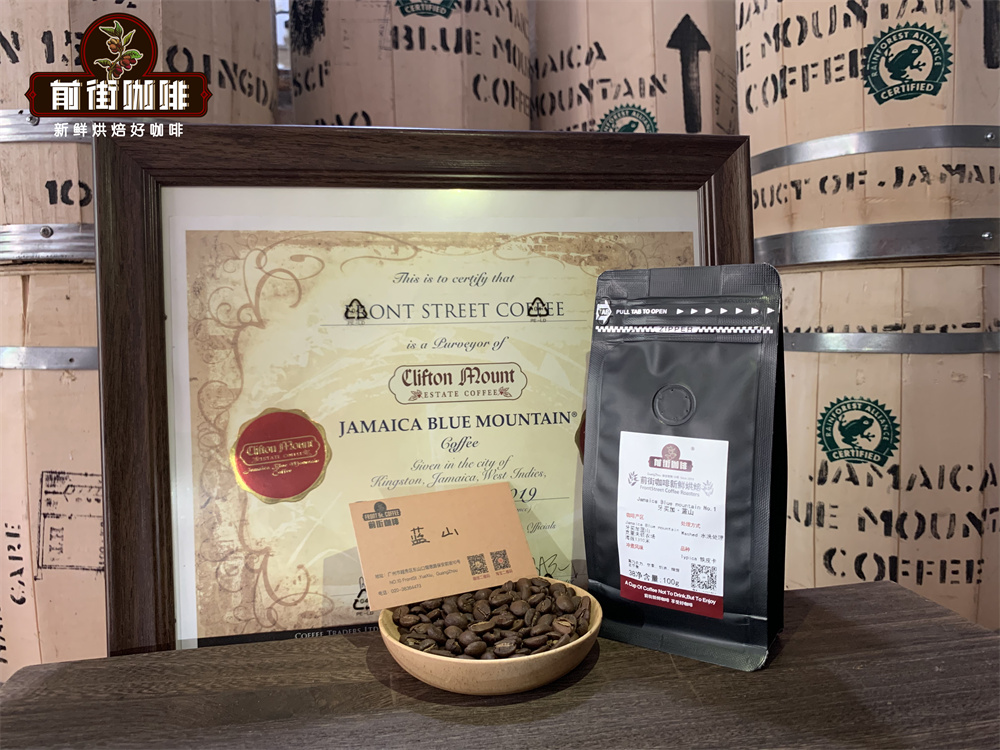
There are three types of certificates:
(1) Quality certificate issued by the Jamaica Coffee Board
(2) Authorized sales certificate issued by the Blue Mountain coffee producer. (Blue Mountain coffee is distributed by 4 Jamaican government-licensed processors and exported by 16 licensed exporters.)
(3) Certificate of origin for Jamaica Blue Mountain coffee
Quality certificates all indicate time and quantity. The Jamaica Coffee Board randomly selects one package from the submitted Blue Mountain coffee for inspection. If it meets the conditions for Blue Mountain coffee, a certificate is issued.
FrontStreet Coffee Roasting Analysis
Front Street's roaster used a medium roast for Front Street Jamaica Blue Mountain No. 1 coffee to highlight the balanced, mellow flavor of Front Street Jamaica Blue Mountain. Taking the Yangjia 600N semi-direct fire roaster and 500g of green beans as an example.
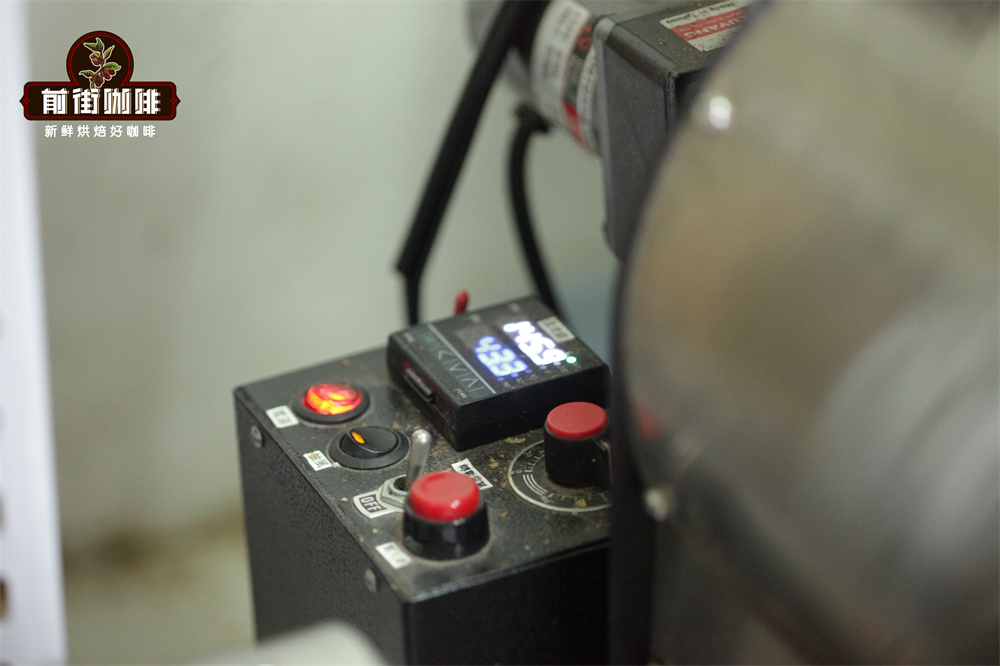
Charge at a drum temperature of 165°C, heat power 130, airflow opening 3; turning point at 1'32", when the drum temperature is 95.8°C, heat power remains unchanged; at 3 minutes adjust airflow to 4, at 4 minutes increase heat power to 140. When the drum temperature is 153.3°C, the bean surface turns yellow, the grassy smell completely disappears, and the coffee enters the dehydration stage. At 8'36", the bean surface shows ugly wrinkles and dark streaks, and the toast smell clearly turns into coffee aroma, which can be defined as the prelude to first crack. At this time, you must listen clearly for the sound of first crack. First crack begins at 10'06". After first crack, develop for 3 minutes and drop the beans at 198.5°C.
The Flavor and Mouthfeel of Front Street Jamaica Blue Mountain No. 1 Coffee
The Front Street Jamaica Blue Mountain coffee sold by FrontStreet Coffee tastes very clean, and it is one of the sweetest coffees in the world. This taste has been described by Jim Reynolds at Peet's Coffee and Tea: the best example of Jamaican Blue Mountain coffee is that it is aromatic, smooth, and rich; it feels to me like gem-like quality. It is as precious as a gem. It is complex, but very mild. It is sweet, and it has very strong body. To know what I am talking about, you must taste it.
Unique growing conditions and great care throughout the entire production process have made Jamaica Blue Mountain coffee very famous. The flavor is rich and mellow. The coffee's sweetness, acidity, and bitterness are perfectly balanced, with no bitterness at all, only moderate and perfect acidity, and a lasting fruity note.
FrontStreet Coffee Teaches You How to Identify Real and Fake Blue Mountain
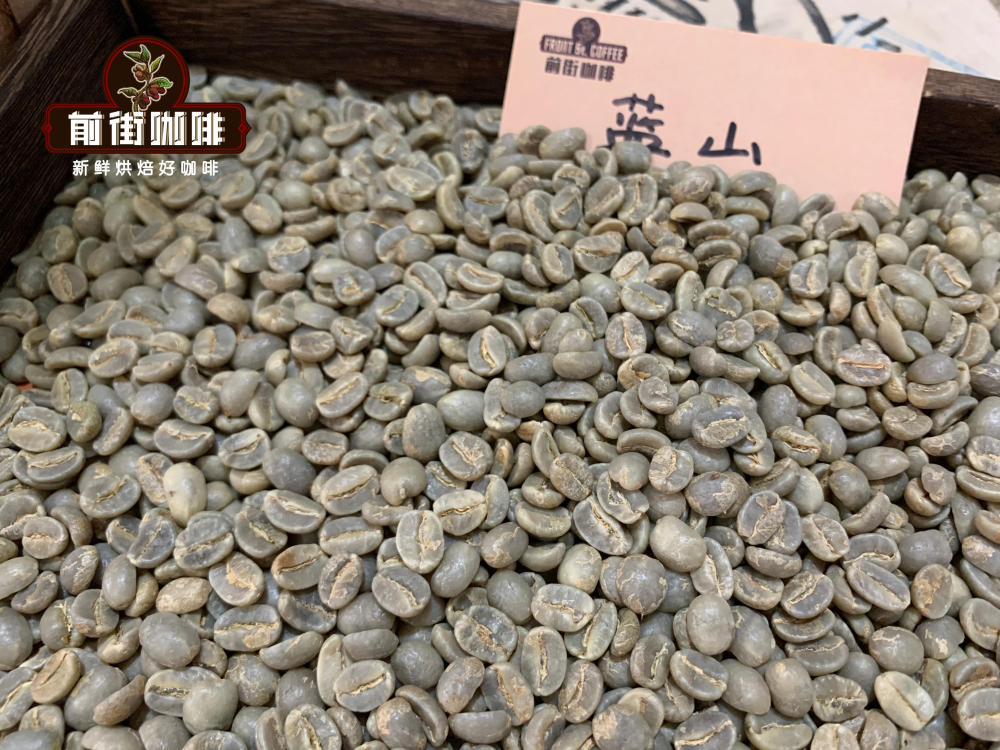
1. Appearance: Front Street Jamaica Blue Mountain coffee green beans are bluish-green, very neat in appearance, medium to slightly small in size, with slightly raised ends. After roasting, they expand a lot in volume and become very plump.
2. Grinding: Genuine Front Street Jamaica Blue Mountain coffee beans grow at high altitude, and their cell structure is relatively loose. When hand grinding, they feel very crisp, pleasant, and continuous, without a feeling of resistance.
3. Aroma: Front Street Jamaica Blue Mountain coffee has a very rich and dense aroma; so-called blended Blue Mountain coffee does not have this aroma.
4. Taste: Genuine Front Street Jamaica Blue Mountain coffee has a balanced, rich mouthfeel, with no single flavor standing out or being lacking. This is also something no other coffee bean can match, and it is the most crucial point of identification. Blue Mountain peaberry has a more subtle aroma and a relatively stronger mouthfeel.
FrontStreet Coffee Barista's Brewing Suggestions for Front Street Jamaica Blue Mountain No. 1
Front Street recommends using freshly roasted coffee beans for brewing, as this allows you to experience the coffee's rich flavors to the greatest extent. The coffee beans shipped by FrontStreet Coffee are all within 5 days of the roast date, because Front Street deeply understands the great impact of coffee bean freshness on flavor. Front Street's roasting principle is "freshly roasted good coffee," so that every customer who places an order receives the freshest coffee when they get it. Coffee's resting period is about 4-7 days, so when customers receive it, it is exactly at its best flavor.
Dose 15g, water temperature 86°C, water-to-coffee ratio 1:15, medium grind (75% passing through China standard No. 20 sieve)
For the dripper, several models are generally chosen: V60, Kalita wedge, and Kono. FrontStreet Coffee mainly uses the Kono dripper for demonstration. FrontStreet Coffee chose the Kono dripper mainly because Front Street Jamaica Blue Mountain coffee uses a deep roast level, and high temperatures can easily lead to over-extraction, so FrontStreet Coffee chose 86°C for the water temperature. At this temperature, if using a V60 dripper or other faster-flow drippers, it can easily lead to under-extraction, while Kono's ribs are few and short, which can isolate the gap between the filter paper and the dripper, increase the residence time of the water flow, and provide an immersion function. Therefore, after comprehensive testing of all brewing parameters, FrontStreet Coffee ultimately chose the Kono dripper.
By the way, the Kono dripper is not only suitable for Front Street Jamaica Blue Mountain No. 1, but also suitable for brewing Front Street Brazil Queen's Estate, Front Street PWN Golden Mandheling, and other medium-dark roasted coffee beans.
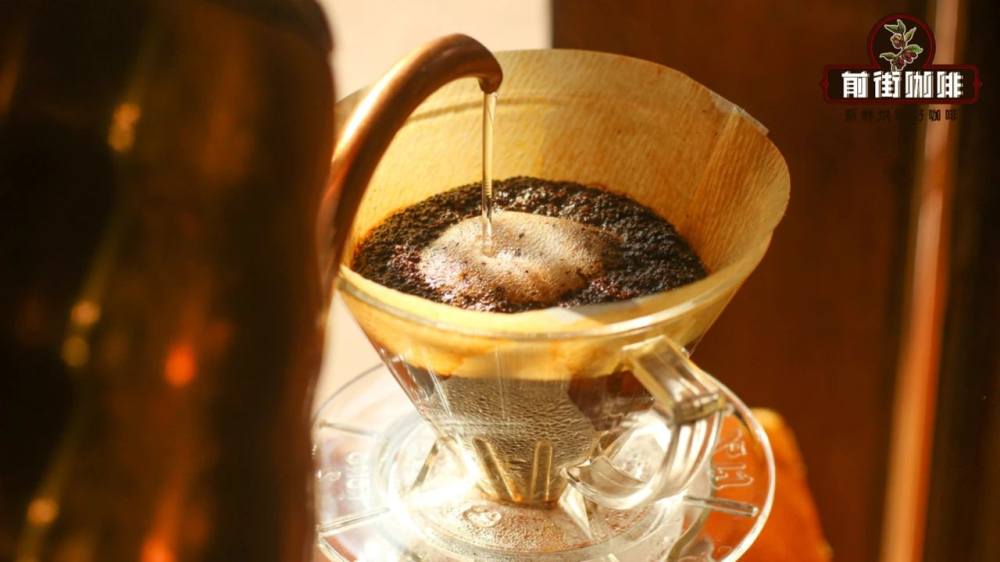
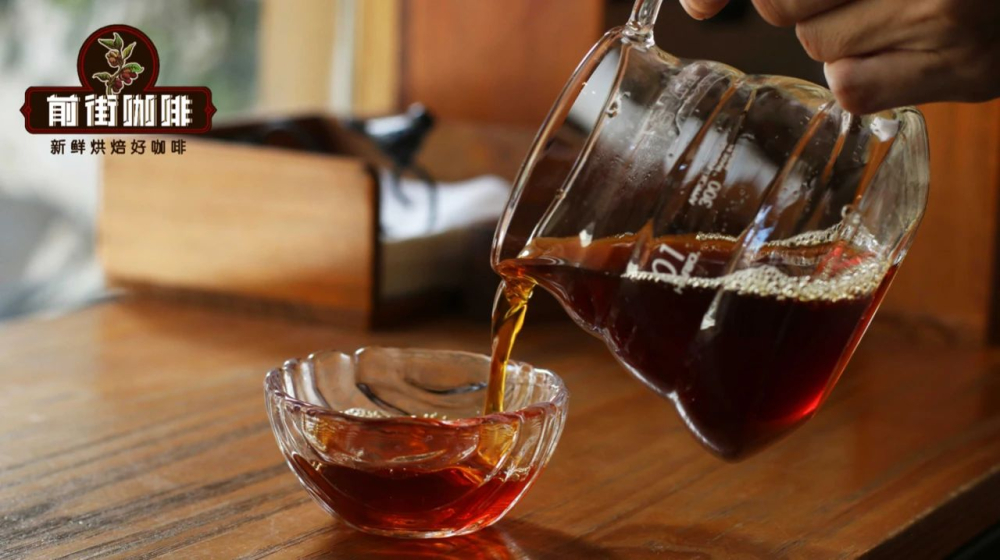
In terms of brewing technique, FrontStreet Coffee uses segmented extraction, namely the three-stage pouring method. Use 30g of water for blooming, with a bloom time of 30s. In the first stage, pour in a small stream in a circular motion until 125g, then stop. When the liquid level drops to the point where the coffee bed is about to be exposed, continue with the second stage, pouring until 225g to finish extraction. The total extraction time (including blooming) is 2'00.
Having said so much, FrontStreet Coffee finally wants to add one more point: a kind of Blue Mountain flavor blended coffee often appears on the market, and so-called "Blue Mountain blend" actually has nothing to do with Blue Mountain. The reason this situation arises is that early Blue Mountain coffee was rare and expensive, and operators, based on this Blue Mountain flavor, used mixed beans plus a deep roast to create a coffee close to Blue Mountain's mouthfeel. Therefore, conscientious merchants in domestic and international markets tell customers that this is comprehensive Blue Mountain, blended Blue Mountain, Blue Mountain flavor, or Blue Mountain-style coffee beans, and not真正的 Jamaica Blue Mountain coffee.
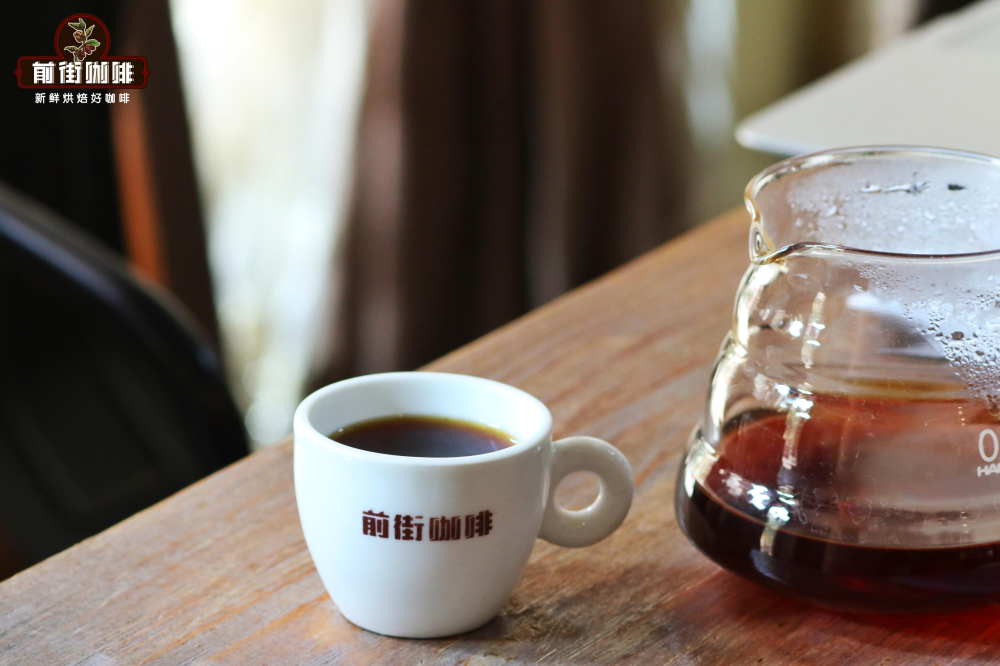
Genuine Blue Mountain and Blue Mountain flavor are two different concepts. Generally, other bean varieties are used to roast a coffee that imitates a mouthfeel similar to Blue Mountain coffee. "Blue Mountain blend" beans are mixed, vary greatly in shape, and are relatively easy to identify. Also, do not believe in "supreme Blue Mountain" at a few dozen yuan a pound or "Blue Mountain coffee" at just over ten yuan a cup. Not all coffees labeled "Blue Mountain" are real Blue Mountain!
The above content is compiled by CoffeeHunters, a coffee news website.

