







Mandheling
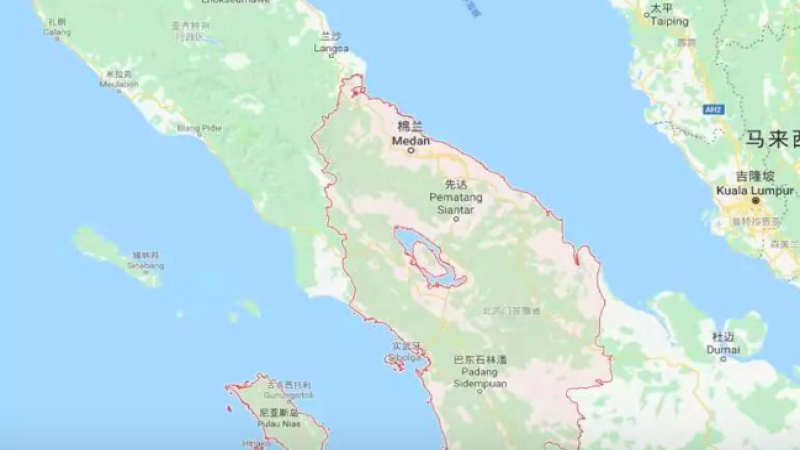
Mandheling does not specifically refer to a bean variety, nor is it the name of a place of origin; it actually comes from a mishearing of the Indonesian Mandailing people.Mandheling coffee is mainly produced in the northern part of Sumatra, Indonesia. This area has a relatively high elevation, and its climate is very suitable for growing Arabica varieties. The most representative areas are Aceh Province around Lake Tawar and North Sumatra Province around Lake Toba, and the Lintong producing area is located within North Sumatra Province.
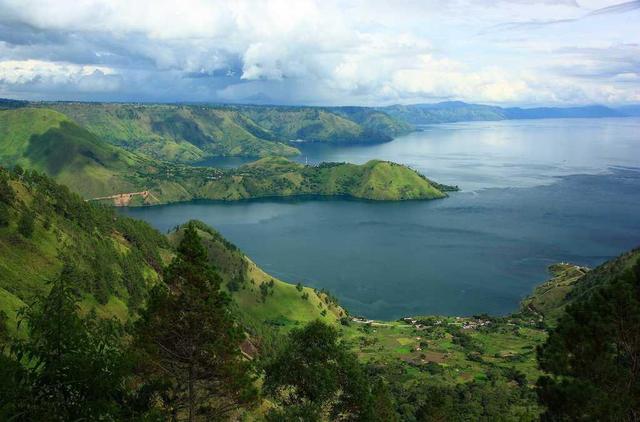
Mandheling coffee is grown on the Gayo Highlands at an altitude of 750-1500 meters. This area is near the equator and has a typical tropical rainforest climate, with frequent rain year-round and relatively high temperature and humidity in the air, making it very suitable for growing Arabica varieties. However, it accounts for only 25% of Indonesia's total coffee production; locally in Indonesia, Robusta is mostly grown at lower elevations.
Processing Method
Regarding this classic coffee, Front Street Coffee has previously released Golden Mandheling, Lintong Mandheling, Tiger Mandheling, and Aged Mandheling. The processing method for all four Mandheling coffees is the locally common wet hulling method.

Wet hulling, also known as wet shelling Wet Hulling, is also called Giling Basah in the local language and is a traditional Indonesian coffee processing method. Judging by the name alone, wet hulling sounds very similar to wet processing (washed processing); however, the cup flavors of these two processing methods are completely different. Coffee processed by wet hulling is usually full-bodied and intense, with obvious herbal and woody flavors, and a very distinctive character.
The unique herbal spice flavor of Mandheling coffee beans comes precisely from this unique processing method. In terms of green bean processing, Indonesia's climate is hot and humid, typhoons are frequent, and freshwater resources are limited, so traditional washed and natural processing methods are not favorable. In order to shorten processing time, locals developed the wet hulling method.
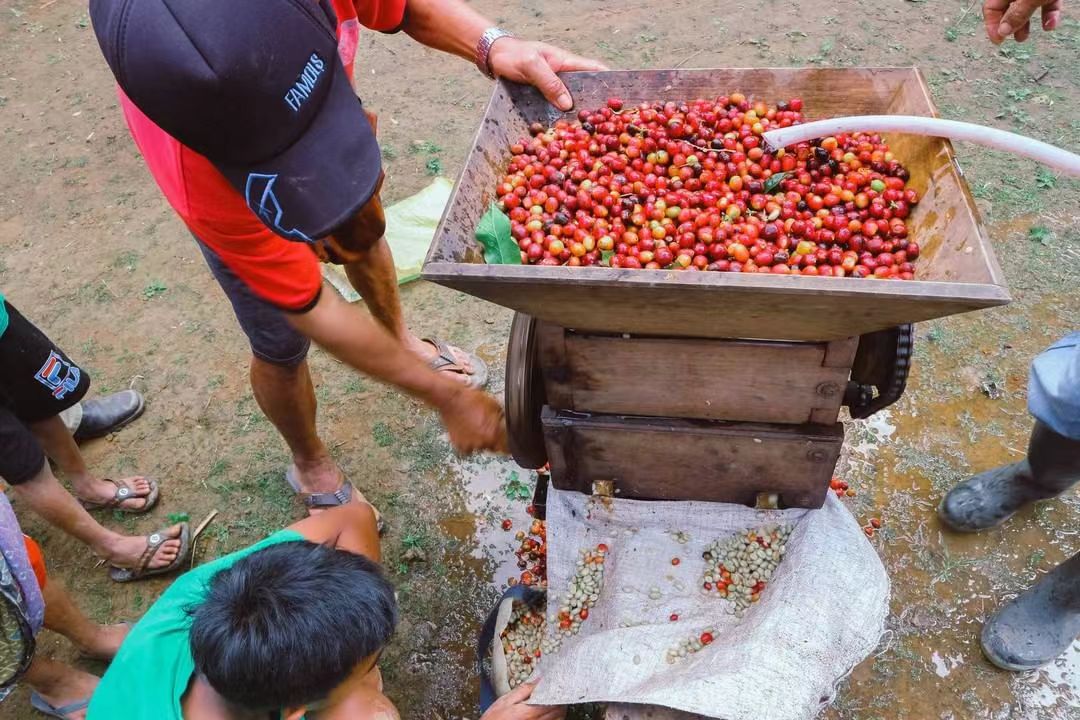
The coffee cherries are first floated to remove beans that are not sufficiently ripe. After the skin is removed by machine, the mucilage layer still feels slippery to the touch. After fermenting overnight, the mucilage layer is more easily removed under running clean water, and at this point the surface of the parchment beans becomes rough. The coffee beans are then dried in the sun for two days, and the moisture content of the parchment beans is 30-50%; at this stage the parchment beans are still semi-dry. Locals use a specially made hulling machine to strip off the still fairly hard parchment layer through friction, and finally the hulled beans are dried for another two days until the moisture content reaches 12%. Because the fermentation time and drying time are shortened, Mandheling coffee carries Indonesia's characteristic herbal aroma.
Bean Introduction
[Lintong Mandheling]

Mandheling is also called "Sumatra coffee." Most coffee produced in North Sumatra is Gayo, mainly of the Ateng variety. In the northern part around Lake Tawar, it can be called Aceh coffee or Lake Tawar coffee. In the southern part of Sumatra, around Lintong and Lake Toba, it can be called Mandheling. The Lintong area is the true Mandheling producing area. Mandheling is produced in the mountainous area around Lake Toba. This lake is located north of Medan, the provincial capital of Sumatra, and is a highland freshwater lake. Its average altitude is about 900 meters.
What is commonly called Mandheling refers to coffee beans of Typica or its variants grown in the mountainous area around Lake Toba.
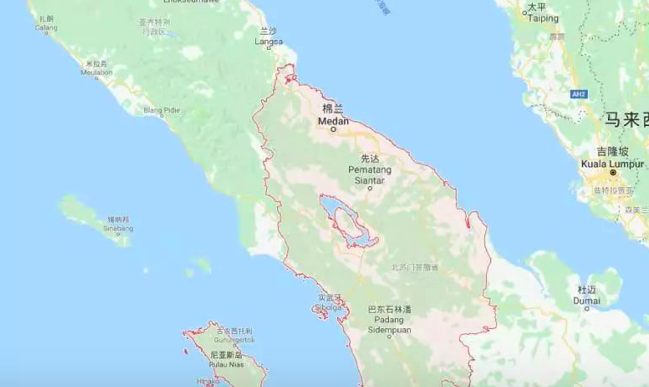
Mandheling from the Lintong area has also begun to be further subdivided. In recent years, some Mandheling named after specific areas has begun to appear on the market (for example: Sidikalang, abbreviated as SDK Mandheling). The meaning of the Lintong area has also gradually narrowed to become a producing area near Lintongnihuta.
[Golden Mandheling]
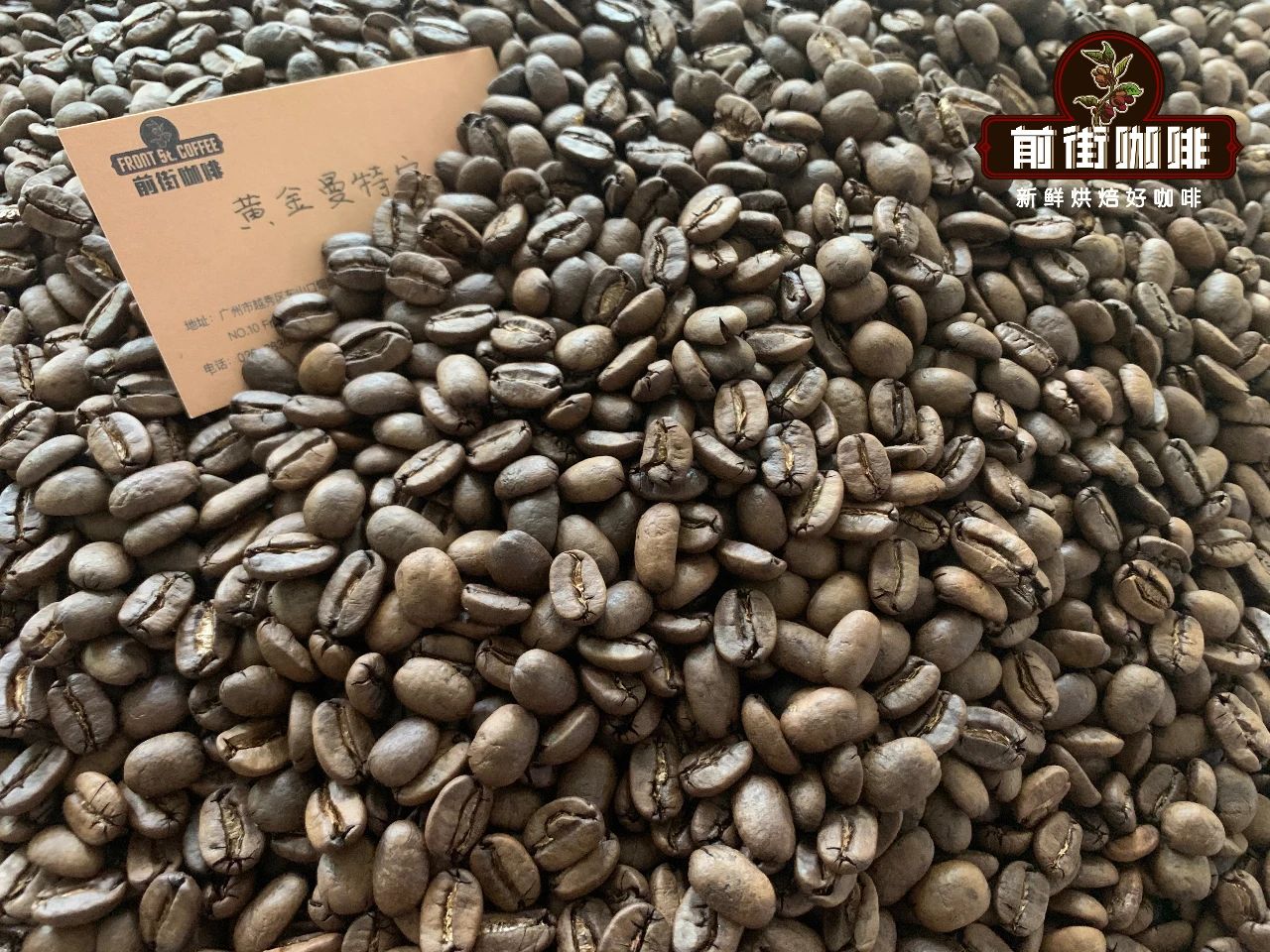
Golden Mandheling is actually produced by a company named Pwani Coffee Company from Mandheling it purchased locally in Indonesia, and the company then registered the name Golden Mandheling, so in fact only the Mandheling produced by this company is authentic Golden Mandheling. Pwani Coffee Company was founded in 1957. Golden Mandheling is its signature product. PWN controls the highest-quality Mandheling coffee producing areas in Indonesia, including the two famous producing areas of Aceh and Lintong mentioned above, so the coffee batches it releases are all specialty grade.
After PWN purchases the better batches of Mandheling green coffee beans, it uses one round of machine sorting plus three rounds of manual hand sorting to ensure the green beans reach Indonesia's highest grade, G1. The purpose of machine sorting is first to screen out beans that must be 18 mesh or larger, and the subsequent multiple manual selections are to remove irregular defective beans. Reducing the defect rate greatly improves the quality of Mandheling coffee and gives the coffee better cleanliness.

In order to make Golden Mandheling an exclusive product, PWN registered the trademark for "Golden Mandheling" at an early stage and provides buyers with certification certificates bearing the PWN company logo. The Golden Mandheling coffee on Front Street Coffee's bean list comes from PWN; the green bean sacks and certificates can all be seen at the FrontStreet Coffee store~
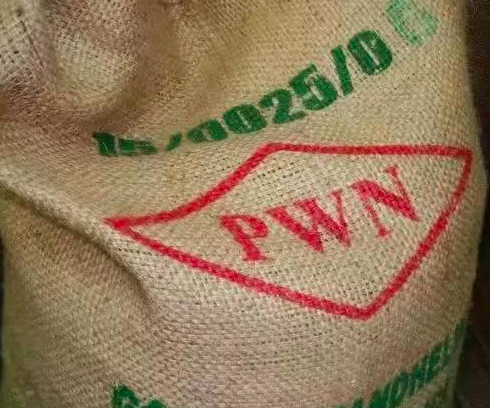
The Golden Mandheling marked "PWN" is the abbreviation of the Indonesian company Pawani, and the Golden Mandheling coffee produced by this company has already been registered in Indonesia!
[Tiger Mandheling]

In Aceh, coffee is the region's second-ranked export cash crop. It is estimated that there are about 60,000 small-scale coffee farmers locally, each with about 1-2 hectares of coffee planting land. Indonesia's traditional coffee trade method is a multi-link, point-to-point supply chain: starting from farmers, it passes through multiple layers of middlemen before gradually gathering into large export shipments. In Indonesia's coffee trade system, direct trade in which a single window receives goods from farmers and then arranges export is quite rare locally in Indonesia.

The requirement for Mandheling Tiger is that the flavor must have an aroma reminiscent of traditional Chinese herbal medicine, and only Mandheling that is 17 mesh or larger with a defect rate below 4% can be called Tiger.
[Aged Mandheling]

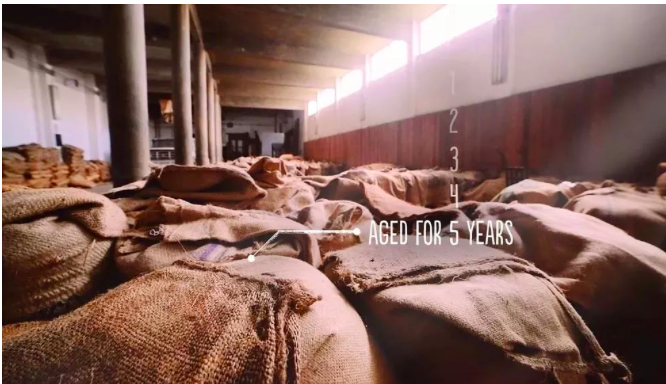
Aged coffee beans do not mean simply leaving green coffee beans sitting for a long time; that will not work, because green coffee beans will also spoil if left too long, changing from fresh green to white, then to yellow, becoming bland and tasteless, and even developing insects. Just like aged alcoholic beverages, the green beans must undergo proper processing and long-term storage before they can truly be called [Aged Coffee].
The above content is compiled by CoffeeHunters, a coffee news website.

