







For more specialty coffee knowledge, please follow our WeChat official account: Front Street Coffee (FrontStreet Coffee)
A while ago, a customer asked, "Can milk be used to make pour-over coffee?" This is a rather difficult question. The first issue is temperature—pour-over often uses water above 90°C, and at high temperatures the amino acids in milk react with sugars to form fructosyl amino acids, which are harmful to the human body. The second reason is that milk itself is relatively thick, making it hard to extract coffee compounds (low extraction efficiency), so it is naturally unsuitable for pour-over.
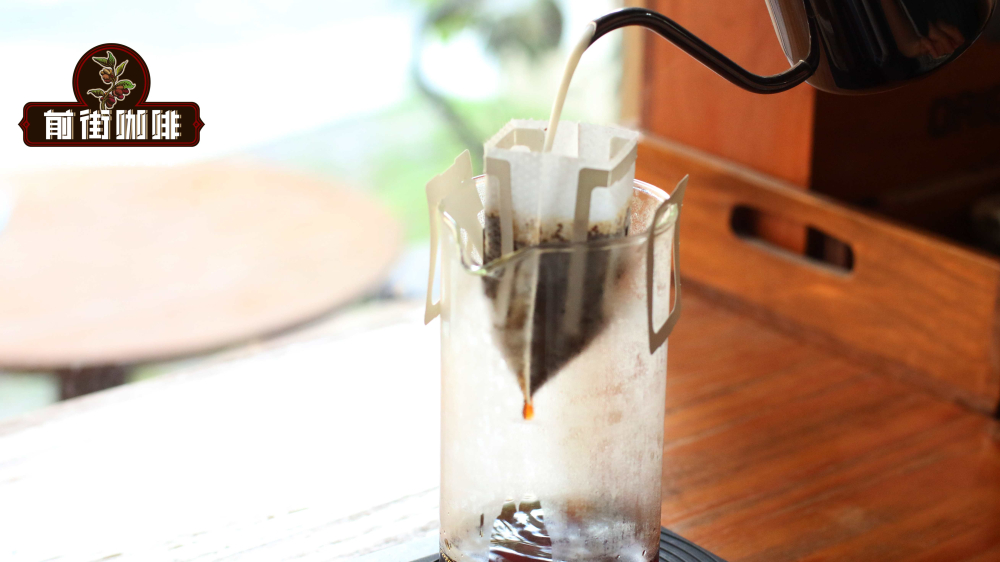
But what if you soak coffee grounds in milk to make cold brew milk coffee? That might actually work. Unlike pour-over, cold brewing doesn't require high temperatures, so the milk won't spoil. Also, soaking is different from drip filtration—milk has low extraction efficiency, but time can make up for it.
As for the preference in choosing coffee beans, Front Street Coffee would choose medium-dark roasted coffee beans, which mostly express flavors of dark chocolate, caramel, and roasted nuts. Paired with milk, the taste becomes richer and fuller. We recommend Front Street Coffee Brazil Red Bourbon, Front Street Coffee Bird of Paradise, and Front Street Coffee Colombia Huila;
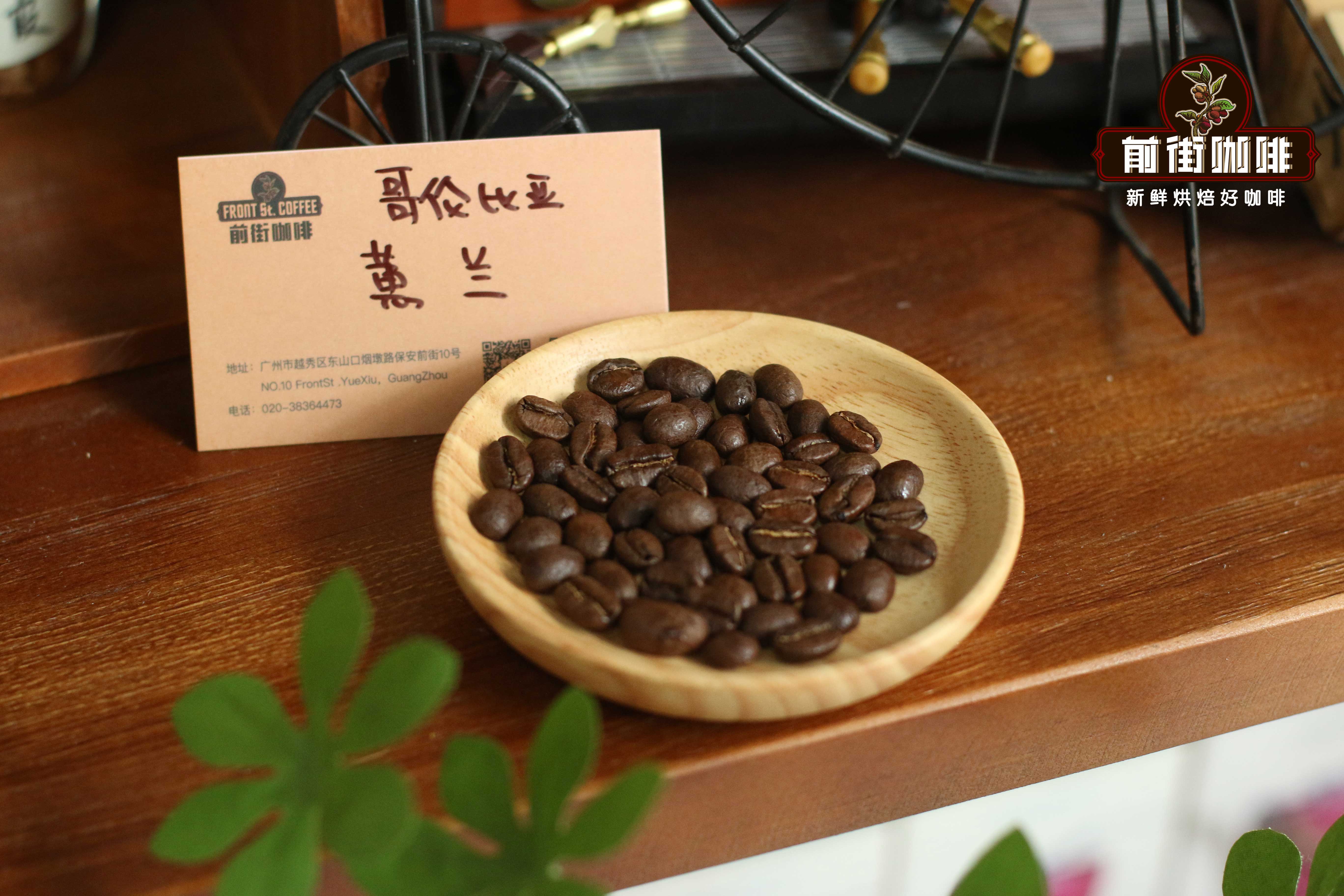
but if you prefer a coffee with a solid, full-bodied mouthfeel, we suggest buying the highest-grade Front Street Coffee Golden Mandheling. This bean has undergone multiple rounds of hand sorting, minimizing the defect rate of the coffee beans, which makes the coffee aroma clearer and the sweet aftertaste better. You can place orders at Front Street Coffee stores and the Front Street Coffee Tmall flagship store. Without further delay, let's verify (play with) it right away.
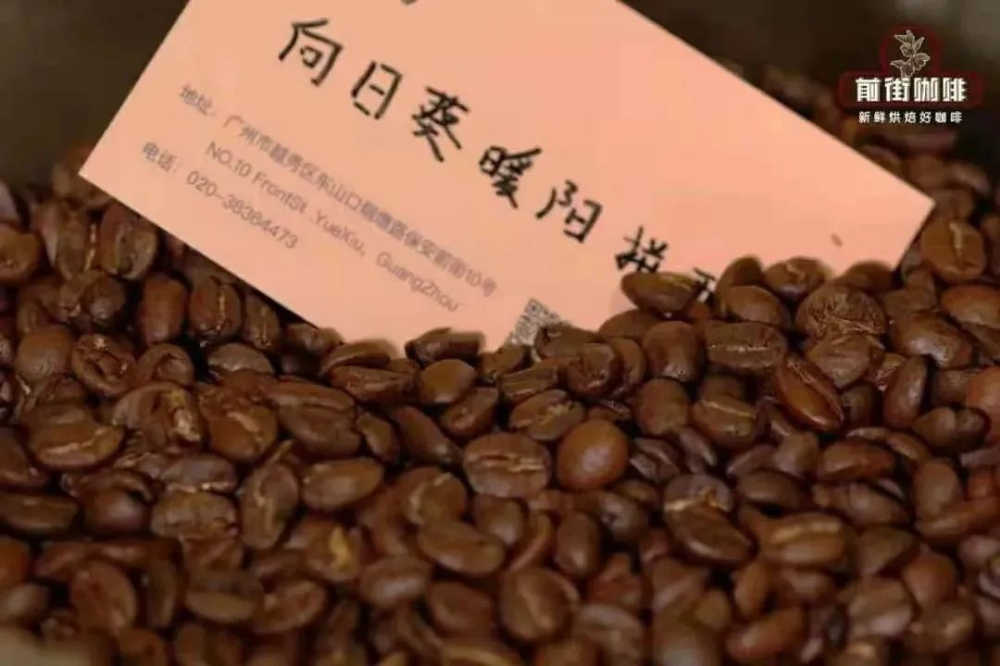
This experiment uses Front Street Coffee Sunflower Warm Sun Blend, which is also the espresso bean used at Front Street Coffee stores. Its flavor description is vanilla cream, sherry, brown sugar, and chocolate. Front Street Coffee hopes the extracted milk coffee will be richer and more aromatic, so the ratio is smaller than the original cold brew, roughly 1 part coffee grounds to 8 parts milk.
The specific process at Front Street Coffee is as follows: first grind 25 grams of coffee beans to the size of fine granulated sugar, with a No. 20 sieve passing rate of 85% as the standard. Put the ground coffee into a filter bag—this step is very important. Because the first time, Front Street Coffee did it the same way as making cold brew, directly pouring the coffee grounds into the milk, and as a result, the milk filtered very slowly during filtration. So to save trouble, use a filter bag to wrap the coffee grounds, which will save the annoying filtering step later.
Place the filter bag with the coffee grounds into a bottle, then pour in 200ml of fresh milk. You can shake it or use a tool to make sure the coffee grounds are fully saturated. Finally, cover with the lid, check the seal, and store it in the refrigerator at low temperature. This step is also very important, because milk is a drink that spoils very easily. If it is not sealed tightly or not stored at low temperature, it will spoil quickly.
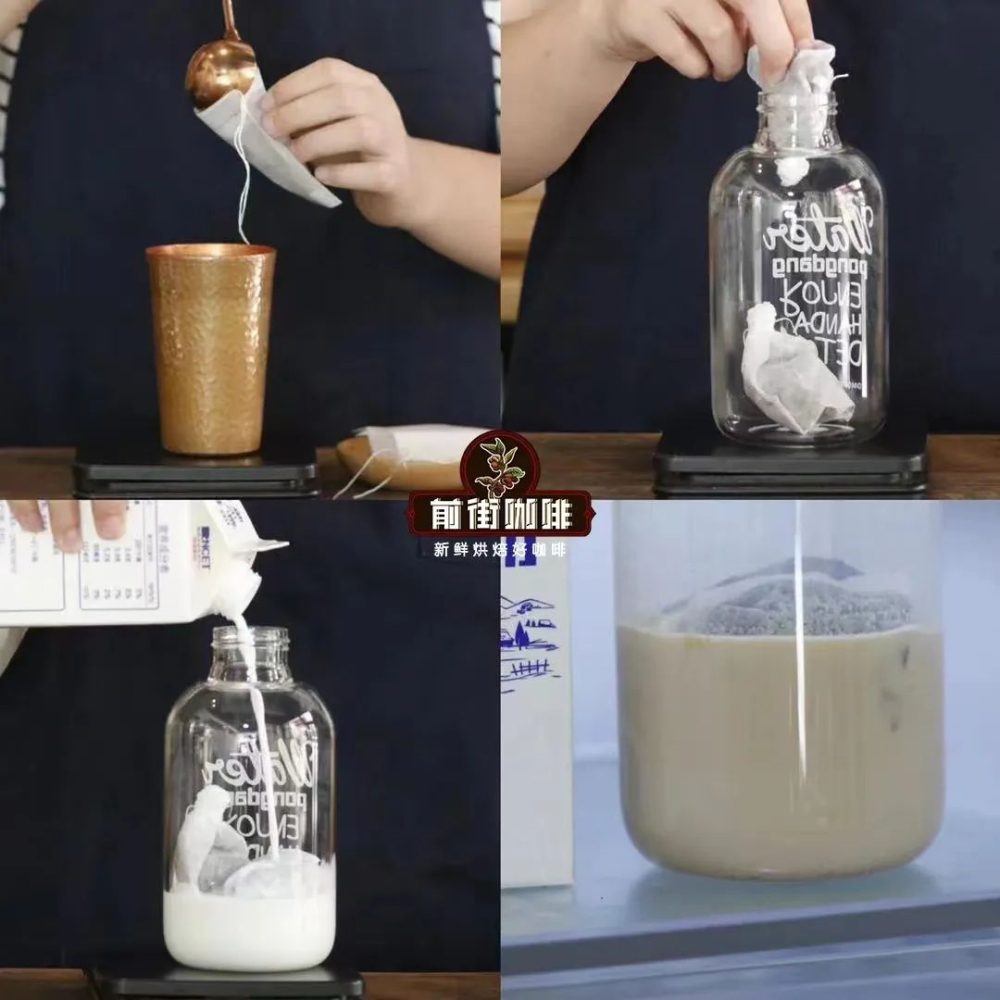
Let it soak in the refrigerator at low temperature for 12 hours. Front Street Coffee does not recommend soaking too long, because we are still worried about the milk spoiling. If you want to improve the extraction effect, you can roll the filter bag around during soaking.
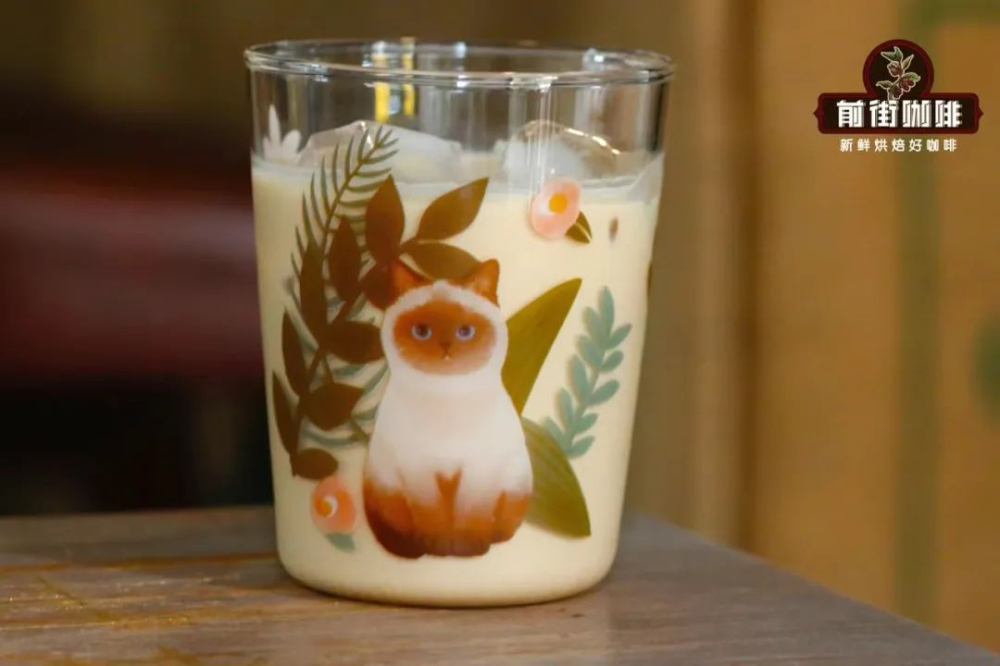
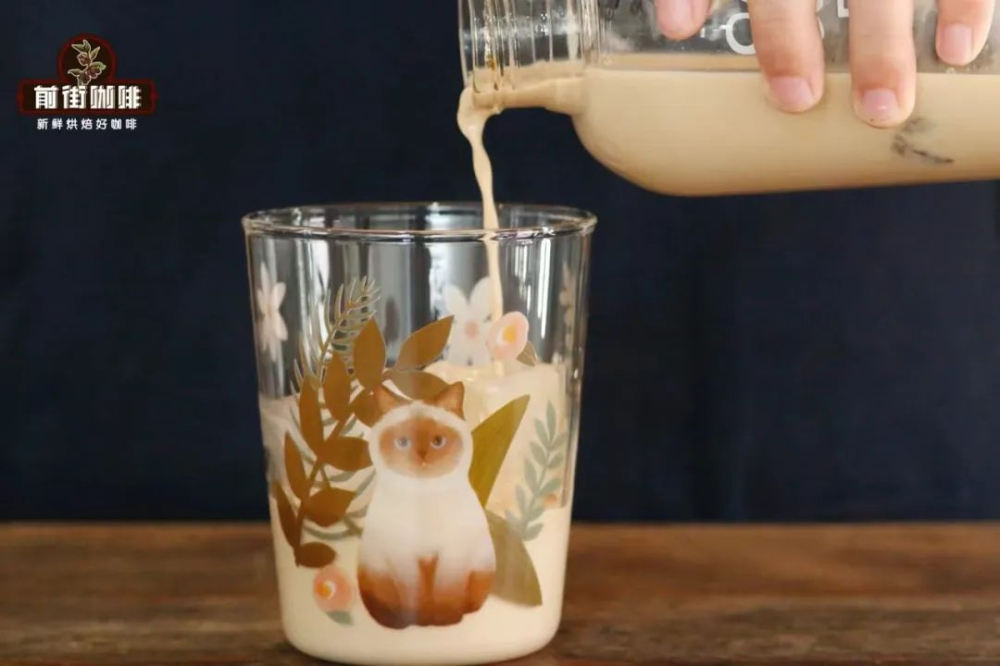
After soaking is complete, you can pull out the filter bag or directly pour out the milk coffee. By observing the color, it is about the same as the color of iced latte, and it smells of pleasant sherry and lactose aroma. Take a sip, and the taste of chocolate milk rushes into your mind. The overall concentration is moderate.
A friend said: "Add ice cubes, and after12hours, the iced latte is ready."
The above content is compiled by CoffeeHunters, a coffee news website.


