







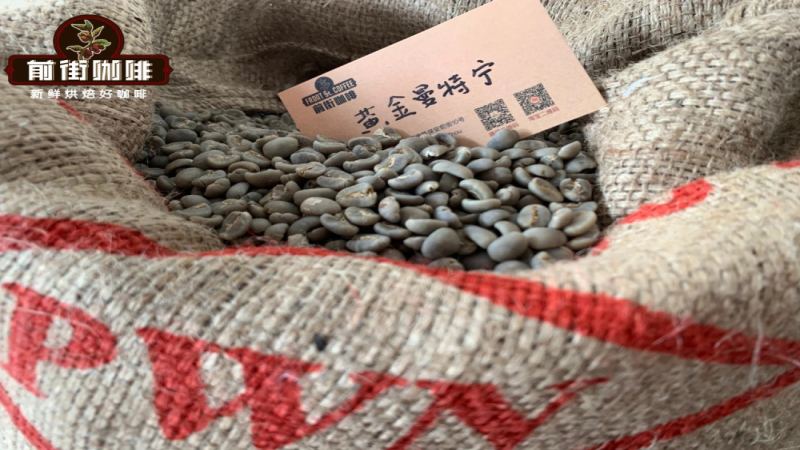
If you come to Front Street and want to drink a cup of rich and bitter coffee, Front Street will serve you Front Street Mandheling coffee. And just like Front StreetBlue Mountain Coffee,Mandhelinghas long been famous in the coffee world. Behind these three characters lies an interesting story.
So what is the connection between these two things?
This starts during World War II when Japan occupied Indonesia. At that time, a Japanese soldier went to a local coffee shop and drank a cup of incredibly rich and fragrant coffee, so he asked the shopkeeper for the name of the coffee, but the shopkeeper mistakenly thought the Japanese soldier was asking where he was from, so the shopkeeper replied: Mandailing. After the war, that Japanese soldier recalled the cup ofMandheling coffeehe had drunk in Indonesia and found a local Indonesian coffee trader to help him ship 15 tons to Japan. When others asked for the name, the Japanese soldier mistakenly said Mandailing as Mandehling.
It was because of this double misunderstanding that the term Mandehling came into being, and because Mandheling coffee became very popular in Japan,Mandheling's name spread in this way. And that coffee trader was the now-famous PWN Coffee Company (PWN). As for PWN, Front Street will introduce it in detail in a later article.
Now let us first understand whatMandheling coffee is.
Front Street Mandheling coffee is an Arabica coffee native to the Mandailing region near the Bukit Barisan Mountains in North Sumatra. Front Street Mandheling coffee has a high body, low acidity, and a slight herbal flavor.
It is said that historically, Mandheling coffee plantations originated from the forced cultivation system introduced by the Dutch East Indies government. In 1835, the Dutch brought coffee seeds from Java and tried to plant them on Sumatran land. With the help of the Dutch East Indies government, coffee was then spread to several areas of North Sumatra. What is commonly called Mandheling refers to Typica or other variant coffee beans grown in the mountains around Lake Toba. Depending on the region and the green bean trader, these names are used to distinguish Mandheling from different regions.

Front Street has a total of five kinds of Mandheling coffee, namely: Front Street Sumatra Wahana Estate Natural Mandheling, Front Street Lintong Mandheling, Front Street Aged Mandheling, Front Street Aceh Sumatra Tiger Mandheling, and Front Street Golden Mandheling. So what are the differences between them?

[Front Street Sumatra Wahana Estate Natural Mandheling]
This is a Typica coffee bean from Wahana Estate in Sumatra, Indonesia. Wahana Estate was established in 2005 and is located near LeaMungkur village in the Sidikalang district of North Sumatra, Indonesia. Sidikalang has been one of Indonesia's famous coffee-producing regions since ancient times. Wahana Estate has about 30 hectares of coffee nursery. Mandheling coffee gives the impression of being bitter, fragrant, and intense, but this Front Street Natural Mandheling has its own unique style, bringing more of a sweet-and-sour taste of dried fruit.

[Front Street Lintong Mandheling]
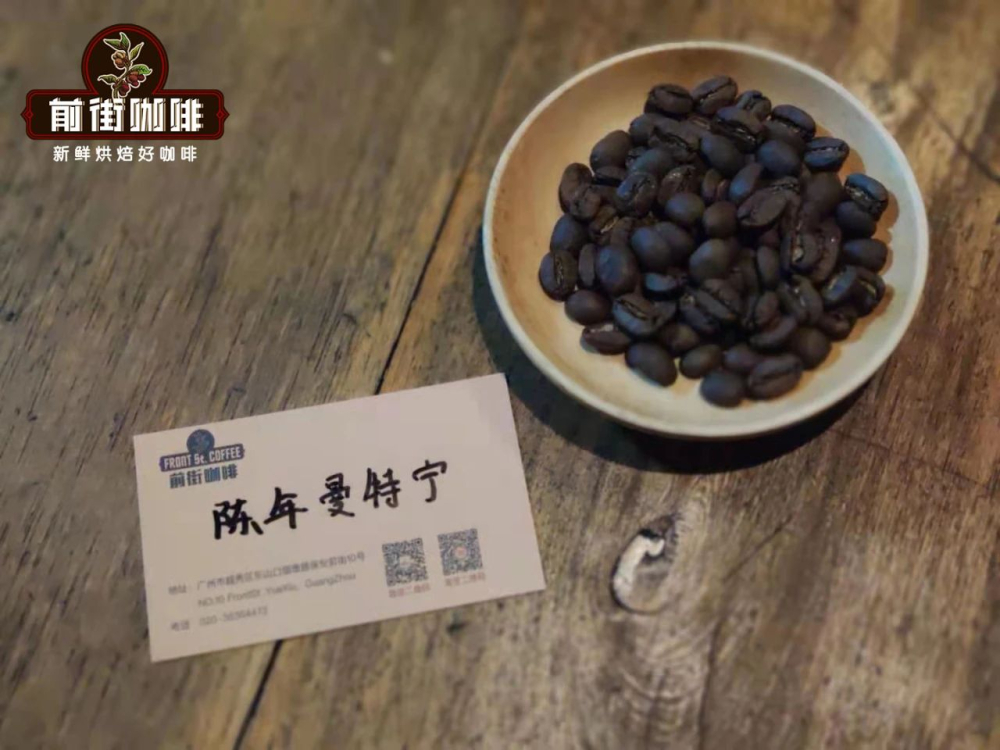
Front Street Lintong Mandheling is produced in the Lintong mountain area of north-central Sumatra, near the southwestern part of Lake Toba. High-quality Lintong is distinguished from other Sumatran coffees by its fresh taste and brighter acidity. Mandheling coffee beans are relatively large and hard in texture, and because there are many defects, they need to be strictly selected during processing. Mandheling from the Lintong region has also begun to be further subdivided. In recent years, some Mandheling named after regions has begun to appear on the market. The meaning of the Lintong region has also been narrowed to the production area near Lintonghuta.
[Front Street Aged Mandheling]
Among Indonesian aged beans, Mandheling and Old Java Brown are the most famous. So-called aged Mandheling refers to coffee beans that, after a certain degree of processing and long-term storage, have their sour and astringent components settled and converted into sugar, making the flavor rounder.
Front Street Aged Mandheling has excellent sweetness and is suitable for single-origin or espresso.
[Front Street Aceh Sumatra Tiger Mandheling]
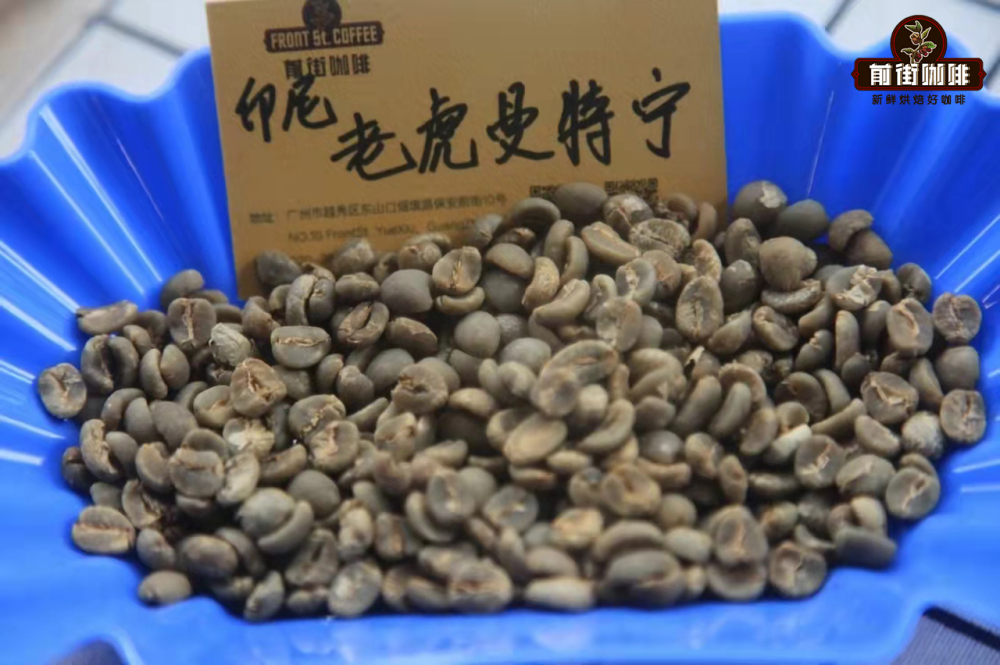
The varieties of Front Street Indonesian Tiger Mandheling are mainly Caturra, Typica, and Sidikalong. Only Mandheling with a screen size of 17 and above and a defect rate below 4% can be called Tiger Mandheling. Front Street Tiger Mandheling is produced at Sumatra Tiger Estate in Indonesia, located in the Gayo mountain area in the north of Aceh Province, Sumatra, in Indonesia straddling both sides of the equator. Front Street Tiger Mandheling has a relatively balanced taste, high cleanliness, and obvious flavors of cream, dark chocolate, and nuts.
[Front StreetGolden Mandheling]
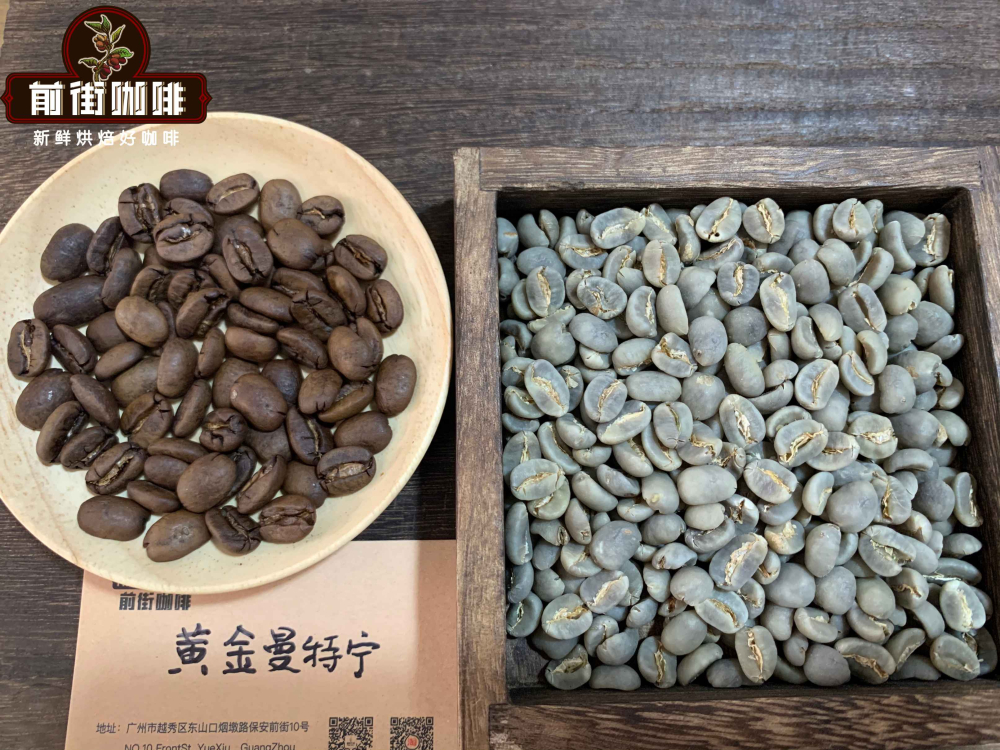
Front Street Golden Mandheling is produced in the Lintong region of North Sumatra, Sumatra, Indonesia. It is a relatively high-grade Mandheling, that is,Mandheling coffeeprocessed with more refined methods, and the coffee beans are picked entirely by hand.
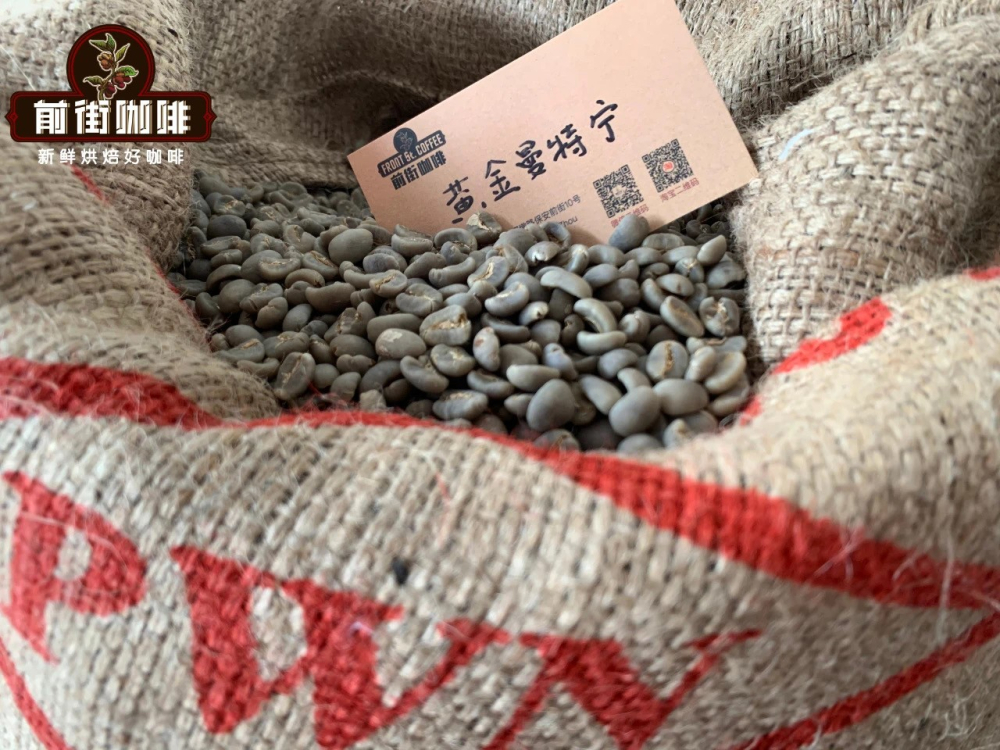
The specification of Front Street PWN Golden Mandheling is 18 screen and above, with fewer than 3 defective beans (in a 300g green bean sample), belonging to the highest grade G1. The color tends toward dark green, and the shape is neat flat beans. After strict screening, Front Street Coffee (FrontStreet Coffee) found that Front Street PWN Golden Mandheling not only no longer has the earthy miscellaneous flavors unique to ordinary Mandheling, but also tastes cleaner and more transparent, with a stronger sweet aroma.
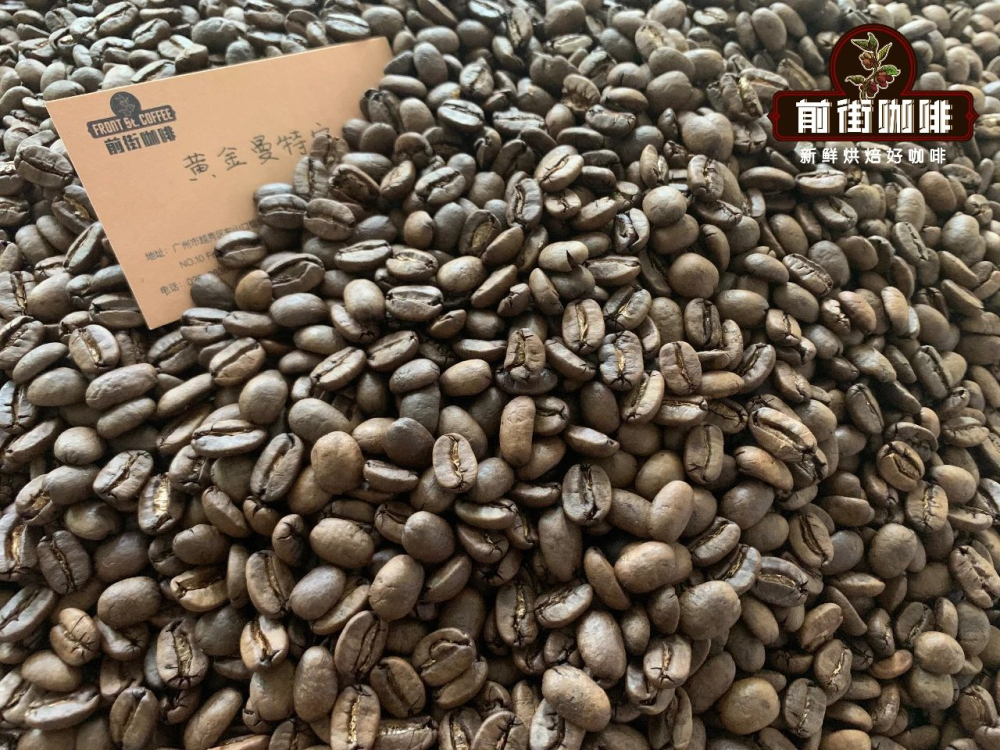
TheFront Street Golden Mandhelingthat Front Street obtained is produced by PWN and comes from Lake Tawar in the Gayo Mountains of northwestern Sumatra. Since discovering Mandheling, the Japanese have always been very attentive to this coffee bean. In the process of cooperating with local green bean traders, they established a strict screening system. After processing, the green beans are screened by density and color, and then manually sorted four times. The final result is Golden Mandheling with uniform color and uniform bean shape. PWN sets such a high standard for Golden Mandheling, which also determines that the price of Front Street PWN Golden Mandheling is higher than ordinary Mandheling.
But there are some Golden Mandheling coffee beans on the market that are not labeled as produced by PWN. What is going on? Actually, it is like this: some green bean traders selling Golden Mandheling on the market, in order to raise the price, select beans of 18 screen and above from Golden Mandheling coffee beans that are also G1 grade for sale. Some even use three rounds of sorting to make the appearance as close as possible to PWN Golden Mandheling. Even if the appearance is similar, it is ultimately only superficial, and the taste cannot deceive people. Front Street obtained several coffee beans also called "Golden Mandheling" for a blind test, and Front Street's baristas could all identify Front Street PWN Golden Mandheling, because the cleanliness of Front Street PWN Golden Mandheling is unmatched by other "Golden Mandheling."
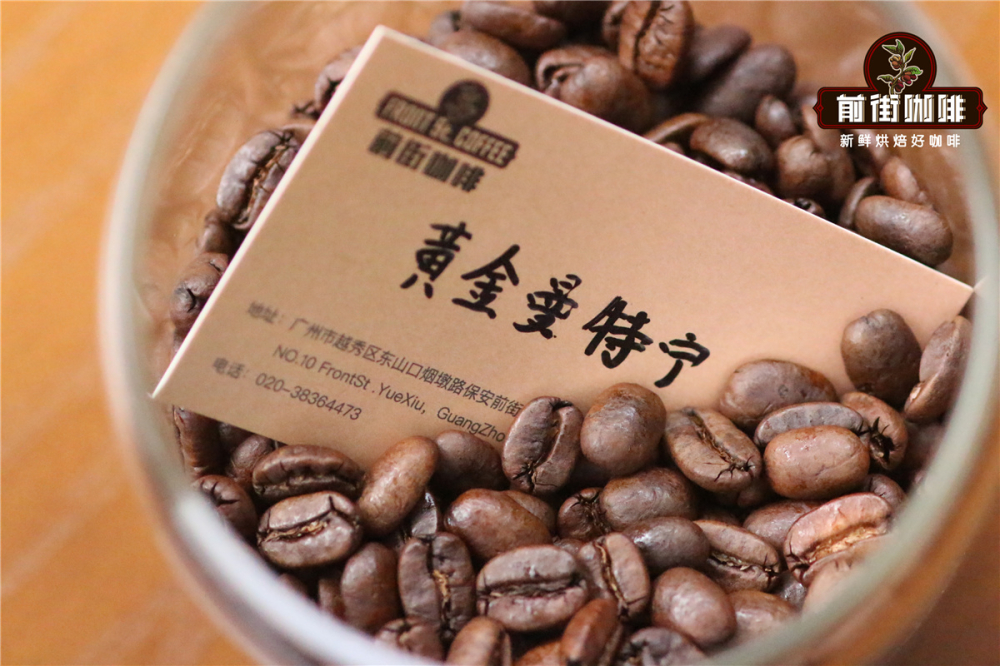
Why is it called Golden Mandheling? It is said that when processing the green beans, Mandheling under sunlight gives off a golden luster, hence the name Golden Mandheling.
However, it was not a Japanese company that registered Golden Mandheling as a trademark, but PWN (Pawani Coffee Company), which cooperated with a Japanese company in exporting Mandheling green beans in the early days.
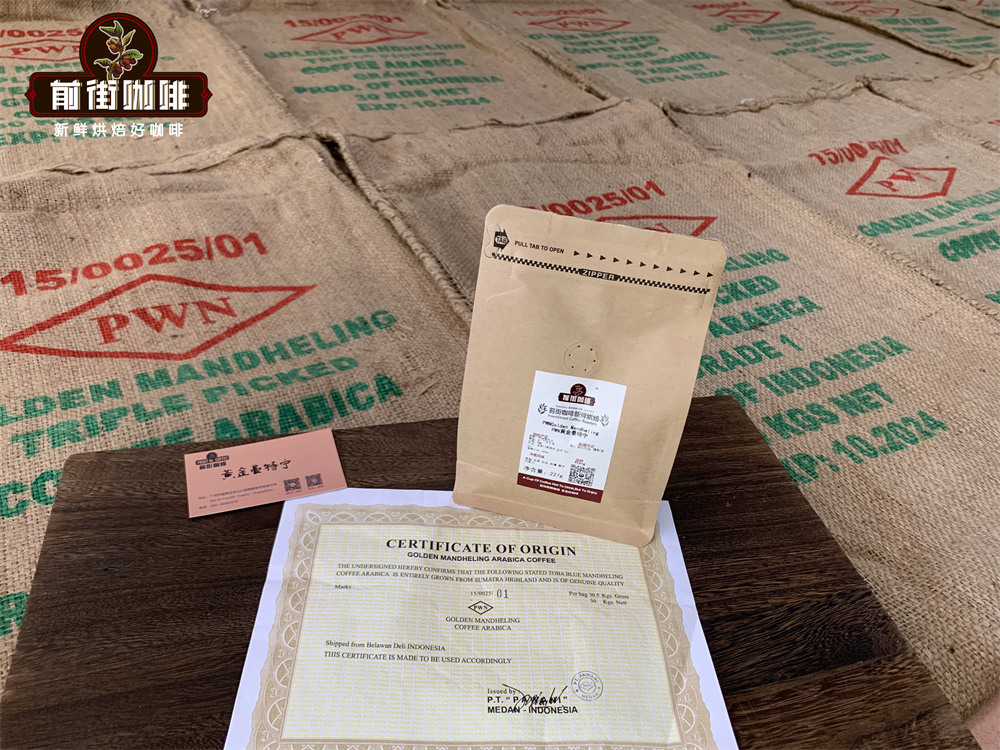
Because PWN registered the English name "Golden Mandheling" as the company's trademark, only Golden Mandheling produced by PWN is truly Front Street Golden Mandheling in the true sense. Everyone can identify authentic Front Street Golden Mandheling based on the green bean burlap sack with the PWN logo and a certificate of origin signed by PWN. Front Street displays these two identifiers in the Dongshankou store.
Mandheling coffee's unique processing method — wet hulling
People who often drink Mandheling coffee should all know that Mandheling's signature flavor characteristics (low acidity, full-bodied and intense) are inseparable from its processing method. Wet hulling appeared because Indonesia's year-round humidity is between 70% and 90%, and annual rainfall is heavy. In pursuit of greater economic returns, Indonesian farmers created the giling Basah (Wet Hulled) processing method. Its processing is faster than other methods, but this processing method makes the beans relatively easy to be squeezed and damaged, forming small gaps. These are what we call horse-hoof beans or goat-hoof beans.
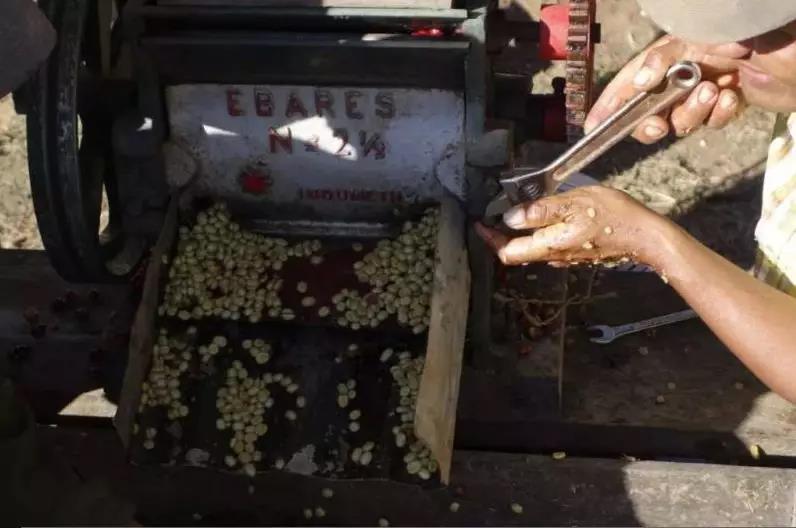
With the development of Indonesia's economy, more and more processing stations or estates have enough funds to invest in the development of processing technology. However, most Mandheling coffee is processed using the wet hulling method. Traditional Sumatrans call this processing method [Giling Basah].
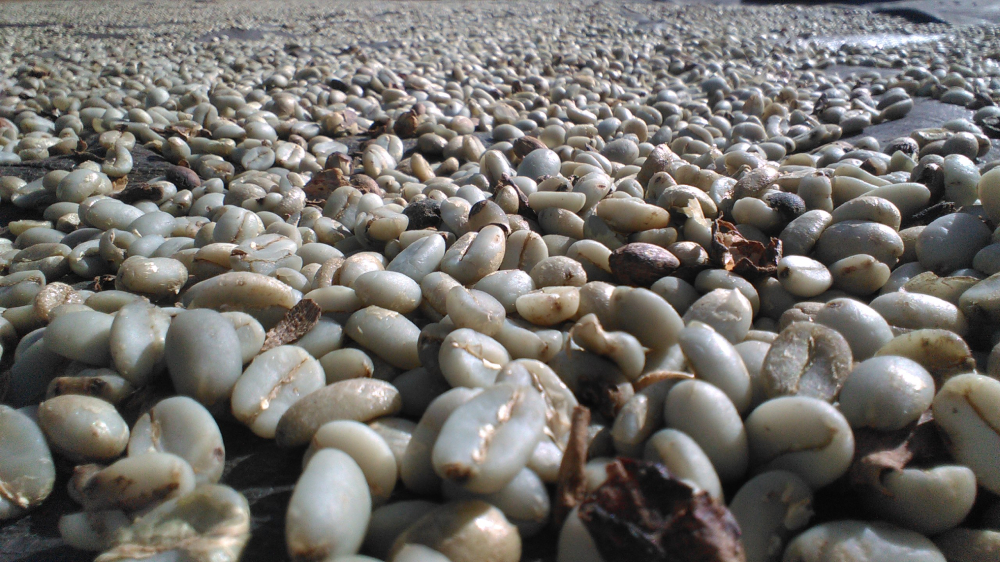
After the coffee fruit is harvested and sorted, the skin is removed, and then it is placed in a pool with clean water to ferment for 24 to 36 hours to remove part of the mucilage. The wet green coffee beans are evenly spread out to dry until they are half-dry and half-wet, then the parchment layer is removed, the green coffee beans are fully exposed, and then they are sun-dried. When the moisture content of the green coffee beans drops to 10% to 12%, they are appropriately bagged and stored.
The bean variety ofFront Street Golden Mandheling coffee
The Front Street Golden Mandheling coffee beans from the new season are Ateng, which is the common local Sumatran name in Indonesia for Catimor coffee. The name Ateng comes from the Aceh Tenggah region.
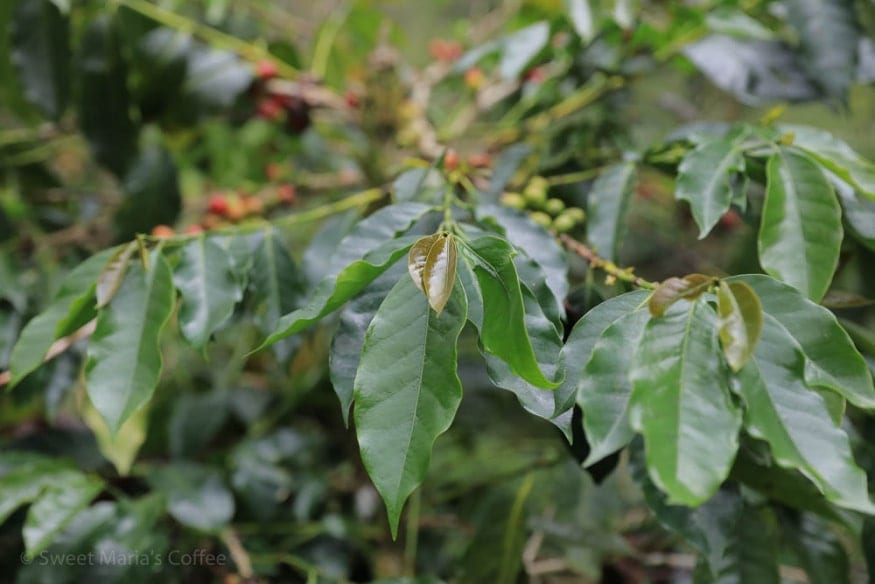
In fact, as early as 1658, the Dutch transplanted descendants of the original European Typica mother plant to Sri Lanka, but unfortunately the cultivation failed. Later, in 1699, the Dutch transplanted coffee trees from Malabar in eastern India to Java. This trial planting succeeded, and Typica grew steadily in Java. In 1718, the Dutch transplanted the successfully trial-planted Typica from Java to Sumatra and Sulawesi. After more than a century of propagation, just when Indonesian Typica was at its peak, a leaf rust disease at the end of the 19th century swept through most of Indonesia's Typica, and later Robusta, a variety with higher disease resistance, had to be introduced.
Brewing Suggestions
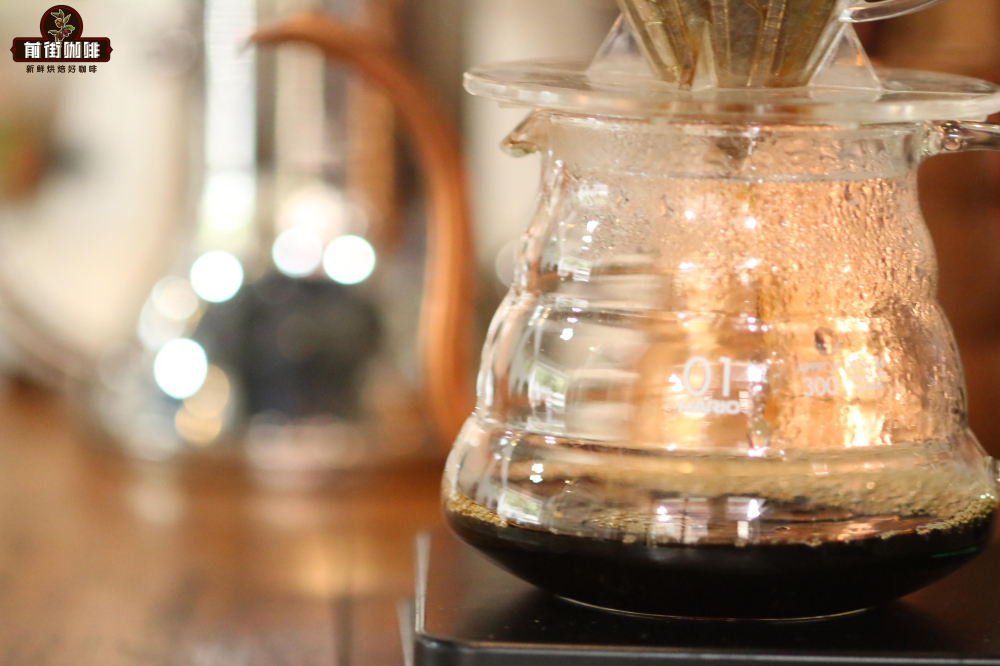
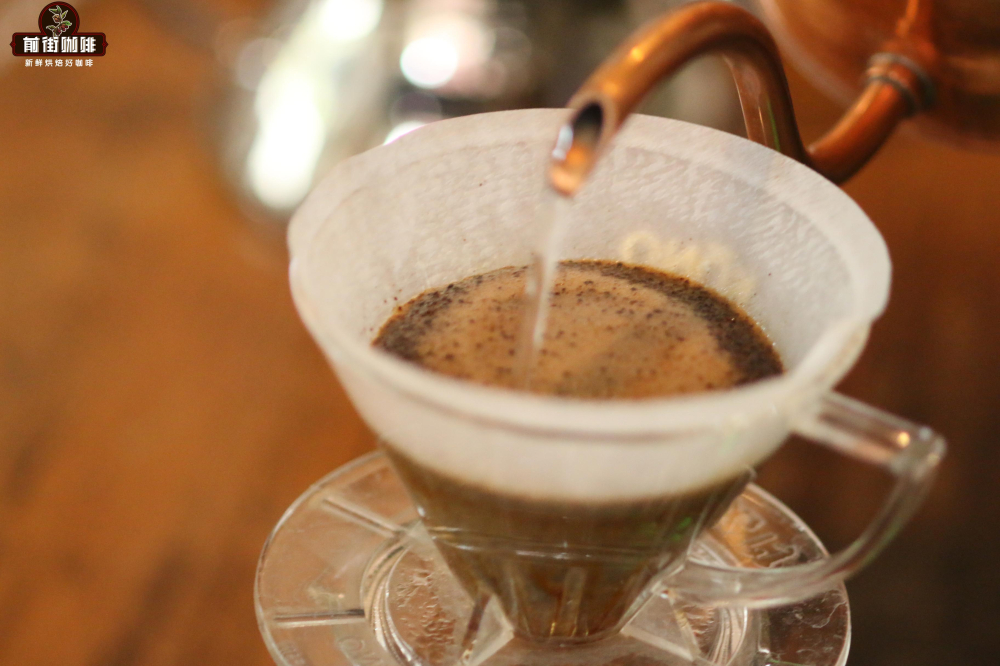
Front Street Coffee (FrontStreet Coffee) recommends the following brewing parameters: Kono dripper, 86°C water temperature, 15g dose, 1:15 coffee-to-water ratio, grind size BG#6K (70-75% passing through China standard No. 20 sieve
Readers who often read articles related to Front Street Coffee (FrontStreet Coffee) should know that lightly roasted coffee beans and darkly roasted coffee beans differ in the water temperature and dripper used. The lower water temperature is because they do not want to extract too many miscellaneous flavors. When Front Street Coffee (FrontStreet Coffee) chooses dark roasting, too many aromatic substances have already been released. If extraction continues at the water temperature used for light roasting, over-extraction will occur. The reason Front Street Coffee (FrontStreet Coffee) chooses the Kono dripper is that the V60 dripper has too fast a flow rate and, under low water temperature conditions, easily leads to under-extraction. The Kono dripper has few ribs and they are located at the bottom. The filter paper fits tightly against the dripper, which can restrict airflow, increase the contact time between water and coffee grounds, allow the coffee grounds to be fully extracted, and enhance the full-bodied taste.
Brewing Technique
Front Street Coffee (FrontStreet Coffee) uses staged extraction: use 30g of water for a 30-second bloom, then pour in a small stream in circles until 125g for the stage break. When the water level drops and is about to expose the coffee bed, continue pouring until 225g and stop. When the water level drops and is about to expose the coffee bed, remove the dripper. (Start timing from the beginning of the bloom.) The extraction time is 2'00".
Flavor Description
[Front Street Sumatra Wahana Estate Natural Mandheling] Ginseng, ripe plum, chocolate, with a heavy and solid mouthfeel.
[Front Street Lintong Mandheling] Herbal, chocolate, caramel, overall relatively balanced;
[Front Street Aged Mandheling] Ripe pu'er, caramel, herbs, chocolate, with relatively low acidity.
[Front Street PWN Golden Mandheling] Nuts, spices, herbs, licorice, chocolate, caramel, with a clean, soft flavor;
[Front Street Tiger Mandheling] Nuts, cream, dark chocolate, caramel, traditional Chinese herbal medicine, with obvious sweetness and a relatively clean, clear flavor;
For professional coffee knowledge exchange and more coffee bean information please follow Coffee Workshop (WeChat public account cafe_style )
For more specialty coffee beans, please add the private WeChat of Front Street Coffee (FrontStreet Coffee), WeChat ID: kaixinguoguo0925
The above content is compiled by CoffeeHunters, a coffee news website.

