







Many friends who have drunk red wine should be very familiar with a step in wine tasting, which is decanting. After a period of decanting, the astringency of tannins weakens slightly, and the sweet and sour notes in the red wine become more lively. Drinking coffee is actually quite similar to drinking red wine—red wine needs decanting, while coffee beans need resting.
After coffee beans are roasted, the beans contain about 2% of their weight in carbon dioxide, and this gas gradually escapes from the coffee beans over time.
Friends who are new to specialty coffee often go to FrontStreet Coffee to buy coffee beans and specifically ask for freshly roasted beans. In this regard, friends can rest assured: when an order is placed, FrontStreet ships coffee beans freshly roasted within 5 days. After going through multiple layers of transportation, by the time the friend receives them, 4 to 7 days of resting have already passed, which is exactly the optimal flavor period for the coffee beans.
Of course, freshly roasted coffee is indeed full of flavor, and there are also friends who specifically ask for coffee beans roasted the day before and immediately open the package the next day to enjoy them.
In this regard, FrontStreet needs to remind you: after coffee beans are roasted, the bean volume expands, and a certain amount of carbon dioxide gas accumulates in their structure and is slowly released over several weeks after roasting is completed. If you choose to grind and brew immediately right after roasting, the carbon dioxide inside the coffee beans has not yet been fully released. During brewing, the pressure inside the beans inhibits hot water from entering for substance exchange. The brewed coffee not only has poor flavor but may even have a "harsh" sensation and bitterness.
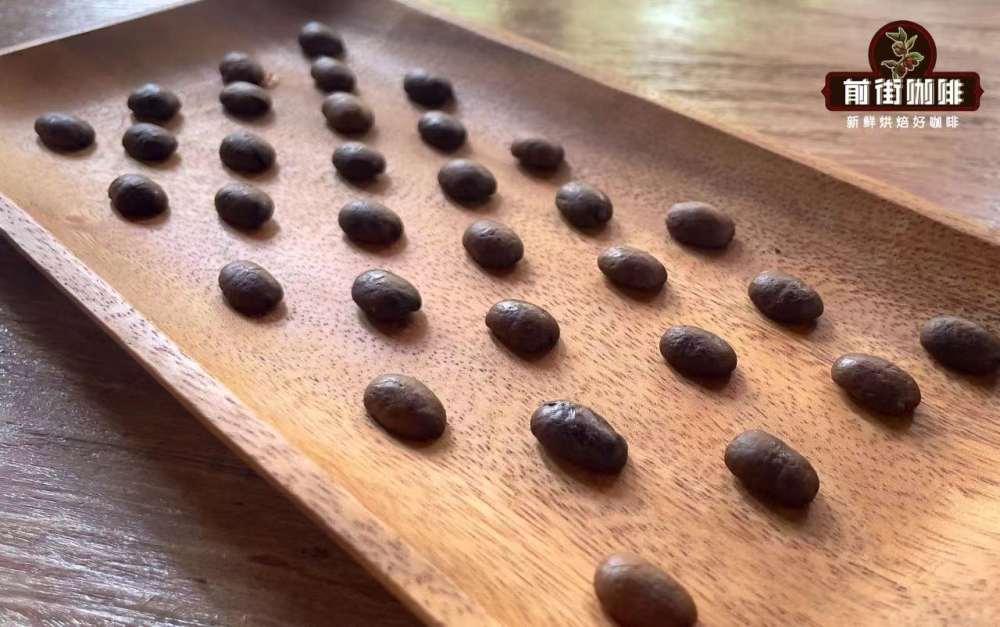
Friends who have asked FrontStreet Coffee all know that FrontStreet recommends a resting period of 4 to 7 days after the roast date. Hearing this, some friends craving Mandheling immediately open it on the third or fourth day after the roast date and start enjoying it. FrontStreet needs to remind you that the darker the coffee beans are roasted, the greater the internal pressure in the beans, the looser the bean structure, and the more gas content, and the slightly longer the required resting period.
After a period of resting, the flavor of the coffee beans is at its most brilliant. However, there is a term that coffee people mention most often, and that is the optimal flavor period.
It should be noted that the darker the coffee beans are roasted, the more vigorous the degassing activity, because coffee flavor substances dissipate together with the carbon dioxide in the beans. Therefore, when too much time has passed since the coffee beans were roasted, more aroma is lost and the taste becomes flatter. FrontStreet Coffee recommends consuming coffee beans as soon as possible within about one month after the roast date.
Next, FrontStreet will useFrontStreet Indonesia Mandheling coffee beansas an example. First, FrontStreet needs to introduce the information behind this coffee bean.
Unlike today's popular star Geisha, Mandheling coffee has been very popular since the older generation. Because the early definition of top-grade coffee was a rich mouthfeel, and Mandheling coffee became popular in Japan at that time.
Everyone knows that coffee beans are mostly named after their place of origin, such as Yirgacheffe, Nyeri, and so on, or after the name of the processing station, such as Konga, Asaliya, Amadiraro, and so on. "Mandheling" is neither a place name nor the name of a processing station, but the name of an ethnic group on the island of Sumatra.
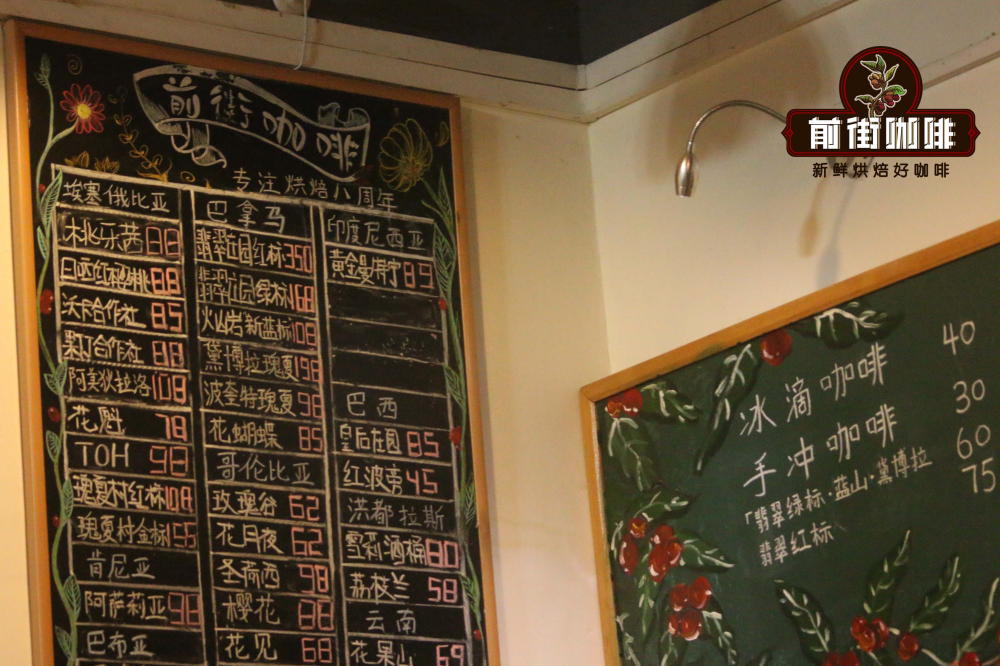
It is said that during World War II, a Japanese soldier drank a very rich coffee locally. When he asked the coffee shop owner for the name of the coffee, the owner made a funny mistake and introduced himself, answering: Mandailing. In Japanese pronunciation, Mandailing and Mandheling are very similar, so he remembered "Mandheling." After the war ended and he returned home, that Japanese soldier missed that cup of rich coffee very much, so he asked someone to import 15 tons of coffee beans locally from Indonesia, and as a result it became hugely popular in Japan.
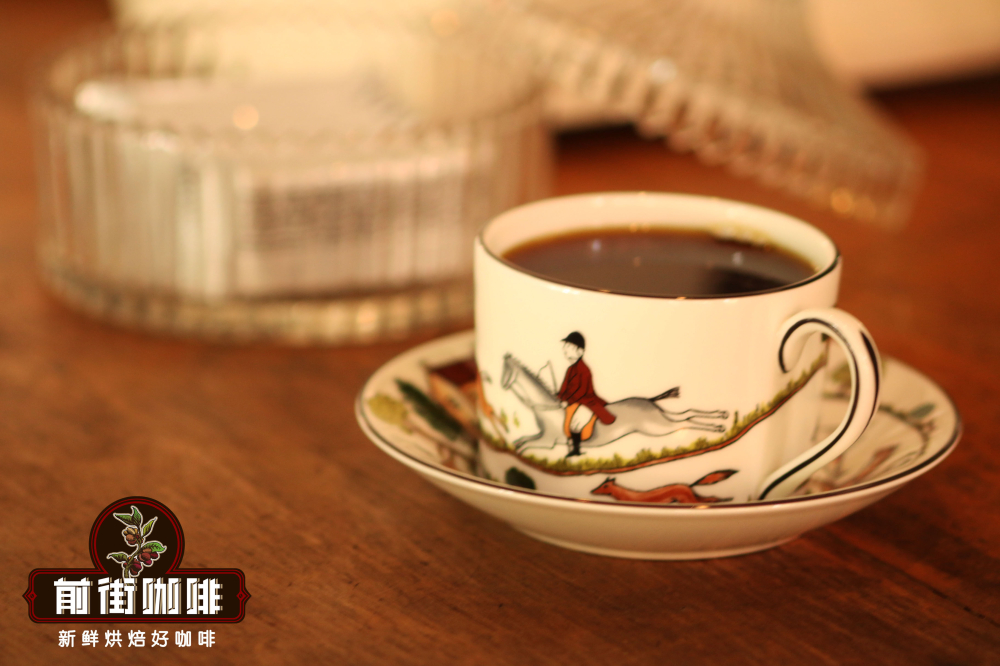
Characteristics of FrontStreet Mandheling CoffeeRich mouthfeel with herbal spice notes, its audience is sharply polarized: those who love it cannot put it down, and those who do not love it stay far away. The ability to create such a unique Mandheling coffee flavor benefits from Sumatra's unique post-processing method for green coffee beans.
The natural sun-dried processing method using whole coffee cherries takes about one month. If the air humidity is too high during processing or if it is exposed to rain, the coffee cherries may undergo unnecessary fermentation or even be directly ruined. Sumatra is located in a tropical rainforest climate region, with relatively high temperatures and abundant rainfall, while the frequency of rainfall is also high, so it cannot satisfy the conditions required for sun-dried processing.
When coffee undergoes washed processing, in addition to building washing tanks, it also requires sufficient water sources and capital investment. Due to limited local economic conditions in Sumatra, early coffee growers were mostly farmers rather than wealthy estate owners, so they could not satisfy the conditions required for fully washed processing either.
Thus, according to local characteristics, a unique coffee processing method suited to local conditions emerged—wet hulling.
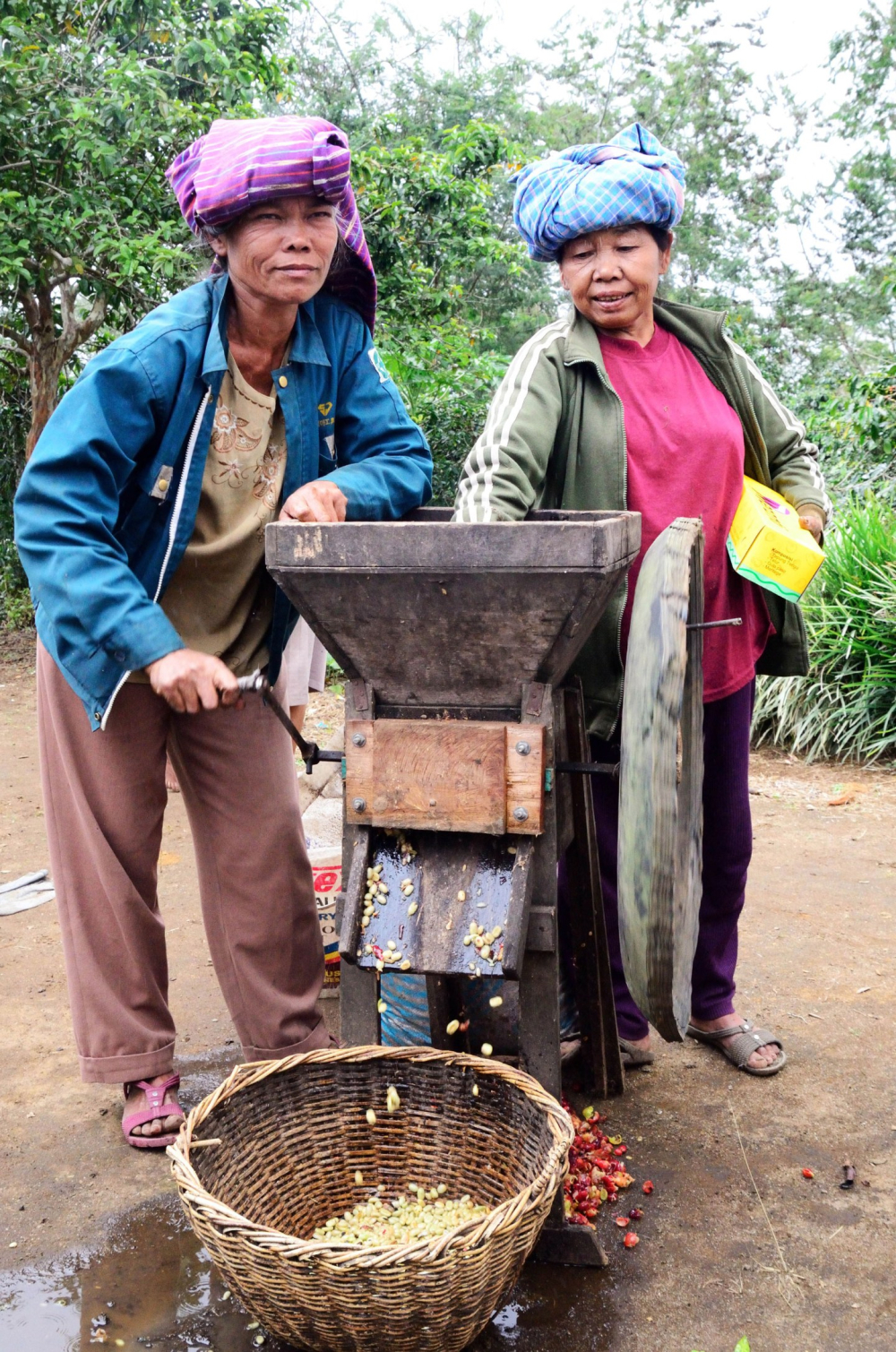
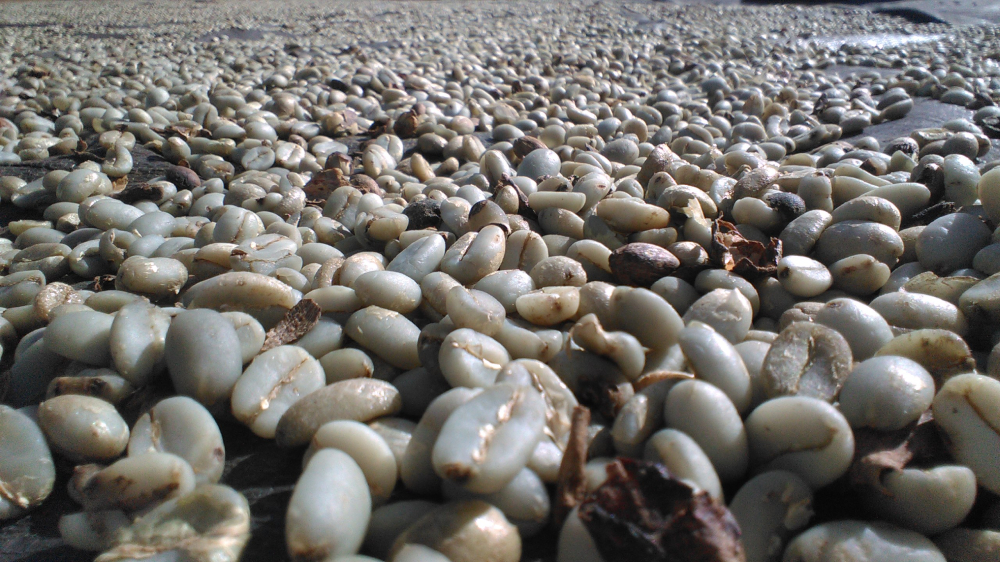
After removing the skin and pulp from the coffee cherries, they undergo a short fermentation and are briefly washed, then spread out to dry. When the green coffee beans reach a semi-wet, semi-dry state, a machine is used to remove the parchment layer. The green coffee beans are directly exposed to the air and dried further. The process is complete when the moisture content of the green coffee beans drops to about 12% to 13%.
Friends often ask FrontStreet which step in wet hulling creates the unique flavor of Mandheling coffee. In one corner of FrontStreet's store, some physical items related to green coffee beans are displayed, among which there is a glass bottle containing parchment.
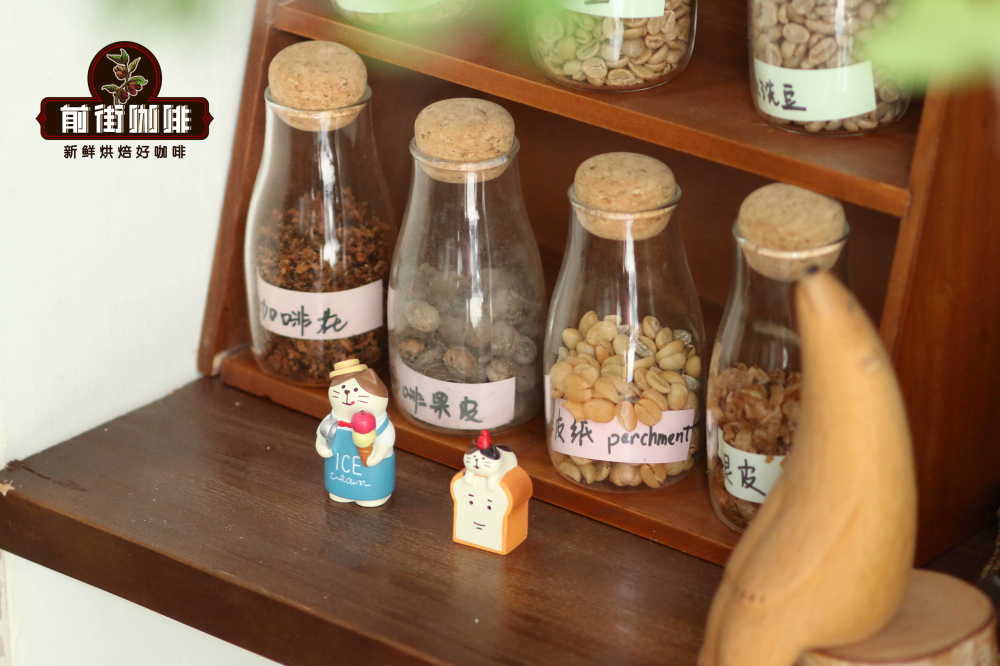
Parchment, as the final protective layer of green coffee beans, is generally removed only before export. Without the protection of the parchment layer, green coffee beans are directly exposed to the environment and may be affected by mold, yeast, and bacteria. During the process of removing the parchment layer, excessive heat may cause the green coffee beans to age rapidly, so woody and earthy notes can often be tasted in Sumatra coffee.
Young people today like coffee with obvious acidity. In order to meet the needs of these friends, some merchants roast Mandheling coffee beans lighter to highlight their acidity. However, as the roast degree becomes lighter, the rich mouthfeel of Mandheling coffee may disappear, and in addition, some unpleasant flavors may also emerge.
On FrontStreet Coffee's bean list there are two Sumatran coffees, one is FrontStreet Indonesia Lintong Mandheling daily drinking beans from the Lintong region, and the other is Aceh'sFrontStreet Golden Mandheling. In order to highlight the rich mouthfeel of FrontStreet Lintong Mandheling andFrontStreet Golden Mandheling, FrontStreet Coffee uses a medium-dark roast level.

The brewing parameters for FrontStreet brewing FrontStreet Golden Mandheling are as follows:
Dripper: KONO
Water temperature: 88°C
Coffee dose: 15 g
Coffee-to-water ratio: 1:15

Pour in 30 g of hot water and bloom for 30 seconds. Pour from the center point in a fine stream while slowly circling to 125 g. When the water level drops to the point where the coffee bed is about to be exposed, continue circling and pouring until 225 g. The total extraction time is about 2 minutes.
FrontStreet recommends blooming during brewing. When the coffee grounds get wet, degassing activity intensifies, promoting the release of carbon dioxide from inside the beans.
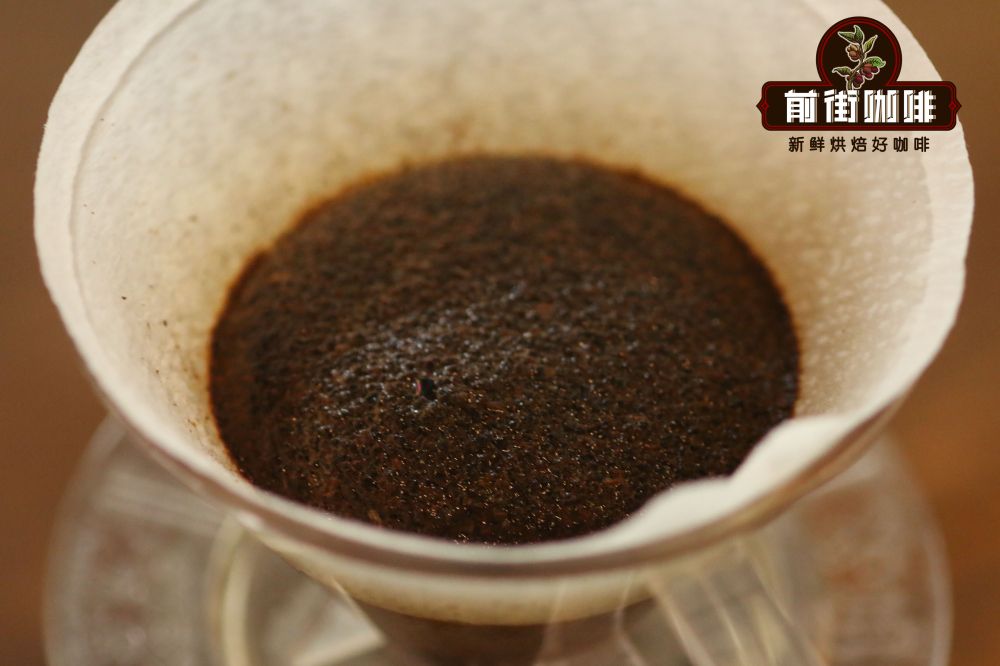
However, FrontStreet also encounters friends who do not have equipment at home, and FrontStreet provides grinding service for them. But after coffee beans are ground into powder, the contact area between the particles and air increases, and the flavor dissipates faster. FrontStreet reminds you that if you have requested grinding in the notes, you do not need to go through the itch-inducing resting period. Instead, you need to consume it as soon as possible to taste the optimal flavor.
For more coffee bean information, please follow Coffee Workshop (WeChat public account cafe_style)
For professional coffee knowledge exchange, please add WeChat ID kaixinguoguo0925
The above content is compiled by CoffeeHunters, a coffee news website.

