







For more specialty coffee knowledge, please follow: Front Street Coffee (Frontsteet Coffee)
Recently, a discussion online sparked a wave of debate among seasoned coffee enthusiasts. A barista said in a video: "Don't ask if there's Blue Mountain coffee when you go to a coffee shop—it will expose that you don't understand coffee." Although Blue Mountain coffee isn't necessarily the best coffee, it is definitely a reference for good coffee.
Blue Mountain CoffeeOver these decades, its balanced, mellow, and solid coffee flavor has firmly captured the hearts of generations of coffee connoisseurs. It is one of the most classic coffees and one that everyone knows how to appreciate. Drinking Blue Mountain coffee isn't clichéd, and drinking Blue Mountain coffee doesn't mean you don't understand coffee~
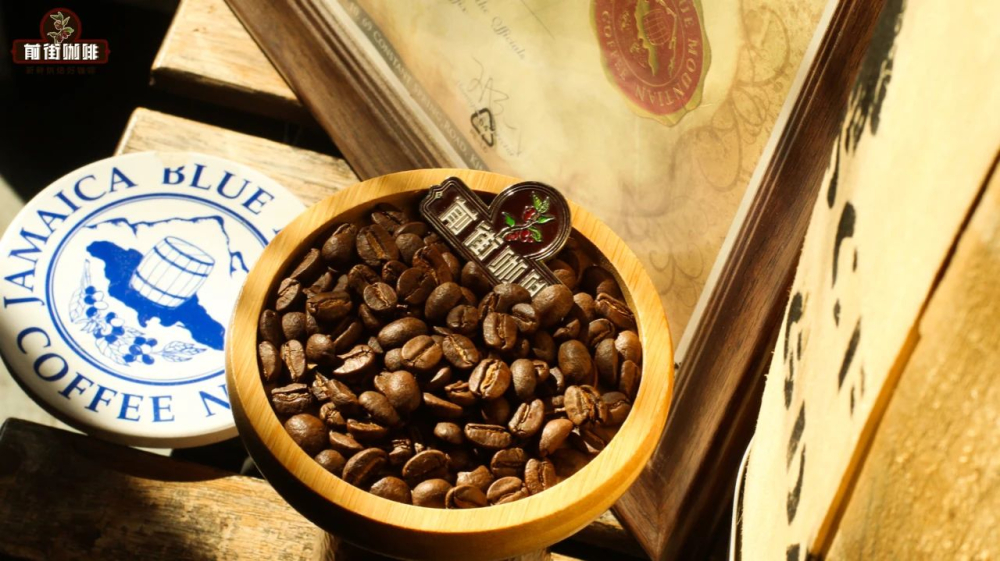
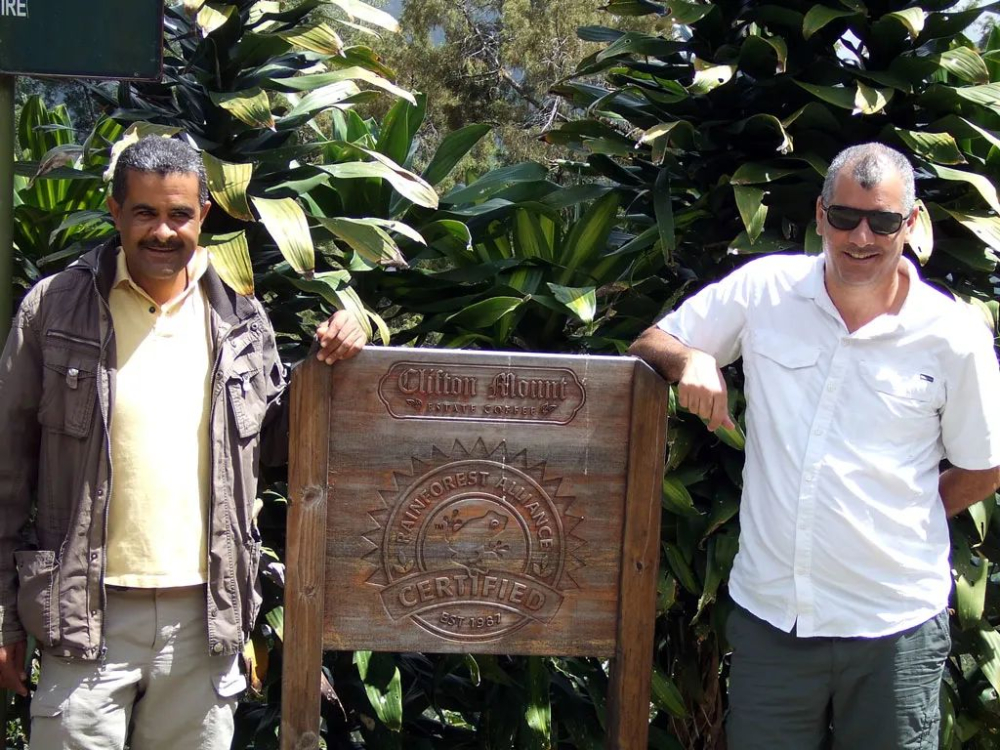
Front Street Coffee (FrontStreet Coffee) has always beenBlue Mountain Coffeea loyal fan! In order to let everyone enjoy authentic and cost-effectiveBlue Mountain No. 1 Coffee, Front Street selected Clifton Estate, which has a long history of coffee cultivation in the Jamaica Blue Mountains. This estate began planting and producing coffee around 1750, and is also the only coffee estate in the Jamaica Blue Mountains with Rainforest Alliance certification (an environmental certification only available to regions that meet sustainable agriculture system standards).
What isBlue Mountain Coffee?
Blue Mountain coffee is the most superior coffee in the world. The Blue Mountains are located in the eastern part of Jamaica. Because the mountains are surrounded by the Caribbean Sea, on clear days when the sun shines directly on the azure sea, the peaks reflect the brilliant blue glow of the seawater—hence the name. The highest peak of the Blue Mountains is 2,256 meters above sea level, the highest peak in the Caribbean region and also a famous tourist destination.
However, not the entire mountain range can be used for cash crop cultivation. According to regulations by the Jamaican government, areas above 1,700 meters in the mountains are nature reserves and cannot be used for planting coffee or other cash crops. Therefore, Blue Mountain coffee is grown at elevations between 910 and 1,700 meters.
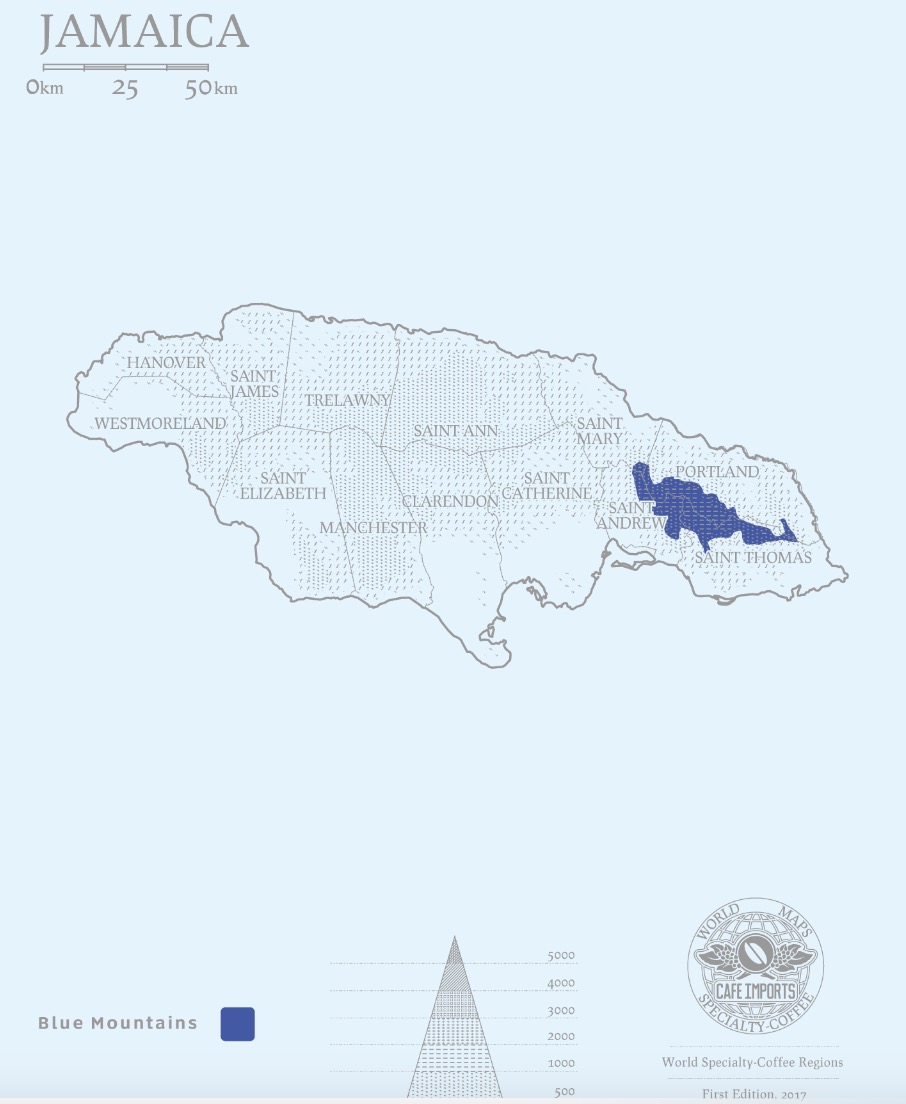
This area is located in the coffee belt, with fertile volcanic soil, fresh air, no pollution, a humid climate, and year-round fog and rain (average rainfall of 1,980 mm, temperature around 27 degrees Celsius). This climate has created the world-renowned Jamaican Blue Mountain coffee.
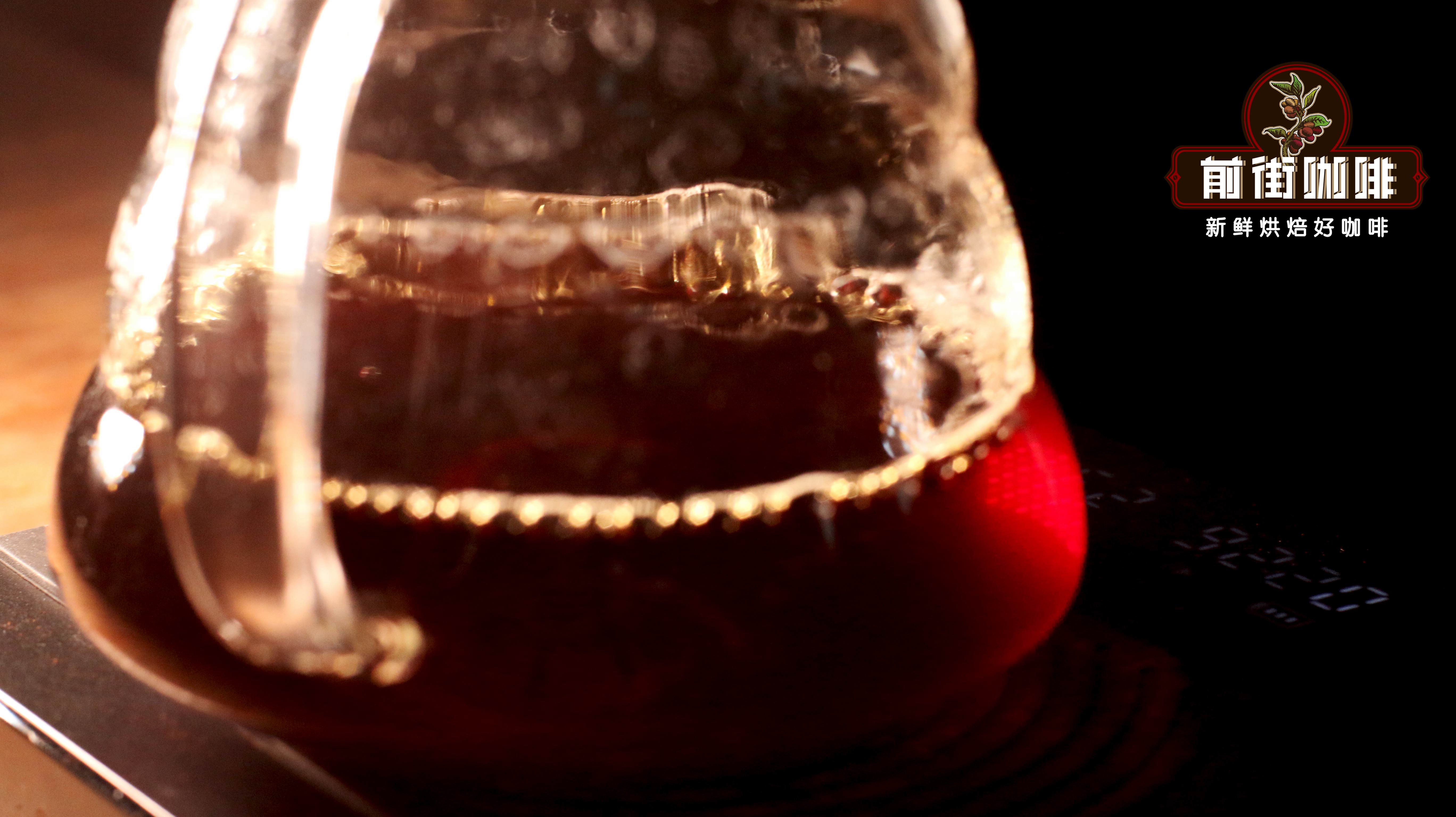
This coffee possesses all the characteristics of a good coffee. It is not only rich and aromatic, but because the sweetness, acidity, and bitterness are perfectly balanced, it has no bitterness at all—only a moderate and perfect acidity. Front Street Coffee (FrontStreet Coffee) found through cupping that Blue Mountain coffee roasted to a medium-dark level has a very balanced and mellow flavor profile: dark chocolate, roasted nuts, and a slight fruity acidity. Each flavor presents itself in a complementary state, with none stealing the spotlight from another.
Can everything grown in the Blue Mountains be called Blue Mountain coffee?
Under the classification of the CIB (Jamaica Coffee Industry Board), only coffee grown between 910 and 1,700 meters above sea level can be called "Jamaica Blue Mountain Coffee." Coffee grown between 460 and 910 meters can only be called "Jamaica High Mountain Coffee," and coffee below 460 meters is called "Jamaica Supreme Coffee."
For Jamaican Blue Mountain coffee, the CIB also grades coffee beans by size and defect rate after processing: Blue Mountain No. 1, Blue Mountain No. 2, Blue Mountain No. 3, and Blue Mountain Peaberry. Currently, the Blue Mountain coffee mainly imported domestically is all Blue Mountain No. 1 grade~
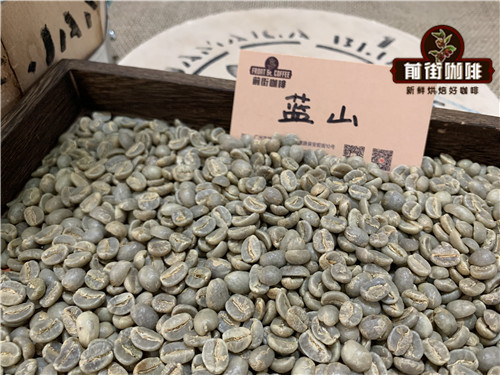
Blue Mountain No. 1 Coffee BeansRequires that 96% of coffee cherries must reach screen size 17 or above, and the defect rate of processed coffee beans must not exceed 2%;
Blue Mountain No. 2 coffee beans require that 96% of coffee cherries must reach screen size 16 or above, and the defect rate of processed coffee beans must not exceed 2%;
Blue Mountain No. 3 coffee beans require that 96% of coffee cherries must reach screen size 15 or above, and the defect rate of processed coffee beans must not exceed 2%;
Blue Mountain Peaberry requires that 96% of coffee cherries must reach screen size 10 or above, and the defect rate of processed coffee beans must not exceed 2%
How to distinguish authentic Blue Mountain coffee?
In our daily lives, we often see coffee products labeled with Blue Mountain coffee flavor in supermarkets and convenience stores, and many coffee shops use Blue Mountain-flavored blended coffee beans to make coffee. But these are not authentic Blue Mountain coffee—they may not even have anything to do with Blue Mountain at all.
The reason there are so many Blue Mountain-flavored coffees on the market is that Blue Mountain coffee is genuinely very famous in the domestic market, and many people believe Blue Mountain coffee represents good coffee. But early Blue Mountain coffee was rare and expensive, so operators created blends using mixed beans with dark roasting to approximate the taste of Blue Mountain based on that flavor profile.
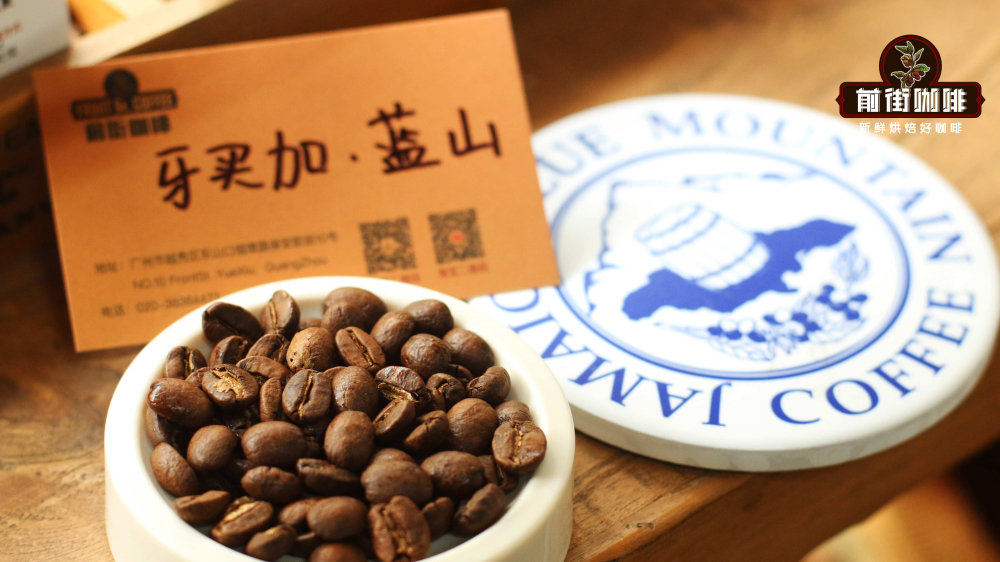
Authentic Blue Mountain coffee is not a blend, but a single-variety coffee bean, using Typica—one of the oldest coffee varieties in the Arabica family—which is characterized by a naturally very clean and delicate flavor.
For export, the Jamaican government requires that exported Blue Mountain coffee beans must be shipped in wooden barrels, with strict requirements and designated export standards, and certificates of proof are issued. At Front Street Coffee's (FrontStreet Coffee) physical stores, you can see the relevant barrels and certificates~
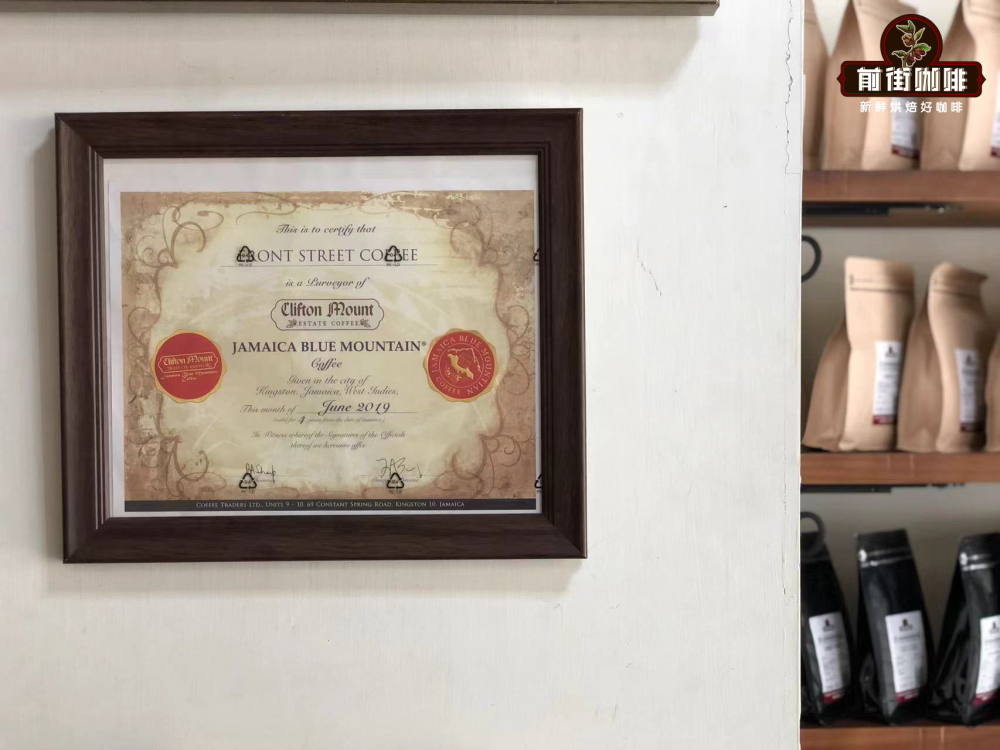
There are three types of certificates:
(1) Quality certificate issued by the Jamaica Coffee Board
(2) Authorized sales certificate issued by the Blue Mountain coffee producer.
(Blue Mountain coffee is distributed by 4 Jamaican government-licensed processors and manufacturers, and exported by 16 licensed exporters)
(3) Certificate of origin for Jamaican Blue Mountain Coffee
Many people still hold the impression that Blue Mountain coffee is very rare and expensive. Compared to today's coffee beans, the price of Blue Mountain coffee beans is fairly affordable. At Front Street Coffee (FrontStreet Coffee), the price of roasted Blue Mountain coffee beans is 158 yuan/100g.
How to brew Blue Mountain coffee?
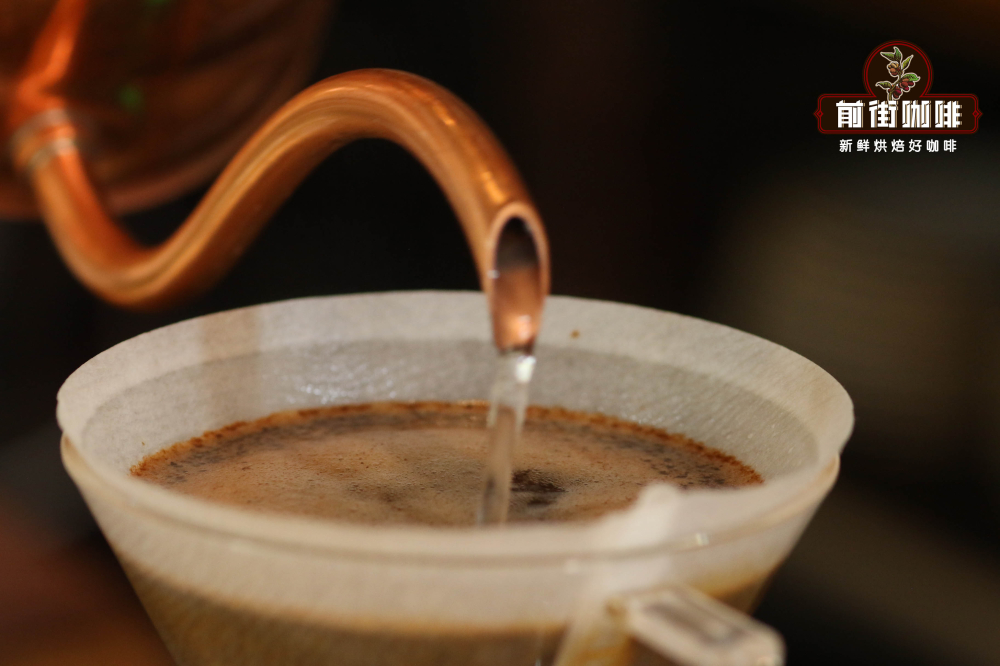
For its daily store offerings of Blue Mountain coffee, Front Street Coffee (FrontStreet Coffee) uses the following parameters for extraction: Kono dripper, 88°C water temperature, 1:15 coffee-to-water ratio, 15g coffee dose, grind size (70-75% passing through a No. 20 standard sieve).
The brewing method is as follows: First pour, inject 30g of water for blooming, with a bloom time of 30 seconds. Second pour, inject water up to about 125g, then wait for the coffee liquid to drop. When it has dropped halfway, pour the final phase of water up to 225g. Wait for all the coffee to finish dripping before ending extraction. Total extraction time is generally about 2 minutes 10 seconds.
Front Street Coffee (FrontStreet Coffee)Jamaica Blue Mountain No. 1 CoffeeFlavor profile: rich dark chocolate and nutty flavors, creamy smooth mouthfeel, balanced sweetness, acidity, and bitterness.
The above content is compiled by CoffeeHunters, a coffee news website.

