








What Is the Real Difference Between Cappuccino and Coffee Drinks?
A latte and a cappuccino are both Italian milk coffees, but they differ in cup size, foam and ratio. A latte is served in roughly a 300ml cup with moderate foam and a coffee-to-milk ratio near 1:5 or 1:6, giving a balanced, smooth drink. A cappuccino comes in about 250ml with fluffier mushroom-shaped foam and a 1:4 ratio, so the coffee flavor is more concentrated.
The difference between cappuccino and coffee drinks starts with their histories. Cappuccino takes its name from the Capuchin order and the Italian word Cappucio, echoing the white hood of the friars and the white foam at the drink's center; latte origins lie in espresso blended with a large share of milk. For milk drinks, medium to dark espresso blends with chocolate or caramel notes tend to hold up well.
Latte and cappuccino are both Italian milk coffees, yet they deliver distinctly different taste experiences due to differences in milk ratio, milk foam thickness, and cup size. This article first introduces the origins and characteristics of each coffee, then breaks down their differences from the perspectives of cup type, milk foam form, and coffee-to-milk ratio, and finally returns to the preparation stage, focusing on the five coffee beans in the Front Street espresso blend series, explaining the milk coffee types and flavor performance each is suited for, helping coffee enthusiasts have clearer direction when ordering and purchasing.
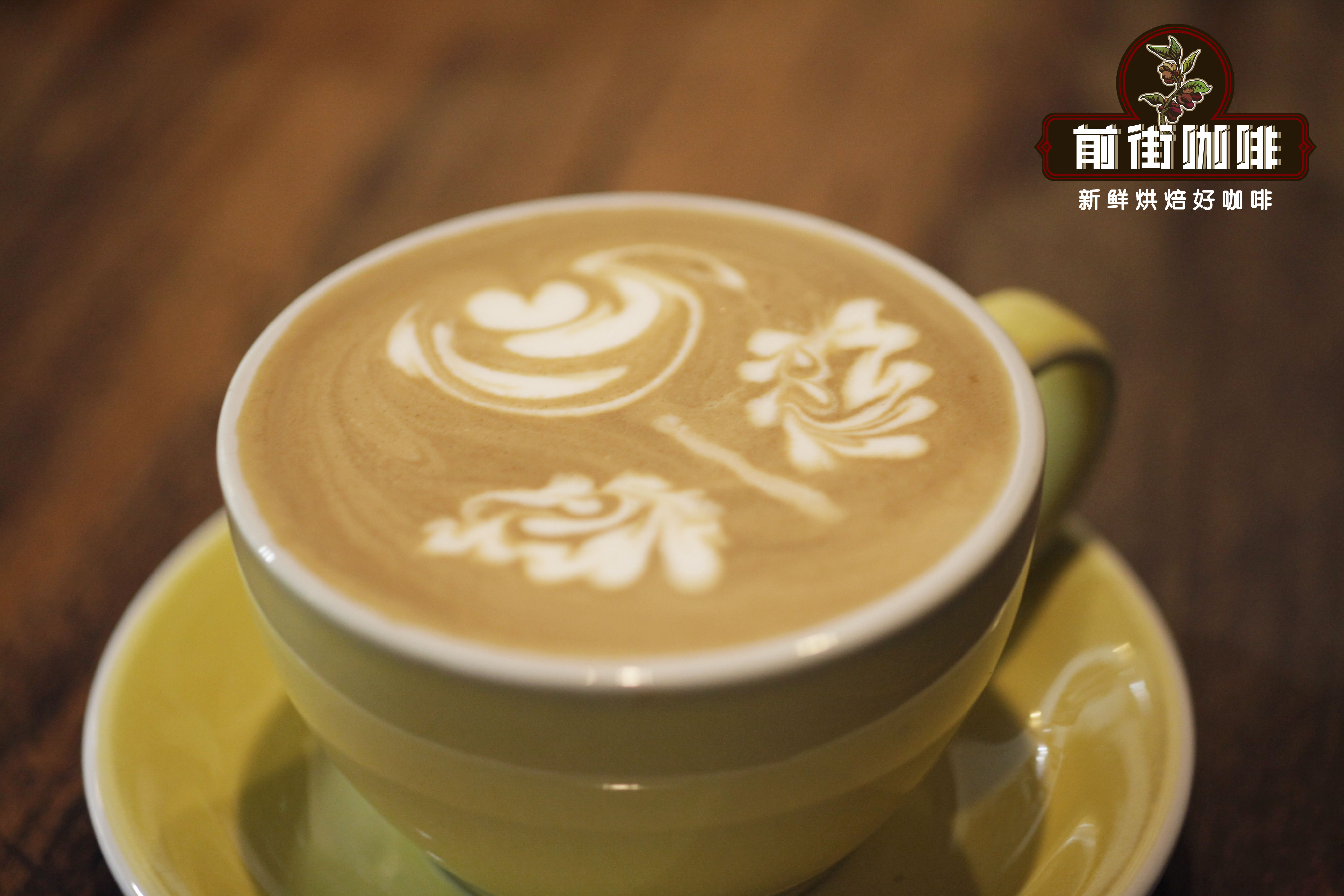
What is latte coffee?
Latte coffee, written in English as Coffee Latte, is a member of the fancy coffee family, made by blending espresso with milk. Since a considerable proportion of milk is poured into the espresso, the finished product retains both the aroma of coffee and the fragrance of milk, and becomes soft and smooth on the palate, making it easier for the general public to accept.
What is cappuccino coffee then?
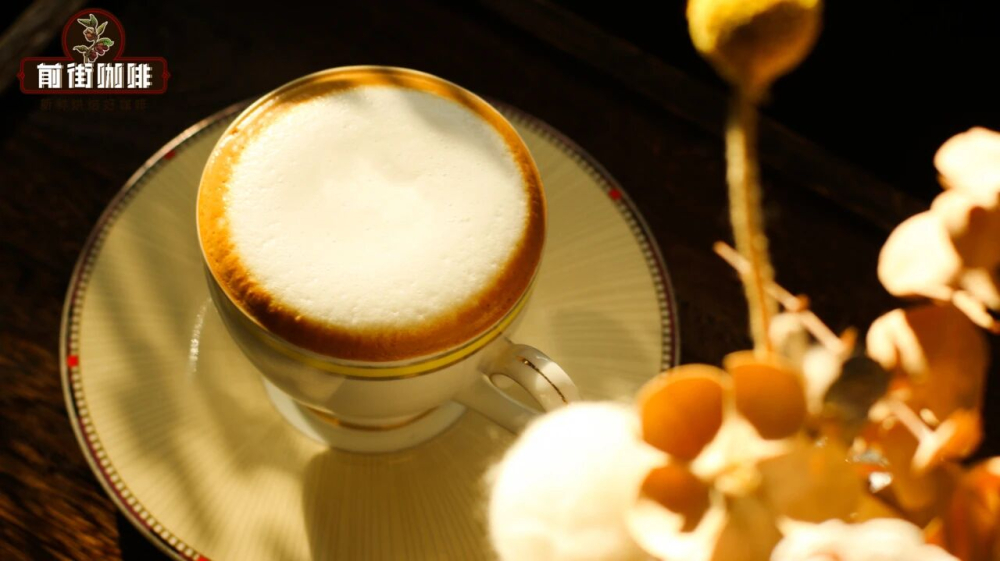
Cappuccino is a transliteration of Cappuccino, and its name is related to the Capuchin order and the Italian word for hood, Cappucio. The white hood worn by the friars of that order happens to echo the layer of pure white milk foam at the center of a cappuccino. Legend has it that most friars favored this drink, and the name was passed down from there.
Differences between latte and cappuccino
If you order a latte and a cappuccino at a café at the same time, a comparison makes it easy to see: latte is usually served in a cup of about 300ml, with a moderate milk foam thickness, so the surface often shows exquisite latte art patterns, and the coffee-to-milk ratio is mostly between 1:5 and 1:6, with an overall balanced taste. Cappuccino mostly uses a coffee cup of about 250ml, with fluffier milk foam shaped like a mushroom, generally without latte art, and a coffee-to-milk ratio of 1:4, with a more concentrated and prominent coffee flavor.
What coffee beans should be chosen for making latte and cappuccino?
Generally speaking, for making this kind of milk coffee, you can give priority to the Front Street espresso blend series: 1. Front Street Classic Blend, 2. Front Street Commercial Blend, 3. Front Street Specialty Blend, 4. Front Street Dark Cocoa Basic Blend, 5. Front Street Strawberry Candy espresso blend.
If you ask which coffee bean is most suitable for making a latte, Front Street Classic Blend and Front Street Commercial Blend are worth buying. These two use medium-dark roasting and include a small amount of Robusta beans, and during extraction they can release the aromas of butter, nuts, spices, and dark chocolate. Their distinct character and rich crema are their most prominent labels. If the barista then pours a beautiful pattern, it is easy to remember this cup of latte.
If you prefer rich, layered nutty aromas such as almond, apricot kernel, and walnut, Front Street Specialty Blend and Front Street Dark Cocoa Basic Blend will be more suitable. Both contain a high proportion of Brazilian coffee beans, bringing a comfortable sweet-bitter taste and a very smooth mouthfeel. Front Street Specialty Blend carries the nut, chocolate, and caramel aromas common to Colombian coffee, with just the right acidity; Front Street Dark Cocoa Basic Blend incorporates the ripe plum acidity of Yunnan small-bean coffee, and after grinding it emits an aroma of creamy chocolate, with a balanced flavor and wide compatibility, and besides latte, it can also be used to make a variety of espresso drinks.
After becoming accustomed to traditional darker-roasted flavors, many customers want to try a non-bitter Americano or latte, and at this point they can buy Front Street Strawberry Candy espresso blend. As the name suggests, its sweetness is prominent. Because it is composed of single-origin coffees from three different producing regions, Front Street Strawberry Candy not only has a rose floral aroma, but when made into an Americano or latte you can also taste the flavors of grape, dried blueberry, sweet orange, and fruit candy, with a rather unique mouthfeel.
The above content is compiled by CoffeeHunters, a coffee news website.


