







Is Yirgacheffe part of arabica coffee's family?
Yes. Yirgacheffe is Ethiopian coffee, and Ethiopia is the birthplace of arabica coffee, so the region's beans belong to that species. Everything traces back to the Kaffa forests, and roughly 99% of the world's coffee variety genetic material can be found in the country. Because the varieties are so many and so hard to classify, exported Ethiopian beans are often labeled simply as Heirloom.
The plants themselves grow at altitude, and the beans tend to be smaller and denser than those of other origins, mostly falling between screen sizes 14 and 15. Arabica accounts for 70% to 80% of total coffee production and dominates specialty coffee, though it resists drought, frost and disease poorly, and is especially vulnerable to coffee leaf rust, which is why producing countries keep improving varieties.
Yirgacheffe is one of Ethiopia's most iconic specialty coffee regions, but is it actually an Arabica variety? This article begins with the birthplace of Arabica coffee, untangles the complex genealogy of Ethiopia's native heirloom varieties, and takes a deep dive into Yirgacheffe's varietal characteristics, growing environment, the evolution of processing methods, and the industry backdrop of the Operation Cherry Red project and the farmer cooperative union. It also combines Front Street Coffee's brewing parameters and flavor descriptions to give you a comprehensive understanding of this African specialty bean that brings together floral aromatics and fruity acidity.
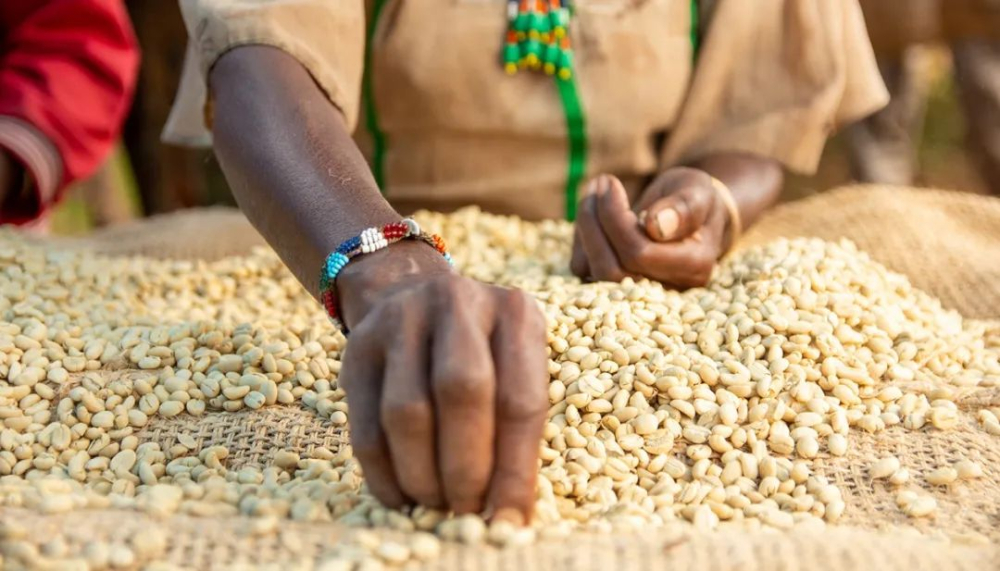
The long heritage of Arabica varieties, high-altitude growing conditions, and the cultivation, harvesting and processing skills accumulated by generations of coffee farmers together create that smooth yet richly layered coffee flavor.
Ethiopia is a truly remarkable land—it is the birthplace of Arabica coffee. Everything begins in the Kaffa forests, and Ethiopia is also a major coffee-producing country in Africa. As the original home of Arabica coffee, the country is home to tens of thousands of naturally occurring coffee varieties, and roughly 99% of the world's coffee variety genetic material can be traced here. Yet precisely because the varieties are so numerous, identification and classification are extremely difficult, and because the Ethiopian government wants to protect its natural coffee resources, it is unwilling to disclose specific information about these varieties. As a result, Ethiopian coffee beans for export are often labeled generically as "Heirloom" in the variety field.
Arabica accounts for 70% to 80% of total coffee production, and its outstanding flavor and aroma make it the cream of the crop among all coffee species. Ethiopian coffee beans are usually uneven in size, smaller than beans from other producing countries, and tend to be rounder and denser, with most falling between screen sizes 14 and 15.
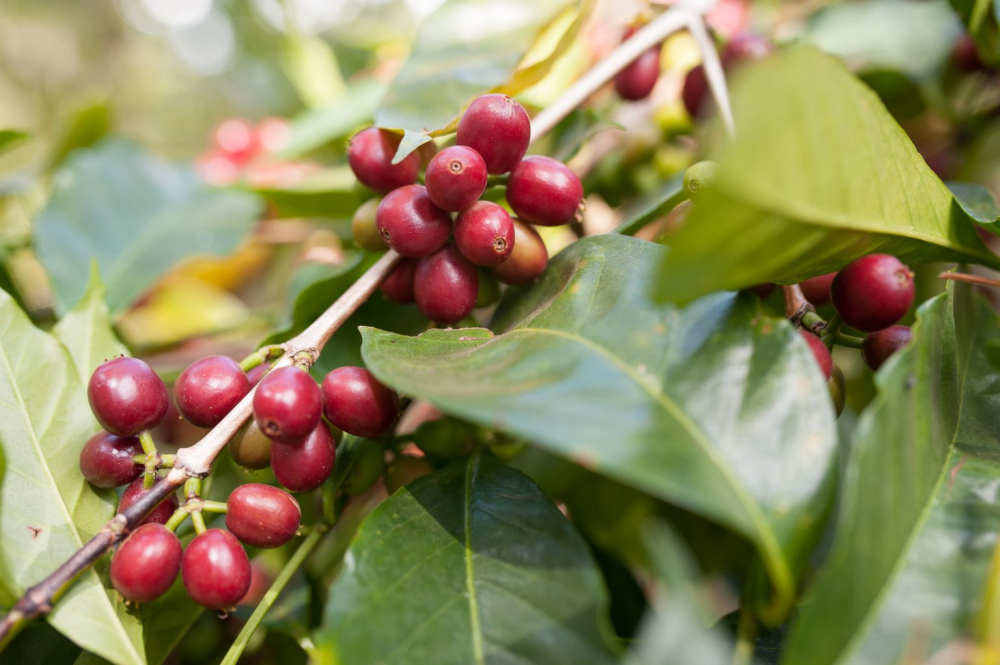
Arabica beans generally reach the market as specialty coffee. However, it has relatively weak resistance to drought, frost and pests and diseases, and is especially susceptible to coffee leaf rust, coffee's formidable enemy, so producing countries continue to improve varieties. In fact, early commercial coffee worldwide was all Arabica, and it was not until a large-scale outbreak of leaf rust at the end of the 19th century, which drove many coffee estates out of business, that growers turned to other disease-resistant varieties. Even so, Arabica remains the mainstay of world coffee production to this day, accounting for about three-quarters of the total. Its growing areas are mainly concentrated in Latin American countries, with small amounts also planted in Indonesia and the Pacific islands. Brazil, the world's largest coffee producer, has geographical and climatic conditions extremely suitable for Arabica, and Arabica is precisely its main variety, accounting for more than one-third of world production. Arabica cherries are smaller than those of Robusta and Liberica, oval in shape, and usually contain two seeds—what we call "coffee beans."
Arabica is actually a fairly broad category with many sub-varieties beneath it. Arabica has two major derivative varieties—Typica and Bourbon—along with varieties, experimental cultivars and hybrids derived from them. Familiar names such as Caturra, Catuai and Catimor all belong to this vast family, too numerous to count. Ethiopia is Africa's largest Arabica-producing country, and the more than two thousand varieties under the Arabica umbrella can all be traced back to Ethiopia's oldest Typica, which spread to Central and South America or Asia and then mutated and evolved. Ethiopia is truly a genetic treasure trove of Arabica, estimated to have at least 2,000 varieties, while Ethiopian authorities claim that fewer than 5% of the Arabica varieties within its borders have been studied in depth and had their morphology and habits confirmed.
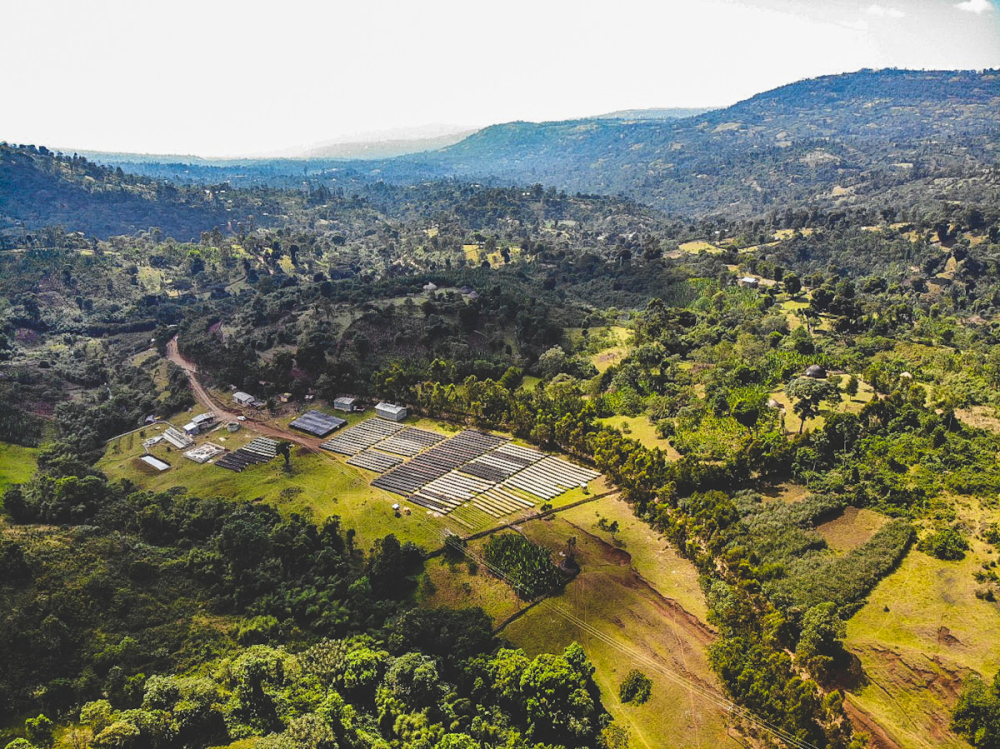
Ethiopia is Africa's largest coffee producer. Here, coffee is not only a pillar of national income but has long been deeply woven into the country's culture and daily life. According to official Ethiopian data, of the nearly 6.5 million bags produced annually, about half is consumed by Ethiopians themselves, with only about 3.5 million bags exported around the world.
Yirgacheffe is a core region of Ethiopia, the birthplace of Arabica, and for anyone who loves specialty coffee or wants to get started, it is a producing region that must be understood in depth and savored carefully. Yirgacheffe itself is also a vast region, dotted with coffee estates and cooperatives of all sizes, and beans from different areas show subtle differences in flavor. Nearly half of Front Street Coffee's bean list features coffees from the Yirgacheffe region, including Operation Cherry Red, Gotiti Cooperative, Worka Cooperative, Kochere, and Konga Cooperative. Among these Yirgacheffe beans are both washed and natural processed ones, offering coffee lovers a rich variety of experiences.
Yirgacheffe coffee beans, famous for their numerous and ancient varieties, actually encompass a great many varieties of different sizes and differing moisture and composition. To fully bring out Yirgacheffe beans' signature "aroma, sweetness and beautiful fruit acidity," every second tests the roaster's skill.
Arabica Coffee Bean Varieties
Arabica is the earliest coffee variety to be discovered, considered superior in quality to other coffee bean varieties, and is currently the world's most important cultivated variety, produced in Central and South American countries, Africa and Asia. Arabica typically grows to 2.5 to 4.5 meters tall, can tolerate low temperatures but not frost, and has weak drought resistance. Its beans are relatively large, its flavor clean and mellow, and its caffeine content low. Under Arabica there are many sub-varieties, all derived from Ethiopia's oldest Typica and Yemen's Bourbon after being transplanted to Central and South America or Asia and mutating, making it an extremely rich category.
Specialty coffee as defined by the third wave of the specialty coffee movement covers four judging dimensions: variety, altitude, processing method and cupping score. Among these, coffee bean varieties are mainly Arabica.
Ethiopian coffee has spread throughout the world, and regions such as Sidamo and Yirgacheffe each have their own distinctive flavors and mouthfeels. Yirgacheffe and Sidamo are both Ethiopian producing regions, and Yirgacheffe is in fact a small town under the jurisdiction of Sidamo Province. Sidamo sits at about 2,100 meters above sea level, while Yirgacheffe exceeds 2,600 meters. As coffee-growing altitude rises, the content of amino acids and other aromatic substances in the beans increases accordingly because of the higher elevation and lower average temperatures. As a result, coffee beans from high mountain areas tend to be more aromatic and fuller in flavor. Yirgacheffe coffee is one of the most distinctive coffees in the world and an outstanding representative of African washed coffee, consistently enjoying a high reputation among international coffee connoisseurs.
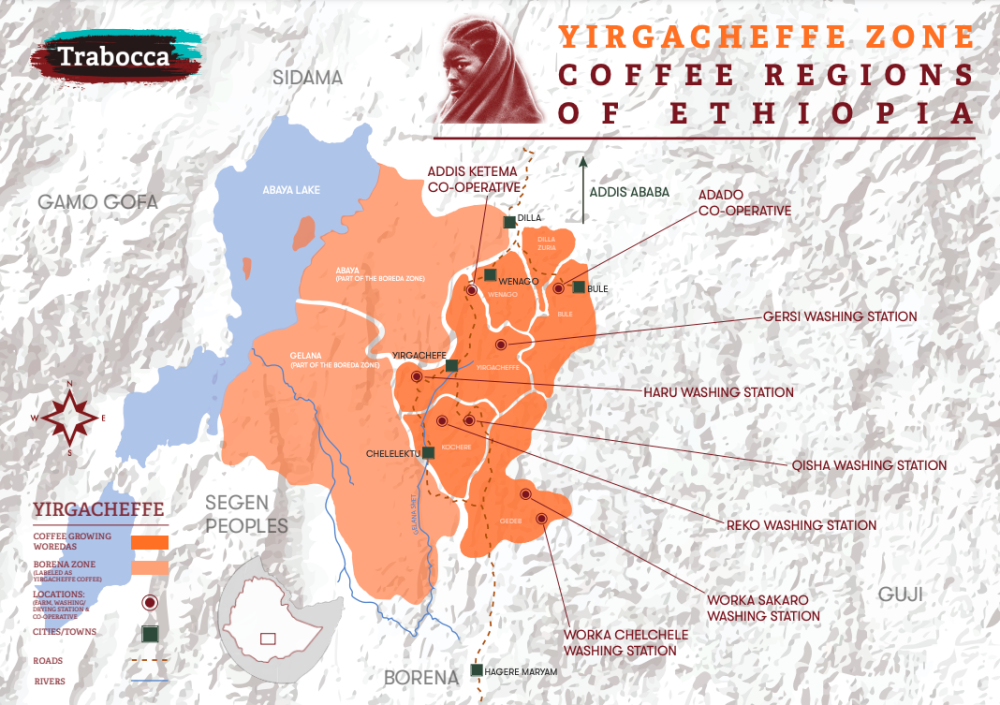
Most Ethiopian coffees are named after their producing region, such as Yirgacheffe Cherry Red or Yirgacheffe Kochere, while beans from this region itself are simply labeled Yirgacheffe. The Yirgacheffe region is located in Sidamo Province, Ethiopia, on a plateau at an altitude of 2,000 meters, making it one of the highest coffee-producing regions in the world and the byword for Ethiopian specialty coffee. Yirgacheffe has an average temperature of 18.4°C, is cool and foggy year-round, and is like spring all year round. Its unique terrain and growing system provide ideal conditions for cultivating specialty coffee beans.
Yirgacheffe Coffee Beans Processing Methods
Yirgacheffe originally used the oldest natural (dry) processing method, but in 1972 Ethiopia introduced washed processing technology from Central and South America to improve quality, making Yirgacheffe's jasmine and citrus notes clearer and more refined, and propelling it to the ranks of the world's finest specialty beans—the superb washing technique deserves much of the credit. After the 1970s, washed processing became the norm, such as washed Yirgacheffe coffee . However, in the past two years, Yirgacheffe has broken with convention and frequently released stunning natural-process beans!
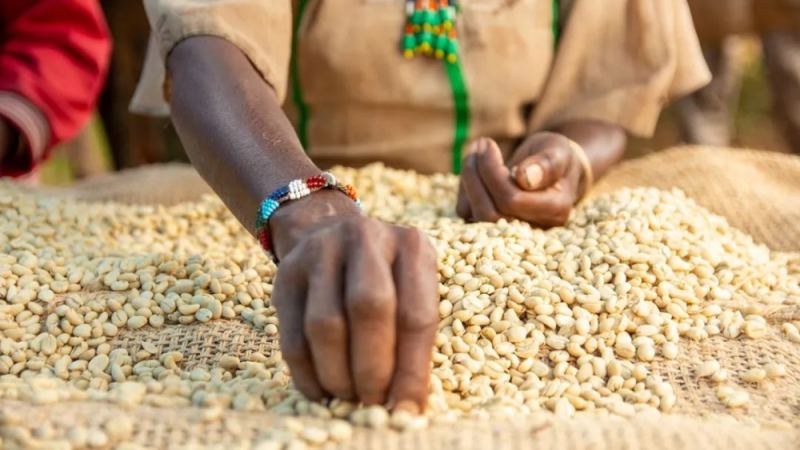
Natural Yirgacheffe sets strict standards for harvesting red cherries (the fruit borne by the coffee tree). Before sun-drying the coffee cherries, unripe green cherries and defective fruit are removed by hand, and during the drying process damaged or moldy cherries are removed again. After two weeks, the sugars and essence of the pulp have fully permeated the beans, and the moisture content has dropped to 12%. The hardened pulp, pectin layer and husk are then sent together into a hulling machine to be scraped clean, and after the beans are extracted they undergo density and bean-color testing. After defective beans are eliminated, workers finally pick out by eye any defective beans that slipped through, and this multi-layered quality control is what produces the clean, refined character of natural Yirgacheffe beans. For example: Yirgacheffe Cherry Red coffee.
The "Operation Cherry Red"
Of course, Yirgacheffe also has specialty-grade natural coffee beans, and the Cherry Red coffee on Front Street's bean list is precisely a natural-processed Yirgacheffe.
To raise the income of local Ethiopian farmers and improve coffee quality, the Dutch trading company Trabocca BV launched the "Operation Cherry Red Project" (OPERATION CHERRY RED PROJECT) in 2007, targeting high-altitude producing regions such as Ethiopia's Yirgacheffe, improving washed, semi-washed and natural processing techniques, and inviting professional cuppers to take part. During the harvest season, different harvest volumes are set for different microclimate parcels, and only 100% ripe red coffee cherries may be picked, with output controlled at around 1,500 to 3,000 kilograms. The financial loans, new hardware and production know-how provided by Trabocca significantly improved the quality of coffee beans from the Yirgacheffe region and indeed all of Ethiopia, and correspondingly the coffee commanded higher prices, thereby raising farmers' incomes.
The Yirgacheffe Coffee Farmers Cooperative Union (YCFCU) was founded in June 2002 and currently has 28 main member cooperatives, 44 coffee processing sites in total, and as many as 45,094 farmers. According to Front Street's research, in the Yirgacheffe area coffee is the main source of income and way of life. But many farmers lack the tools, training and bargaining power needed to build profitable businesses. As prices fall, making a living from coffee becomes increasingly difficult, and breaking into international markets is a huge challenge for smallholder farmers. YCFCU was born out of the hope that through better organization and new market connections in the specialty coffee sector, farmers could keep their operations going and gain economic autonomy.
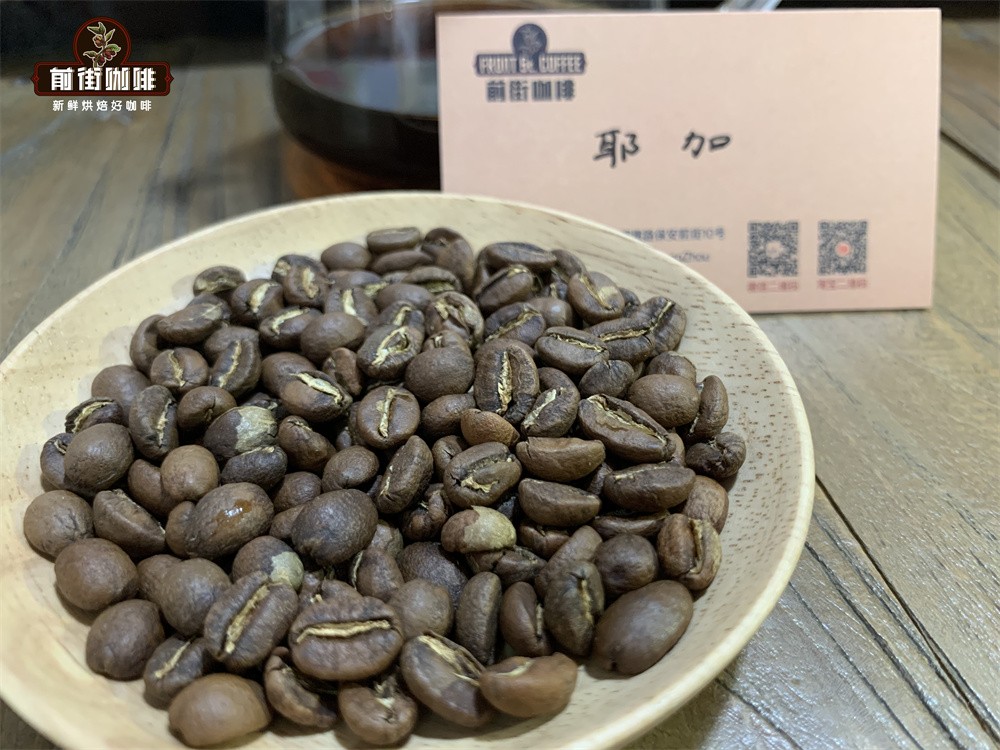
Front Street's Yirgacheffe brewing parameters:
V60 dripper, water temperature 90°C, water-to-coffee ratio 1:15, 15g of coffee, grind size (80% passing a Chinese No. 20 standard sieve)
Use staged extraction, first blooming with twice the coffee's weight in water, i.e. 30g of water for a 30-second bloom. The purpose of the bloom is to let the coffee grounds release their internal carbon dioxide, making the later stages of extraction more stable. Pour in a slow circular stream until the scale reads 125g, then pause, continue pouring until 225g and stop. Once the water in the dripper has finished dripping, remove the dripper. Time from the start of pouring; the extraction time is 2 minutes 00 seconds. Next, pick up the whole cup of coffee and swirl it to mix, then pour it into a cup and it's ready to taste.
[Washed Yirgacheffe Coffee Flavor ] Brighter, livelier acidity with citric and citrus notes, a clean, refreshing mouthfeel, and a somewhat black-tea-like finish.
[Natural Cherry Red Coffee Flavor] Berry, lemon, strawberry, fermented wine-like aroma.
Front Street's coffee brewing suggestions:
No matter what kind of coffee you make, the freshness of the coffee beans is crucial. Front Street has always believed that bean freshness is closely tied to coffee flavor, so all coffee beans shipped by Front Street Coffee (FrontStreet Coffee) are within 5 days of roasting. Front Street's roasting philosophy is "freshly roasted good coffee," so that every customer who places an order receives the freshest coffee upon delivery. Coffee's resting period is about 4 to 7 days, so by the time the customer receives it, it is at its peak flavor.
For those who need pre-ground coffee, Front Street offers a friendly reminder: once coffee beans are ground in advance, they no longer need to rest, because during shipping the pressure from carbon dioxide inside the packaging also rounds out the coffee's flavor, so you can brew a cup as soon as you receive the ground coffee. But ground coffee needs to be brewed promptly, because once exposed to air it oxidizes fairly quickly—that is, its flavor dissipates relatively fast and the coffee won't taste as good. So Front Street recommends buying whole beans and grinding fresh for each brew, so you can better enjoy the coffee's flavor.
For professional coffee knowledge exchange and more coffee bean information, please follow Coffee Studio (WeChat official account: cafe_style)
For more specialty coffee beans, please add the private WeChat of Front Street Coffee (FrontStreet Coffee), WeChat ID: qjcoffeex
The above content is compiled by CoffeeHunters, a coffee news website.


