








What makes an Italian latte work at home?
A traditional latte is simply milk plus coffee, with the espresso-and-milk version becoming the default after Starbucks spread it worldwide. Recreating it at home comes down to three things: matching beans to milk, keeping espresso extraction stable, and getting the milk-to-coffee ratio right. Bean choice sets the flavor direction before any technique matters.
A deep roast blend of Brazil, Indonesia, and Vietnam beans gives a thick crema that holds up in both Americano and latte. Medium-roast espresso coffee beans with honey and fruit notes suit milk drinks that should stay bright. Rest beans after roasting, then pull a consistent shot and steam milk to a glossy microfoam before combining.
What is the essence of a latte? How can you make a delicious espresso latte at home with a coffee machine? This article breaks down each key step that affects latte flavor, from coffee bean selection, resting time, milk choice, espresso extraction parameters, to the ratio of coffee to milk. It also shares the specific applications of beans such as Front Street classic blend, Strawberry Candy, and Huakui SOE in different latte recipes, along with the steps for making hot and iced lattes, helping coffee lovers consistently recreate coffee-shop-quality drinks at home.
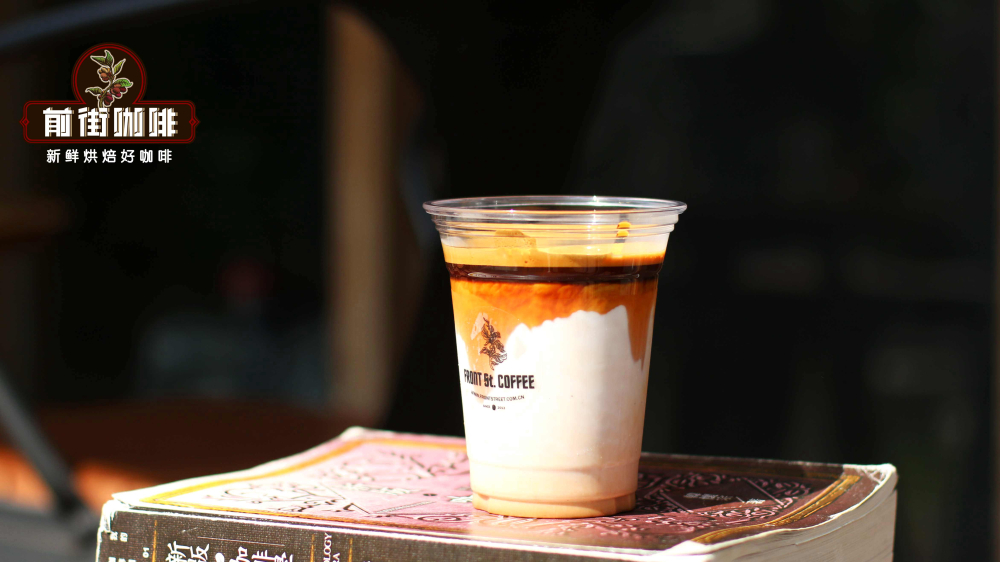
Friends often ask Front Street Coffee why, even though they use Front Street. Specialty Blend coffee beans to make lattes, the taste is different every time.
To answer this question, we must first return to the original definition of latte. The most traditional latte is simply milk plus coffee, with no restriction on which coffee is used. Later, Starbucks promoted the combination of espresso and milk across its global stores, and over time, the industry and consumers came to understand latte by default as espresso plus milk.
Strictly speaking, coffee plus milk can all be called latte. However, since you clicked on this article, you probably want to figure out how to make a delicious espresso latte at home, so Front Street won't digress and will get straight to the point.
Making a coffee-shop-quality latte is not as difficult as you might imagine. The key lies in three aspects: whether the pairing of coffee beans and milk is reasonable, whether the espresso extraction is stable, and whether the ratio of milk to coffee is appropriate.
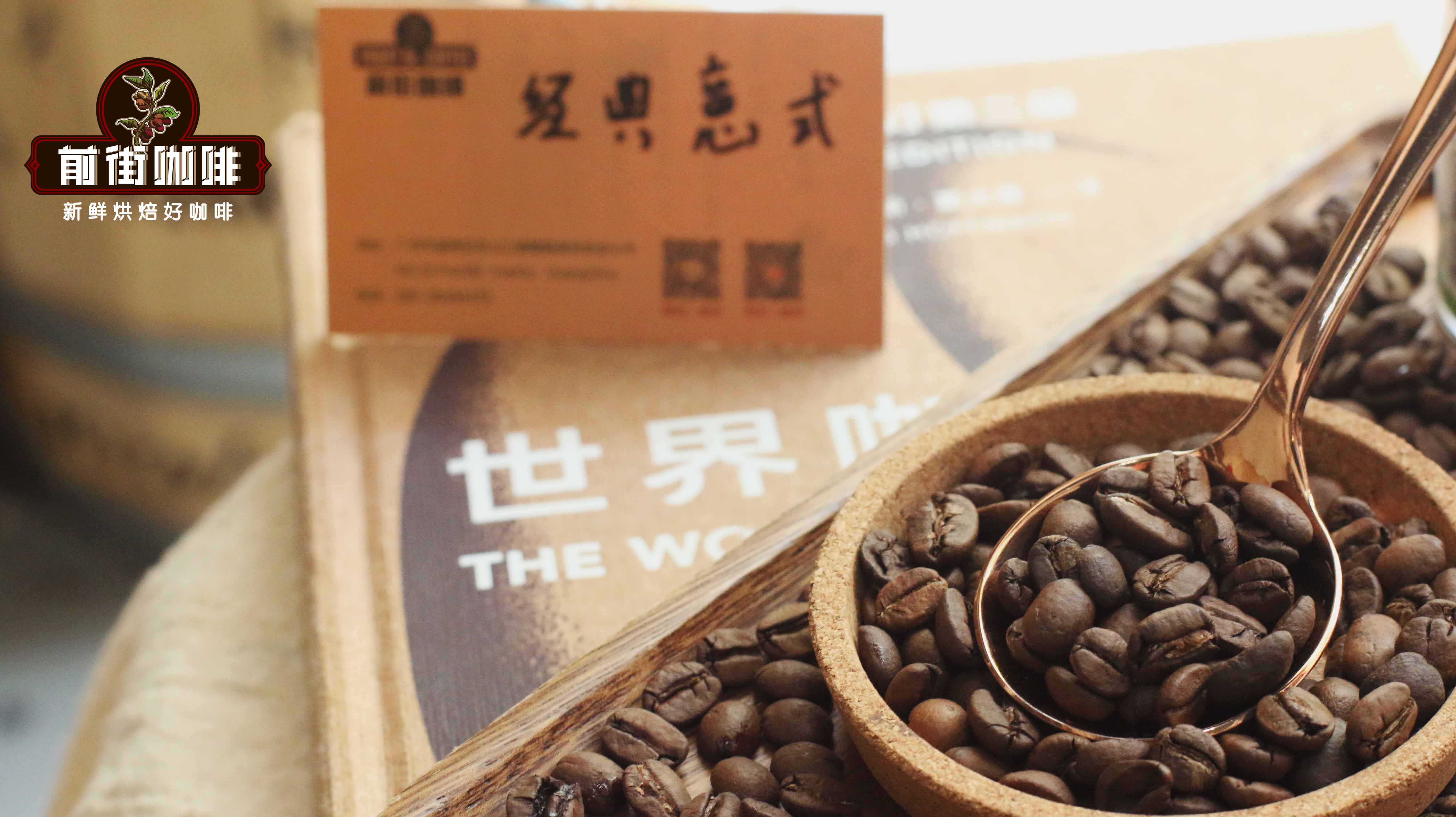
The choice of coffee beans is the primary factor determining the flavor direction of a latte. For example, Front Street Classic Espresso Blend coffee beans are a choice with a rich aroma of their own. This blend consists of beans from three producing regions: Brazil, Indonesia, and Vietnam. It uses a deep roast, which can fully release the rich aroma of the coffee and makes it easy to extract a thick, dense crema. Whether making an Americano diluted with water or a latte paired with milk, it performs quite well, and you can order it from the Front Street Taobao store or the Front Street Tmall flagship store.
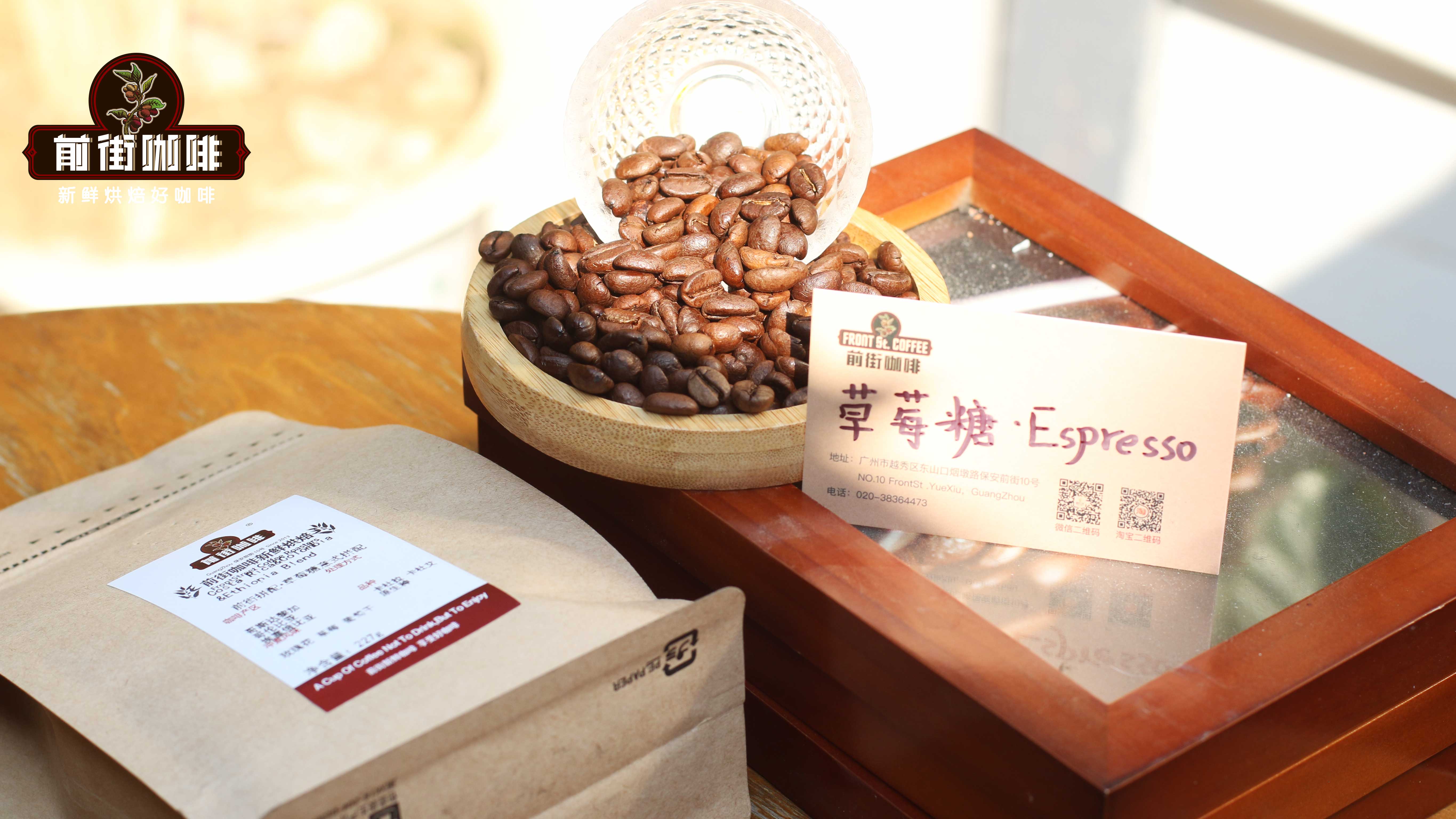
If you prefer fresh floral and fruity notes, you can try the medium-roast Front Street. Strawberry Candy espresso coffee beans. This bean is known for its honey processing, using beans from two major producing regions: Front Street Costa Rica Tarrazu and Ethiopia, the birthplace of coffee, with Colombian coffee beans added for blending. The espresso extracted with a coffee machine is not overly harsh, has good crema, a dense texture, and also carries a sweet-and-sour taste reminiscent of strawberry gummy candy.
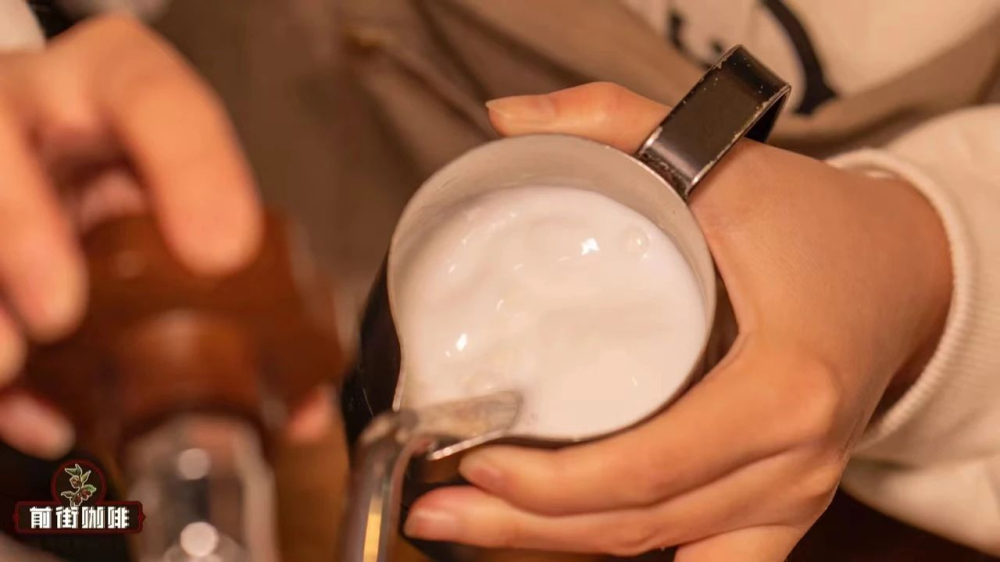
After choosing the beans, the resting period cannot be ignored either. Previously, a customer reported that after buying Warm Sun Blend, they could not reproduce the flavor they had tasted at the Front Street store. Upon further questioning, it turned out the beans were too fresh, and the proper flavor simply could not be extracted. A few days later, the customer said the flavor had come out. According to Front Street's production tests, espresso coffee beans reach their best flavor state after about 7 to 10 days of resting, and the optimal tasting period is around 50 days.
Milk also affects the flavor and mouthfeel of a latte. Front Street previously tested several common fresh milks on the market, and you can click "Milk Review" for the details.
Next, the espresso extraction step has a relatively large impact. Some friends attribute differences in espresso quality to differences in machine grade, thinking that coffee machines costing tens of thousands or even over a hundred thousand yuan are simply better than home machines costing a few thousand yuan.
There is some truth to this statement, but the gap between coffee made by a 100,000-yuan machine and a several-thousand-yuan machine is not as huge as everyone imagines. Front Street has also used thousand-yuan-level home coffee machines. If you only make two or three cups a day, the quality of the latte produced is completely fine. Of course, if it is a several-hundred-yuan toy machine, or an all-in-one grinding and extraction machine, then the extraction quality will show a visible gap.
Espresso extraction ultimately comes down to controlling a few parameters. The basic formula used by Front Street is: a 1:2 coffee-to-liquid ratio, an extraction time of 25 to 30 seconds, and no abnormal conditions during extraction. The abnormalities mentioned here include channeling, unstable flow rate, and perforation or spraying.
Front Street's method for making a hot latte
When making a latte, we use 20g of Front Street. Front Street Classic Blend coffee grounds to extract 40g of double espresso within 30 seconds, then pour it into a 300ml coffee cup. The flavor profile of this bean after extraction shows obvious roasted nuts, almond cookies, and chocolate notes, with a rich crema aroma and a very comfortable sweet aftertaste.
In the second step, use the steam wand of the coffee machine to steam 220ml of fresh milk to 50 to 60 degrees Celsius while forming a milk foam layer about 1cm thick, ensuring the foam is dense and silky.
Finally, evenly combine the espresso and milk, gently push out an attractive pattern, and a hot latte is complete.
Front Street's method for making an iced latte
First prepare a 300ml coffee cup, add 100g of ice cubes, and pour in 180g of fresh milk. Then use 20g of Front Street Classic Blend coffee grounds to extract 40g of double espresso within 30 seconds, and slowly pour it over the iced milk.
Regarding the ratio of coffee to milk, many friends have asked Front Street: should a latte have one shot or two shots? What is the ratio of coffee to milk? Some people also ask Front Street, after learning about a certain coffee shop's latte recipe, whether that is the standard method.
To sort out these questions, it helps to follow Front Street's line of thinking. What exactly does the ratio of coffee to milk affect? Put simply, too much milk masks the coffee flavor, while too little milk makes it too bitter. So a suitable ratio is essentially about finding a balance between milk and coffee liquid.
Once you understand this, you will realize that numerically there is no precise standard ratio. Everyone uses different coffee beans, and the milk may also differ. Even if you copy someone else's ratio to make a so-called standard latte, the taste may not be the same. So it is better to set aside the cold numbers and start from the taste of the coffee itself.
Latte has a rough ratio range, approximately coffee to milk equal to 1:4 to 1:8. If using the medium-dark roast Front Street. Front Street Classic Blend, it is recommended to use 1:8, that is, add 280ml of fresh milk to 40g of coffee liquid, so the taste remains balanced; if using Front Street. Strawberry Candy medium-roast espresso beans, you can use 1:6, adding 240ml of fresh milk, which can highlight both nutty and fruity aromas;
When using single-origin coffee beans such as Front Street. Huakui SOE, because the goal is to highlight a light fruity aroma, a 1:4 ratio is used, adding 160ml of fresh milk.
Steaming fine, fluid milk foam helps with integration and adds mouthfeel. As for the specific operations of steaming milk foam and integrating, Front Street has not elaborated here, mainly because if making a latte at home is purely for taste and not for appearance, the techniques of milk foam and integration are not essential. Making a latte does not necessarily require steaming milk foam; you can just heat the milk, and for integration you can also stir with a spoon. If you insist that only a latte with milk foam and latte art counts as complete, then please practice the technique seriously.
Finally, the reason coffee shop lattes taste better than homemade ones is mainly that before handing you a satisfying latte, the coffee shop has already tried all kinds of unsatisfactory versions, continuously adjusting from the choice of coffee beans and milk, to the espresso extraction parameters, and then to the ratio of milk to coffee, until finally tuning it to a state suitable for serving.
The above content is compiled by CoffeeHunters, a coffee news website.


