







Why Is Jamaican Coffee From the Blue Mountains Unique?
Jamaica Blue Mountain coffee grows in the eastern Blue Mountains, whose highest peak reaches 2,256 meters, the tallest point in the Caribbean. Volcanic soil, high humidity, year-round fog and abundant rainfall sit inside the coffee belt, and the slopes are so steep that harvesting is done by hand. Only cherries at the right stage of ripeness are picked, since underripe or overripe fruit harms quality.
Processing is equally strict. Pulping happens the same day as harvest, followed by 12 to 18 hours of fermentation, then washing and sorting. Drying takes place on flagstone surfaces or thick blankets until moisture falls to 12 to 14 percent, after which the beans are stored in dedicated warehouses before roasting. Those steps help explain why this Jamaican coffee sits among the most expensive coffees.
Why has Blue Mountain coffee become synonymous with the world's top-tier coffee? Where exactly in Jamaica is it grown, and what unique terroir and processing methods does it possess? Starting from the geographical environment of the Blue Mountains, this article will provide a detailed analysis of the rigorous process of Blue Mountain coffee from harvesting to export, and explore the specific requirements of pour-over coffee for roasting levels. The article will also introduce the flavor profile and roasting choices of Front Street Blue Mountain No. 1 coffee beans, helping coffee enthusiasts gain a more comprehensive understanding of the charm of this legendary coffee.
Front Street Jamaican Blue Mountain Coffee, Introduction to Pour-Over Coffee Roast Levels
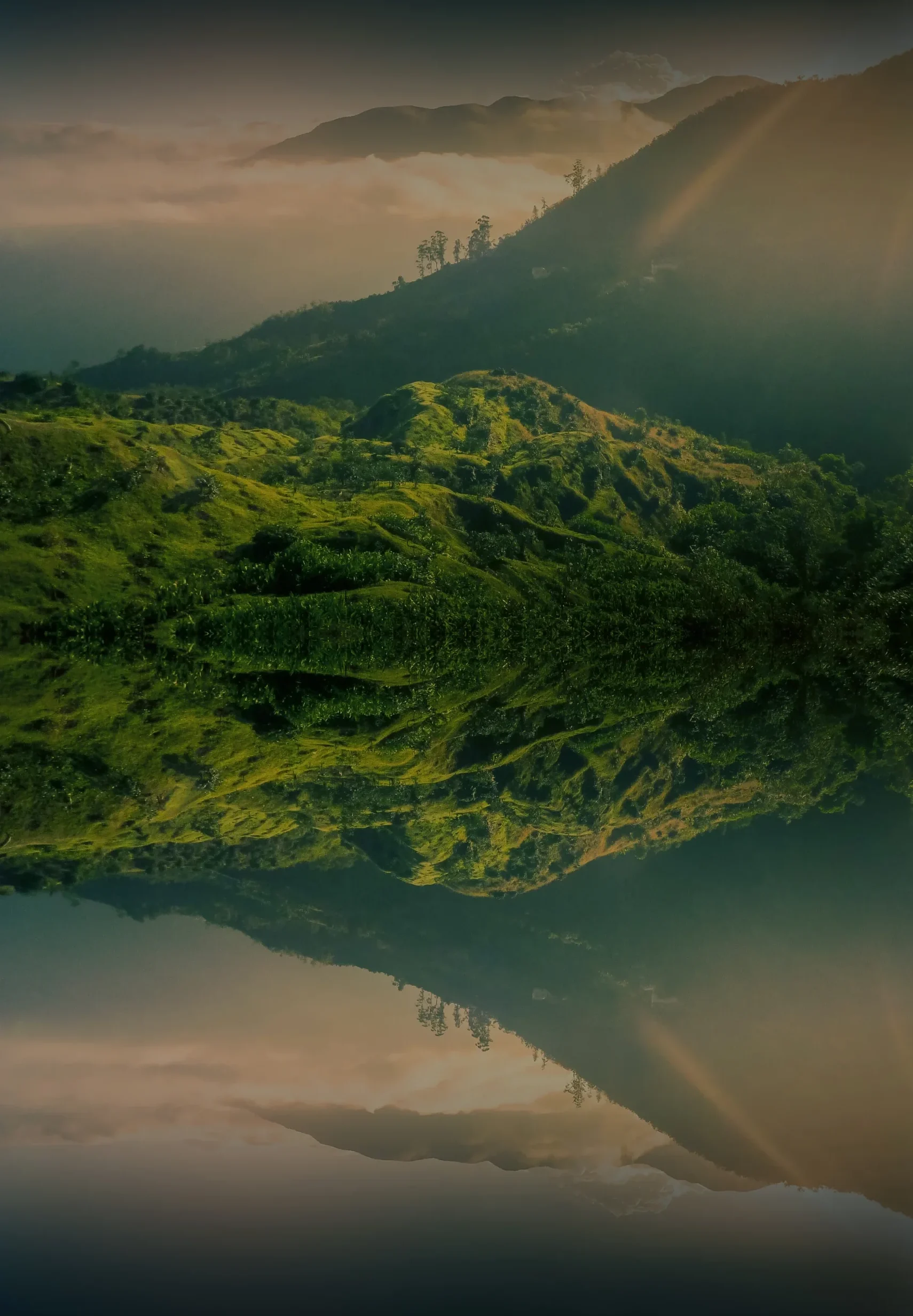
The Blue Mountains are located in the eastern region of Jamaica. On clear days, the Caribbean Sea sparkles with azure waves under the sunlight, while the mountain peaks reflect the dazzling blue radiance of the sea—hence the name Blue Mountain. The highest peak of this mountain range reaches 2,256 meters, making it not only the highest point in the Caribbean region but also a renowned tourist destination. This area lies within the coffee-growing belt, with fertile volcanic soil, clean and pollution-free air, high humidity, year-round fog, and abundant rainfall. It is precisely these natural conditions that have nurtured the world-famous Jamaican Blue Mountain coffee and also produced one of the most expensive coffees in the world—Front Street Blue Mountain Coffee.
The reason Blue Mountain coffee has such pure flavor lies in its "secret": all the coffee trees grow on steep slopes, making harvesting extremely difficult—without the skilled local women workers, the task simply could not be completed. During picking, only coffee cherries at precisely the right stage of ripeness must be selected, because underripe or overripe cherries will negatively affect coffee quality. On the same day of harvesting, the pulping process must be completed, after which the beans are fermented for 12 to 18 hours. Then washing and sorting are carried out. The next step is drying, which must be done on flagstone surfaces or thick blankets until the moisture content of the beans drops to 12% to 14%. They are then stored in dedicated warehouses. When needed, they are taken out for roasting and finally ground into powder. All these steps must be strictly controlled; otherwise, the coffee quality will be greatly compromised.
The harvest season for Jamaican Blue Mountain coffee typically lasts from June to November, and it is basically harvested by hand-picking. After picking, the coffee beans go through a series of processes including washing, pulping, fermentation, dehydration, sun-drying, hulling, and roasting, before finally becoming a roasted Blue Mountain coffee bean. Throughout the entire green bean processing, each stage has dedicated personnel responsible for quality monitoring.
For the extremely rare Blue Mountain coffee, the packaging and transportation methods adopted by the Jamaican government are also unique. Top-grade Blue Mountain coffee is not shipped in 60-kilogram burlap sacks like other coffees; instead, it is packaged and transported in wooden barrels. Jamaica is also the last country in the world today that still uses traditional wooden barrel packaging for coffee. Jamaican Blue Mountain coffee beans must obtain a quality certification certificate issued by the Jamaican Coffee Industry Board, which is also the only institution in Jamaica authorized to issue such certificates. Moreover, for each export batch, dedicated quality supervision experts are responsible for sampling, roasting, grinding, and brewing the coffee to make a final determination of whether it meets the standards.
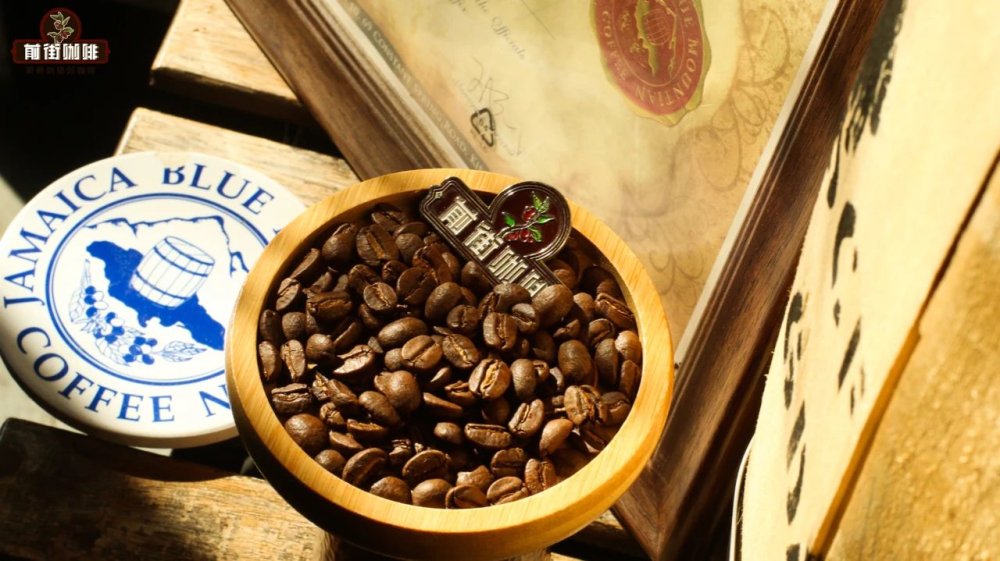
Front Street Blue Mountain No. 1 coffee beans are plump, slightly larger in size than ordinary beans. Their flavor is very delicate, with acidity, aroma, body, and sweetness balanced and distinct, carrying a slight hint of bitterness, harmonious in mouthfeel, with excellent overall performance. They are suitable for making pour-over single-origin coffee, and can also be enjoyed as black coffee using a French press, clever dripper, or drip bags. These beans use a Medium Roast, which maximizes the retention of the coffee's original flavor while enhancing its aftertaste.
Front Street Blue Mountain coffee itself has abundant nutty aromas. When extracted as pour-over, the coffee reveals roasted hazelnut, chocolate, cream, caramel, and cookie-like roasting flavors, with acidity, bitterness, sweetness, and sweetness in balance, and a long-lasting, lingering finish.
The above content is compiled by CoffeeHunters, a coffee news website.


