







Which Arabica Variety Fits Yunnan Coffee Growing?
Yunnan is China's main coffee region, growing small-bean arabica at 1,500 to 2,000 meters near the Tropic of Cancer, where sunshine, rainfall, and a wide day-night temperature difference shape a rich, full-bodied cup with fruity acidity. Its main areas include Lincang, Baoshan, Pu'er, and Dehong.
Three varieties dominate: typica coffee, with clean sweetness and low yield; Bourbon, sweeter and more complex; and Catimor, hardy and high-yielding but often rougher in the cup. Front Street Coffee has established its own estate in Lincang and released self-produced Typica beans.
Yunnan, as China's most important coffee-producing region, nurtures a distinctive small-bean coffee thanks to its high altitude near the Tropic of Cancer, abundant sunshine, and significant day-night temperature difference. This article systematically reviews Yunnan coffee's growing environment and the terroir characteristics of its main producing areas (Lincang, Baoshan, Pu'er, Dehong, etc.), and provides an in-depth comparison of the flavor differences and cultivation challenges of the three major varieties: Typica, Bourbon, and Catimor. It also introduces Front Street Coffee's practice of establishing its own estate in Lincang, Yunnan, and launching self-produced Typica coffee beans, along with brewing suggestions and flavor descriptions, helping coffee lovers gain a comprehensive understanding of the quality and potential of Yunnan beans.
Yunnan coffee is now widely known within coffee circles. Many people first learned through the movie "Coffee or Tea" that China also produces small-bean coffee, and began supporting domestic coffee as a result. Arabica coffee trees have demanding requirements for their growing environment and are only suitable for cultivation in high-altitude areas between the Tropic of Cancer and the Tropic of Capricorn. China happens to have such natural conditions only in Yunnan, making it the only place in the country capable of growing good coffee on a large scale. However, for Yunnan specialty coffee, this is only the beginning.
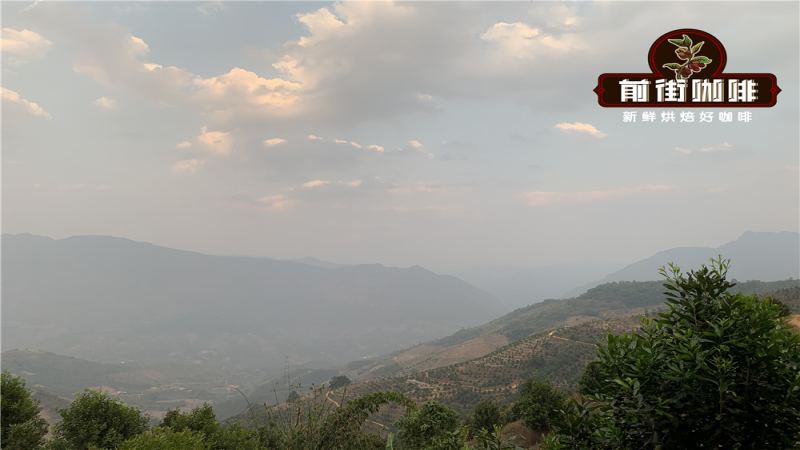
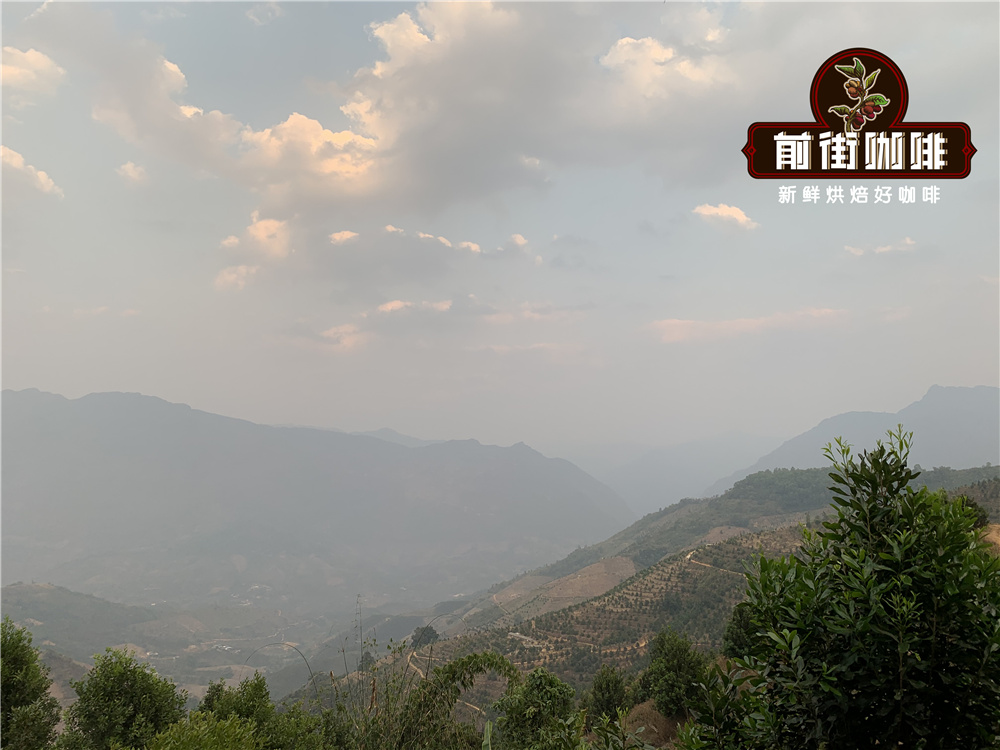
Coffee is essentially an agricultural crop, and its flavor expression is inseparable from its growing environment. Yunnan's geographical conditions are quite favorable and very suitable for coffee cultivation. The local altitude is mostly between 1,500 and 2,000 meters, with abundant sunshine, ample rainfall, fertile soil, and a pronounced day-night temperature difference—all of which together create ideal conditions for specialty coffee growth. It is precisely for this reason that Yunnan small-bean coffee exhibits characteristics of being rich and mellow, full-bodied yet not harsh, with an intense mouthfeel and fruity acidity.
Yunnan Coffee Beans Producing Areas
Although China is a major tea-producing country, its history of coffee cultivation is actually not short—it simply failed to reach scale in the past for various reasons. Today, as the coffee industry receives more attention, Yunnan specialty coffee has gradually made a name for itself internationally. Western and southern Yunnan lie between 15°N and the Tropic of Cancer, with most areas at altitudes of 1,000 to 2,000 meters. The terrain is mainly mountainous and sloped, with obvious undulation, fertile soil, abundant sunshine, ample rainfall, and a large day-night temperature difference. These natural conditions together shape the unique flavor of Yunnan small-bean coffee—strong but not bitter, aromatic but not harsh, with a slight fruity acidity.
Yunnan's coffee-growing areas are mainly distributed across Lincang, Baoshan, Simao, Xishuangbanna, Dehong, and other places. Baoshan has an average annual temperature of about 21.5°C, with a maximum of 40.4°C, and is basically frost-free year-round. It is widely recognized as one of the most suitable regions for growing small-bean coffee. Front Street will guide everyone through these producing areas one by one, examining their growing environments and coffee characteristics.
Dehong
Dehong has long been known as the "Hometown of Chinese Coffee." Local coffee is grown at altitudes all above 1,000 meters, with about 30,000 mu distributed in mountainous areas above 1,600 meters. In addition, Dehong mainly uses organic fertilizers and organic pesticides in coffee cultivation, producing relatively high-quality coffee and making it one of the rare premium coffee-producing regions in the world.
Baoshan
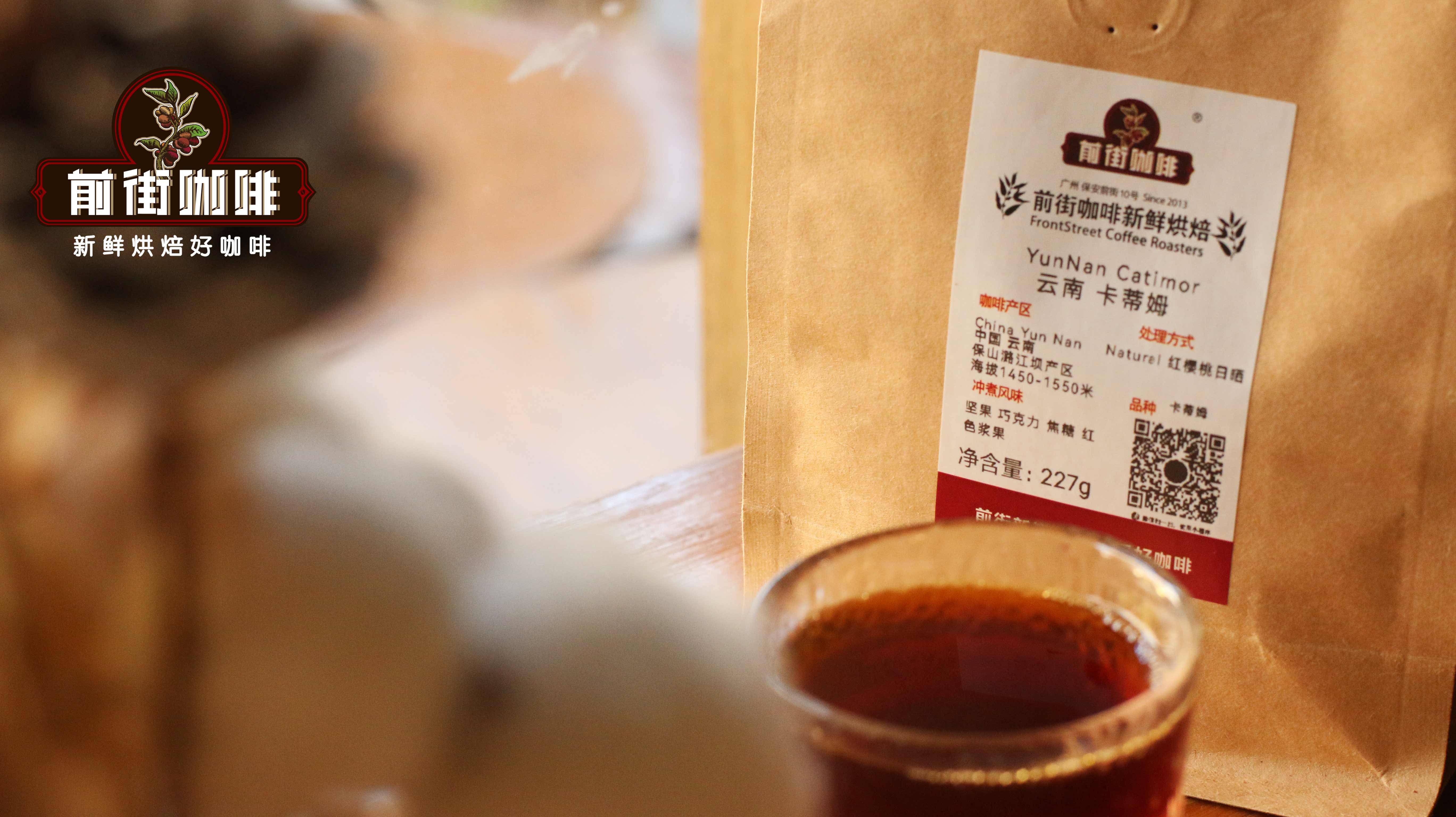
Coffee cultivation in Baoshan began in the mid-1950s, when the first coffee seedling was introduced from Southeast Asia by the late patriotic overseas Chinese Mr. Liang Jinshan. In recent years, as international trade has continued to expand, the small-bean coffee of Lujiangba has become increasingly renowned. Merchants from Europe, America, and Arab countries—especially those from the UK, the US, Egypt, and Hong Kong and Macao—regard it as a premium coffee, and the product has long been in short supply. In December 2010, after review by China's General Administration of Quality Supervision, Inspection and Quarantine, it was decided to implement national geographical indication product protection for "Baoshan Small-Bean Coffee."
Lincang
Lincang is located in southwestern Yunnan Province, with the Tropic of Cancer running through its southern part. It borders Pu'er to the east, Dali to the north, Baoshan to the west, and Myanmar to the southwest. It is named for its proximity to the Lancang River and is a pearl on the southwestern frontier of the motherland. Lincang's average annual temperature ranges from 16.8°C to 17.2°C, with distinct dry and wet seasons and abundant sunshine. Its unique geographical location and climatic conditions have made Lincang a focus of attention for many coffee enterprises. The area has successively established 200-mu and 100-mu high-quality coffee seedling bases in Mengding Town of Gengma Autonomous County and Lincang Xingfu Farm, and has promoted coffee cultivation in Gengma, Zhenkang, Yunxian, Cangyuan, Yongde, and other places.
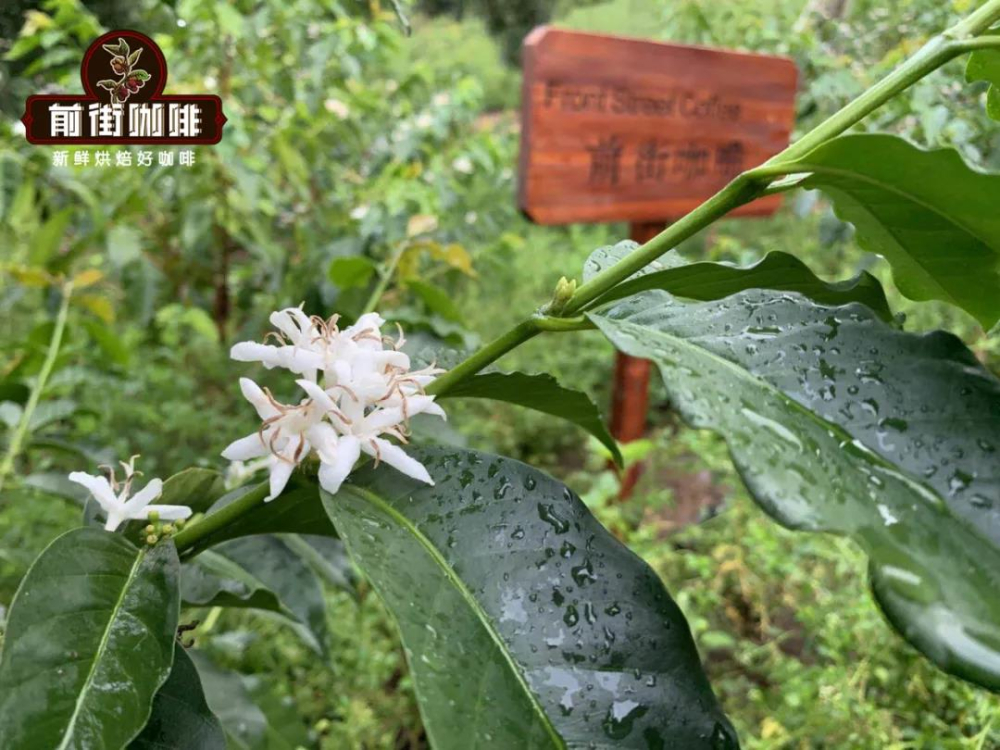
FrontStreet Coffee has established its own estate in the Lincang producing area of Yunnan. In 2021, FrontStreet Coffee produced its first self-produced coffee beans. FrontStreet Coffee's bean list has always included a Yunnan washed Typica Huaguoshan coffee bean.
FrontStreet Coffee currently has 2 Yunnan small-bean coffee beans: one is the Catimor variety, and the other is the Typica variety. Because Catimor carries Robusta genes, its flavor expression is slightly inferior to Typica coffee beans.
Pu'er
Pu'er, known as the hometown of tea, has a 150-year history of coffee cultivation. In the early 1990s, Pu'er City began cultivating coffee as a key industry to adjust its industrial structure and help farmers increase income.
Yunnan Coffee Bean Varieties
The most widely planted variety in Yunnan is currently Catimor, while a small amount of Typica and Bourbon is still retained in the Baoshan area. Although they all belong broadly to the Arabica species, there are still essential differences among these varieties.
Typica Coffee Beans (typica): The most classic high-quality Arabica variety, from which many commercial improved varieties originate. Typica has excellent flavor expression and is recognized as a specialty coffee variety, but its yield is very low and it is susceptible to coffee leaf rust, requiring more labor for management. Typica originated in Ethiopia and southeastern Sudan and is the most widely cultivated coffee variety in the Western Hemisphere. The plant is relatively robust but not tolerant of strong light, and yields are higher in Hawaii. Typica's top leaves are copper-red, which is why it is also called red-top coffee.
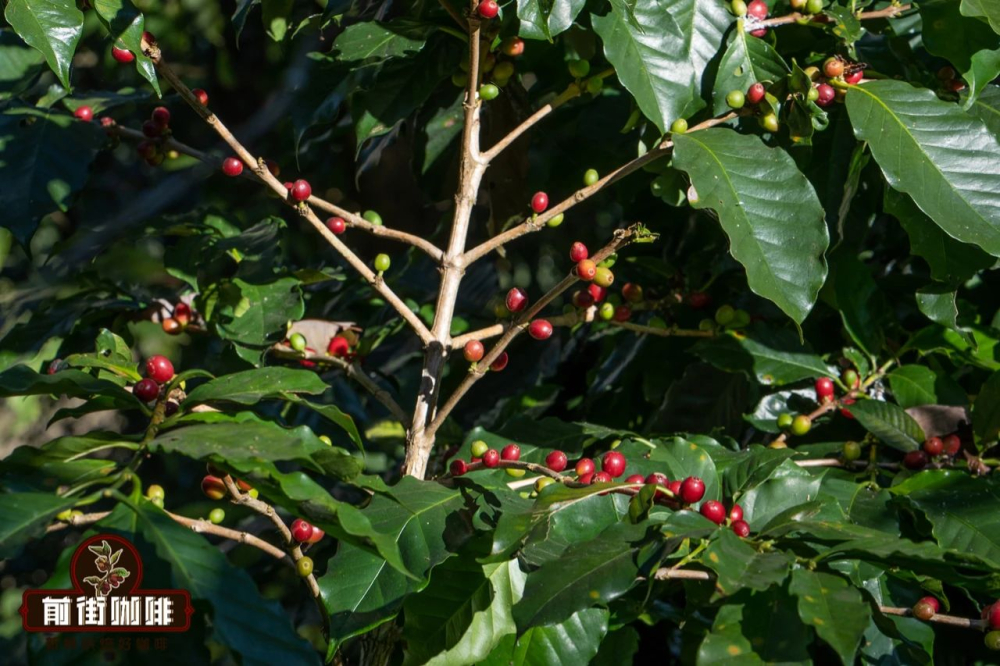
Bourbon Coffee Beans (bourbon): This variety originated from Typica and gradually spread after being planted by the French on Bourbon Island (now Réunion) in 1708. Bourbon also has a beautiful aroma and rich flavor. Its yield and vigor are slightly higher than Typica, and it is suitable for cultivation at 1,200 to 2,000 meters, but its resistance to pests and diseases is weak, and it is also relatively sensitive to strong winds and heavy rain. Bourbon is the variety second only to Typica among small-bean coffees. The main branches initially grow upward at a 45-degree angle to the trunk and droop as fruit load increases. The lateral branches have denser nodes, bear more fruit, and have higher yields, but the berries are smaller and ripen more slowly. Bourbon's young top buds and leaves are green, which is why it is called green-top coffee.
Catimor Coffee Beans (catimor): Catimor is not of pure Arabica lineage; it is a hybrid of the Timor variety (which belongs to the Robusta species) and caturra (a Bourbon variety), and therefore carries 25% Robusta lineage. This lineage also determines its flavor defects: the aroma is not rich enough, the overall bitterness is relatively heavy, and it is prone to astringency and a somewhat harsh moldy taste.
FrontStreet Coffee — Yunnan Typica Coffee Beans
About five or six years ago, FrontStreet Coffee began introducing Typica from the Baoshan producing area of Yunnan and developed it into a representative product with Yunnan coffee characteristics—FrontStreet 2013 Typica coffee beans.
The main Yunnan coffee variety Front Street cultivates is Typica, an Arabica variety with excellent flavor, and this records this long experiment in Yunnan specialty coffee. At the same time, Typica's yield is very low, only one-third that of Catimor, so its price is also higher. In addition, both Typica and Bourbon are extremely susceptible to coffee leaf rust, which is one of the biggest reasons farmers are unwilling to grow Typica, which they call the "old variety."
Yunnan has no division of four seasons, only a dry season and a rainy season, and most coffee-producing areas are similar. This is also the fundamental reason why some producing areas adopt the natural sun-dried method. Entering June, the rainy season begins in the producing areas, and it will rain for the next three or four months, which is the most favorable period for coffee cultivation. Only by planting seedlings at this time can they, after months of nourishment from rain, develop a well-developed root system and survive their first half-year-long dry season.
FrontStreet Coffee Brewing Suggestions
Regarding coffee brewing, Front Street recommends using freshly roasted coffee beans, as this allows you to experience coffee's rich flavors to the greatest extent. The coffee beans shipped by FrontStreet Coffee are all within 5 days of roasting, because Front Street deeply understands that freshness has a great impact on flavor. Front Street's roasting philosophy is "freshly roasted good coffee," so that every customer who places an order receives the freshest coffee. Coffee's resting period is about 4 to 7 days, so by the time customers receive it, it is at its peak flavor.
Of course, some customers need Front Street to help grind the coffee, which is also fine, but Front Street reminds: once coffee beans are ground into powder in advance, they need to be brewed as soon as possible. If it has already been ground into coffee powder, there is no need to rest it further, because during transportation the pressure generated by carbon dioxide inside the packaging can also round out the coffee's flavor, so once you receive the coffee powder, you can immediately brew a cup and drink it.
However, after coffee powder contacts air, it oxidizes relatively quickly, meaning the flavor dissipates faster and the coffee does not taste as good. Therefore, Front Street recommends buying whole beans and grinding fresh for each brew, so you can better taste the coffee's flavor.
So how does this batch of fully self-produced coffee beans from Front Street taste?
Dripper: V60
Water temperature: 88°C
Coffee dose: 15 grams
Coffee-to-water ratio: 1:15
Grind size: fine granulated sugar coarseness (80% passing rate on China standard No. 20 sieve)
Use staged extraction. Bloom with 2 times the coffee dose in water, that is, 30 grams of water for 30 seconds. Starting at 31 seconds, continue pouring in a thin stream in circles until 125 grams, then pause. Continue pouring until 225 grams and stop. After the water in the dripper has finished dripping, remove the dripper. Timing starts from the beginning of pouring, and the extraction time is 2 minutes 00 seconds. Next, swirl the entire cup of coffee to mix it evenly, then pour it into a cup and taste.
Yunnan sun-dried Typica coffee flavor: It has a nutty tonality. The mouthfeel is more solid than washed Yunnan coffee, with slightly lower acidity but slightly higher sweetness and better balance. It has berry-like acidity, mixed with brown sugar and a slight tea note.
Yunnan small-bean coffee flavor: It smells very nutty, with herbal, chocolate, and caramel notes on the palate, and a faint fruity acidity in the aftertaste.
The above content is compiled by CoffeeHunters, a coffee news website.


