








How Did Brazilian Coffee Beans Origin Shape Its Flavor?
Brazil is the largest coffee producer, and its low, sun-exposed terrain produced a cup with low acidity, interwoven sweetness and bitterness, a smooth texture, and a faint grassy note. The country also pioneered the pulped natural process. Three specialty regions carry most of the reputation: Sul de Minas, Cerrado, and Mogiana, where varieties like Red Bourbon, Yellow Bourbon, Mundo Novo, and Yellow Catuai are grown.
Early Brazilian coffee was graded by producing state and shipping port, and scattered farms plus inconsistent quality made that system more tangled than elsewhere. The relatively dry climate made natural processing the practical choice before pulped natural took hold. For a Queen Farm yellow bourbon coffee, a three-stage pour-over keeps the nutty, full-bodied character in the cup.
As the world's largest coffee producer, Brazil's regional development, processing method evolution, and variety cultivation have profoundly shaped the global coffee landscape. From the perspective of Front Street Coffee, this article traces the historical thread of Brazilian coffee from natural processing to the original pulped natural method, analyzes the terroir characteristics of three major specialty regions—Sul de Minas, Cerrado, and Mogiana—and introduces major varieties such as Red Bourbon, Yellow Bourbon, Mundo Novo, and Yellow Catuai. At the same time, using Queen's Farm Yellow Bourbon as an example, it provides Front Street's recommended pour-over extraction parameters and three-stage pouring technique to help coffee enthusiasts gain a more comprehensive understanding of Brazilian coffee's nutty flavor and full-bodied mouthfeel.

Front Street Brazilian coffee has low acidity; on the palate, you can sense the coffee's own interweaving of sweetness and bitterness, with an exceptionally smooth texture and a faint grassy aroma. Front Street finds that this type of Brazilian coffee's flavor actually represents a basic expression of coffee, not particularly outstanding in personality. However, mass-market coffee also has a broad market, and Brazilian coffee happens to cover most consumers' daily needs, which is one reason the country's coffee production has remained high for so long.
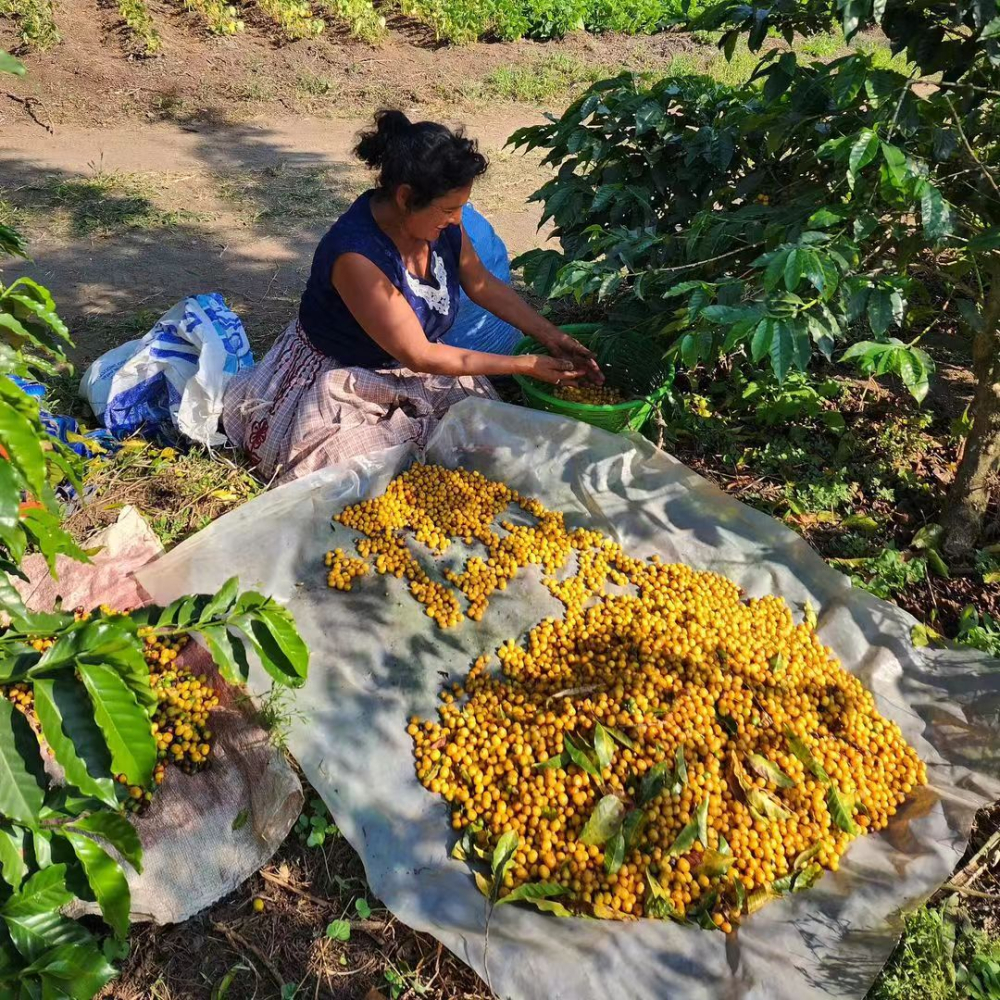
Brazilian coffee has another unique distinction: it pioneered the pulped natural processing method. After reviewing materials, Front Street learned that the planting terrain for Brazilian coffee trees falls roughly into two categories: the Brazilian Highlands above 200 meters in elevation, and the Brazilian Plains below 200 meters. Because the overall elevation is low and sunlight is abundant, coffee trees are usually directly exposed to the sun. Front Street believes this sun-exposure condition played an important role in shaping Brazil's distinctive flavor.
Brazil did not adopt the pulped natural method from the start. Early Brazilian coffee varieties were numerous and complex, classified by producing state name and shipping port, but scattered regions and inconsistent quality made Brazil's grading system more complicated than other countries'. Initially, Brazil basically relied on natural processing. Brazil's climate is relatively dry, so using the natural method was reasonable in itself, but natural processing is rather rough and tends to give beans a woody taste; if rain comes, one also has to bear the risk of coffee beans molding, making it quite passive. So Brazil created the pulped natural method, greatly shortening the drying time. Next, let's follow Front Street to get a rough understanding of the basic process of the pulped natural method.
First, the coffee cherry's skin and pulp must be removed. Ripe pulp is easier to remove, while the skin of unripe green cherries is harder to handle, so a second screening is carried out to standardize fruit ripeness. Pulped natural processing can control the degree of fermentation of the mucilage-covered beans after depulping, whereas the traditional method cannot observe the fermentation condition of the mucilage. The pulped natural method omits the "tank fermentation, clean-water rinsing" steps of the washed process; by skipping the fermentation step, the coffee beans' flavor becomes completely different. Compared with natural processing, Front Street favors this method more; after selection and processing, the beans' cleanliness and ripeness can be greatly improved. The Brazilian Queen's Farm that Front Street sourced uses precisely this pulped natural method. Front Street has also cupped Brazilian coffee beans from different regions and consistently finds that Brazilian coffee has lower acidity, a heavier nutty taste, and a full-bodied mouthfeel.
Below is a brief introduction to several of Front Street's Brazilian beans.
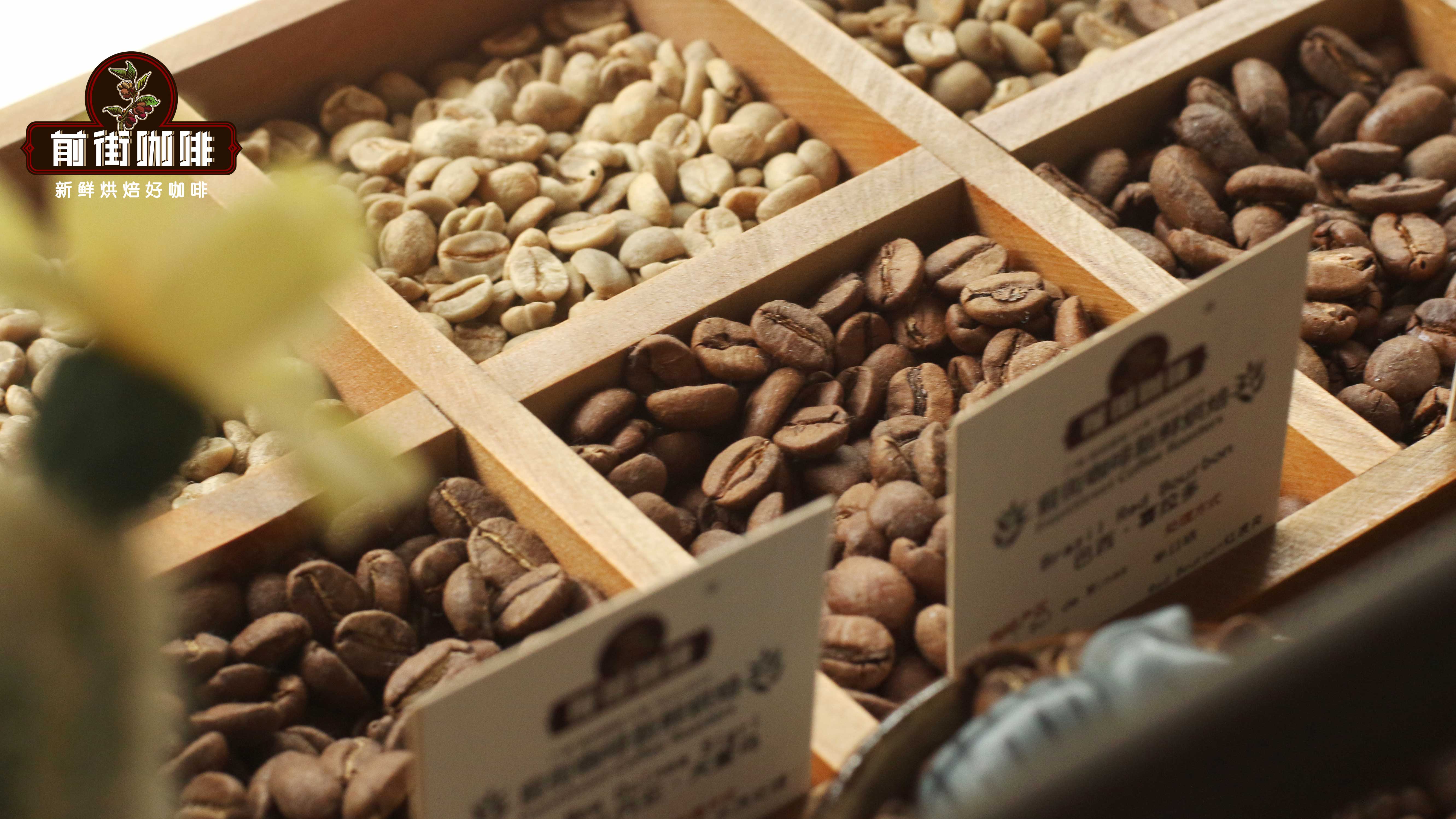
1. FrontStreet Coffee Brazilian Red Fruit Coffee Beans Origin: Cerrado Variety: Red Bourbon Altitude: 700-1200 meters Processing: Pulped natural Flavor: High sweetness, clean, smooth, low acidity, with tropical fruit aromas.
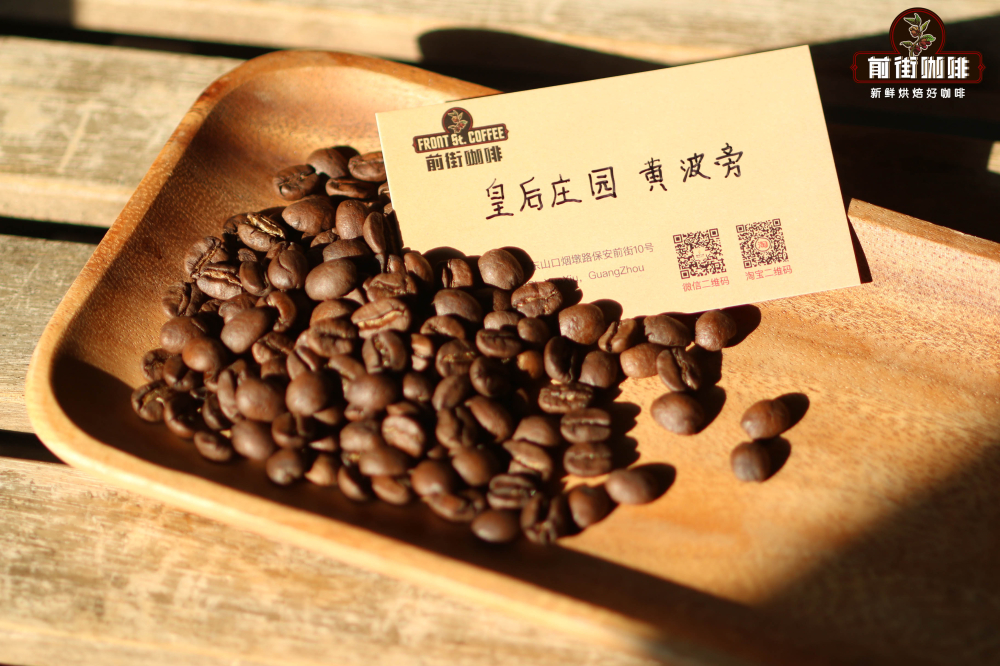
2. FrontStreet Coffee Queen's Farm Yellow Bourbon Coffee Beans Region: Mogiana, São Paulo State Altitude: 1400-1950 meters Variety: Yellow Bourbon Processing: After manual harvesting, pulped natural processing. Flavor description: The taste carries obvious sweetness, with a faint lemon aroma, a rich nutty flavor, and a distinct dark chocolate note in the finish; the overall impression is fairly rounded.
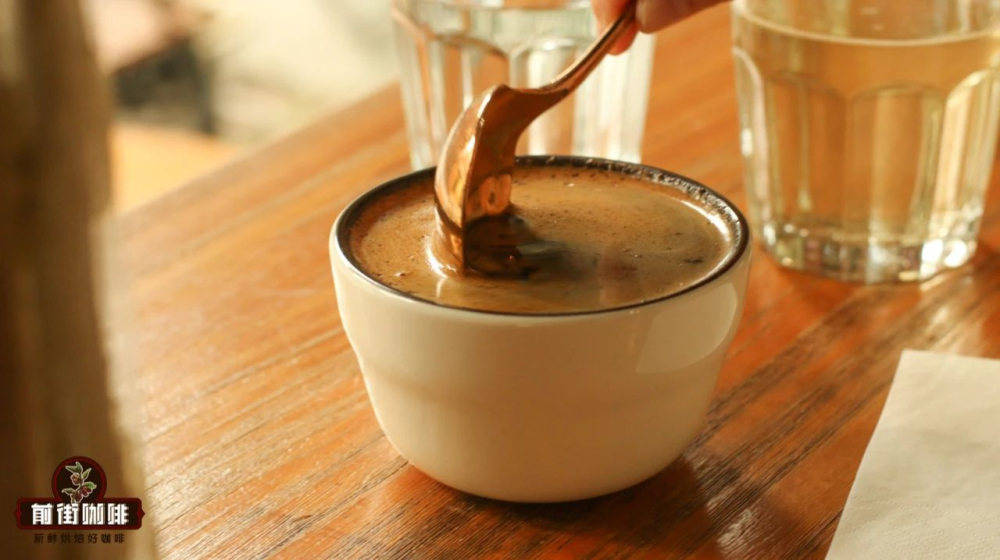
How should Brazilian coffee beans be brewed to taste good? Front Street will use this Queen's Farm Yellow Bourbon coffee bean as a demonstration; it is one of the more popular coffee beans on Front Street's bean list. Front Street uses a medium roast for this coffee bean to highlight the coffee's sucrose-like sweetness. If you want to taste better coffee flavor, Front Street suggests brewing with freshly roasted coffee beans; generally, the flavor is best around the 7th day after fresh roasting. Friends who regularly buy FrontStreet Coffee beans know that the beans Front Street sends out are roasted within 5 days, so together with shipping time, this basically ensures the coffee reaches customers in optimal condition.
As we know, Brazil was long a colony of Portugal in history, so in order to meet Western European demand, it long cultivated a single crop, coffee; therefore coffee can be seen as Brazil's pillar industry. Before this, the Brazilian government attached great importance to the coffee industry and maintained strict monitoring of Brazilian coffee; this intervention also carried price protection measures, which was to avoid overproduction of coffee. After the free market opened, Brazilian associations adopted a policy toward coffee-producing regions opposite to the previous one: even while pursuing a non-intervention policy, they allowed producers and exporters to negotiate directly.
Brazilian coffee was introduced from French Guiana in 1729. The varieties grown in Brazil include both Arabica and Robusta coffee. Brazilian coffee beans are favored for their excellent quality, rich aroma, and full-bodied mouthfeel. Brazil currently mainly cultivates the major varieties Red Bourbon, Yellow Bourbon, Mundo Novo, and Catuai. Yellow Catuai comes from a cross between Mundo Novo and Caturra, and was first developed by Brazil's agricultural research institute. Yellow Catuai, like Red Catuai, has extremely high disease resistance and is suitable for planting in high-altitude areas. Both varieties have a delicate, clean acidity.
The other varieties are often mentioned in Front Street's other articles, but Mundo Novo may be less familiar. In fact, Mundo Novo is a natural hybrid of Bourbon and Typica, first discovered in 1943 in São Paulo, Brazil, and first planted in the city of Mundo Novo, which is now Urupês.
Brazilian coffee bean production is very high. Its main coffee-growing regions include Minas Gerais, São Paulo, Bahia, and Espírito Santo. These four places account for 90 percent of Brazil's national output. Mogiana comes from São Paulo; Cerrado and Sul de Minas within Minas Gerais are located at high altitudes, so the coffee from these two areas is mostly specialty coffee. The coffee bean output of these regions determines how much Brazilian coffee bean production there is. Next, Front Street will briefly introduce these three major coffee regions.
Sul de Minas: a large part of why it can become a specialty coffee region is because of its terrain and climate. Its altitude is above 1100 meters, and its landforms are varied. The dry and wet seasons are distinct, the temperature difference between day and night is large, and microclimates are diverse, so it is very suitable for growing Bourbon and Yellow Bourbon varieties.
Fazenda Sertãozinho is located in the Sul de Minas region. This farm uses only organic matter to provide plant nutrients, in order to maintain the land's own vitality. The coffee of Fazenda Sertãozinho is completely different from that of general large Brazilian farms; it does not use machines to replace human labor, from the harvesting of coffee cherries to processing. It is entirely done by hand.
As for the Cerrado region, what is most famous is that there is a stretch of Cerrado grassland there, with coffee trees planted on the grassland, and the coffee produced there is called Cerrado coffee. But not just any coffee produced on the Cerrado grassland can be called Cerrado coffee. According to what Front Street has learned, only coffee from areas at an altitude of 1100-1300 meters qualifies. Front Street believes the coffee from this region has a full-bodied flavor and no earthy taste.
Brazil's century-old coffee estate, Fazenda Boa Esperança, is located in the Cerrado region. It is a coffee-producing region in Brazil that has obtained origin status, similar to its famous wine-producing region status. Fazenda Boa Esperança has excellent volcanic soil, a balanced dry and wet season climate, high-altitude terrain, and sufficient rain and sunshine.
Mogiana is relatively close to southern Minas. The coffee bean quality in this area is also very good. Front Street believes that, in addition to terrain and climate, it may also be related to the business model they adopt. That is, they use both the traditional large-farm management model and small-scale modern operating models. High-tech planting equipment makes the coffee beans in this region relatively high in sweetness, with a clear sweetness similar to sucrose.
The renowned Brazilian Queen's Farm is located in this region. Queen's Farm's terrain is relatively high, and its environmental protection is very good. It mainly uses [machines?] for harvesting—wait, the source says "及其" likely meaning machines—but completely manually harvests the Brazilian Queen coffee cherries, and cultivates low-yield, high-quality Bourbon varieties. As a representative estate embodying the essence of Brazil's high-quality coffee, the quality of Brazilian Queen's Farm coffee beans has received unanimous praise.
For pour-over parameters, Front Street recommends using 15g of coffee powder, a 1:15 coffee-to-water ratio, a medium-coarse grind with a 75% pass rate on a No. 20 sieve, and a water temperature of 88°C.
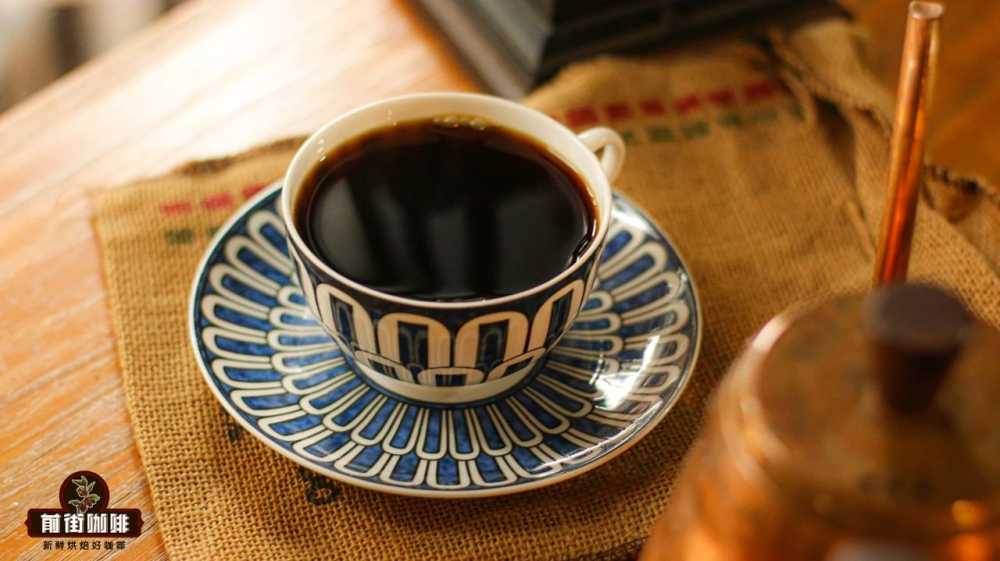
The brewing technique uses three-stage pouring. In the first stage, pour 30ml for an 80-second bloom; in the second stage, pour 100ml in a small circular motion; when the water level drops and is about to expose the coffee bed, pour 95ml in the third stage. The extraction time is 2 minutes.
The above content is compiled by CoffeeHunters, a coffee news website.


