







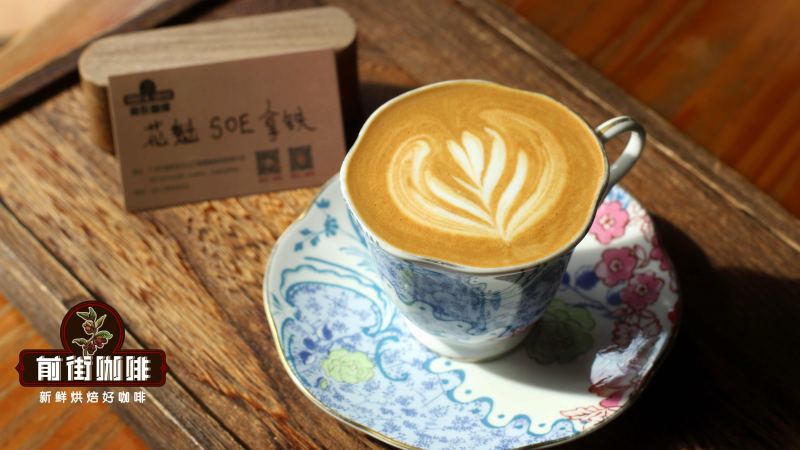
Why does SOE espresso amplify origin flavor so strongly?
SOE stands for Single Origin Espresso, espresso pulled from one origin rather than a blend. High-pressure extraction multiplies the bean's original characteristics, so a Yirgacheffe with citrus and lemon acidity tastes sharper as SOE than it does as pour-over. Defects get amplified the same way.
That intensity is why some cafes keep SOE off the menu: output stability and flavor control are harder to hold across a day. Beans suited to it include African naturals with bold fruit and specially processed Central and South American lots, plus attention to roast curve, extraction parameters, and milk pairing.
SOE (Single Origin Espresso) refers to espresso made from a single origin. In recent years, it has entered the public eye alongside the specialty coffee wave. Many coffee enthusiasts often ask why Front Street Coffee does not offer SOE beverages, and behind this lies consideration of output stability and flavor control. Starting from the definition of SOE, this article will analyze its essential differences from single-origin pour-over coffee, explain how high-pressure extraction amplifies regional flavor characteristics, and explore the types of coffee beans suitable for making SOE—such as African natural beans with prominent flavors or specially processed beans from Central and South America. At the same time, the article will also sort out practical points such as roast curve settings, extraction parameter adjustments, and milk ratio pairing, helping readers fully understand the charm and limitations of SOE coffee.
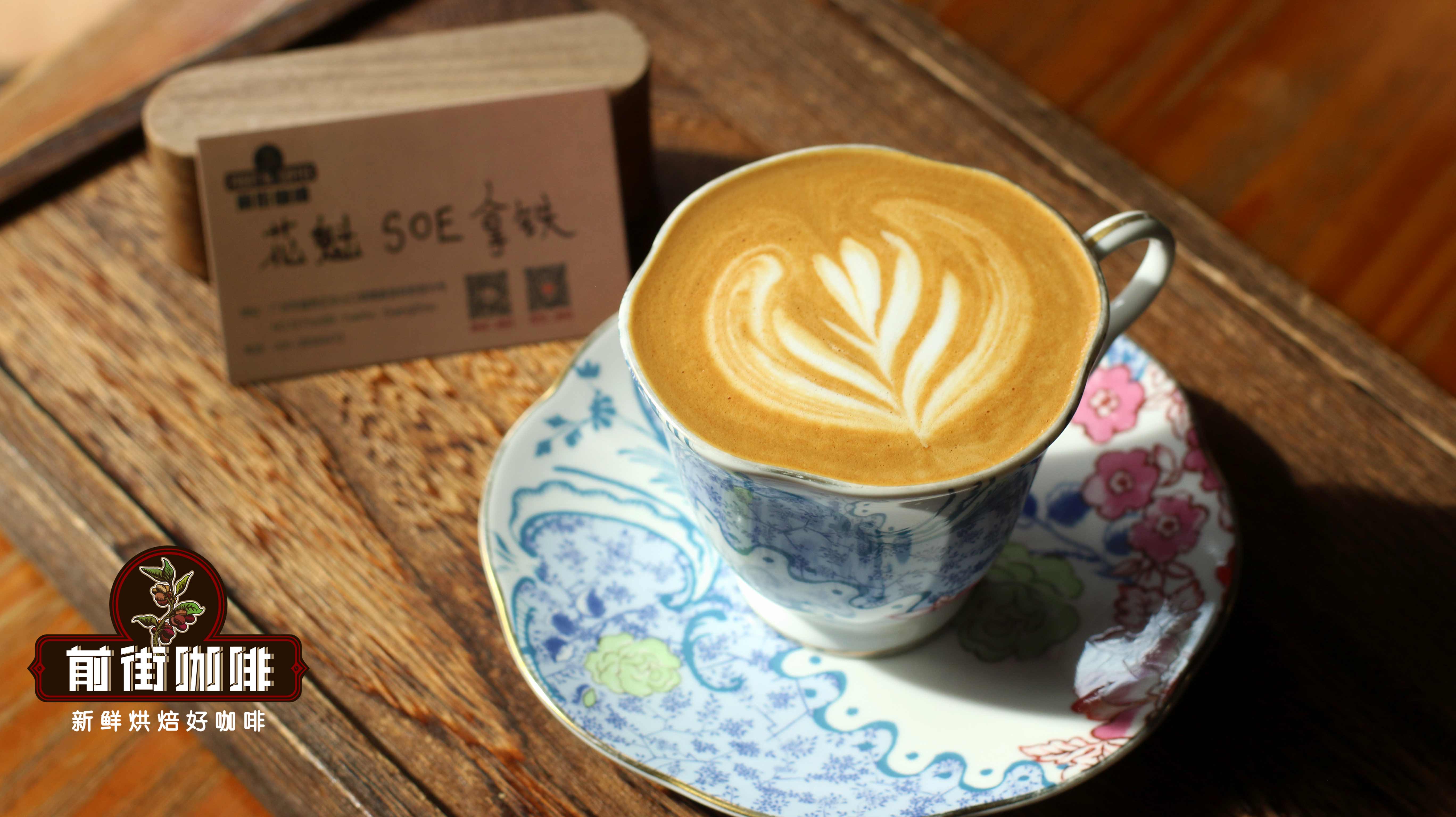
The specialty coffee industry is constantly evolving, and the concept of SOE has gradually become known to more consumers. Precisely because of this, coffee enthusiasts often ask Front Street Coffee whether there are SOE products they can try, yet Front Street Coffee has never included them on the menu. What is the reason for this? Next, Front Street Coffee will sort out the relevant knowledge about SOE coffee in detail for all coffee fans.
What Is SOE Coffee
SOE is the abbreviation of Single Origin Espresso, which translates into Chinese as "single origin espresso." Although the name points to espresso from a single origin, it cannot be directly equated with specialty coffee. If single-origin coffee beans with high flavor distinctiveness are chosen to make SOE, it can indeed present an espresso with a clear taste and typical characteristics.
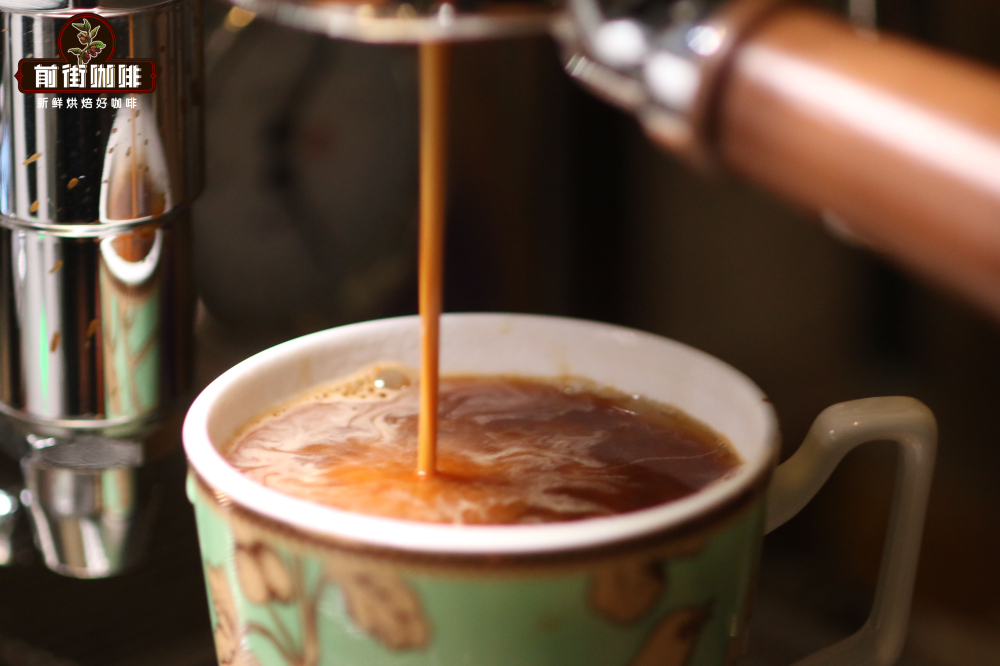
Take Front Street Coffee's Ethiopian Yirgacheffe as an example; the flavor label of this bean is acidity reminiscent of citrus and lemon. If it is made into SOE, that citrus-lemon acidity will be further highlighted. The reason is that during high-pressure extraction, an espresso machine multiplies the original flavor characteristics of the coffee beans. Therefore, compared with pour-over methods, even if the same single-origin bean is used, SOE will have a more intense flavor expression—this also means that if the beans themselves have defective flavors, they will likewise be amplified.
In addition, many variables in SOE, such as roast level and grind size, will affect the final flavor direction, so it can be said that the output stability of SOE is quite difficult to guarantee. This is also the reason Front Street Coffee does not provide SOE beverages to coffee fans—the original intention of Front Street Coffee in opening a coffee shop is to let friends who love Front Street Coffee (FrontStreet Coffee) drink specialty coffee with stable flavor expression, rather than something that tastes one way today and changes tomorrow.
Furthermore, the flavor of coffee beans will undergo subtle changes with fluctuations in the climate of the producing region each year. For example, Sidamo Huakui varies slightly in flavor from year to year, but this change is still within a subtle range. With SOE beans, however, the slightest negligence may lead to exaggerated flavor deviations, making them extremely difficult to control.
The Difference Between SOE Coffee and Single-Origin Coffee
According to what Front Street Coffee said above, some coffee fans may think that SOE is nothing more than espresso made from single-origin coffee beans. Conceptually, this understanding is not wrong, but in actual operation, it is far from as simple as imagined.
As mentioned earlier, the difference between SOE and single-origin coffee lies in the fact that SOE amplifies the flavor of the single-origin coffee itself, but while amplifying it, negative flavors may also be produced. Therefore, it is necessary to correct this by adjusting the roast level, grind size, and dose, and this adjustment process is also full of uncontrollable factors.
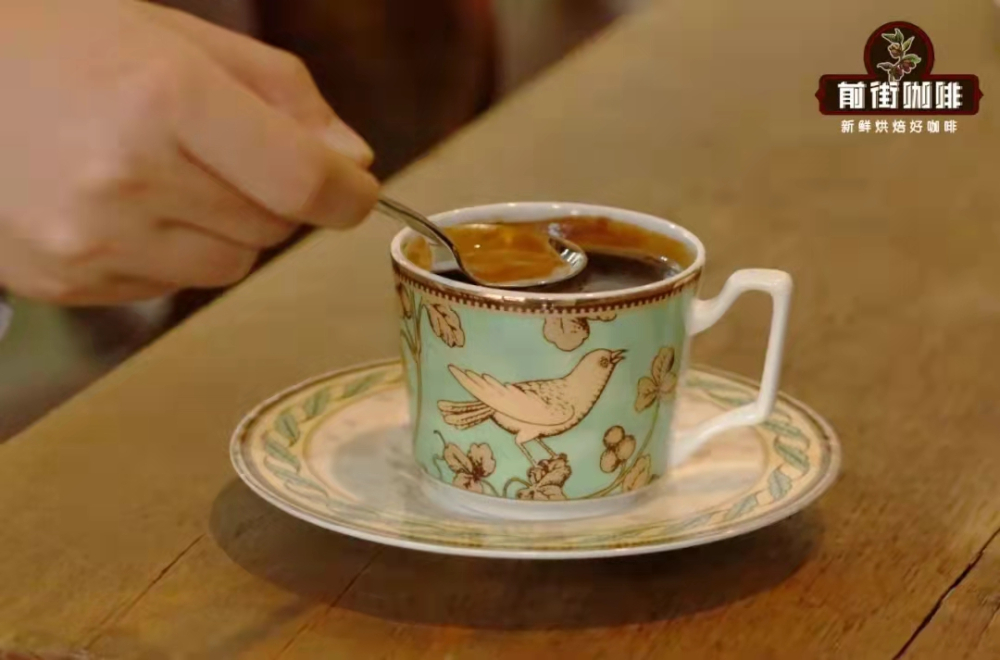
Therefore, the roast level of SOE should be neither too dark nor too light. A darker roast will greatly erase the personality of the producing region; a lighter roast will cause the espresso machine, under high pressure, to amplify the acidity brought by the light roast, and the espresso can easily become sharply acidic and biting. Moreover, lightly roasted beans are harder in texture and prone to under-extraction. Whether it is erasing regional flavor or causing imbalance through sharp acidity, both run counter to the original intention of highlighting the flavor of a single origin. Therefore, for the same bean, the roast curve used for SOE and the roast curve used for pour-over should be two different curves.
Common Ways SOE Coffee Is Presented
Of course, SOE is not as bad as imagined. In many coffee shops that specialize in offering SOE, besides pure SOE espresso, they also provide milk coffee based on SOE, and the flavor is equally pleasant. Milk plays a neutralizing role here, just as using espresso blend beans with different proportions of milk can make mocha or latte.
Which Coffee Beans Are Suitable for Making SOE Coffee
At this point, many coffee fans may ask: what kind of beans are actually suitable for making SOE? Precisely because an espresso machine amplifies the characteristics of the beans themselves—the acidic becomes more acidic, and the bitter becomes more bitter—it is not advisable to choose types that are roasted too light or too dark. In order to give espresso a richer aroma, the best strategy is to use single-origin beans with prominent flavor expression.
Friends who prefer a fresh, sweet-and-sour profile can prioritize natural single-origin coffees from African producing regions. If you like the interwoven floral and fruity notes of Ethiopia, you can buy Front Street Coffee. Natural Huakui SOE; if you want the dried-fruit sweetness of Costa Rica, you might try Front Street Coffee. Mozart SOE; if you are after full-bodied tropical fruit flavors, Front Street Coffee. Sidra SOE from Colombia is recommended.
Points to Note When Making SOE Coffee
Finally, Front Street Coffee wants to discuss several points to note when making SOE. For example, coffee beans chosen to highlight regional flavor usually are not roasted too dark, and compared with traditional dark-roasted espresso beans, their flavor substances are harder to extract. Therefore, on the one hand, it is necessary to adjust extraction parameters to increase the extraction yield, such as extending the extraction time, making the grind setting finer, and increasing the dose.
On the other hand, when serving espresso drinks based on SOE beans, it is necessary to rebalance the ratio of espresso to milk or water. Reduce the amount of milk or water so that the coffee flavor stands out more and the whole drink does not become too bland.
The above content is compiled by CoffeeHunters, a coffee news website.


