







How does an espresso machine work, and how does cold brew differ
Espresso and cold brew sit at opposite ends of extraction. Espresso forces hot water through a compacted bed of grounds at nine atmospheres, pulling a small, intense shot in seconds; cold brew steeps coarse grounds in cold water for hours, giving a milder, sweeter drink. Both methods use the same beans.
Pressure emulsifies the oils in the grounds and dissolves carbon dioxide from freshly roasted beans, forming the crema on top. Cold brew avoids heat entirely, which is why it can read as sour when the bean is a light or deep roast built for espresso. Bean choice, grind, and ratio decide which method flatters a given coffee.
Espresso and cold brew—one is an Italian classic born of high heat and pressure, the other a refreshing representative of low-temperature slow extraction. The two are entirely different in brewing method and flavor expression. Some find espresso too bitter, while others think cold brew is too sour—which claim is more accurate? From the perspective of Front Street Coffee, this article systematically sorts out the extraction principles, taste characteristics, and brewing key points of both coffees, and offers bean selection suggestions to address the acidity issue in cold brew, helping coffee lovers understand these two types of drinks more clearly.
For more specialty coffee knowledge, please follow: Front Street Coffee (Frontsteet Coffee)
On the menus of countless cafés, espresso and cold brew are almost never absent, and discussions around them have never stopped. Some complain that espresso is too bitter, while others find cold brew noticeably sour. How exactly are these two coffees made? And what differences exist between them? Today, Front Street Coffee (Frontsteet Coffee) will walk you through them one by one.
Espresso is not widely embraced in China, but in its birthplace, Italy, it is truly a national drink. Espresso originated in the nineteenth century. It is a method invented by Italians to quickly obtain coffee liquid through high heat and pressure, and after extraction it is served in a special small coffee cup. Because the traditional drip method of brewing coffee takes a long time, efficiency-minded Italians needed a faster extraction and drinking method, and Espresso—full-bodied and noticeably stimulating—happened to meet this need. Therefore, a well-made cup of espresso is also regarded as the soul of Italian coffee.
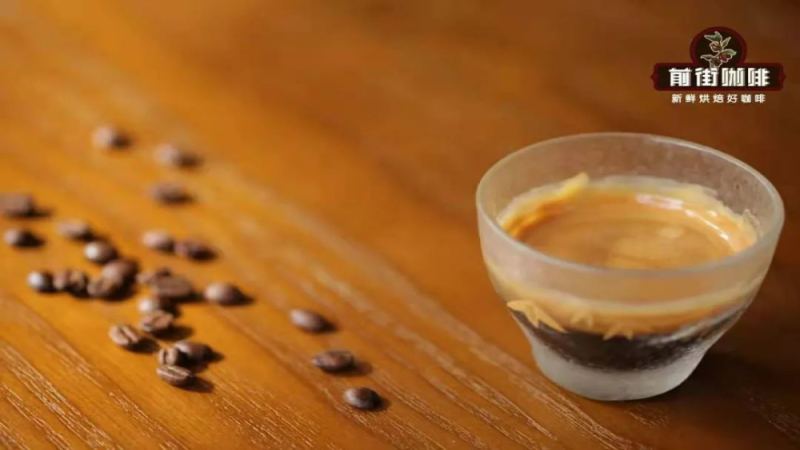
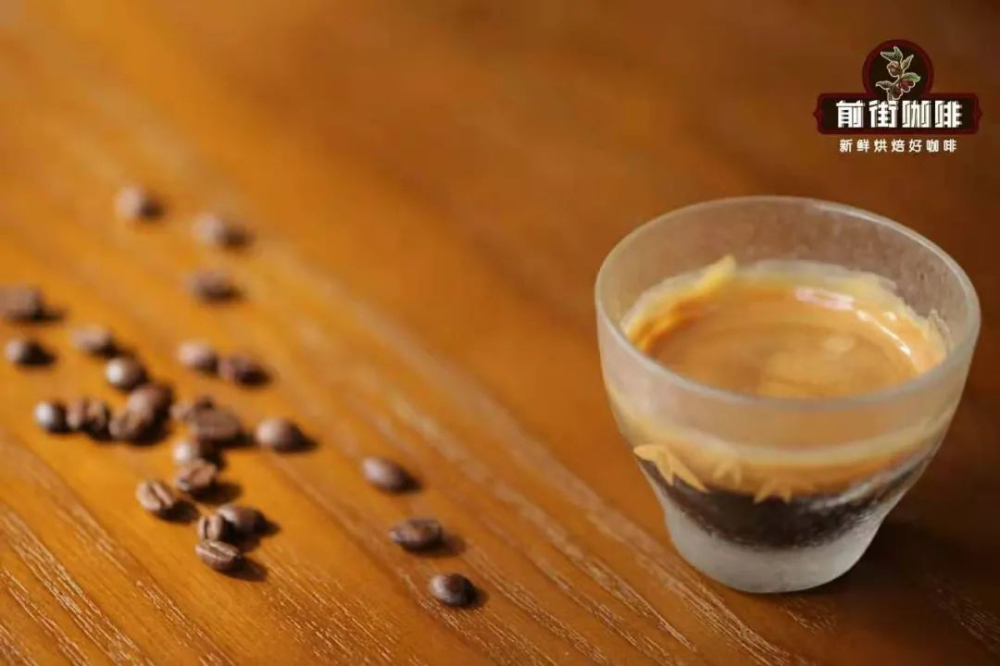
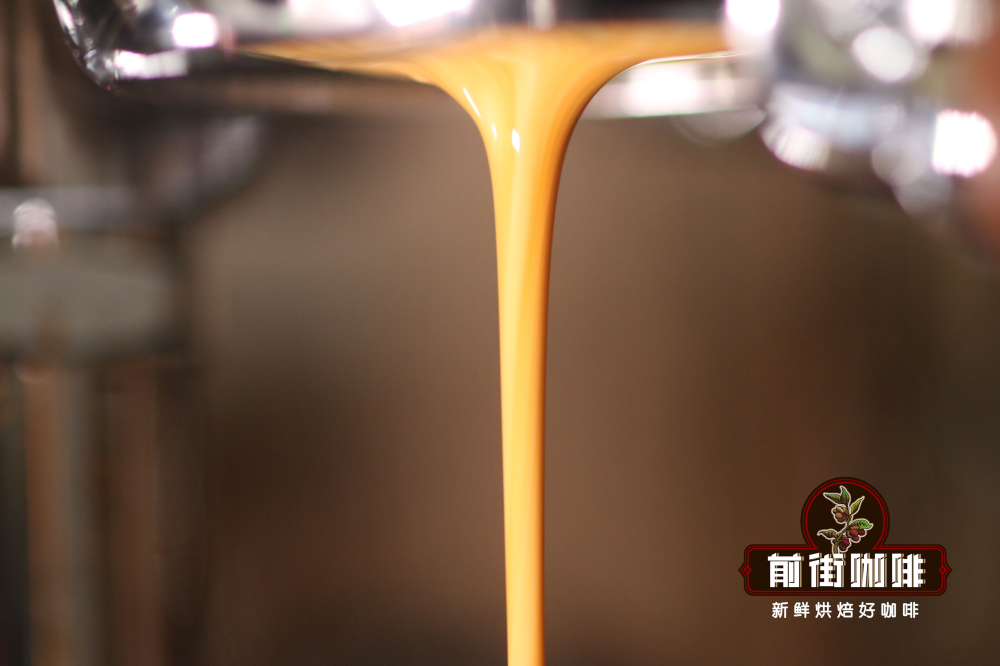
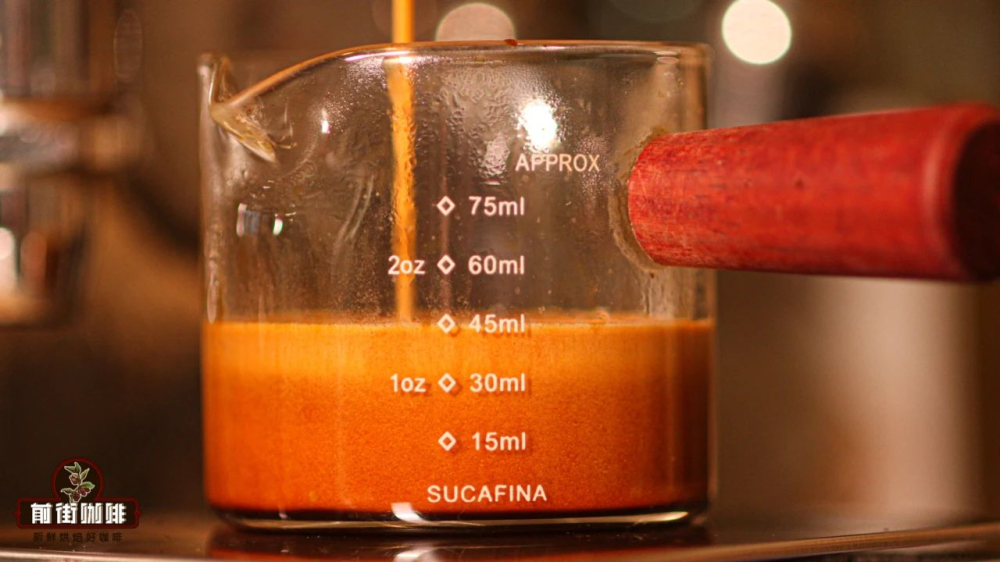
A top-quality Espresso will be covered with a beautiful golden layer of crema on its surface. The formation of Crema is closely related to the working pressure of nine atmospheres—water, under heat and pressure, passes through the layer of coffee grounds, extracting the soluble substances within, and this process emulsifies the natural fats and oils contained in the coffee beans. At the same time, freshly roasted coffee beans contain carbon dioxide inside, which dissolves into the coffee liquid under pressure during extraction, ultimately forming a dark brown foam on the surface—the crema produced by espresso extraction. Normally, this layer of crema is between four and five millimeters thick, and it contains a large number of volatile aroma molecules.
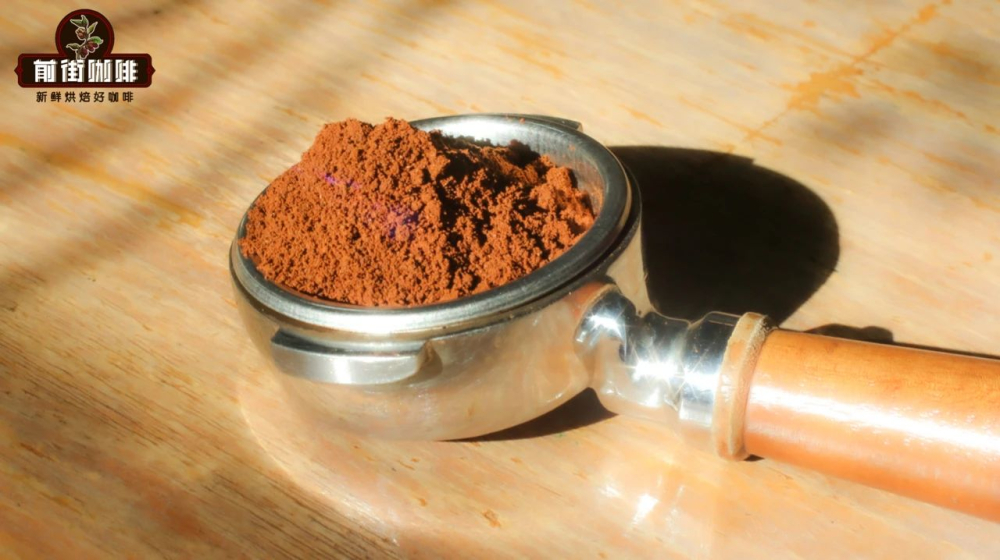
The birth of espresso is inseparable from the invention of the espresso machine. The world's first espresso machine can be traced back to the early twentieth century. After improvement and design by the Milanese inventor Luigi Bezzera, a coffee machine equipped with an independent brewing head and handle appeared. This "quick coffee" not only swept Italy but was also widely favored across the entire European continent, and was later spread around the world by Italians living abroad, gradually evolving into the popular coffee category we are familiar with today.
The flavor direction of espresso depends on the coffee beans selected. In order to make the output balanced in flavor and fuller in body, most shops tend to use medium-dark roasted blend beans. Based on continuous research into the flavor characteristics of coffee beans from different regions, Front Street adjusts the blending ratios of beans from various origins, using a method of making up for one's weaknesses by drawing on others' strengths, so that espresso presents a more balanced flavor expression.
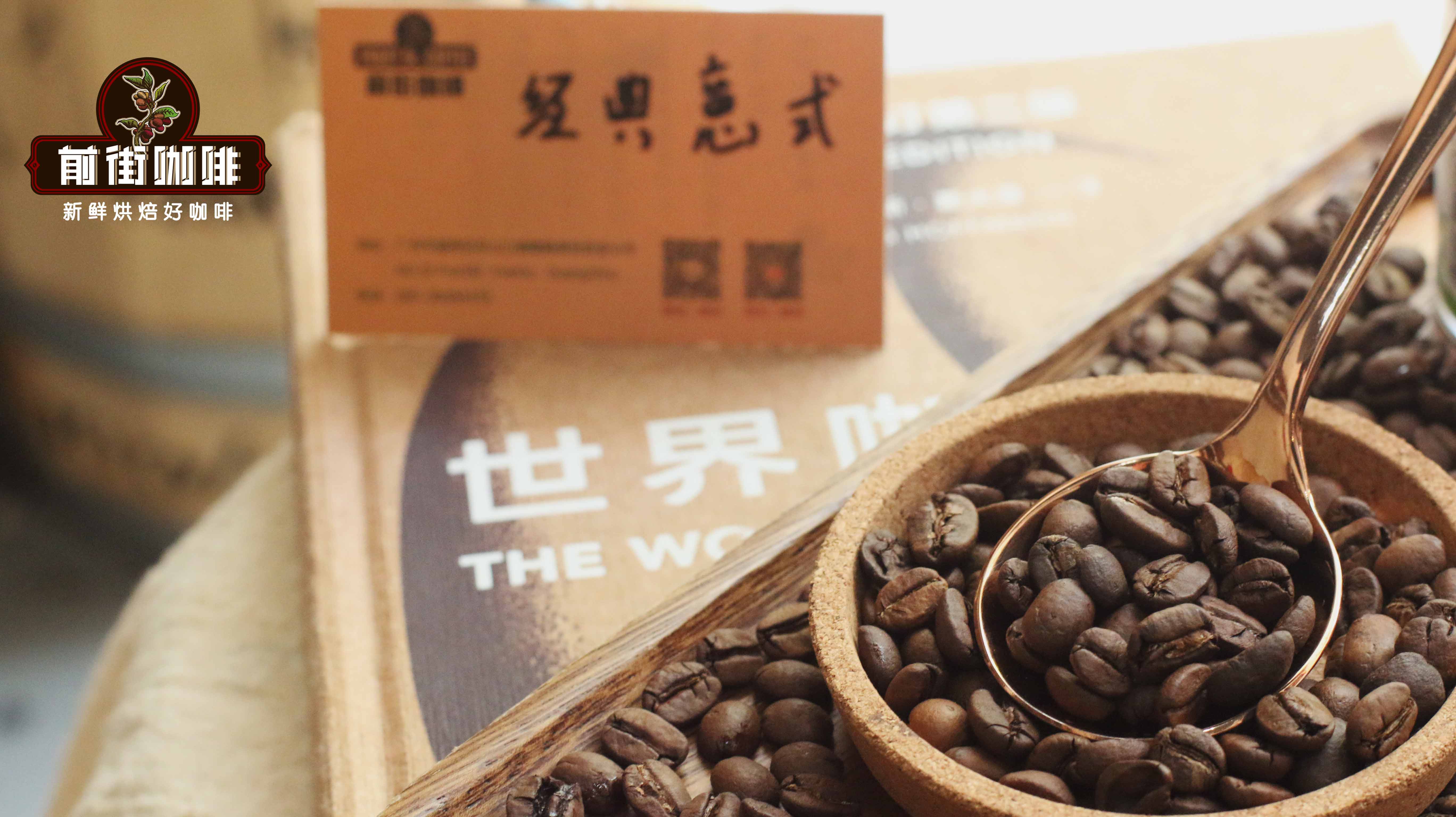
Here is a coffee bean with a rich aroma of its own that enjoys a very good reputation among consumers—Front Street Classic Italian Blend Coffee. This recipe is composed of coffee beans from three origins: Brazil, Indonesia, and Vietnam. It uses a deep roast, which can maximize the rich coffee aroma while also making the extracted crema richer and denser. Whether making an Americano diluted with water or a latte paired with milk, it performs excellently. It can be purchased and ordered at the Front Street Taobao store or the Front Street Tmall flagship store.
Having discussed espresso, let's move on to cold brew coffee.
Unlike the common iced pour-over coffee and iced Americano, cold brew coffee uses a low-temperature method throughout the entire extraction process. Pour-over coffee and Americano, by contrast, first use high temperature to extract a more concentrated coffee liquid, and then cool and dilute it by adding ice cubes.
In a coffee bean, flavor substances account for only 30% of the whole, while the remaining 70% is a woody fiber structure. And not all of that 30% of flavor needs to be extracted, because more than 10% of it consists of bitter components. Extracting bitter substances to a moderate degree can give the coffee an appropriate fullness and enhance its body. Coffee lacking bitterness tastes thin, while coffee with too many bitter substances appears dry and astringent. Therefore, we only need to extract 18% to 22% of the flavor substances in the coffee.
The advantage of high-temperature extraction is that heat can accelerate the movement of water molecules and extract the flavor molecules from coffee particles in a relatively short time. But the drawback is equally obvious: if the water temperature or grind size is not properly controlled during brewing, it is easy to over-extract bitter components, causing the coffee to show varying degrees of bitterness and astringency.
Low-temperature extraction, on the other hand, lacks heat to drive the movement of water molecules, while the low-temperature environment can effectively suppress the release of bitter substances. However, precisely because of the low temperature, the time required for flavor extraction is correspondingly longer, usually taking 6 to 12 hours to extract the sweet and sour substances relatively completely. Therefore, coffee obtained by low-temperature extraction often has full sweetness and acidity, but if the steeping time exceeds 12 hours, the woody fiber will also release a taste similar to tree roots due to prolonged soaking. Although this kind of taste is not very bitter, it can affect the overall aroma performance of the coffee.
To make cold brew coffee, generally you only need to prepare a clean, oil-free, sealable container, as well as materials for filtering out the coffee grounds (coffee filter paper, tea bags, high-density strainers, or cloth bags are all acceptable). Mix the coffee grounds and ice water evenly, then place it in the refrigerator and let it sit for 8 to 12 hours. Front Street Coffee (FrontStreet Coffee) recommends using 30 grams of coffee grounds and extracting at a coffee-to-water ratio of 1:13 (that is, 30 grams of coffee grounds soaked with about 400 grams of water). After extraction is complete, filter out the coffee grounds and it is ready to drink.
Friends often tell Front Street that the cold brew coffee they make is too sour and they don't know how to adjust it. In fact, wanting to "reduce" the acidity of cold brew coffee is not complicated—you just need to choose a bean with lower acidity to make it. If you prefer black coffee with fruity notes, Front Street Strawberry Candy Coffee and Front Street Mozart Coffee are recommended; the cold brew made with them has a fresh floral aroma and is also full of aromas such as strawberry and raisin;
But if you usually prefer black coffee with a rich mouthfeel, you might try beans with a deeper roast level, such as the long-standing offerings on Front Street's bean list: Front Street Indonesia Front Street PWN Golden Mandheling, Front Street Brazil Queen's Estate Yellow Bourbon, Front Street Papua New Guinea Bird of Paradise Coffee, and so on. The cold brew made from these coffees leans toward a rich profile of nuts, caramel, and spices, with a sweetness like dark chocolate in the aftertaste.
The above content is compiled by CoffeeHunters, a coffee news website.


