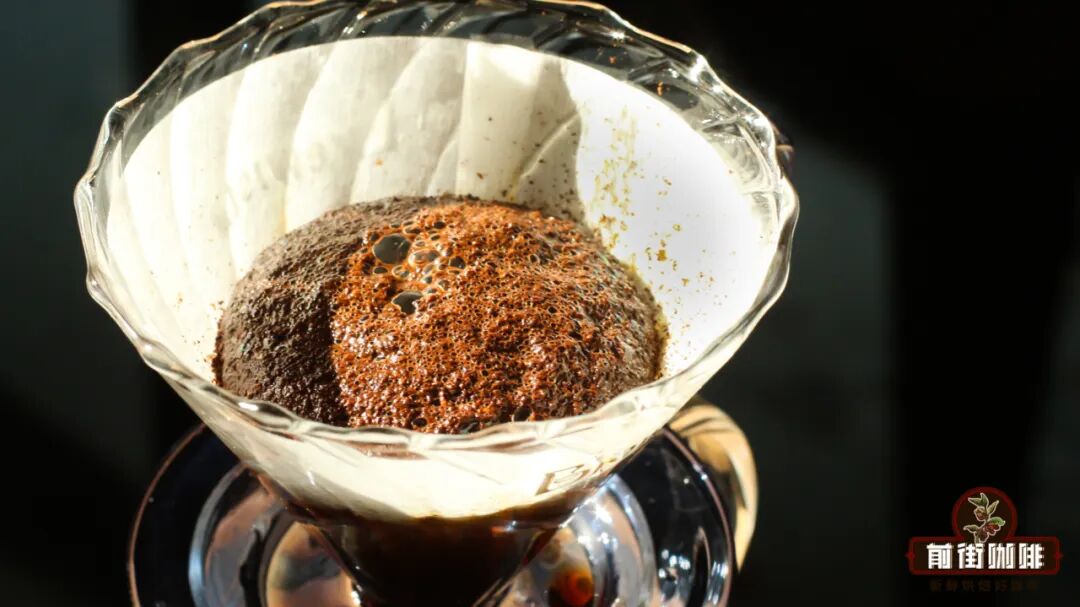
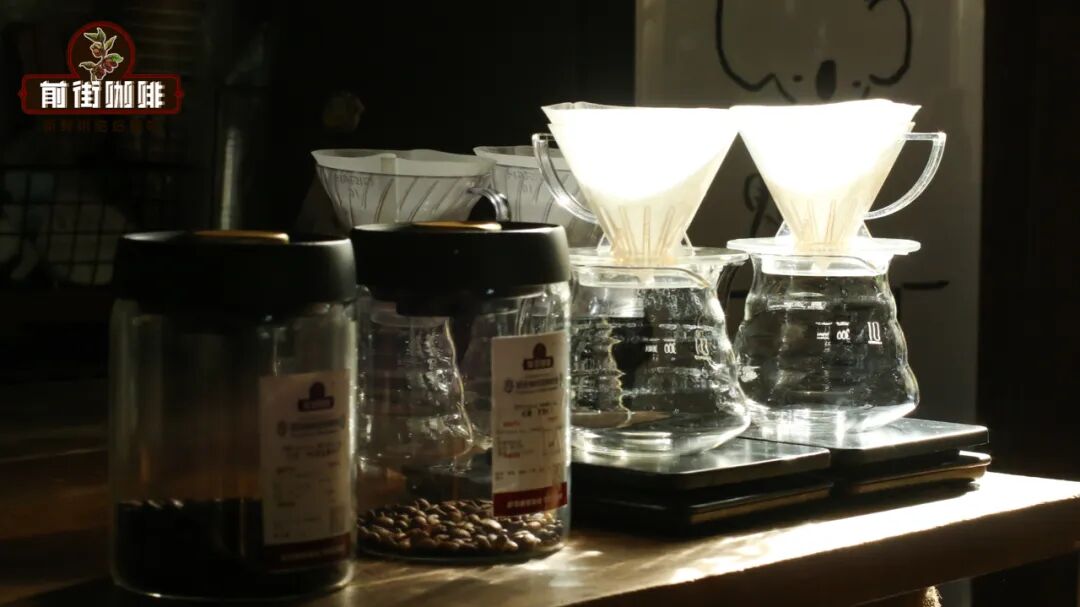
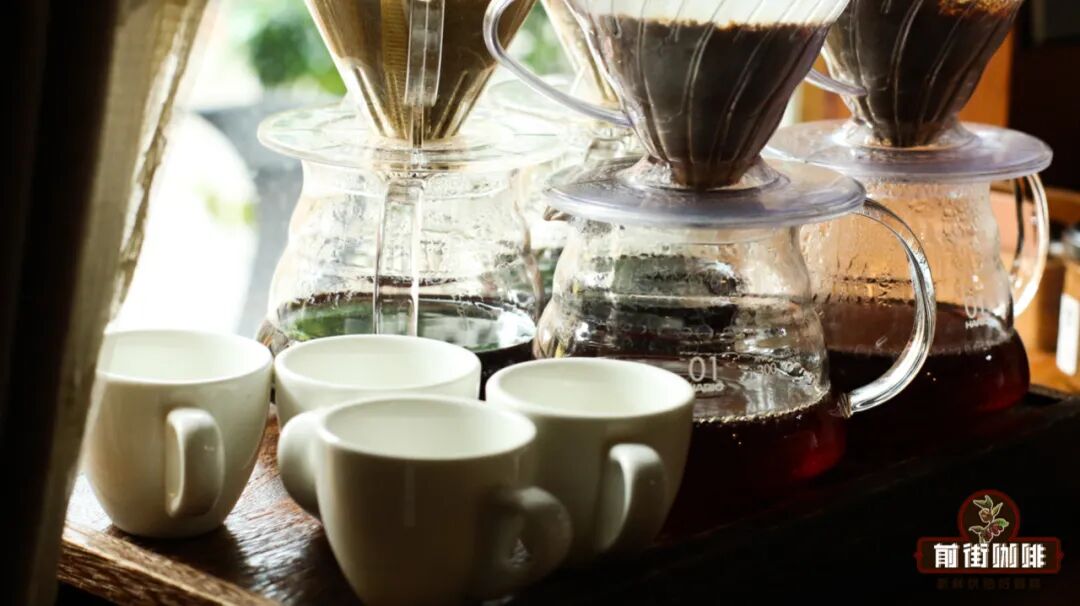
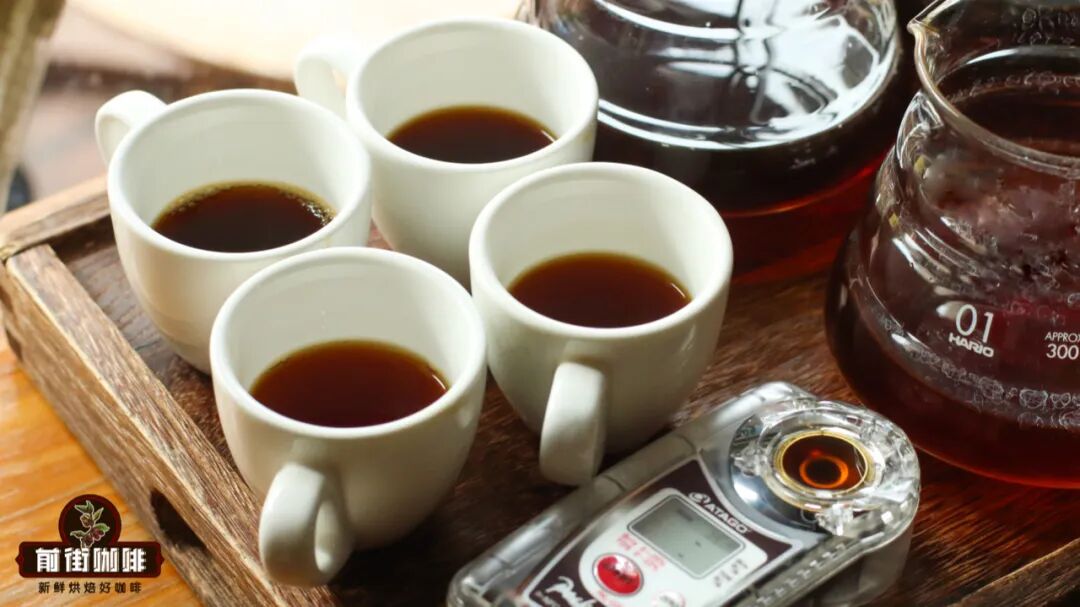
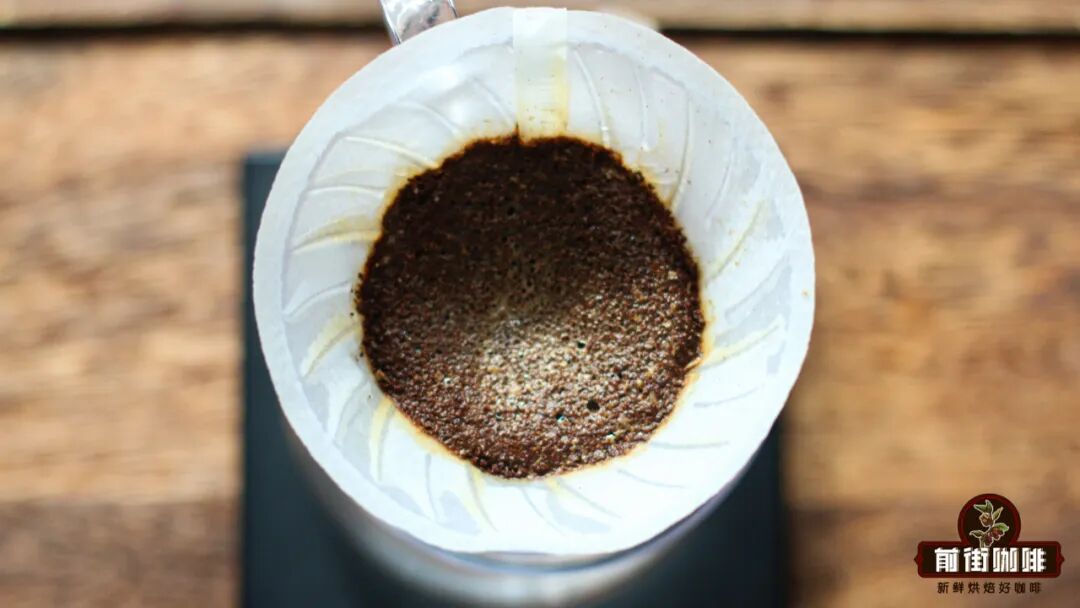
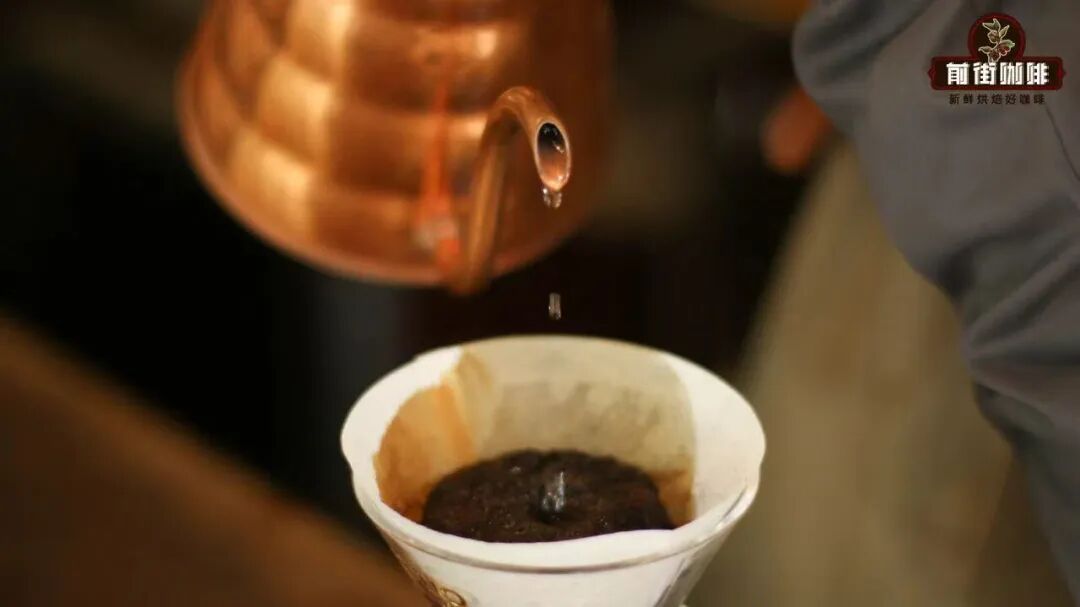
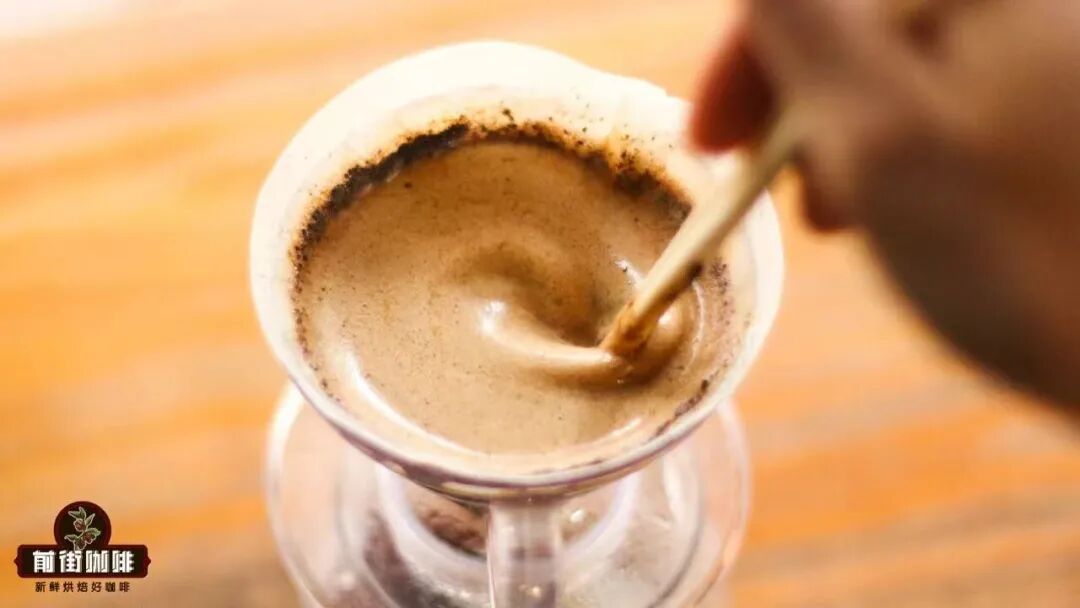
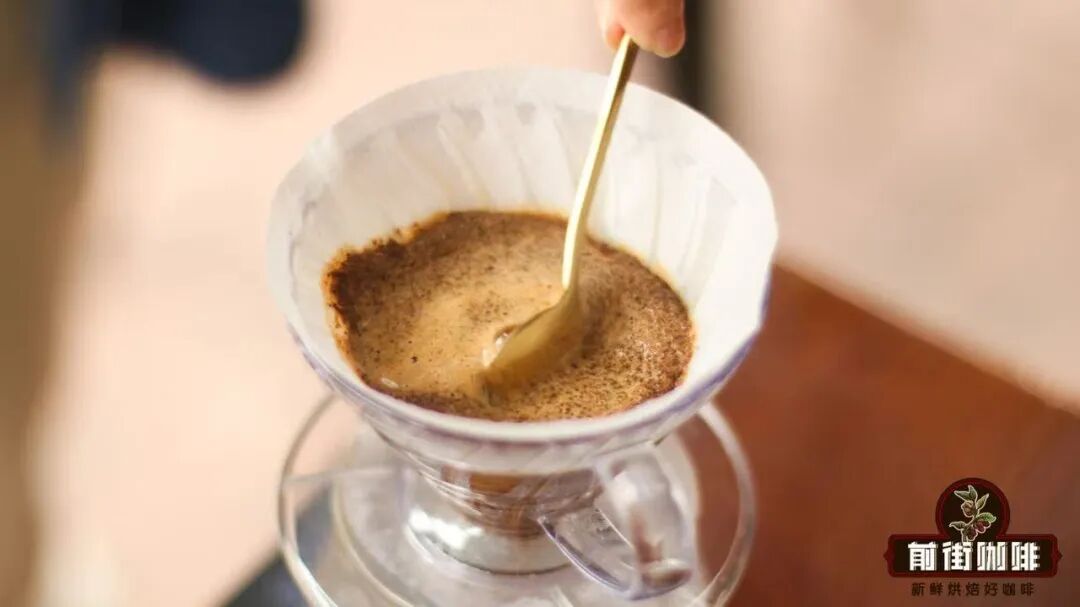
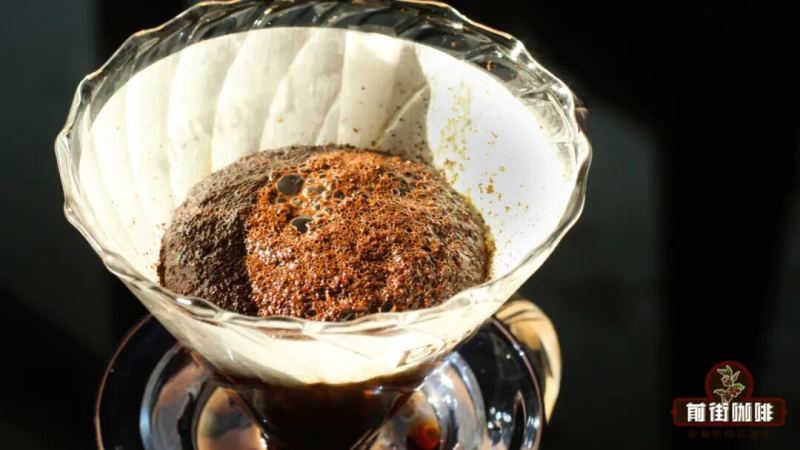
In yesterday's Front Street"How to Achieve Perfect Blooming"After this post was published, a friend was curious about a question—"Can pour-over coffee skip the blooming step?"Undoubtedly, of course it can! But this "can" requires certain conditions. First, we need to clarify the purpose of blooming.In previous articles, Front Street has mentioned: blooming is a degassing action performed to better extract coffee. Because in many cases, coffee grounds contain rich carbon dioxide. When this carbon dioxide is present, hot water finds it difficult to dissolve the flavor substances in the coffee, and the brewed coffee is very prone to being weak and tasteless. You can take a look at this brewing comparison made by Front Street below!The content Front Street wants to compare here is: "The difference between brewing pour-over coffee with and without blooming." For this, we need to use the same beans and the same parameters to brew two pots of coffee, with the only difference being that one pot undergoes blooming and the other does not. Finally, we compare the differences between them through tasting and concentration measurement.Then, for this brewing, Front Street will use two relatively fresh beans to brew two sets of coffee! One is a light-roast coffee bean from Front Street's bean list—Front Street Ethiopia · Huakui, and the other is a dark-roast coffee bean from Front Street's bean list—Front Street Sumatra · Golden Mandheling. The extraction parameters are as follows:Coffee-to-water ratio: 1:15Grind size: 85% passing rate through a No. 20 sieveBrewing time: 1 minute 50 secondsBrewing water temperature: light-roast Huakui 94°C / dark-roast Golden Mandheling 90°CBrewing method: one-pour methodBrewing process: skip it directly! Let's look at the results right away.Huakui without blooming:The extraction yield of Huakui without blooming is 17.86%. It tastes very fresh, with faint fruity acidity and faint tea aroma. The flavor is not very prominent, the taste is not very strong, and it is overall on the acidic side.Huakui with blooming:The extraction yield of Huakui with blooming is 19.25%. By comparison, the taste is very full and the flavor is also very prominent. You can clearly taste citrus, berries, white floral notes, and oolong tea flavors. The overall mouthfeel is smooth, the taste is balanced, and it is very good~Golden Mandheling without blooming:The extraction yield of Golden Mandheling without blooming is relatively low, at 16.19%. It tastes thin, with only a layer of nutty flavor.Golden Mandheling with blooming:The extraction yield of Golden Mandheling with blooming is 18.27%. It tastes much richer and the flavor is more prominent. We can clearly capture the sweetness of caramel, the aroma of chocolate, and the finish of spices and pine wood. However, because the one-pour method was used, its mouthfeel is not as rich as that of the three-stage method.It can be seen that whether the coffee is dark-roast or light-roast, even if the beans, time, grind, water temperature, and other parameters are all the same, the flavor brewed by the version without blooming is far inferior to that with blooming. Then, in terms of extraction yield, we can also clearly see the difference between the two, especially for the dark-roast group with sufficient carbon dioxide content, where the difference is even greater. This is enough to show the importance of blooming for pour-over coffee under conventional brewing.However, this does not mean that pour-over coffee must require blooming. Under certain conditions, the blooming step can also be omitted! It is just that these conditions are very demanding, referring both to the beans and to the parameters.Under what circumstances can pour-over coffee skip blooming?As mentioned earlier, the role of blooming is to release the carbon dioxide that hinders extraction. So when there is no more carbon dioxide in the coffee beans hindering extraction, naturally there is no need to perform the blooming step.But generally we do not wait until that point to start brewing! Because, as everyone knows, the presence of carbon dioxide is not entirely negative. In addition to hindering extraction, its presence also brings many positive benefits. For example, it allows the coffee's flavor substances to remain in the coffee beans for a longer time, or slows the penetration speed of the water flow, extending the extraction time and increasing extraction efficiency...Besides brewing coffee beans that contain no carbon dioxide, there is another situation in which coffee can be brewed without blooming—namely, using a brewing method that does not include blooming.As is well known, there are all kinds of pour-over brewing methods, many of which do not include blooming. For example, the drip method,the one-pour method, the stirring method, and so on.The reason these brewing methods do not need blooming is that they use relatively extreme methods or parameters to release or ignore the effects of carbon dioxide.For example, the drip method: the first half of the drip method involves dripping water, and then it seamlessly transitions into normal pouring and brewing, without the blooming action. But in fact, during the dripping, the carbon dioxide in the coffee grounds has already been fully released. Because the dripping and wetting of the coffee grounds takes a relatively long time, many coffee grounds that have already been moistened by water complete the release of carbon dioxide during this period;Then there are the stirring method and the one-pour method! The stirring method uses vigorous manual stirring to quickly stir out the flavor substances and carbon dioxide in the coffee grounds, so naturally there is no need for a long blooming period to remove carbon dioxide; while the one-pour method uses high water temperature and fine grinding to increase extraction efficiency and accelerate the removal of carbon dioxide, so there is no need for a dedicated blooming step.There are many other similar methods besides these, and Front Street will not list them one by one. But what we need to know is that these brewing methods more or less test the barista's understanding of brewing, whether in the use of parameters or proficiency in water control, and they are also more troublesome to brew, so generally very few people use them.In summary, pour-over coffee can be brewed without blooming, but the conditions are relatively demanding. Brewing methods with blooming can all help us brew a delicious pot of coffee simply and stably, so this is why the current mainstream brewing methods all include the blooming step~
The above content is compiled by CoffeeHunters, a coffee news website.