








How Do Oils in Coffee Shape Espresso Crema?
Crema forms when oils in coffee trap carbon dioxide released during extraction. If a shot pours with little or no crema, the cause is usually stale beans, a roast that is too light, or a deviation in grind, pressure, or water temperature. Fresher beans generally give a thicker, more persistent layer.
Bean freshness is the first thing to check. Crema is essentially coffee oils wrapping around carbon dioxide gas, so richer crema points to fresher beans. Beyond freshness, darker roasts tend to produce more crema than lighter ones, which is why medium-dark beans are often chosen when a fuller crema layer is the goal.
The golden crema on the surface of espresso is an important indicator of whether the extraction is ideal. However, many coffee enthusiasts encounter the problem of missing or overly thin crema in practice. This may involve the freshness of the coffee beans, the roast level, varietal differences, or deviations in equipment pressure, grind size, or water temperature. This article systematically sorts out the various factors affecting crema formation and recommends several Front Street coffee beans suitable for making espresso for different needs, helping readers fully control everything from bean selection to extraction, and make a cup of espresso with rich crema and a mellow taste.

Recently, quite a few friends have consulted Front Street about questions regarding espresso extraction, and one of the more commonly reported problems is this: the extracted espresso either has no golden crema at all, or the crema is pitifully thin. For espresso, this layer of golden crema can be called the essence of the entire cup.
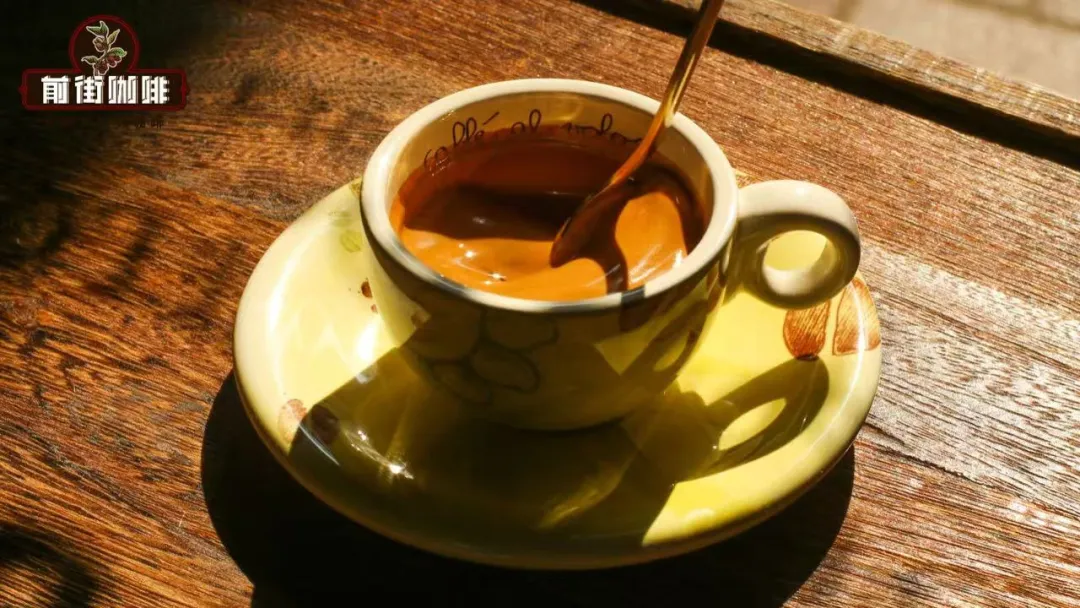
A properly extracted cup of espresso should have a golden crema layer covering about one-third of the total volume atop the dark coffee liquid, showing a creamy texture when gently swirled, and with an obvious clinging effect on the cup wall. If the crema is absent from the extraction result, then something has gone wrong at some stage. It could be a problem with the coffee beans themselves, or a equipment-related issue, or even a deviation in parameter settings or operating technique.
Exactly what factors influence crema formation?
a. The freshness of the coffee beans
Crema is essentially formed by the oils in coffee wrapping around carbon dioxide gas, so the amount of crema can also be used to infer the freshness of the coffee beans—the richer the crema, the fresher the beans. Front Street coffee beans are all freshly roasted within 5 days and shipped within 24 hours after ordering. When you receive them, they are usually on the 3rd to 5th day after roasting. It is recommended to let them rest for another two or three days in a dry, light-proof environment, so that the extraction performance will be more stable.
b. The roast level of the coffee beans
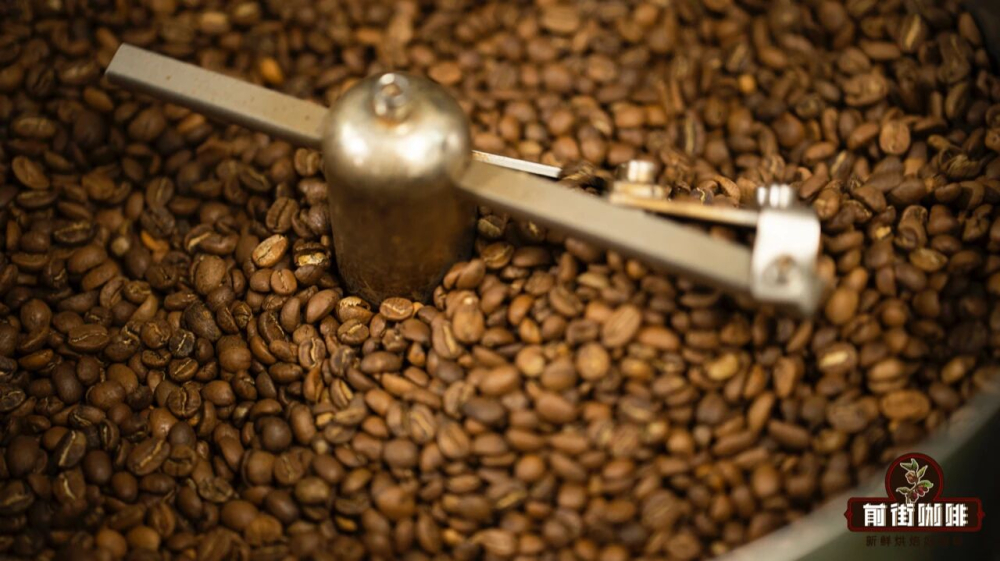
Under the premise of similar freshness, the more crema there is, the darker the roast level of the beans can be inferred to be. So, if you are after a rich crema, just choose medium-dark roasted coffee beans, such as Front Street.Queen's Estate and Front Street Golden Mandheling. Espresso made with this type of bean is covered with a layer of crema that gives off a caramel sweetness, is rich on the palate with low acidity, and can also handle multiple brewing methods such as pour-over, moka pot, and espresso machine.
c. The extraction degree of the coffee beans
The darker the color of the crema, the more soluble substances from the coffee have entered the coffee liquid.
d. Differences among coffee bean varieties
Different coffee varieties exhibit different characteristics and also affect the amount of crema produced. It is currently known that Robusta varieties can produce more crema than Arabica varieties, so many espresso blends deliberately include an appropriate amount of Robusta to enhance the crema performance of espresso.
If you just want a balanced taste and a medium level of crema, you can try Front Street's espresso bean recommended by many baristas—Front Street Dark Cocoa Espresso Blend. It is composed of two Arabica beans, Yunnan smallholder and Brazil Cerrado. It extracts stably and is affordably priced, making it very suitable for home users and friends planning to open a coffee shop.
If you want to make espresso with rich crema, then choose Front Street.Front Street Classic Espresso Blend. This coffee cleverly uses the old-school pairing "Mamba Coffee," combining wild Mandheling with mellow Brazil, and then pairing it with a small amount of Robusta, greatly enhancing the richness of the crema and making the whole cup taste full-bodied and intense.
Crema performance of light-roasted coffee: relatively thin, with a lighter yellow-white color
Overall, the darker the roast level of the coffee, the richer the crema performance. If you use single-origin beans intended for pour-over to make espresso, the crema will be on the thin side, so be sure to read carefully before placing an order.
The coffee beans are not fresh enough.
If the espresso extraction looks normal, then there is a high probability that the coffee beans are not fresh. Espresso machines are actually quite sensitive to the condition of the beans. Coffee beans that are too fresh will produce unstable crema during espresso extraction, tend to form large bubbles, and dissipate quickly; while stale coffee beans produce no crema at all.
When extracted with stale coffee beans, the crema of the espresso is noticeably sparse
Usually, the resting period for espresso beans is about 7 to 10 days, meaning that only from the seventh day counted from the roast date does the extraction condition of the coffee beans tend to stabilize. The optimal flavor period for espresso beans is about 60 days. After more than two months, espresso beans basically have little aroma or flavor left, and the amount of crema will also decrease significantly. (This refers only to normal storage conditions; Front Street has not yet tested nitrogen storage.)
The coffee machine itself lacks sufficient pressure.
This problem is quite common in home coffee machines. Generally speaking, the reason we can extract thick crema is that the coffee machine's 9 bar pressure squeezes the essence out of the coffee puck. However, some small espresso machines do not have a stable 9 bar extraction pressure, so naturally they cannot press out thick crema.
The coffee grind is too coarse.
In this case, the crema will likewise not be rich. It is simple to judge: during extraction, the coffee liquid flows very quickly, accompanied by channeling-induced spouting, and the crema is light in color and thin. The taste of the espresso will also be weaker. You can use 20 seconds as a reference standard. If twice the dose of coffee liquid is extracted within 20 seconds, it is very likely that the coffee powder was ground too coarse.
The extraction process is a complete mess
The water temperature is too low.
Many new coffee machines nowadays are equipped with a manual water temperature adjustment function. The water temperature for extracting espresso is generally controlled at around 93 degrees Celsius. If the temperature is too low, it may also cause crema to fail to appear.
In addition, a fairly common situation with home coffee machines is that it may take 10 minutes or even longer from turning the machine on to completing heating. If extraction is carried out before heating is finished, it is very likely that crema will be missing because the water temperature has not been reached, and the taste of the coffee will also tend toward sharp acidity.
The above content is compiled by CoffeeHunters, a coffee news website.


