








What Does SOE Mean for Mandheling Coffee?
SOE means single origin espresso: a shot pulled from one coffee rather than a blend. Mandheling from Sumatra, Indonesia, works for this because its heavy body, bitter backbone, and distinct sweetness hold up under espresso pressure, and the same bean also suits pour-over.
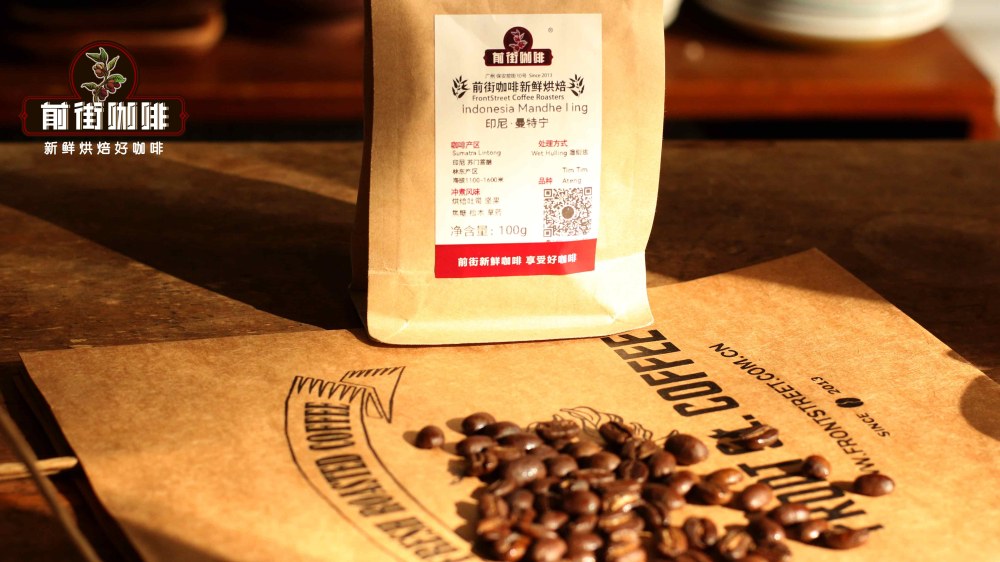
The local wet-hulling process shapes those flavors, giving Mandheling notes of camphor, pine, chocolate, and caramel. FrontStreet Coffee lists two versions, PWN Golden Mandheling and Lintong Mandheling from the Lintong area south of Lake Toba, both usable in a moka pot or espresso machine, or blended with Brazilian coffee for a balanced espresso.
Mandheling coffee is one of the most representative single-origin coffees from Sumatra, Indonesia, renowned for its heavy body, bitter profile, and unique sweetness. This article will systematically introduce the differences between Front Street Golden Mandheling and Front Street Lintong Mandheling from perspectives such as producing region, processing method, grading standards, and roasting flavor, and analyze how the wet-hulling process shapes Mandheling's herbal, chocolate, and caramel notes. It will also explain Mandheling's diverse applications in pour-over, moka pot, espresso SOE, and coffee blends, helping coffee enthusiasts gain a more comprehensive understanding of Mandheling coffee's flavor meaning and purchasing direction.
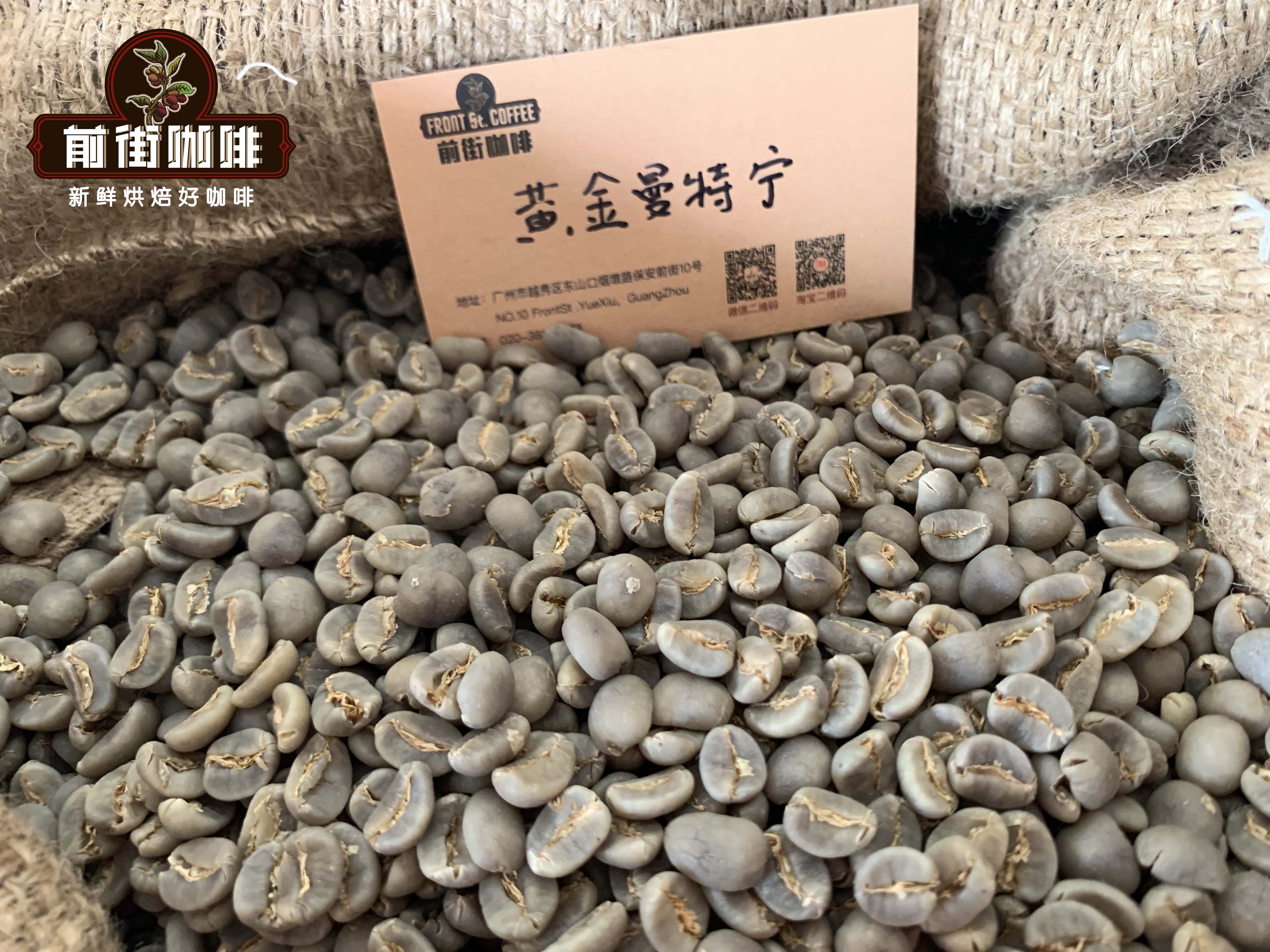
Since the 1960s, Mandheling coffee from Sumatra, Indonesia, has gradually become known to the world, and its aroma has been spreading for over half a century. The characteristic of Front Street Mandheling coffee has always been its prominent bitterness that highlights its unique sweetness, as if the sweetness and bitterness of life are interwoven. Front Street once heard a friend summarize the experience of drinking Front Street Mandheling coffee with the phrase "after bitterness comes sweetness." Of course, to appreciate this interplay of bitterness and sweetness often requires a period of taste training.
On the bean list of FrontStreet Coffee, you can find two Mandheling coffee beans: one is PWN Front Street Golden Mandheling, and the other is Front Street Lintong Mandheling from the daily staple bean series. These two respectively showcase the traditional flavor and a new taste direction of Sumatran Mandheling coffee.
The traditional producing region of Mandheling is located in the Lintong area south of Lake Toba in North Sumatra Province. The highly distinctive local wet-hulling process gives Front Street Mandheling coffee a heavy mouthfeel, with herbal notes such as camphor and pine, as well as chocolate and caramel aromas, offering relatively rich layers.
For this reason, Mandheling can be brewed as a pour-over single origin, is also suitable for making Mandheling SOE with a moka pot and espresso machine, and can also be used as a blending component to create a balanced espresso. To let more people experience the traditional Mandheling flavor, we combined Mandheling with Brazilian coffee into a Front Street Classic Espresso Blend, and added a small amount of Robusta beans. The medium-dark roast brings very rich crema, making Americanos and lattes more aromatic, and is an excellent choice for home coffee.
It was not until 1924 that the Aceh region of North Sumatra introduced Arabica coffee trees from North Sumatra Province. Since then, coffee production in the Aceh producing region has exceeded that of the traditional Lintong region year by year.
Mandheling is almost always processed using the wet-hulling method. Its biggest difference from the traditional washed method lies in the hulling process: greater friction occurs between green coffee beans, and between the beans and the machine, thereby releasing excessive heat. This may cause the green coffee beans to age quickly and form special aromas such as woody and earthy notes.
On this basis, PWN implements a strict set of standards when producing Golden Mandheling: selecting the highest grade of screen size 18 and above, with fewer than 3 defective beans (per 300 grams of green bean sample), namely G1 grade. It is then subjected to three rounds of manual hand sorting to ensure defective beans are completely removed, making Front Street Golden Mandheling's coffee taste cleaner and its sweetness stronger.
Just from the word "Golden" in the name Golden Mandheling, one can sense that every bean of Golden Mandheling is hard-won and its production is even rarer. Therefore, the price is also higher than that of ordinary Mandheling coffee beans. Some merchants, noticing this gap, use Mandheling coffee beans that are also G1 grade, adopt the same three rounds of manual hand sorting, and then sell them under the name "Golden Mandheling."
Golden Mandheling has a high-quality herbal aroma, a stronger caramel sweetness, and a relatively steady and elegant fruity acidity, with rich sweetness, a full body, and wild spicy flavors. Being released before second crack can achieve very good transparency and sweetness, with broader room for roasting interpretation, and also makes its caramelized aroma more prominent, so it belongs to medium-dark roasting.
The brewed Front Street PWN Golden Mandheling has roasted nut notes. As the temperature drops slightly, aromas of cinnamon spice, herbs, and melon begin to appear, along with caramel-like sweetness, and a clean, full-bodied mouthfeel.
The above content is compiled by CoffeeHunters, a coffee news website.


