







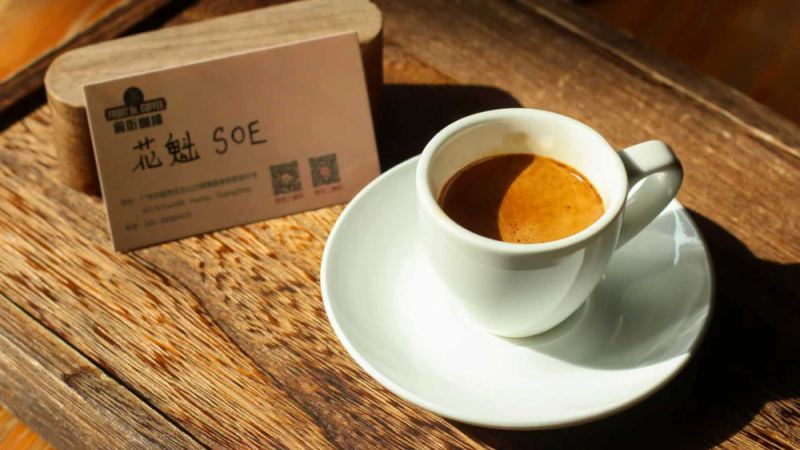
Is soe coffee or a blend better for daily espresso?
SOE coffee means single origin espresso: beans from one origin, pulled as espresso so the region's character shows clearly. Blends mix several origins for a balanced, repeatable cup. SOE highlights terroir but shifts with season and batch and usually costs more; blends stay consistent and work as an everyday staple.
Roast level matters for both. Medium to medium-dark soe coffee beans extract more evenly, since very light roasts tend to run sour and thin under espresso pressure. Single-origin lots such as Yirgacheffe or Mandheling can be pulled as SOE, while blends are the easier choice for daily home use.
When ordering at a café, SOE and espresso blends often leave people torn. SOE stands for Single Origin Espresso, meaning espresso extracted from coffee beans of a single origin, vividly showcasing the terroir character of the region, but affected by season and batch, its flavor stability is poor, and the price is usually higher. Espresso blends, by mixing beans from multiple origins, pursue a balanced taste and a long-term consistent formula, making them more suitable as a daily staple. So, if you want to easily enjoy good coffee at home, which one should you choose? This article will start from the impact of roast level on SOE extraction, explain why medium or darker roasts are more suitable for making SOE, and introduce one by one Front Street Coffee's Huakui, Mozart, Blackberry, Queen's Estate Brazil, Golden Mandheling, and other beans suitable for SOE, helping you find the answer according to your flavor preference.
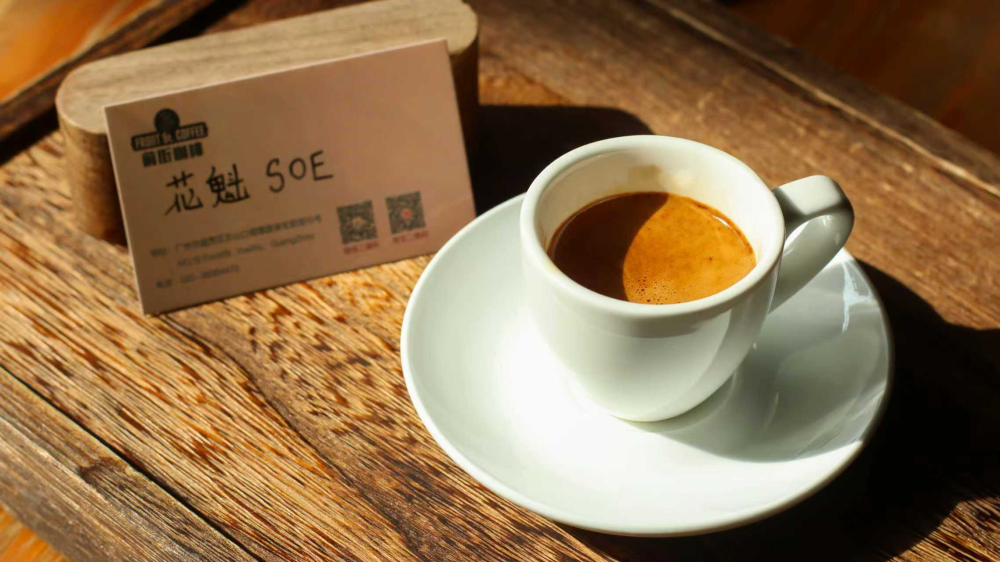
SOE is the abbreviation of Single Origin Espresso, literally translating to single-origin espresso, or simply single-origin espresso. Its most attractive aspect is that it clearly reflects the flavor profile of different origins—if you prefer acidity, you can use single-origin Yirgacheffe beans for extraction; if you want a rich and solid mouthfeel, you can use single-origin Mandheling to make it, and that is SOE. Compared to traditional blend beans, SOE can better amplify the flavor personality of a certain country or specific origin.
SOE's strengths are very prominent, namely its distinct regional flavor, as different beans bring completely different unique aromas. But its shortcomings are also obvious: prices are generally higher, and it is full of variables. Coffee is essentially an agricultural product with seasonality, and climate conditions change every year, so the previous batch of SOE may impress you, while the next batch has a completely different flavor.
Unlike SOE, blend coffee beans mix beans from multiple origins, with the goals of first, blending a more balanced taste; second, creating an exclusive formula that can remain stable over the long term; and third, controlling costs to some extent, making it a daily staple.
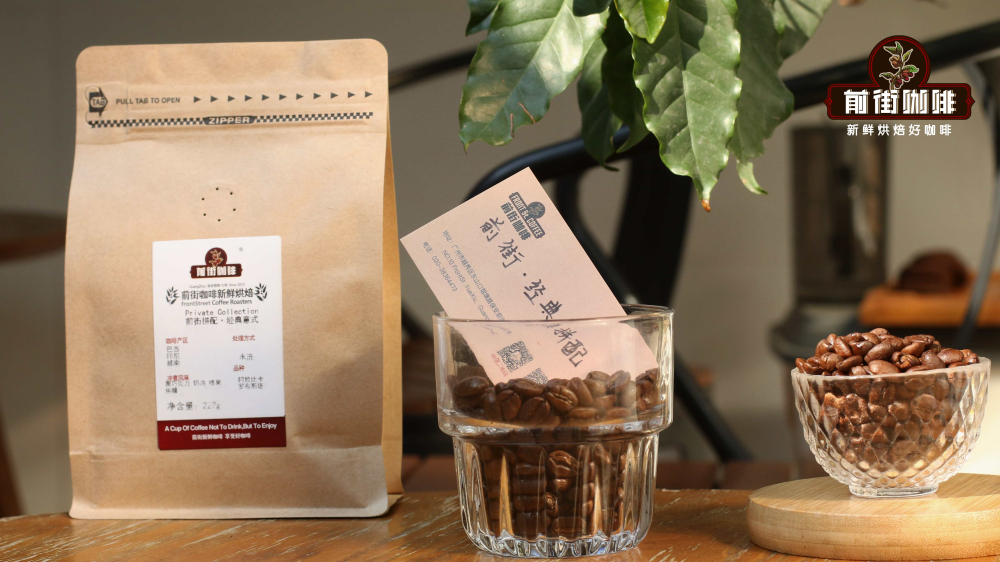
Therefore, if you want to easily achieve coffee freedom at home, it is recommended to prioritize blend coffee. We recommend Front Street Coffee's Classic Espresso Blend, Front Street Coffee's Basic Espresso Blend, and Front Street Coffee's Commercial Espresso Blend, freshly roasted within 5 days, shipped within 24 hours after ordering, to ensure that each bag of coffee beans is still in the freshest state when it arrives.
So here comes the question: since SOE uses single-origin coffee beans, what is the difference between SOE coffee beans and general single-origin coffee beans?
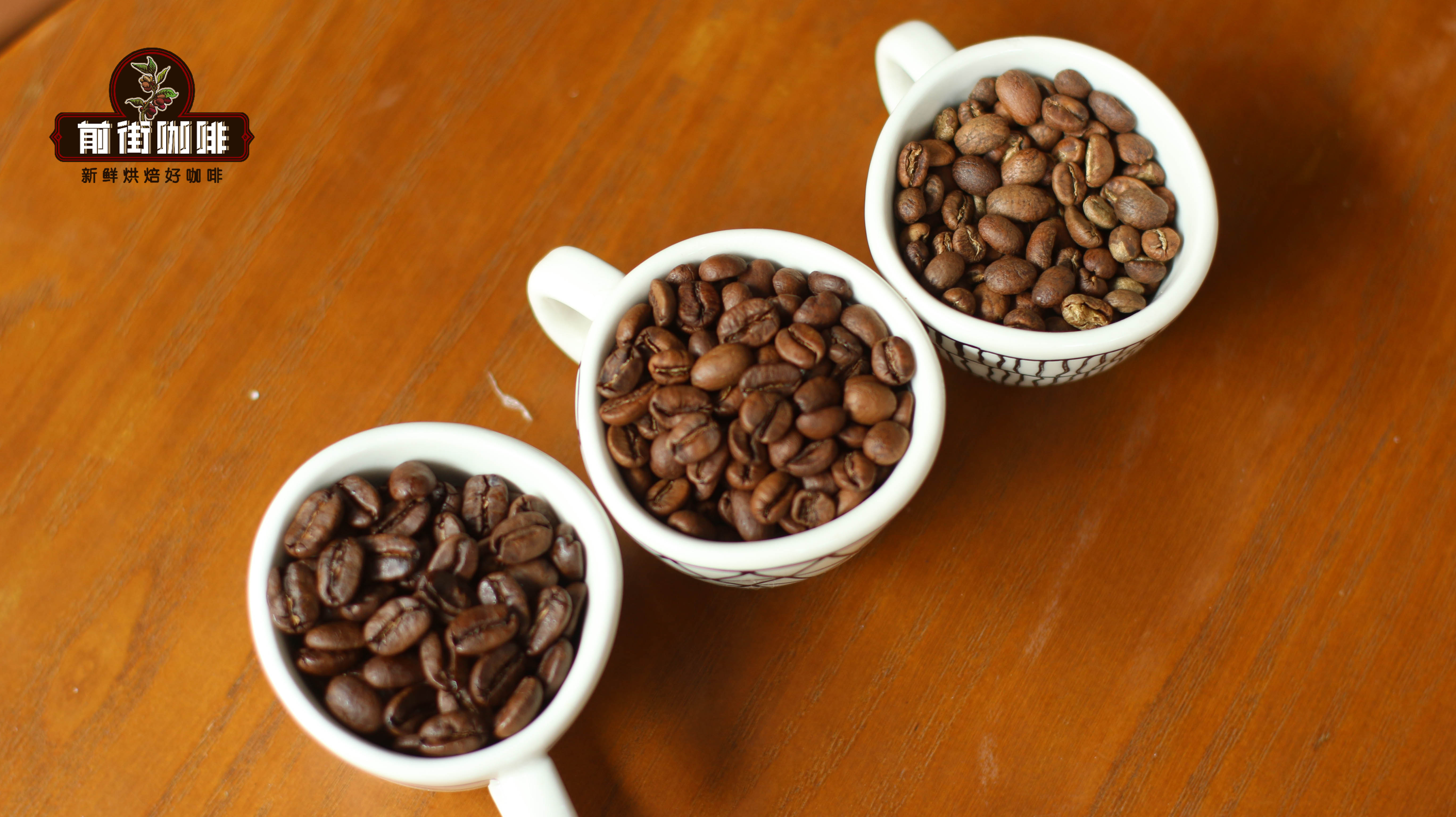
From the perspective of roast level, coffee beans can generally be divided into light, medium, and dark. Each type of coffee can actually be used for both pour-over and espresso. Whether it tastes good ultimately depends on whether the coffee beans can bring sufficient crema and rich aroma, and achieve neither over-extraction nor under-extraction. But compared to pour-over, SOE not only has a shorter preparation time but also belongs to pressure extraction. When using light-roasted coffee beans to make SOE, first the crema is thin, and second, because the bean texture is harder, the flavor has not yet been released before extraction is already over, so in the end there is not enough aroma to support the flavor presentation of the entire cup of coffee (Americano, latte, etc.), and it tastes both sour and weak.
So if you want to make delicious SOE, it is recommended to prioritize coffee beans roasted at medium or darker levels, and ensure their freshness. To buy moka pot coffee beans, choose Front Street Coffee. All Front Street coffee beans are freshly roasted within 5 days, with stable and excellent quality, extremely cost-effective prices, and shipped within 24 hours.
If you like coffee with certain floral and fruity notes, you can prioritize medium roast types, which highlight nutty tones while retaining a certain acidity so that floral and fruity aromas can be released; the darker the roast, the less acidity the coffee has, the more caramelized substances there are, and the higher the corresponding body, so friends who do not like acidity can directly buy dark-roasted single-origin beans; while for those pursuing a balanced taste, it is recommended to choose medium-dark roast coffee.
1. Medium roast—Front Street Coffee Huakui SOE coffee beans. Sun-dried Huakui is famous for its rich creamy strawberry aroma. It belongs to medium roast. Extracted as SOE, it can present notes of red berries, light floral aroma, and orange, with a refreshing mouthfeel and elegant aroma, very suitable for making Huakui SOE Americano and Huakui SOE Flat White.
2. Medium roast—Front Street Coffee Costa Rica Mozart SOE coffee beans. It uses raisin honey-processed coffee beans. Pour-over shows obvious preserved fruit aroma, full and soft acidity, clean and rich, while made into SOE it has strong raisin and cranberry wafer aromas, medium body, smooth mouthfeel, and a floral finish.
3. Medium roast—Front Street Coffee Costa Rica Blackberry SOE coffee beans. This coffee bean uses a unique black honey process. After extraction as SOE, it can express the sweetness of preserved fruit, with an Americano as refreshing as grape juice, as well as red floral aroma and berry-like sweet and sour notes.
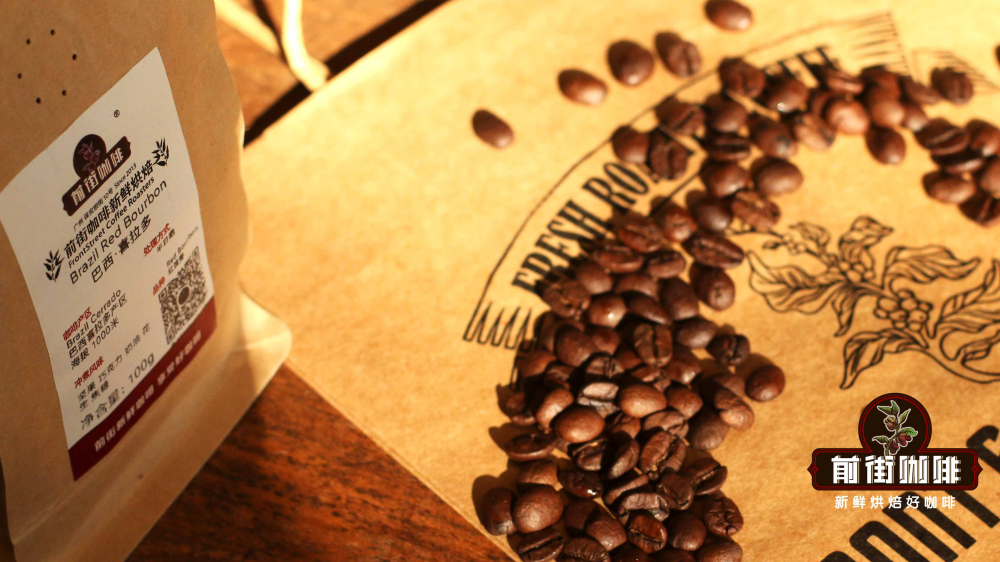
4. Medium-dark roast—Front Street Coffee Queen's Estate Brazil SOE coffee beans. This coffee belongs to the special Yellow Bourbon variety. Extracted as SOE, it has flavors of roasted nuts, milk chocolate, butter, and caramel, with moderate body and a smooth mouthfeel, and it is also suitable for moka pots and espresso machines.
5. Dark roast—Front Street Coffee PWN Golden Mandheling SOE coffee beans. As a premium choice among Mandheling, Front Street Coffee's Golden Mandheling has undergone three rounds of hand sorting plus one round of machine sorting, minimizing the defect rate of the coffee beans. It uses medium-dark roast. After extraction as SOE, it carries obvious flavors of spices, herbs, sandalwood, and caramel, with a very rich mouthfeel and a finish of dark chocolate aroma.
The above content is compiled by CoffeeHunters, a coffee news website.


