







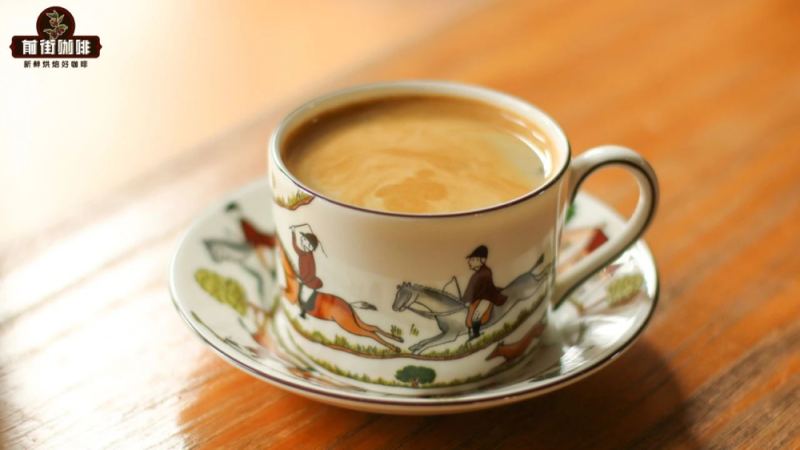
Is an SOE latte worth trying next to espresso and americano?
Americano is espresso diluted with hot water, a habit that began with American troops in Europe during World War II who found Italian espresso too strong. Espresso is the concentrated base underneath both drinks. SOE, or single-origin espresso, means pulling shots from one origin rather than a blend, and an SOE latte simply adds steamed milk to that single-origin shot.
Whether an SOE latte tastes good comes down to roast and bean choice: soe coffee beans need a roast profile that keeps their origin character readable through milk. A typical Americano uses 20g of grounds extracted to 40g of liquid in 25 to 30 seconds, then 160g of water at a 1:4 ratio. SOE shots follow similar extraction logic, with milk softening acidity and fruit notes.
Friends who are just getting into coffee often can't tell the difference between Americano, Espresso, and how they relate to each other, and they're even more curious about the SOE single-origin espresso that has become popular in recent years. This article will start from Front Street's perspective, first clarifying the definitions and differences between Americano and Espresso, then taking a deeper look at the concept of SOE, key roasting points, and suitable bean types, and finally, through Front Street Mozart SOE Latte's complete preparation process and flavor tasting, take you through a full understanding of whether SOE Latte actually tastes good.
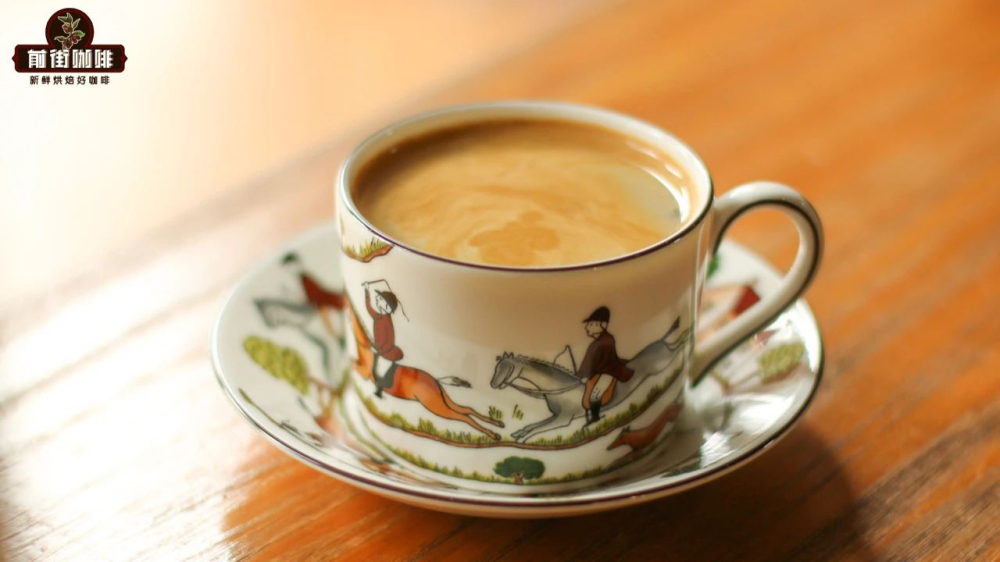
Many people just stepping into the world of coffee encounter similar questions: What exactly does Americano mean? How is it different from espresso? Which one is considered authentic, and which one is easier to drink? Today Front Street will sort through these questions one by one. Before we begin, let's first clarify a few basic concepts:
What is Americano?
A drink made by using Espresso as the base, adding hot water in a certain ratio, and diluting it is Americano. This way of drinking originated during World War II when American troops arrived in Europe. American soldiers were not used to the strong taste of Italian espresso, so they came up with the idea of adding water to dilute it.
Although Americano has a lot of water added, its flavor is actually softer than pure espresso, making it more refreshing to drink, while the aroma is still retained. As for the order of preparation, there is actually no strict rule. Some people think the only difference is whether the crema is retained or washed apart. What truly determines the taste is still the extraction quality of the espresso itself, as well as the ratio of espresso to water.
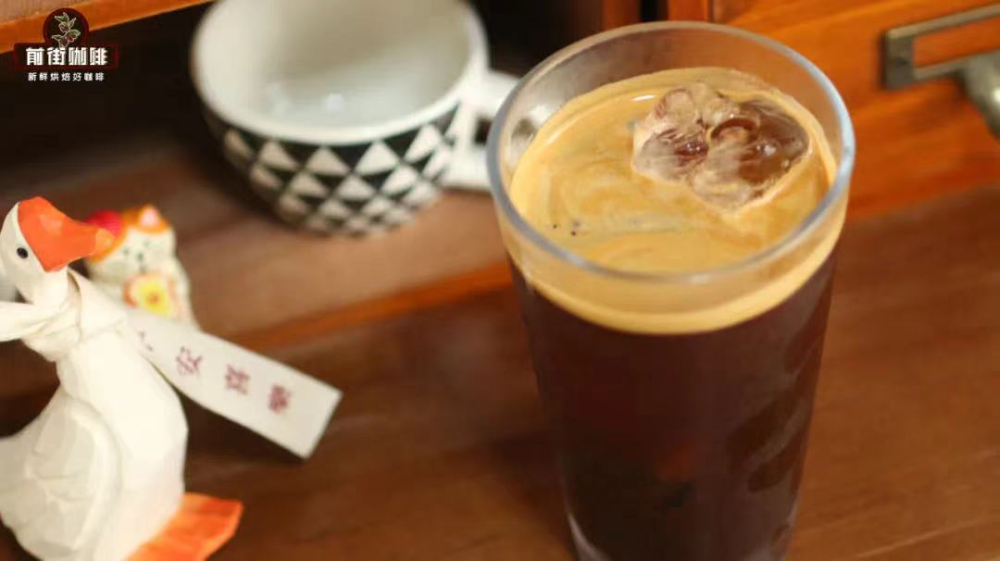
If you want an Americano with rich crema, you can use Front Street Classic Espresso Blend to extract espresso, using 20g of grounds to extract 40g of coffee liquid in about 25 to 30 seconds, then add 160g of warm water or ice water at a 1:4 ratio to make hot Americano or iced Americano. The finished drink will have a delicate golden crema floating on the surface, with notes of dark chocolate, roasted nuts, butter, and cocoa on the palate, a rich body, and a slightly sweet finish.
What is espresso coffee then?
This question can be understood this way: any coffee extracted with an espresso machine falls under the category of espresso coffee.
What is Espresso?
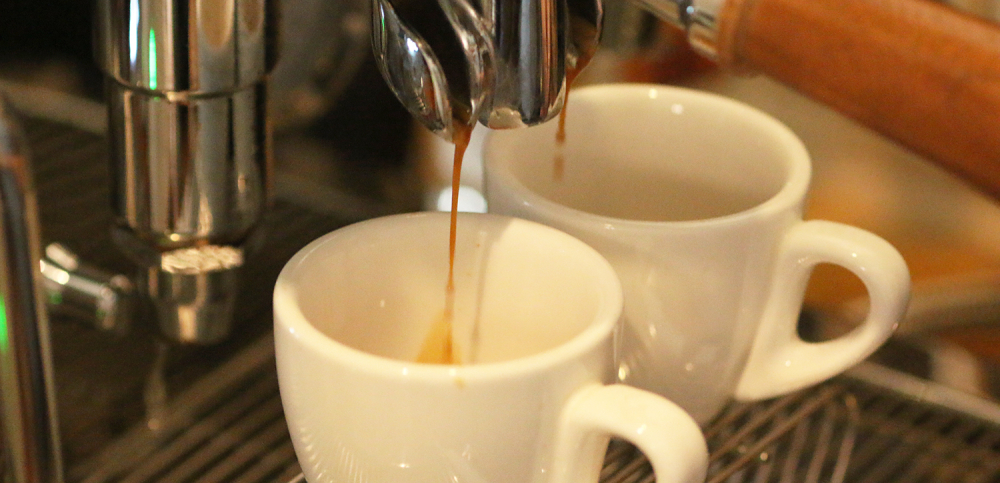
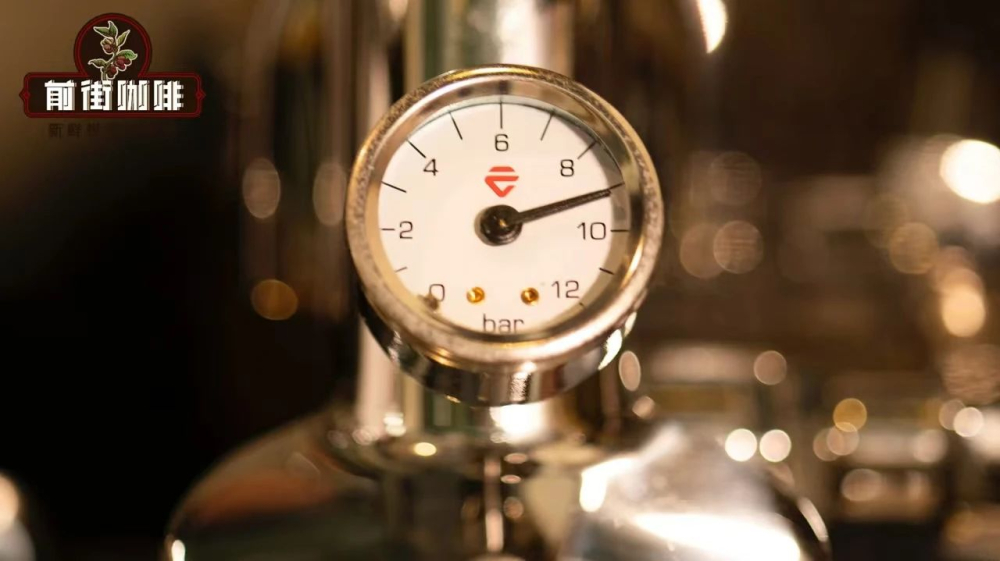
Espresso is also called Italian-style concentrated coffee. It is both a coffee beverage and a brewing method. Under nearly 9 BAR of pressure (about 9 times normal atmospheric pressure), near-boiling hot water is forced through finely ground coffee to extract a cup of coffee with high concentration and a strong taste. The result of espresso extraction is affected by factors such as dose, ratio, time, grind size, water temperature, and pressure.
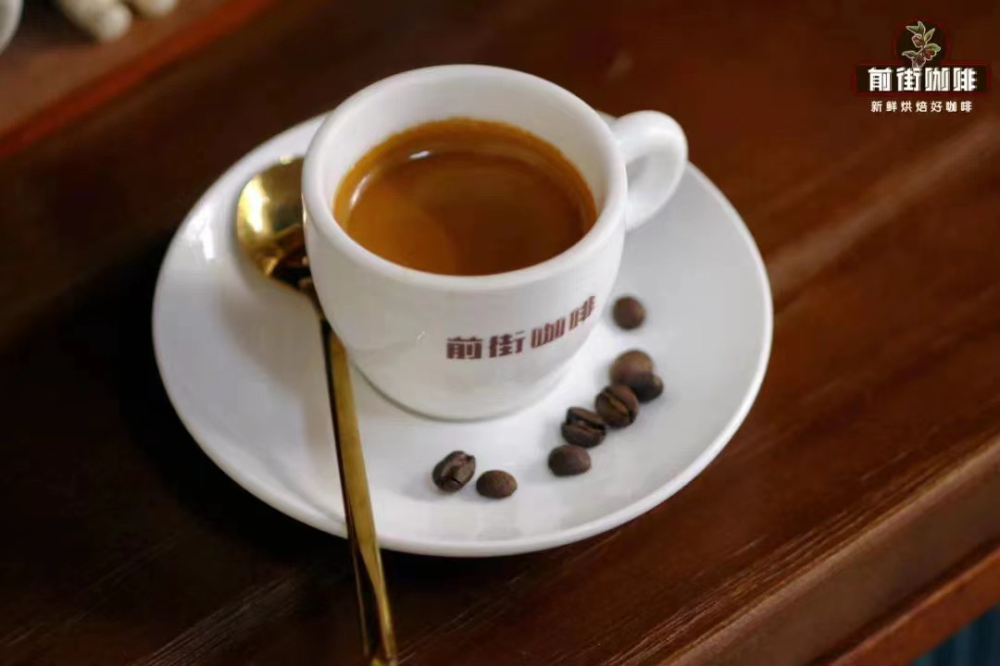
This highly concentrated coffee, extracted in a very short time, is about 30 ml per cup, with a beautiful layer of brownish-yellow crema on top. This crema has a rich, delicate texture and looks very tempting. It is usually called Crema. Crema is mainly responsible for aroma, while the extracted liquid is responsible for taste. Espresso is a very classic Italian coffee, rich in flavor and full of layers, able to highlight certain characteristics of the coffee, and it becomes especially interesting when savored slowly. One key point to underline here: Espresso is also the base for popular drinks such as Americano and latte. To put it plainly, if the Espresso used as the base is ruined, then there is basically no hope for the other espresso drinks to taste good.
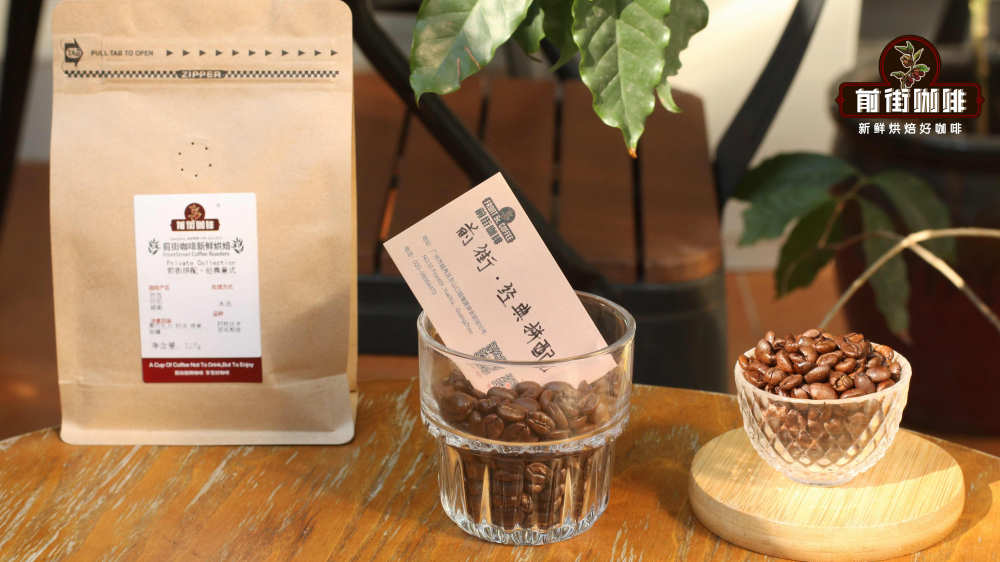
In recent years, a category called SOE has also appeared in coffee shops. SOE is the abbreviation of Single Origin Espresso, meaning "espresso made from coffee beans of a single origin." The key lies in the two words "single origin" and "espresso."
Because single-origin beans are usually used for pour-over, cold brew, or smart cups, their roast level tends to be light or medium-light. If they are used directly to make espresso, problems such as under-extraction, splashing coffee liquid, and thin crema easily occur.
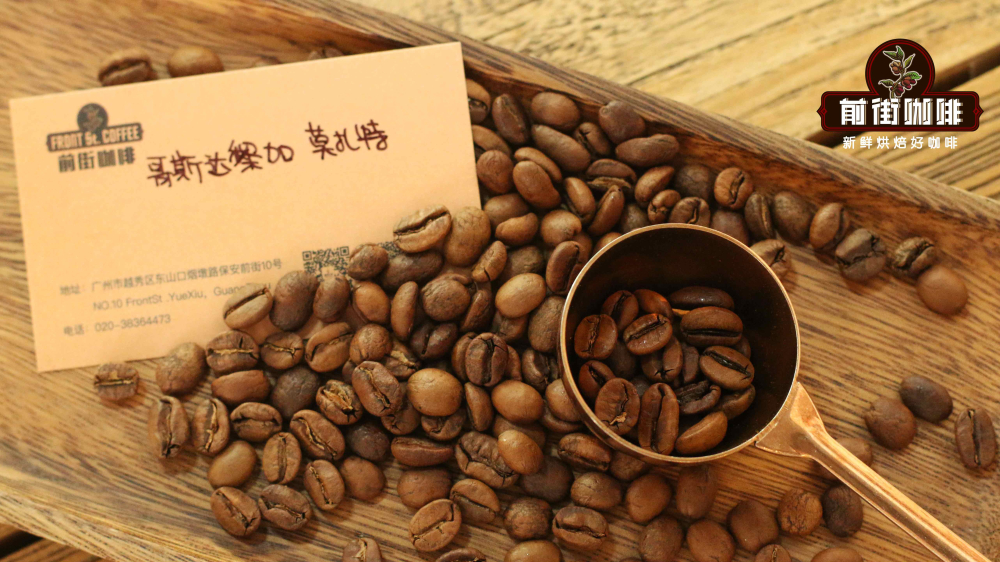
For this reason, for customers who like the Ethiopian region and also want to try SOE, Front Street specially selected three naturally processed single-origin coffees and adjusted a separate espresso roasting profile for them, respectively launching Huakui SOE coffee beans, Chaka SOE coffee beans, and Red Cherry SOE coffee beans.
If you prefer espresso with rich fruity aromas and rounded sweetness, then beans from high-altitude regions in Central and South America may suit your taste better. Coffees from countries such as Colombia, Panama, Costa Rica, Guatemala, and Peru mostly use medium roasting in order to express the sweet aromatic notes and caramel character of the origin or variety, and therefore can be compatible with multiple extraction methods.
In addition, if you want to maximize the fruity aroma of SOE, you might start with single-origin beans processed by methods such as natural, honey, or anaerobic natural. For example, Front Street Colombia Papayo uses double anaerobic natural processing, and the SOE Americano made from it has obvious flavors of blueberry juice, passion fruit, and ripe grapes; another one, also from Colombia but using anaerobic natural processing, Big Belly, produces an SOE Latte with aromas of orange, nuts, and milk candy.
If none of the above single-origin coffees are your thing, or if you do not really like coffee with acidity, then you might look among single-origin coffees from Asia and South America, preferably choosing products with a roast level in the medium to dark range. For example, espresso made with Front Street Brazil Cerrado and Colombia Queen's Estate shows the characteristics of low acidity, no bitterness, and a balanced mouthfeel.
Does SOE Latte taste good?
Coffee beans: Front Street. Mozart SOE
Coffee grounds: 20g
Coffee liquid: 40g
Grounds-to-liquid ratio: 1:2
Extraction time: 26–32 seconds
Grind size: Galileo Q18 setting 2.0
Milk volume: 200g
Front Street uses a double basket, with a capacity of about 18 to 20 grams, and uses 20 grams of coffee grounds when serving. Usually the grounds-to-liquid ratio is controlled between 1:1.5 and 1:2.5. Front Street uses 1:2, which means 20 grams of grounds extract 40 grams of liquid. Time is related to the flow rate of the coffee grounds, and a single extraction is generally controlled at 20 to 35 seconds.
Before extraction, first wipe the basket dry, turn on the grinder to grind a double dose of coffee grounds, and place it on an electronic scale to adjust until it is exactly 20 grams. Then use a distribution tool to level the surface of the grounds, and then use a tamper to press straight down with force to compact the puck, ensuring more stable extraction.
Then turn on the extraction switch and let water run for 1 to 2 seconds to moisten the group head and also rinse away the coffee grounds stuck on it. Place an electronic scale under the cup that will catch the Espresso and tare it to zero, and place it under the group head during extraction. Gently lock the portafilter onto the group head, then flip down the extraction switch. Observe the changes in the extracted liquid. When the electronic scale shows that the coffee liquid has reached 40 grams and the time is about 30 seconds, pull the switch down to stop extraction, and pour the extracted espresso into a pre-prepared coffee cup for later use.
Next, pour 200 grams of low-temperature fresh milk into the milk pitcher, adjust the angle of the steam wand, and begin steaming. Be careful to control the milk foam thickness at 0.3 to 0.5 cm and keep the temperature at 55 to 60°C in a dense, silky state. After steaming, blend it evenly with the coffee liquid, and finally finish with latte art. In this way, a cup of Mozart SOE hot latte is complete.
When tasting it at Front Street, you can feel the coffee's rich floral and fruity aroma. On the palate there are aromas of raisins, pink flowers, dried fruit, pineapple, and sweet orange. Set off by the coffee crema, this SOE Latte also has a solid finish of cocoa and hazelnut, like eating a cranberry cookie. It is very special.
The above content is compiled by CoffeeHunters, a coffee news website.


