







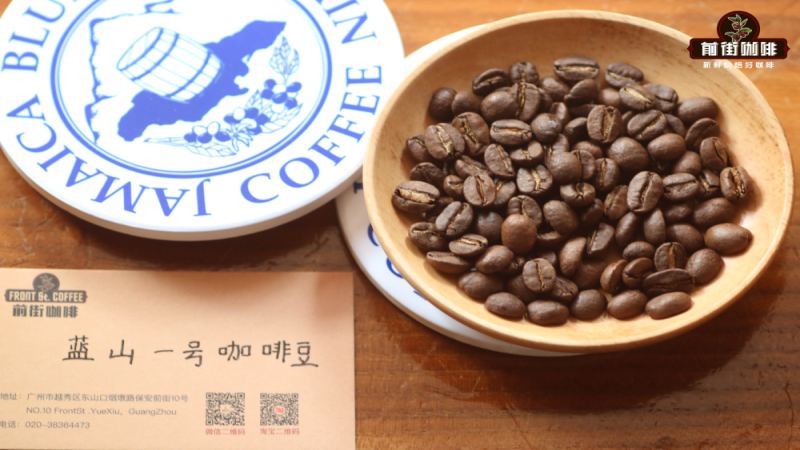
What Makes Jamaica Blue Mountain Coffee Different from Arabica?
Jamaica Blue Mountain coffee is a washed Arabica grown between 910 and 1,700 meters in the Blue Mountains, and less than 15 percent of Jamaica's total coffee production qualifies for the Blue Mountain name. Its cup is balanced and full-bodied, combining acidity, sweetness, and bitterness, which makes it easy to accept even for drinkers new to coffee.
The Jamaica Coffee Industry Board (CIB) sets the grading standards, limiting the label to four parishes: St. Mary, St. Thomas, St. Andrew, and Portland. Together these cover only a third of the Blue Mountain growing region. Volcanic ash soil, mist, and steep slopes that require manual harvesting keep output scarce, and washed processing preserves the clean, rounded profile that distinguishes it from brighter C. arabica lots.
In the world of specialty coffee, Jamaica Blue Mountain coffee is always a name that cannot be avoided. Unlike the trendy acidic coffees of today, Blue Mountain coffee is renowned for its balanced and full-bodied taste, combining acidity, sweetness, and bitterness—even those new to coffee can easily accept it. What makes Blue Mountain coffee precious isn't just its unique flavor, but also its strict production region restrictions and scarce output—truly, less than 15% of Jamaica's total coffee production can bear the Blue Mountain label. This article will guide you through the origin environment of Blue Mountain coffee, its washed processing method, the CIB grading system, and brewing suggestions for Front Street Blue Mountain No.1 coffee.
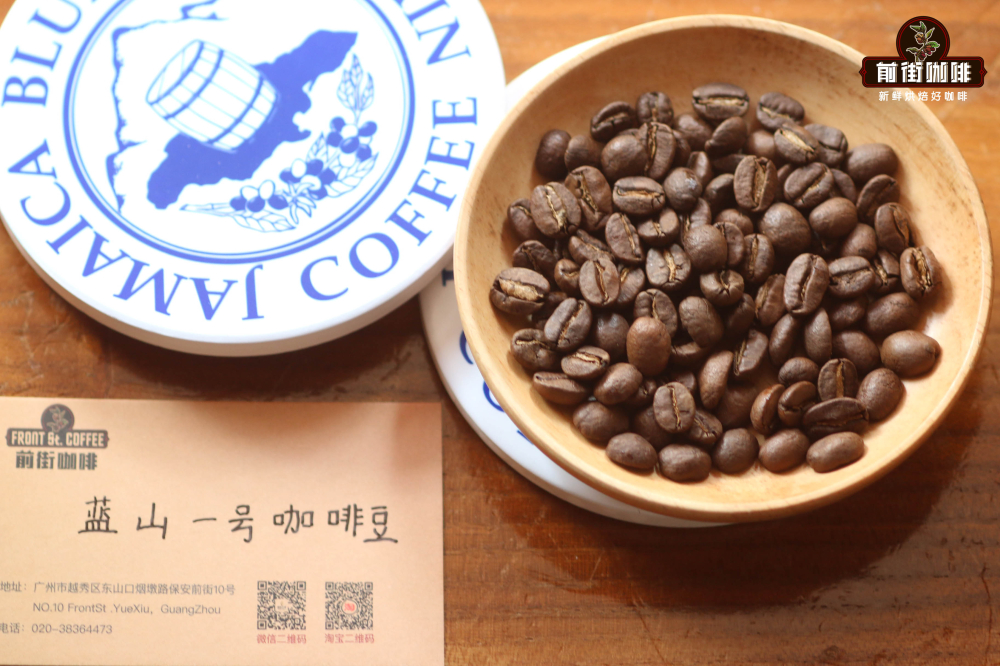
Like many traditional specialty coffees, Jamaica Blue Mountain coffee has a highly recognizable flavor profile. Most coffees popular on the market today take the acidic route, such as Geisha and Yirgacheffe, while Blue Mountain coffee takes a different path—balanced, rich, and full-bodied, combining acidity, sweetness, and bitterness—even coffee beginners can easily drink it.
The biggest characteristic of specialty Blue Mountain coffee beans: rarity
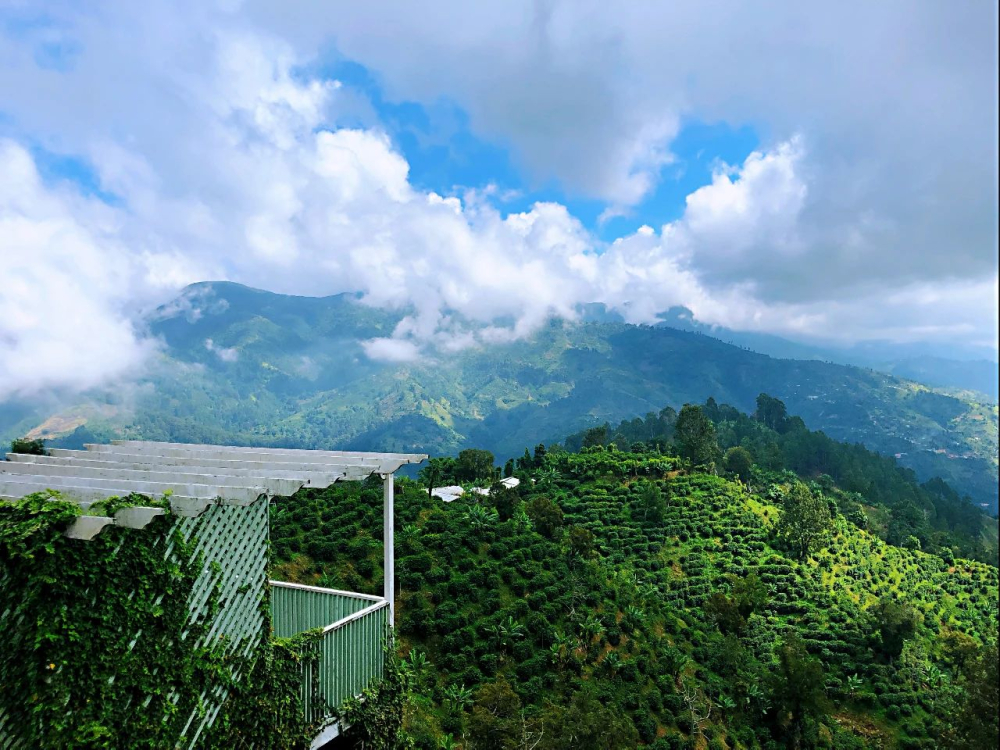
The Blue Mountains are surrounded by the Caribbean Sea, belonging to an island-type tropical rainforest climate. During the rainy season, rainfall is concentrated with excellent drainage conditions. Volcanic ash left by volcanic activity enriches the soil with nutrients, so coffee trees don't require excessive artificial irrigation and fertilization. The mountains are shrouded in mist, with a cool and pleasant climate—high-altitude growing areas are very suitable for crop growth. Local farmers often interplant coffee trees with banana trees on the slopes of the Blue Mountains.
The Jamaica Coffee Industry Board (CIB) has established extremely strict production standards. Only Arabica coffee grown in specific areas between 910 and 1,700 meters above sea level qualifies to be called Jamaica Blue Mountain coffee. These production areas are divided into four: St. Mary, St. Thomas, St. Andrew, and Portland, together accounting for only one-third of the entire Blue Mountain growing region, while the remaining two-thirds are used for Jamaica High Mountain coffee and Jamaica Prime coffee. Combined with the steep slopes that make manual harvesting difficult, production is further constrained. In recent years, less than 15% of Jamaica's coffee beans can bear the Blue Mountain coffee label.
Flavor characteristics of specialty Blue Mountain coffee beans
The high-altitude Blue Mountain environment creates a significant temperature difference between day and night, slowing the ripening of coffee cherries and ultimately producing a uniquely delicate aroma. Traditional Blue Mountain coffee typically uses the washed processing method, which ensures both consistency in coffee quality and a higher level of cleanliness in the cup.
The washed processing method works like this: after harvesting, fresh coffee cherries are first placed in a water tank for floatation, and the skin and pulp are removed by machine before fermentation begins. After fermenting overnight, a large amount of acidic substances is produced, then the parchment coffee is rinsed with clean water to remove the mucilage layer from the surface. The parchment coffee is then dried in the sun, and once the moisture content reaches the standard, it is bagged, stored, and sent for quality inspection. Since the outer pulp has already been removed before drying, the flavor is expressed more clearly and transparently. Roasted Blue Mountain coffee beans typically present classic chocolate, roasted nut, and cocoa notes. Front Street's Blue Mountain No.1 coffee uses a medium-dark roast and also carries flavor characteristics of toffee, cream, and caramel.
Strict grading of Blue Mountain coffee beans
The ability of Blue Mountain coffee to maintain such high quality and reputation is inseparable from the continuous efforts of the Jamaican government and the Jamaica Coffee Industry Board (CIB). The CIB's main responsibility is to promote, regulate, supervise, and guide the development of Jamaica's coffee industry, ensuring that exported coffee meets quality standards.
Before export, Blue Mountain coffee beans must undergo CIB inspection, certification, and grading. Coffee grade evaluation combines multiple factors including green bean size, color, roasting quality, aroma, cup quality, and screen size. Based on size specifications, they can be divided into four grades:
The Blue Mountain coffee purchased by Front Street belongs to the highest grade—Jamaica Blue Mountain No.1 coffee: defect rate under 3%, bean size above 17 screen, moisture content between 10% and 12.5%, uniform color and neat particles, belonging to an extremely rare top-tier batch. In addition, before export, Blue Mountain coffee must also undergo quality inspection by professional cuppers approved by the CIB to ensure its flavor has just the right acidity, sweetness, bitterness, body, and aroma.
Blue Mountain coffee beans that pass quality testing are shipped in handcrafted oak barrels, ultimately reaching roasters around the world. Compared to the burlap sacks commonly used in other production regions, the advantage of oak barrels is their ability to absorb and release moisture from inside and outside while blocking the escape of coffee aroma, keeping the coffee beans at a more stable moisture content and making the roasting process more controllable. Over time, the wooden barrel has become one of the symbols for identifying authentic Blue Mountain coffee.
In addition to the wooden barrel, Front Street's Blue Mountain No.1 coffee also comes with a quality certificate issued by the Jamaica Coffee Board, an authorized sales certificate issued by the Blue Mountain coffee producer, and a Jamaica Blue Mountain coffee certificate of origin.
Blue Mountain No.1 coffee pour-over reference
Dose: 15g coffee powder
Coffee-to-water ratio: 1:15
Water temperature: 88°C
Grind size: 75% passing through a No. 20 standard sieve.
Dripper: KONO dripper
Brewing method: three-stage pouring
First, rinse the KONO dripper with water so the filter paper adheres more tightly to the dripper, discard the water in the server, and add the ground 15g of coffee powder. Evenly wet the coffee bed with 30g of 88°C hot water, start the timer, and let it bloom for 30 seconds. The purpose of this step is to release carbon dioxide from the coffee, which helps with the stability of subsequent extraction while releasing aroma.
After 30 seconds, pour the second stage of hot water, starting from the center in circles with a slow small stream, stopping at 125g, keeping the stream as steady as possible and avoiding the edge of the filter paper. When the coffee bed drops to half the height of the dripper, pour the third stage using the same technique until 225g. After all dripping is complete, remove the dripper, swirl the server to mix the coffee, and it's ready to taste. Timing from the start of pouring, the extraction time is 2 minutes 00 seconds.
Front Street hopes every coffee lover can have a better brewing experience and fully appreciate the excellent flavor of Blue Mountain No.1 coffee, so we recommend using freshly roasted coffee beans for brewing. Coffee beans undergo a 4 to 7 day degassing and resting period after roasting. Front Street promises to only ship coffee beans freshly roasted within 5 days, ensuring that when you receive them, they are at their peak flavor period.
For professional coffee knowledge exchange and more coffee bean information, please follow Coffee Workshop (WeChat public account: cafe_style)
For more specialty coffee beans, please add private WeChat Front Street Coffee (FrontStreet Coffee), WeChat ID: qjcoffeex
The above content is compiled by CoffeeHunters, a coffee news website.


