







What Words to Describe Coffee Smell Fit Yirgacheffe?
Words to describe coffee smell for a washed Yirgacheffe G1 include jasmine, citrus, ripe strawberry, tropical fruit, berries and honey. The floral and fruity profile comes from the variety and a medium-light roast, which keeps acidity soft and the finish sweet. That combination is why the cup reads clean rather than sour or astringent for pour-over drinkers.
Yirgacheffe acidity is often described as citric, so does coffee have citric acid in this case? The perceived brightness traces to the bean's organic acids and roast level rather than added acid. Brewing with a V60 and a three-pour method, holding water temperature and pour timing steady, softens the sharp edge beginners notice and keeps the sweet, easy-drinking character intact.
Yirgacheffe, as one of Ethiopia's most representative specialty coffees, is world-famous for its floral and fruity acidity flavors. However, many beginners find it too sour, which is actually closely related to the roast level and brewing method. This article takes the washed Gedingding produced by Front Street Coffee as an example to provide an in-depth analysis of the flavor characteristics and brewing techniques of this G1-grade Yirgacheffe. From the soft acidity and sweet finish brought by a medium-light roast, to the specific parameters of the V60 three-pour method, and then to the technique and timing of each pour, everything is explained in detail. Whether you are a beginner just getting into pour-over or a coffee lover looking for an everyday staple bean, this content can help you better understand and enjoy Yirgacheffe.
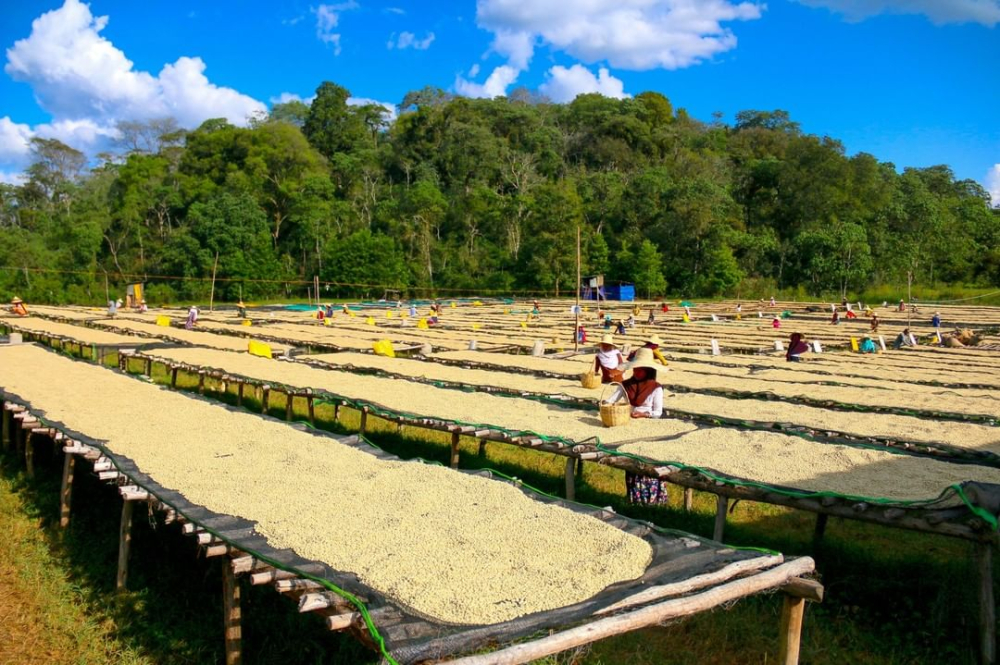
When African coffee is mentioned, the first thing that often comes to mind is Ethiopia—the birthplace of coffee. Citrus, citric acidity, jasmine, ripe strawberry, tropical fruit, berries, and honey are all high-frequency words used to describe the flavors of Ethiopian coffee beans. Among the many producing regions, Yirgacheffe has the biggest reputation, and its flavor has almost become synonymous with specialty coffee.
The reason Yirgacheffe has swept the world is inseparable from the push of the specialty coffee wave after the millennium. With its floral and fruity acidity and citrus notes, it set a flavor benchmark that overturned tradition. In an era when dark-roasted espresso dominated, the public's understanding of coffee flavor did not include sourness at all, let alone citrus or fruit notes. Today, Yirgacheffe and Mandheling stand side by side as introductory varieties for coffee tasting, are typical representatives of floral and fruity coffees, and paved the way for the later rise of Kenyan coffee and Panama Geisha.
For beginners just starting out, whether or not they have already developed an interest, as long as they want to understand Ethiopian coffee or African coffee, Yirgacheffe is an unavoidable stop. It is refreshing in taste, easy to drink with no burden on the palate, and also affordable, making it completely suitable as an everyday household staple.
If you are trying it for the first time, it is recommended to buy the washed Gedingding from Front Street Coffee's Yirgacheffe series. Front Street Coffee Gedingding is a washed specialty Yirgacheffe that reaches G1, the highest grade for Ethiopian green beans, which means there are no more than 3 defective beans per 300 grams of green beans, so its cleanliness is outstanding.
Many people think Yirgacheffe is too sour, mainly for two reasons: one is that the roast level is on the lighter side, and the other is that something went wrong during brewing.
In order to fully display its delicate fragrant aroma and bright acidity, Front Street Coffee Gedingding uses a medium-light roast, which can present a soft acidity and comes with natural sweetness. In terms of dry aroma, it gives off fresh passion fruit, citrus, and berry acidity; the wet aroma shows citrus and berries, and on the palate there is citrus acidity, berry sweetness, almond, and tea-like notes, with a honey-like sweetness in the finish.
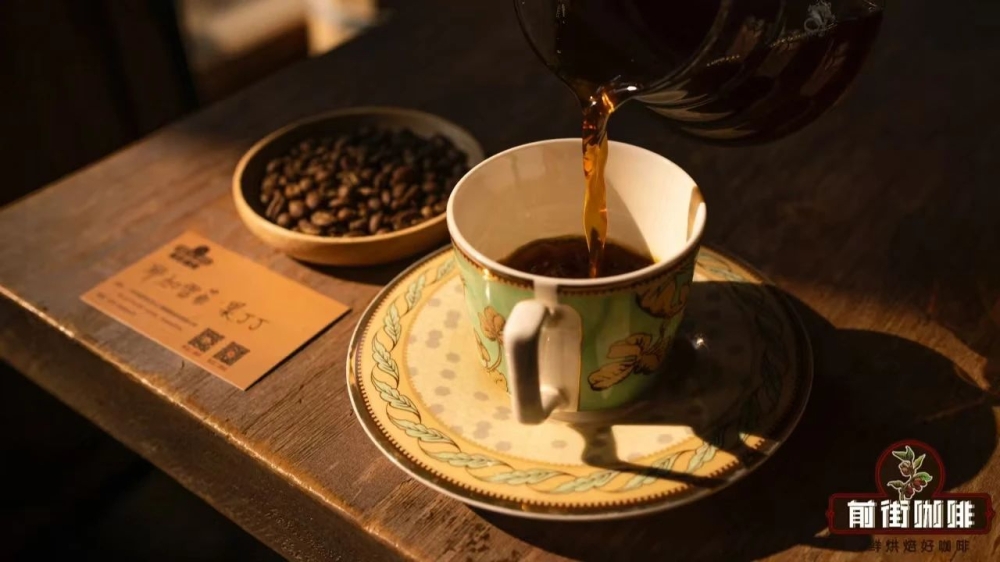
Brewing parameters for Front Street Coffee washed Gedingding
Dripper: V60 Water temperature: 92-93°C Dose: 15g Coffee-to-water ratio: 1:15 Grind size: fine granulated sugar size (screened with a No. 20 sieve bowl to 78%)
Pouring method: three-pour method
If using 15 grams of coffee powder, at a 1:15 coffee-to-water ratio, the total water amount is 225 ml. The three pours are 30 ml, 95 ml, and 100 ml, corresponding to 30 grams, 125 grams, and 225 grams on the scale.
First, place the folded filter paper into the dripper and fit it in place, then rinse it with water so it adheres better to the dripper. Prepare hot water and a thermometer, and at the same time pour 15 grams of ground coffee into the dripper and zero the scale.
For the first pour, add 30 grams of water to bloom for 30 seconds. Start timing as you pour, using a small stream the whole time and circling from the center outward, making sure the entire coffee bed is moistened.
After 30 seconds, switch to a slightly larger but steady stream to pour the second stage of 95 grams of water, with the aim of raising the overall coffee bed. The stream should be poured vertically and evenly. At this point the timing scale shows 125 grams, and it is completed at about 55 seconds.
When the liquid level drops to the halfway point, begin pouring the third stage of 100 grams with a thin stream in a small circle. Be careful not to make the circling too wide, otherwise it is easy to disturb the coffee bed and cause under-extraction. The final total poured water amount is 225 grams, and the drip finishes at about 2 minutes. After removing the dripper, swirl the coffee in the server to mix it evenly, and it is ready to taste.
The above content is compiled by CoffeeHunters, a coffee news website.


