








What Does Arabica Meaning Refer to in Ethiopian Coffee?
Ethiopian coffee bags often list the variety simply as Heirloom, a catch-all term for the country's local heritage Arabica plants, known locally as landraces. Estimates put Ethiopia's unidentified native coffee types at roughly 10,000 to 15,000. Many still grow wild and were later brought onto farms, where they are planted, picked, and processed like any other crop.
The word Arabica traces back to the species Coffea arabica, and its name is tied to Arabica coffee's historical spread from Ethiopia to the Arabian Peninsula. Oxford defines heirloom as a valuable object kept in a family for generations, and in coffee the term covers long-standing varieties. Age rules vary, with some saying one hundred years and others fifty, while JARC-bred numbers mark specific selections.
When you look at the origin information on a bag of Ethiopian coffee beans, the variety column often says "Heirloom." What exactly does this mean? It is actually a general term for Ethiopia's local heritage varieties, and it is estimated that there are tens of thousands of native coffees there that have not yet been formally identified. This article will systematically sort out the difference between Heirloom and Landrace, from the meaning of the terms, classification, and flavor performance to naming trends, and also introduce the meaning of the numbers in JARC-bred varieties. It also combines several coffees from Front Street Coffee to explain why Ethiopian beans vary in size and why their flavors change from year to year, helping you understand the variety diversity of this birthplace of coffee more comprehensively.

When drinking Ethiopian coffee, the citrus and floral notes in the cup often make people curious, and they cannot help but look at the origin information on the bean bag. But when they see "Heirloom" in the variety column, many people wonder: what kind of coffee does this refer to? Today, Front Street Coffee will talk about Ethiopian coffee varieties.
How should the word "Heirloom" be understood? The Oxford English Dictionary explains it as "a valuable object that has belonged to a family for several generations," that is, a "family heirloom." In the context of coffee, this term is broadly used to refer to old Arabica varieties that have existed for a long time, and in Chinese it is usually translated as "local native species."
But in Ethiopia, so-called "local native species" more often refers to varieties indigenous to the country, many of which can still be found in the wild. Some estimates suggest that Ethiopia is currently home to about 10,000 to 15,000 heirloom varieties, most of which have not undergone formal genetic identification.
Many heirloom varieties initially survived in the wild and were later introduced to specialty coffee farms across the country, where they were planted, harvested, and processed.
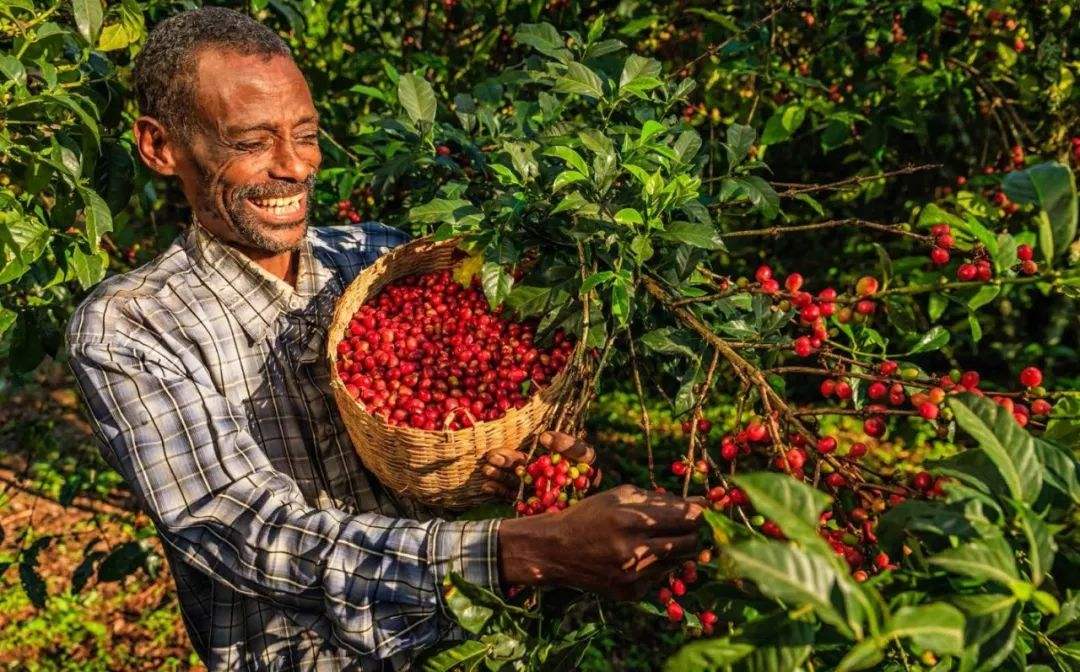
"Ethiopian native species (Heirloom)" describes an ancient plant variety cultivated for human consumption. As for the age requirement, some believe it must be more than one hundred years old to count as an heirloom, while others think fifty years is enough. Still others divide it by time points, such as before the introduction of hybrid varieties in 1945, or when hybrids became more widespread in 1951.
Local native species can generally be grouped into two categories: JARC varieties and regional landraces. The former are developed and studied by the Jimma Agricultural Research Center and often have ideal traits such as stronger disease resistance or higher yield; the latter are coffee trees that grow entirely in the wild.
In Ethiopia, there is also a "semi-forest system," in which the larger forest areas are usually owned by private groups.
The biggest challenge facing local native species is that most exist in the wild, and farmers find it difficult to identify and separate specific varieties in the field; on farms, however, pickers and producers can better distinguish among varieties. These tens of thousands of Ethiopian heirloom varieties, whether identified or not, differ in yield, cup quality, flavor, and disease resistance.
So when you see Ethiopian coffee beans with uneven size and appearance, it does not mean poor quality. Instead, it means that many different varieties are mixed together, and uneven size is perfectly normal. If you want to experience the characteristics of Ethiopian coffee, buy a bag of native-species beans and observe them yourself. Front Street Gundung Cooperative, Front Street Natural Red Cherry, and Front Street Kafa Forest are good first choices.

Moreover, the flavor of Ethiopian beans usually fluctuates more from year to year than beans from other producing countries. The most typical example is Front Street Sidamo Natural Huakui coffee beans: the 2017 Huakui was known for its strawberry flavor, but even though later Huakui came from the same producing region, the strawberry flavor became weaker and weaker. By Huakui 5.0 in 2021, its flavor characteristics were already very different from the 2017 batch.
The Ethiopian authorities have also realized that using the general term "Heirloom" for a long time is not a sustainable solution, but separating and classifying the varieties in coffee forests one by one is not very realistic. As a result, Ethiopian coffee beans exported today are gradually switching to the term "Landrace."
Landrace refers to local varieties: plants that have historical origins, unique characteristics, rich genetic diversity, can adapt to the local environment, and fit with farmers' field management. Take Yirgacheffe as an example. It is likewise difficult to distinguish specific varieties, yet it has formed distinctive flavors because it has long adapted to the local terroir. Local people are also accustomed to using "Kurume" to refer to the coffee varieties in the Yirgacheffe area. Similar cases include local varieties such as Dega and Walisho in Sidamo.
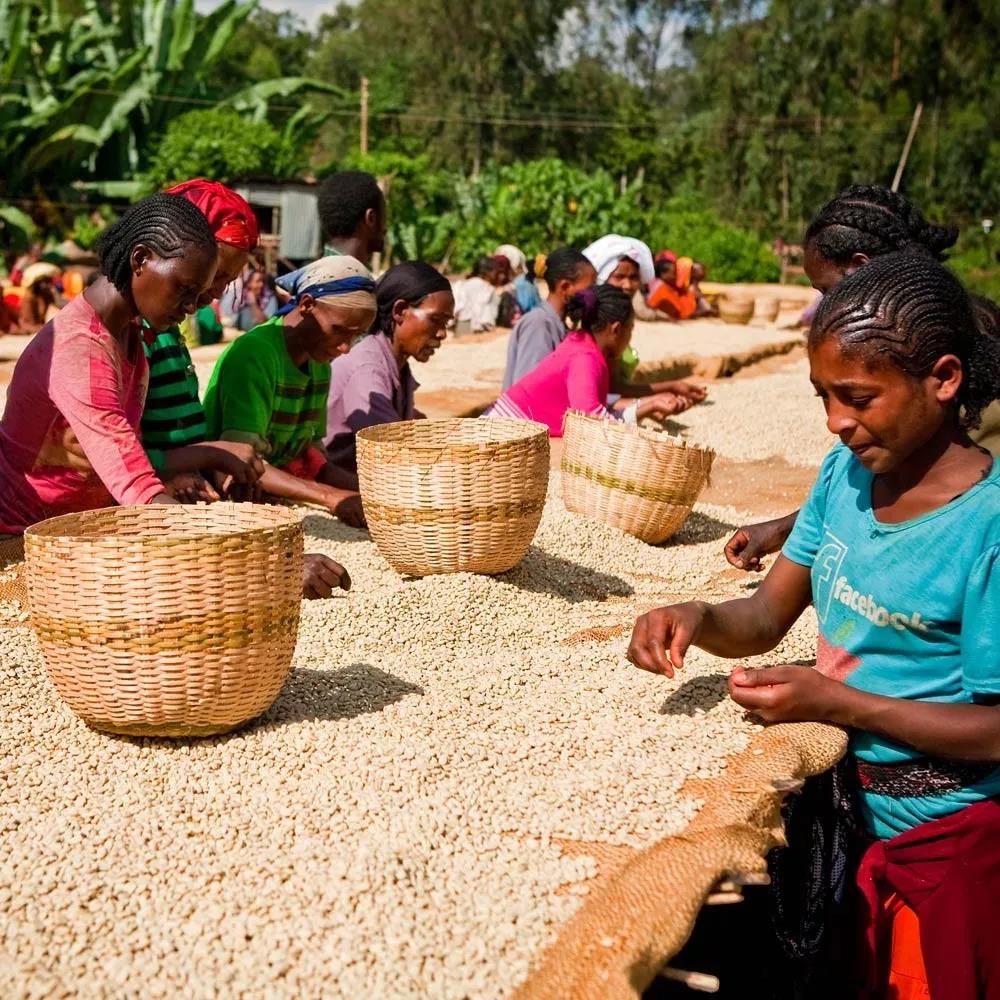
Of course, in addition to these geographically named varieties, Ethiopia also conducts screening and research on coffee varieties. For example, the "numbered" varieties such as 74110, 74112, and 74158 that have often appeared in green bean competitions in the past two years are actually JARC varieties bred by the Jimma Agricultural Research Center. Among these five digits, the first two represent the year the samples were collected and classified and selected, and the last three are the coffee number of the classification and selection. For example, 74110 is variety number 110 selected in 1974.
Therefore, in the future, in the variety column of Ethiopian coffee beans, Heirloom will appear less and less frequently, and will be replaced by Landrace, as well as those coffee varieties that have already been clearly named.
The above content is compiled by CoffeeHunters, a coffee news website.


