







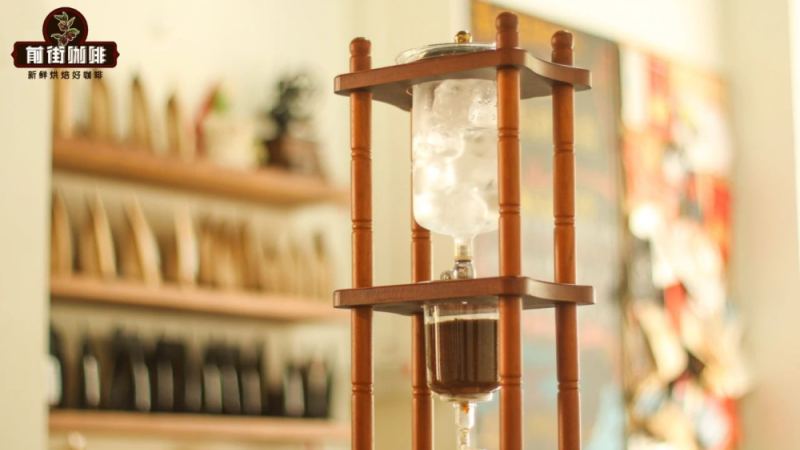
How do cold brew coffee beans from Brazil perform in a drip tower?
Medium-dark roasted beans suit cold drip extraction because they hold up over long, slow contact with cold water. Using Brazil Queen's Estate as the example, a 1:10 ratio of 60g coffee to 600ml ice water, a coarse-sugar grind, and a drip speed of 7 drops per 10 seconds produces a smooth cup with chocolate, nut, and peanut aromas.
The method starts with a wetted circular filter paper in the powder cup, 60g of leveled grounds, and a second filter paper on top so water spreads evenly instead of pitting the bed. Ice water wets the whole layer like blooming. After brewing, the coffee rests sealed in the refrigerator for oxidation before tasting. Brazilian coffee production supplies many beans used this way.
Cold brew drip coffee is a popular cold extraction method in hot seasons, and choosing the right beans often determines the quality of the final product. This article uses Front Street Coffee's Brazil Queen's Estate beans as an example, detailing the key parameters for cold drip production such as ratio, grind size, and drip speed, and explains step by step the complete process from laying the grounds, wetting, to refrigerated oxidation. At the same time, the article will answer why medium-dark roasted coffee beans are more suitable for cold drip, and the chocolate, nut, and peanut aromas that Queen's Estate cold drip ultimately presents, with a smooth mouthfeel, low acidity, and a sweet aftertaste. If you are looking for a bean suitable for cold drip, or want to improve the consistency of cold drip extraction, this content will provide specific and actionable references.
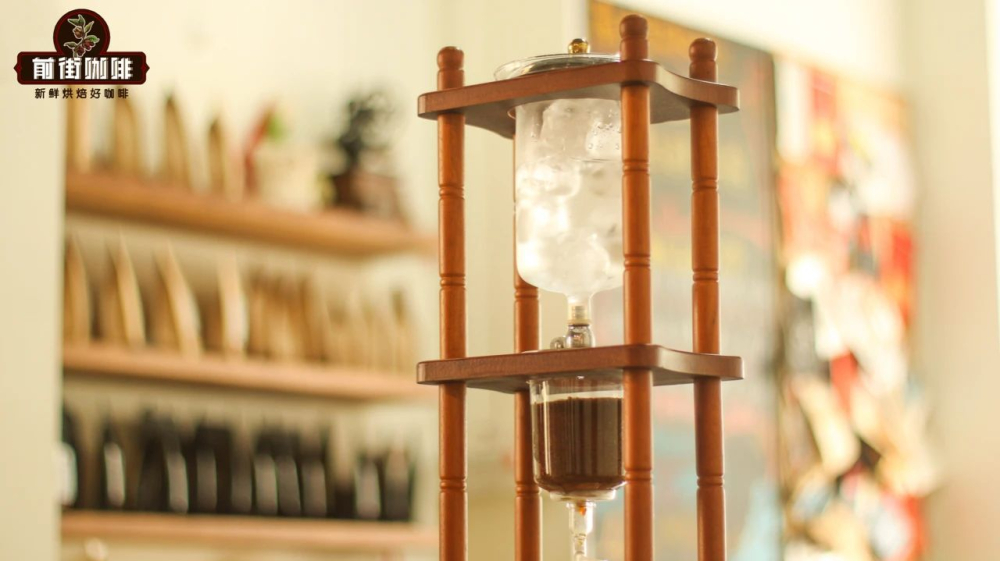
Front Street Coffee Cold Drip Production Parameters
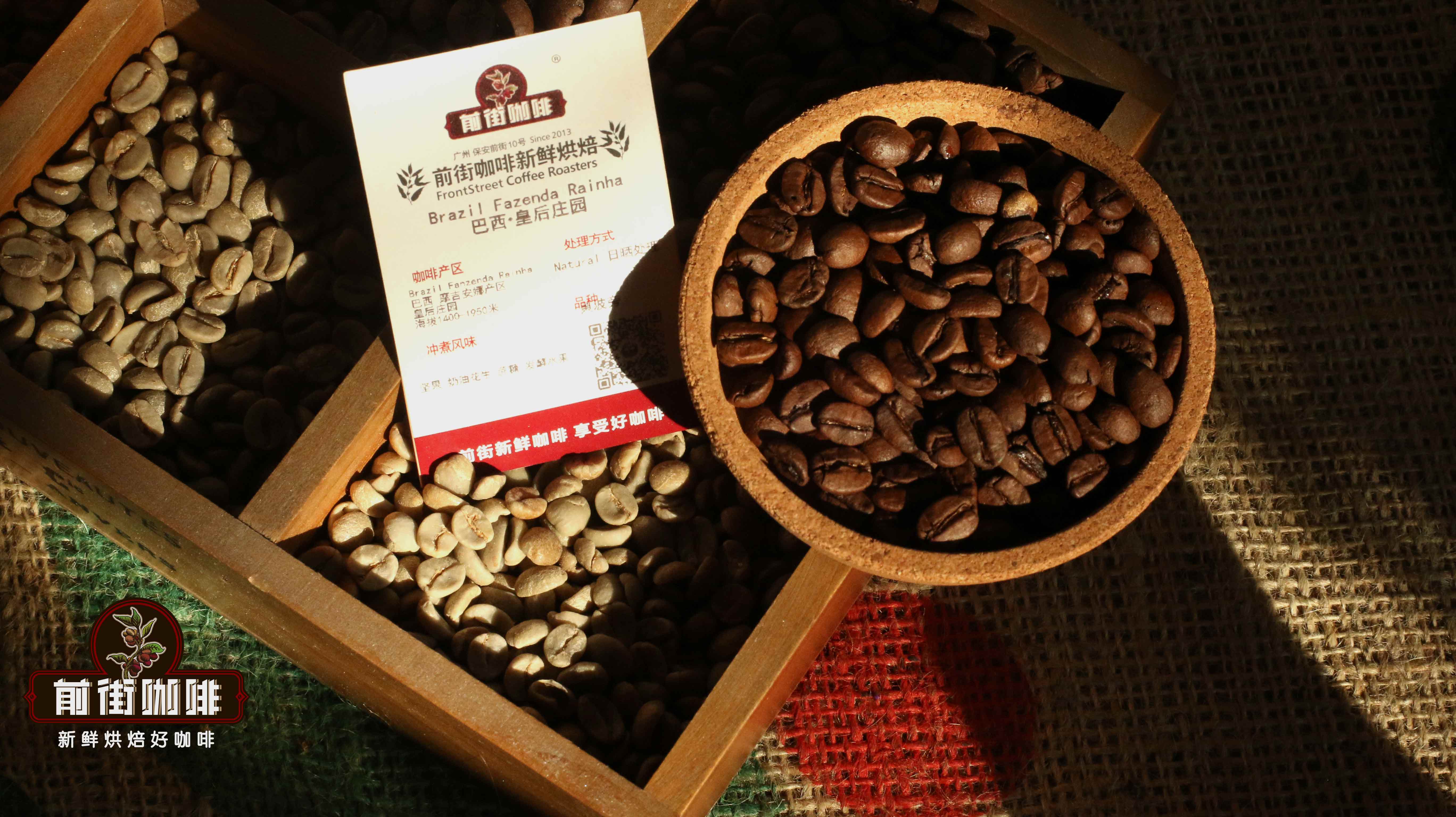
Coffee beans: Front Street Queen's Estate Coffee Ratio: 1:10 (60g coffee grounds to 600ml ice water) Ice water preparation: 1:1 edible ice and edible water Grind size: coarse sugar size (just a little coarser than medium roast pour-over grind size will do)
Front Street Coffee Cold Drip Coffee Steps
1. Place a circular filter paper at the bottom of the powder cup, wet it with water so it adheres to the cup wall, add the ground 60g coffee powder, then shake it flat to level the coffee surface. You can also use the weight of the tamper itself to lightly press the powder layer, making the surface flat.
2. Lay a piece of filter paper on top of the coffee powder layer. Because the tension of the filter paper can make water evenly distribute across the surface of the coffee powder layer for extraction, if there is no filter paper, prolonged water dripping will create a pit in the powder bed.
3. Use ice water to wet the entire powder layer. This step is like the blooming in pour-over, which can improve extraction effectiveness and consistency of the final product.
4. Add 1:1 ice water mixture to the dripping bottle, adjust the speed at which water drops fall. Front Street recommends a drip speed of 7 drops per 10 seconds.
5. After production is complete, pour into a sealed, clean, water-free and oil-free bottle and place in the refrigerator for oxidation, allowing the flavor molecules of the cold drip coffee to be released before tasting.
Queen's Estate Cold Drip Coffee Flavor: rich chocolate, nut, and peanut aromas, smooth mouthfeel, low acidity, with a sweet aftertaste.
The above content is compiled by CoffeeHunters, a coffee news website.


