








What defines an Americano coffee and how should it be served?
Americano coffee is a black coffee made by diluting espresso with hot water. The practice began during World War II, when American soldiers in Europe found local espresso too strong and thinned it with hot water. A well-made version shows slight acidity, a hint of sweetness, aroma, and a lasting finish rather than plain bitterness.
Preparation is quick: dose into the portafilter, distribute, tamp, and pull the shot, then add hot water. The espresso-to-water ratio and the choice between hot and iced versions change the balance. Adding sugar is a personal decision, and since dilution is already an adjustment, sweetening a diluted espresso is no stranger than the water itself.
Americano is the most common member of the black coffee family and, in many cafés, the most popular choice after milk coffee. It originated during World War II, when American soldiers diluted espresso with hot water, and the practice was gradually accepted around the world. A good Americano should not taste only bitter; it should also have a slight acidity, a touch of sweetness, aroma, and a lasting finish. This article will walk you through the origins of Americano, how it is made, the ratio of espresso to water, the difference between hot and iced Americano, and introduce several espresso blends that Front Street Coffee has specially designed for Americano.
For more specialty coffee knowledge, please follow: Front Street Coffee ( Frontsteet Coffee )
When scrolling through your phone, you often come across a dark drink in celebrity street-style photos—that is what everyone calls Americano. Some friends wonder: is Americano a black coffee? The answer is yes, it is a type of black coffee, and in cafés, aside from milk coffee, Americano is almost the most frequently ordered item.
How did Americano come about? It traces back to World War II. American soldiers were sent to Europe to fight, and the coffee the locals drank was strong and thick, with too concentrated a flavor. The American soldiers really could not get used to it, so they came up with a solution: diluting the espresso with hot water. This practice was later kept. Europeans themselves preferred thick, strong coffee and even looked down somewhat on diluting espresso; on top of that, since it was invented by Americans, they named it Americano—which means American-style coffee.
Bitterness is something people are naturally not too fond of, so many cannot accept the intense kick of espresso. Yet some are unwilling to give up the charm of black coffee, so they turn to Americano. After dilution with water, the acidity, sweetness, and bitterness in the espresso are evened out, making it much smoother, and you can slowly sip for a while longer, enjoying it at your own pace. A good Americano should not have only bitterness in its flavor and character; it should also carry a little acidity, a little sweetness, plus the coffee's aroma and a lasting finish.
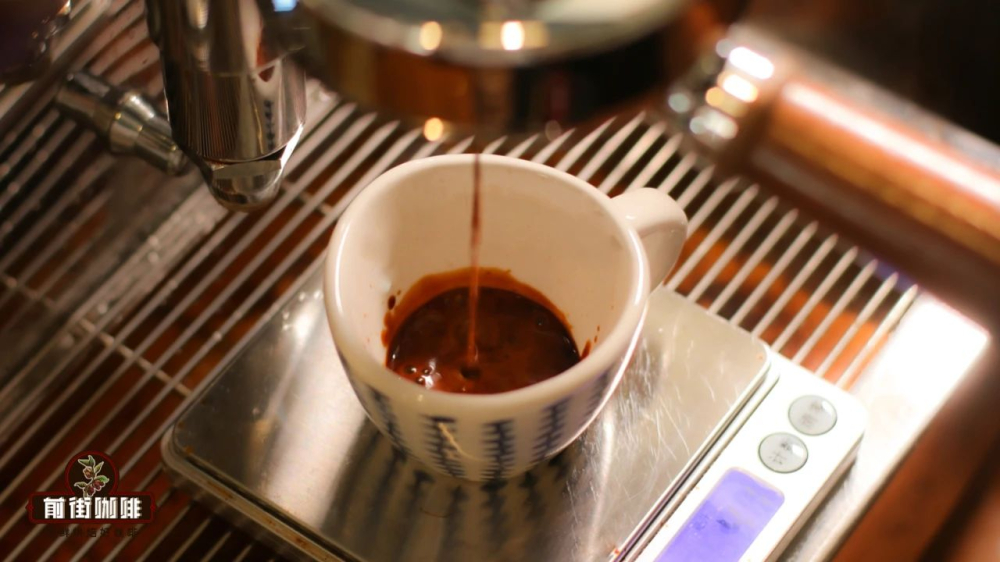
Friends who frequent cafés will easily notice that making an Americano is actually very quick. Just dose the coffee into the portafilter, distribute the grounds, tamp, then lock the portafilter onto the group head of the espresso machine, press the switch, and a rich, smooth espresso with fine crema comes out. The remaining step is simply the barista pouring this espresso into hot or iced water, and it's done.
Seen through a transparent cup, Americano is a light, clear liquid, but making a delicious Americano actually tests the barista's extraction skills, and even more so the quality of the coffee beans.
To make good coffee more easily accessible to the public, Front Street Coffee has always been searching for higher-quality coffee beans. Some friends also ask: with pour-over coffee, you only need to figure out which region's keynote you like; but if it is for making Americano, what Americano coffee beans are recommended? Generally, the beans used for espresso are blends of two or more single-origin coffees, in order to achieve a more balanced flavor and mouthfeel. Front Street has specially designed four blend recipes suitable for extracting espresso. In addition, so that everyone can experience coffee at its most vibrant, Front Street roasts fresh, portions immediately, seals, and labels the date—all so that every cup in front of you is of higher quality.
Friends who have visited Front Street Coffee's store know that Front Street has always used an espresso blend with a rich vinous aroma—that is the Sunflower Warm Sun blend.
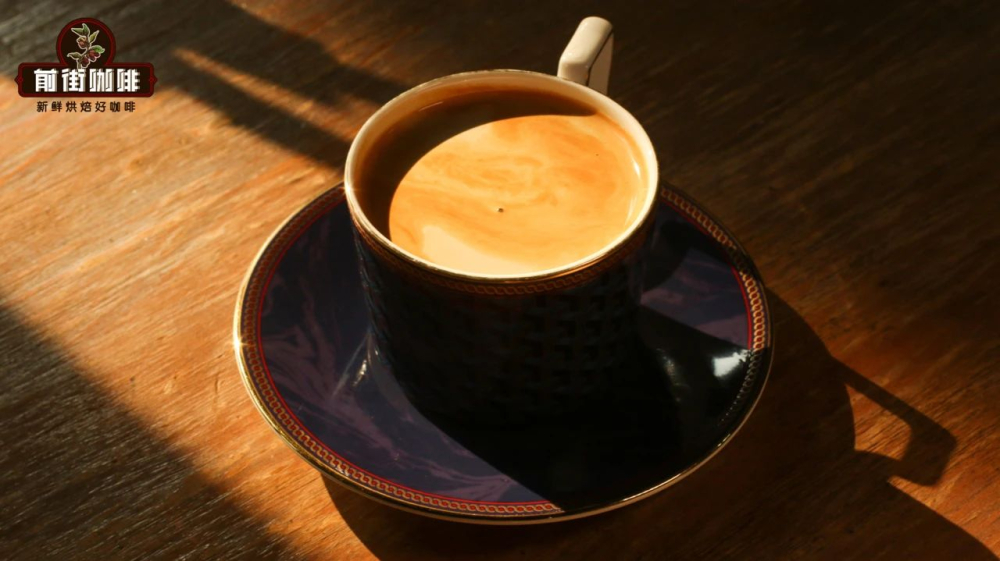
Front Street Sunflower Warm Sun Blend Coffee Beans
Region: Honduras & Ethiopia
Variety: Caturra, Catuai, Pacas, local heirloom varieties
Processing: Washed & Natural
For friends who like mellow, aromatic coffee, Front Street Classic Espresso Blend is recommended. This is a recipe combining three origins—Brazil, Indonesia, and Vietnam—using a dark roast to highlight the coffee's mellow aroma to the greatest extent, and to let everyone easily extract rich, dense crema. Whether for an Americano diluted with water or a latte paired with milk, it is very suitable.
Front Street Classic Espresso Blend Coffee Beans
Region: Indonesia, Brazil, Vietnam
Variety: Ateng, Bourbon, Robusta
Processing: Washed, Semi-washed
The espresso extracted from Front Street Warm Sun Espresso Blend has a very rich whisky aroma. After the temperature drops slightly, the entry offers flavors of vanilla, cream, and chocolate, along with the berry-like acidity brought by Ethiopian natural red cherry.
Some avid coffee lovers will add coffee machines at home, even espresso machines. But with the machine in hand, how do you make a cup of Americano? And what is the Americano ratio? In traditional Americano, the ratio of espresso to water is 1:8. However, this ratio does not apply to all coffee beans. When Front Street Coffee uses Sunflower Warm Sun Espresso Blend to make hot Americano, the ratio is between 1:5 and 1:6. This ratio better highlights the vinous charm and cocoa finish of the Warm Sun blend while retaining a certain richness.
If making iced Americano, the ratio is the same, but note that the ice will melt, and the resulting water will further dilute the coffee, so the amount of ice should also be counted into the water.
Some friends who want to drink Americano also often struggle with the question: which is better, hot Americano or iced Americano? What is the difference? Regarding molecular thermal motion, there is a saying: the higher the temperature, the more intense the molecular thermal motion. The aroma molecules in hot Americano are also more active and easier for us to perceive. Iced Americano, because of the ice, is at a lower temperature and tastes more refreshing. If you want to taste the coffee's rich aroma, try it hot; if you want something cool and refreshing, choose it iced.
To appreciate an Americano, mainly smell the coffee's aroma before drinking, then take a sip and let the coffee linger slightly in your mouth to feel the mouthfeel and acidity, and the finish and sweetness after swallowing—these are all criteria for judging whether a cup of coffee is good or not.
The above content is compiled by CoffeeHunters, a coffee news website.


