








How Does the Bialetti Moka Pot Brew Coffee?
The Bialetti moka pot, created by Alfonso Bialetti in 1933, brews coffee by steam pressure: water heated in the lower chamber is pushed up through the coffee grounds and into the upper chamber. The result is a strong, oily cup with both acidity and bitterness. Its strengths are a compact, lightweight build and easy operation; its limits are the flavor ceiling and the care aluminum models demand.
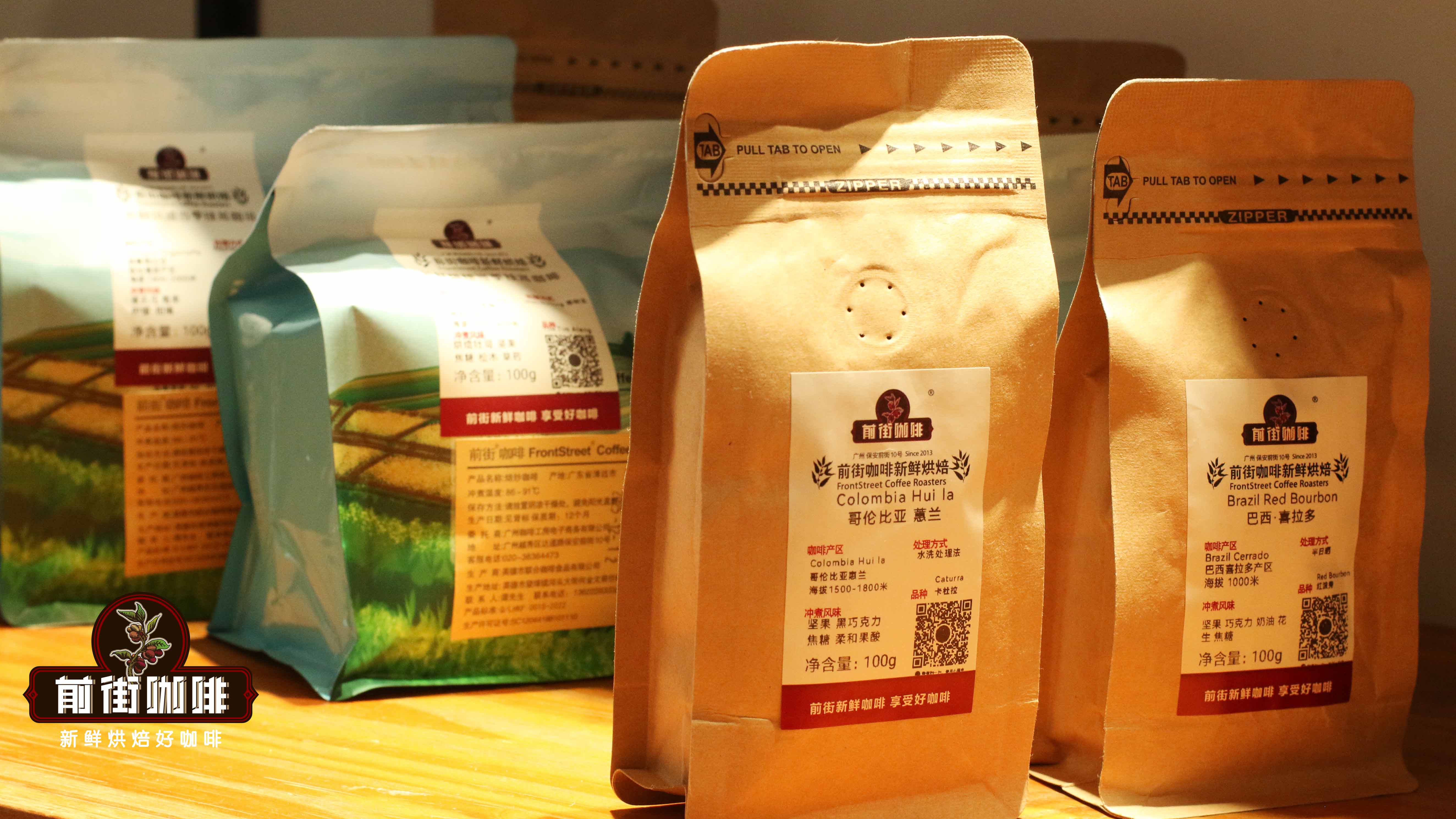
Early moka pots were aluminum alloy, prone to scratches and usable only over an open flame, so most models now use stainless steel, which also works on induction. Water volume, moka pot coffee grind size, and heating rhythm shape the cup. Medium to dark roasts, such as Front Street Huila, suit the brewer's pressure-driven extraction.
The moka pot has once again drawn attention thanks to Bialetti's launch of a new generation of pressurized models. How does this brewing device, said to be a must-have in every Italian household, actually perform? This article will begin with the invention background and material evolution of the moka pot, analyze its working principle of extracting coffee using steam pressure, and objectively review its advantages and disadvantages in terms of ease of operation and flavor ceiling. It will then break down in detail the complete steps for brewing coffee with a moka pot, including key aspects such as water volume control, grind size selection, filling the filter basket, and heating rhythm. At the same time, it will offer recommendations on the suitable roast level of coffee beans for the moka pot and list a recommended bean lineup including Front Street Red Bourbon, Front Street Huila, Front Street Mandheling, Front Street Classic Blend, and Front Street Commercial Blend, helping coffee lovers easily make a rich, oily cup of moka pot coffee at home.
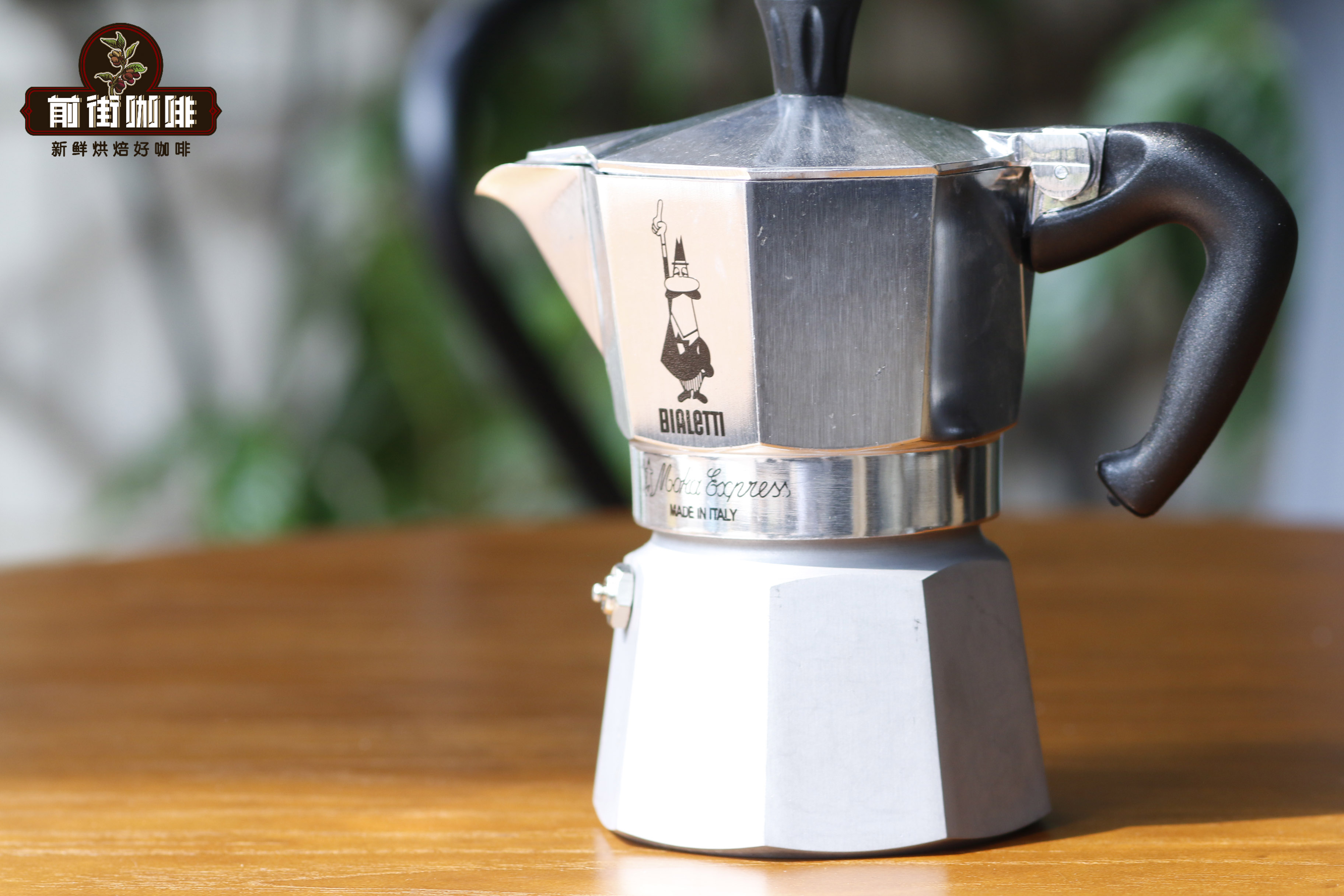
After Bialetti launched a new generation of pressurized moka pots, this category has once again become a hot topic of discussion. Many people are actually not very familiar with the moka pot as a brewing tool, so it is worth taking advantage of this wave of attention to get to know this coffee device found in almost every household in Italy.
The moka pot was created by the Italian Alfonso Bialetti in 1933. Early products were mostly made of aluminum alloy, whose surface was prone to scratches, and they were only suitable for heating over an open flame and could not be used with induction cookers. For this reason, most moka pots on the market today have switched to stainless steel.
The mechanism by which a moka pot extracts coffee is not complicated. The core lies in the steam pressure generated after the lower chamber is heated. When the pressure is sufficient to penetrate the coffee grounds layer, hot water is pushed up into the upper chamber. Coffee obtained in this way has a strong mouthfeel, with both acidity and bitterness, and an oily layer on the surface.
Therefore, the most prominent advantage of the moka pot is that it is compact, lightweight, and has a low barrier to operation. Even an ordinary Italian housewife can easily master the essentials of brewing coffee with it, and it is very easy to brew coffee with a rich aroma and golden crema. However, its shortcomings are equally prominent: the flavor ceiling of coffee made with a moka pot is relatively low. It is neither as layered, bright, and transparent as pour-over, nor as rich and delicate as espresso. Therefore, specialty coffee shops almost never choose moka pots, but as a home coffee tool, it fully deserves a perfect score.
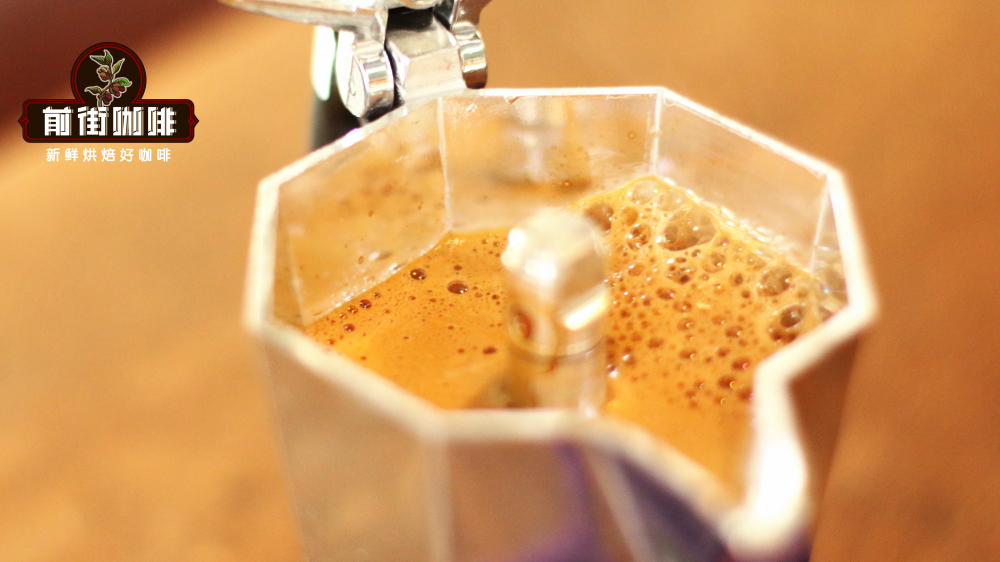
How do you brew coffee with a moka pot?
The equipment you need to prepare includes: a moka pot, a gas stove with a rack or an induction cooker, a grinder, water, and most importantly, fresh coffee beans.
What coffee beans are suitable for a moka pot: Similar to espresso, the coffee liquid extracted by a moka pot is thick and strong, so it is more suitable for beans with heavier flavor expression; in addition, pressure extraction easily produces coffee crema, so it is recommended to prioritize medium-dark roasted coffee. Below are popular recommendations for moka pot coffee beans:
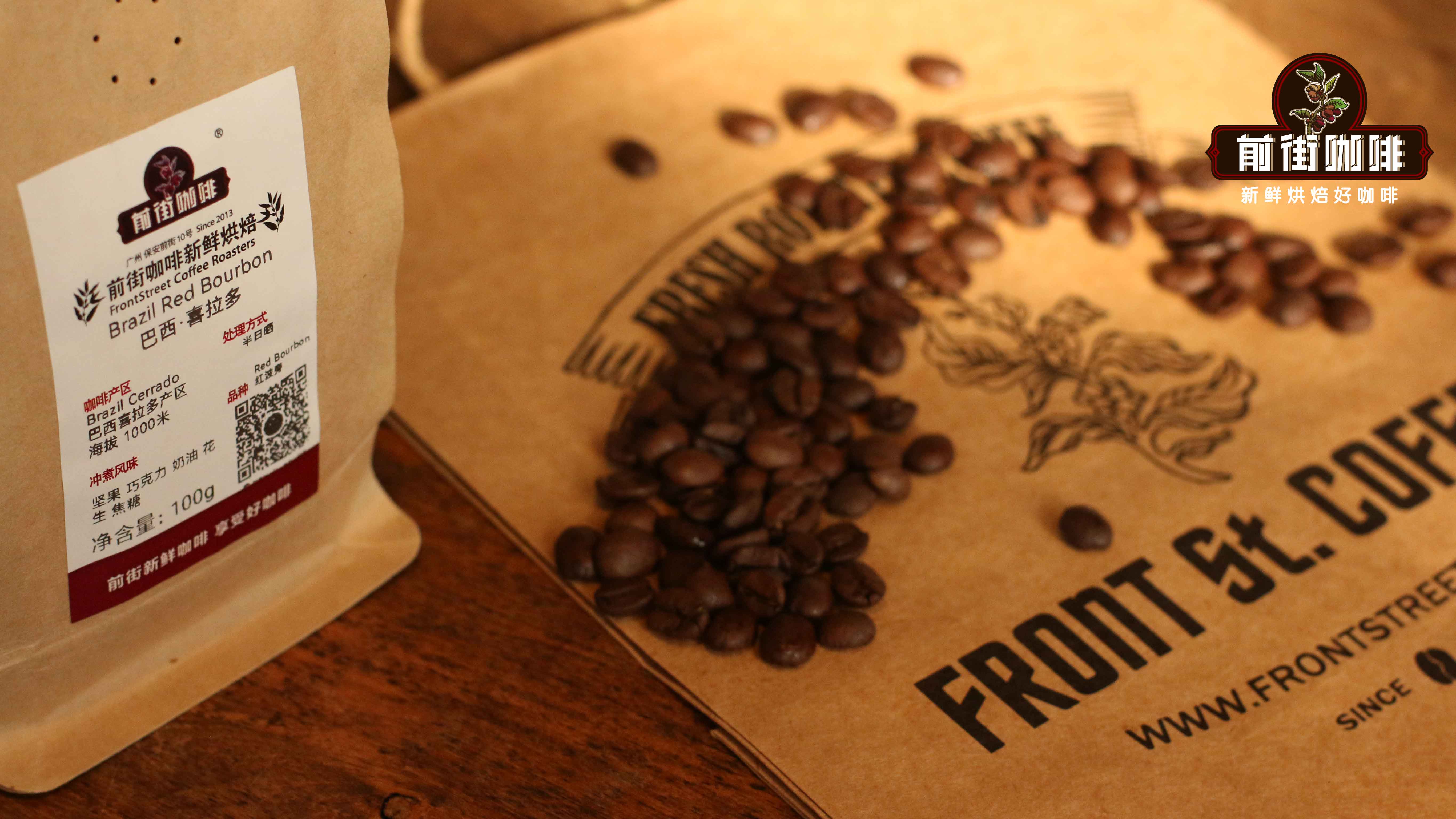
① Brazil (South America) Front Street Red Bourbon Coffee: The entry is mellow, with a neutral tone. It can be used directly to brew moka pot coffee, with medium acidity and obvious nutty aroma. It is known for its balanced taste, and can also be added to milk to make a latte, rich and smooth;
② Front Street Huila Coffee: The mouthfeel is full and solid, with pleasant acidity. The aroma is mellow, the acidity is moderate, and the sweetness is rich and thought-provoking. It is suitable for deep roasting and can give off a strong fragrance.
③ Front Street Mandheling Coffee: It has a unique herbal spice aroma. Because it is often deep roasted, it is bitter with a sweet aftertaste. Using Mandheling to make moka pot coffee gives a strong mouthfeel, with a prominent caramel flavor, leaving a deep impression.
④ Front Street Classic Blend Coffee: It uses deep roasting to maximize the mellow aroma of the coffee, and also allows people to easily extract rich, dense coffee crema. It can be diluted with water into an Americano, paired with milk to make a latte, or used to make specialty coffee. It is a bean with extremely high cost performance and can be purchased in the Front Street Taobao store or the Front Street Tmall flagship store.
⑤ Front Street Commercial Blend Coffee: Deep roasted, it can restore the taste of coffee shop products to the greatest extent. Also because of its rich crema, it is very suitable for moka pot extraction. Whether made into an Americano or a latte, it will present a rich aroma profile.
1. Pour purified water into the lower chamber of the moka pot, controlling the water level at about 0.5 cm below the safety valve. If you do not want the coffee to be too strong, you can appropriately add more water, but it must never exceed the safety line marked on the pot body. If the moka pot you bought has no marking, be sure to remember that the water level must not be higher than the safety valve, otherwise it will create a safety hazard and also cause great damage to the pot itself.
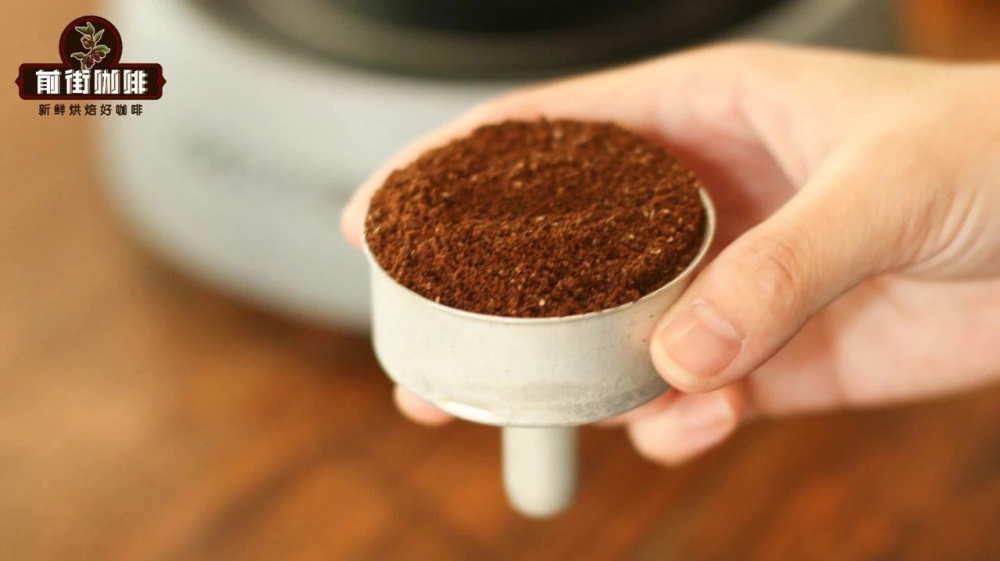
2. The coffee grind should be slightly coarser than for espresso. You can refer to the size of the gaps in the filter basket mesh to ensure that the coffee particles will not fall into the lower chamber. Slowly pour the coffee grounds into the filter basket and tap gently to distribute them evenly. After the coffee grounds form a small mound, use leveling techniques to make the surface flat.
Filling the filter basket full is to avoid extracting undesirable defective flavors. Because the closer the density of the coffee grounds in the filter basket, the more it can prevent some coffee grounds from being over-extracted or under-extracted, thereby avoiding uneven flavor or bitterness.
3. Place the filter basket into the lower chamber, tighten the upper and lower parts of the moka pot, then place it on an electric ceramic stove and heat over high heat;
4. When the temperature of the moka pot rises to a certain level and you hear a clear "whooshing" sound, it means the coffee is ready. At this point, turn the electric ceramic stove to low heat and open the lid of the upper chamber.
5. When the coffee liquid in the upper chamber has come out halfway, turn off the electric ceramic stove. The residual heat and pressure of the moka pot will "push" the remaining coffee liquid into the upper chamber.
6. After all the coffee liquid has been extracted into the upper chamber, it can be poured into a cup and enjoyed. The coffee extracted by the moka pot is very rich and can also produce Crema, making its taste closest to espresso. At the same time, it can also be mixed with an appropriate amount of sugar or milk for drinking.
Friends who are interested in the moka pot might as well give it a try at home.
The above content is compiled by CoffeeHunters, a coffee news website.


