







What Is SOE Coffee and How Does Mandheling Fit It?
SOE coffee, or single-origin espresso, is espresso pulled from one origin rather than a blend. Mandheling, a single-origin Indonesian bean, can be used this way, but it is not the same thing as espresso itself. Mandheling is a bean; espresso is an extraction method using 90.5–96°C water at about 9 bar for 20 to 30 seconds.
Mandheling's intense aroma, low acidity, and heavy body make it suited to a deep roast, which draws out sweetness behind its bitterness. A semi-automatic machine yields a liquid two to three times the dose of grounds, with crema that pour-over cannot produce, so the same bean tastes different as SOE versus filter.
Many friends who are new to coffee often confuse Mandheling with espresso, thinking that since both are bitter, they should taste similar, and some even wonder whether Mandheling can be made into SOE. In fact, Mandheling is a single-origin coffee bean, while espresso is an extraction method—the two overlap but also differ. This article starts with the basic characteristics of Mandheling coffee and the principles of espresso-making, answers whether single-origin beans can be used for espresso, and, drawing on Front Street Coffee's best-selling products, puts together an espresso bean shopping list for enthusiasts who favor Mandheling flavors.
For more specialty coffee knowledge, please follow: Front Street Coffee (Frontsteet Coffee) Many beginners often equate Mandheling with espresso, for a simple reason—both taste bitter—so they guess whether their flavors are the same, and even secretly wonder: which is more bitter, Mandheling or espresso? Can Mandheling be used to make SOE? What is Mandheling coffee? What is espresso? Below we briefly sort out the differences between these two types of coffee beans.
Mandheling coffee is essentially a single-origin coffee bean; "single origin" refers to coffee beans from a single variety or a single producing region. Mandheling's flavor is very intense, known for its aroma, bitterness, and body, with a hint of sweetness mixed in. Its mouthfeel is full and solid, its acidity pleasant, its aroma rich, its acidity low, its sweetness prominent, and it leaves a lingering aftertaste. It is suited to deep roasting, which can release a rich aroma. Front Street Mandheling always uses its unique bitterness to set off its distinctive sweetness.
The main forms of espresso-based coffee include espresso, Americano, and milk-based varieties such as cappuccino, latte, and mocha; the equipment used is the semi-automatic espresso machine commonly seen on café bars. With the help of high temperature and high pressure (90.5–96°C hot water at about 9 bar), a semi-automatic espresso machine dissolves the essence of the coffee in just 20 to 30 seconds (similar in principle to a pressure cooker), and the resulting coffee liquid is usually two to three times the amount of coffee grounds used—this is espresso.
Espresso has a strong bitterness when it first hits the mouth, but on careful tasting you can still discern coffee's characteristic aroma, along with an obvious sweet aftertaste; that unique rich crema aroma is something pour-over coffee does not have. Common flavored coffees such as Americano, latte, cappuccino, and caramel macchiato are in fact all evolved from espresso by adding milk and milk foam in different proportions, along with various flavored syrups.
This raises a question: can single-origin coffee beans be used to make espresso? The answer is: yes. Espresso made with single-origin coffee beans is called "Single Origin Espresso," or SOE for short. If Mandheling is used to make espresso, the resulting coffee is Mandheling SOE. Because Mandheling itself has strong herbal and caramel flavors, the espresso also shows pronounced dark-chocolate roast notes and a bittersweet taste.
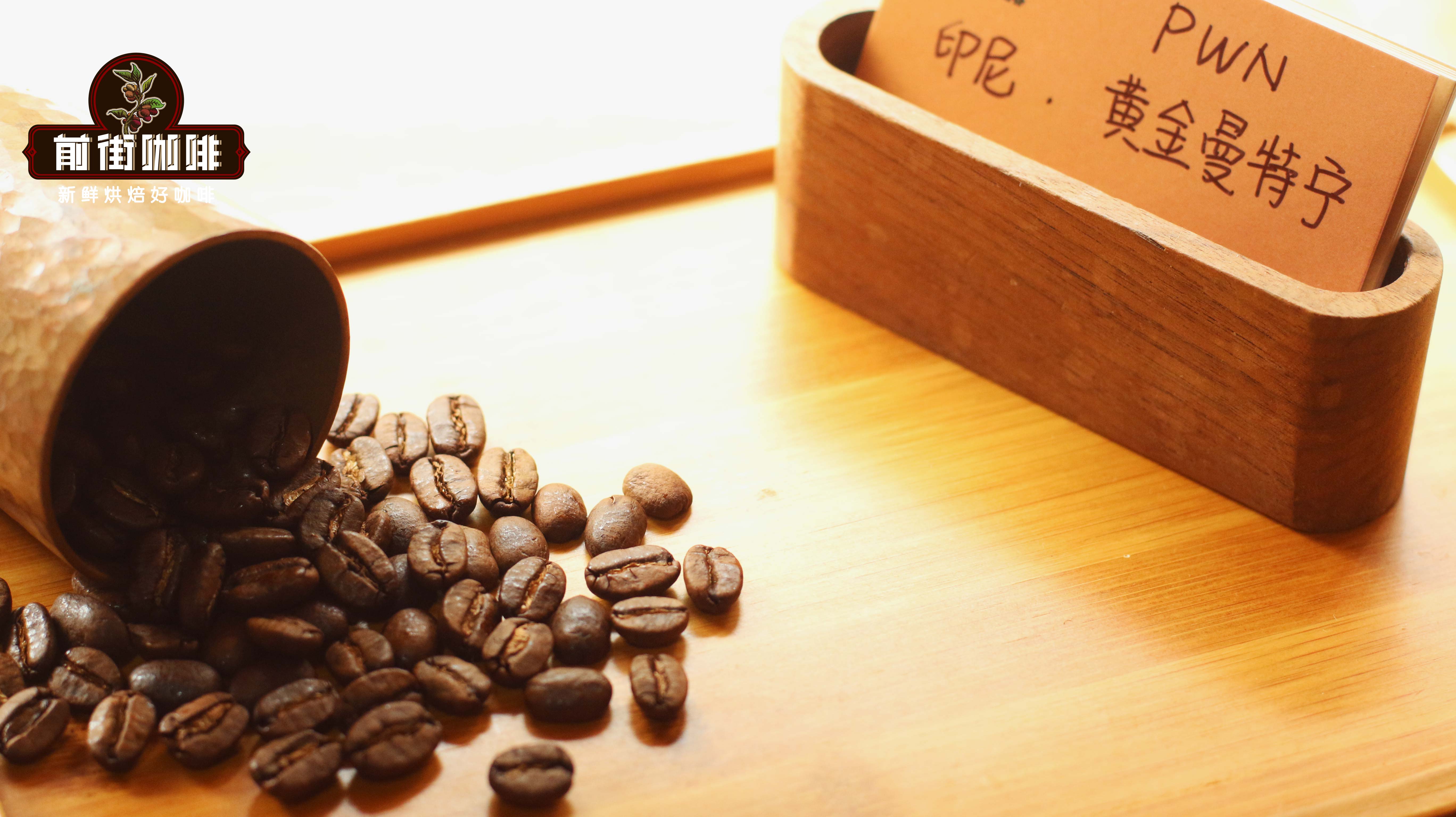
Of course, as the coffee market continues to evolve, the choices of espresso beans are also becoming more diverse, and everyone can choose according to their own taste and needs. Below, drawing on the high-selling products of the long-established self-roasting brand Front Street Coffee, we have specially compiled a list of espresso beans for friends who love Mandheling. 1. Front Street Indonesia Mandheling SOE Coffee
Mandheling coffee is mostly given a darker roast to weaken the acidity, making the mouthfeel fuller and more roast-aromatic while preserving deep, brooding notes of herbs, spices, and pine. Front Street Indonesia Mandheling SOE comes from the Lintong producing region of Sumatra and is Indonesia's highest G1 grade of green beans. It uses the wet-hulled process and a dark roast, bringing out Mandheling's caramel, spice, nut, and dark chocolate roast aromas to the greatest extent. Made into SOE espresso, it has a full body, is rich and low in acidity, with moderate crema. 2. Front Street PWN Golden Mandheling SOE Coffee
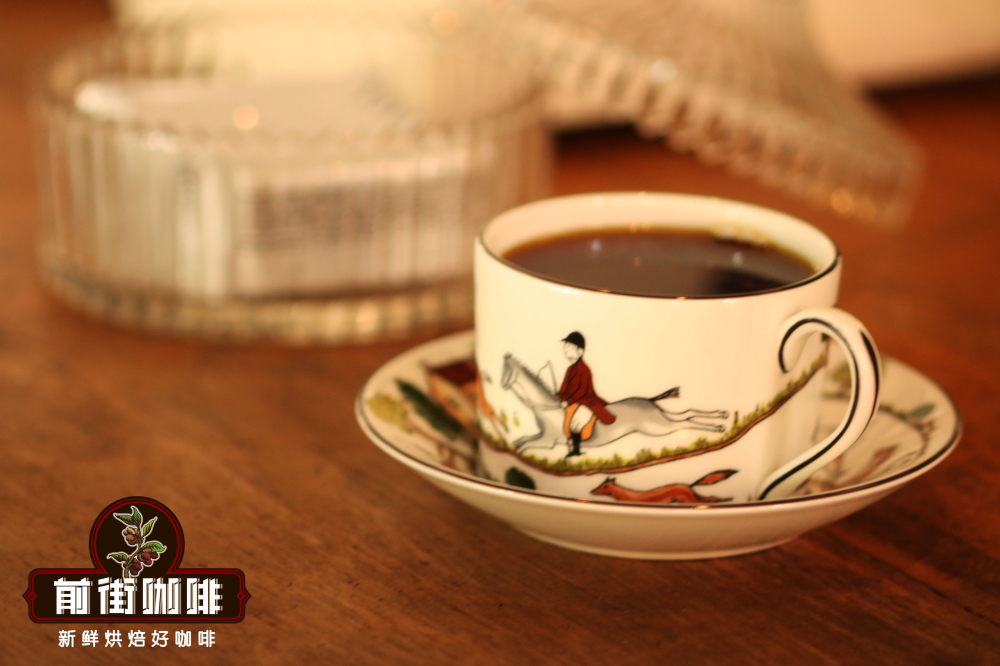
"Golden Mandheling" is PWN's signature product. Mandheling has strict standards and methods for defect screening, starting from values such as bean density, size, shape, and color. The Mandheling produced must undergo one mechanical sorting plus four rounds of manual hand-sorting to remove defects, ensuring complete, uniform, large, and translucent beans, and reducing earthy and grassy flavors. Front Street Golden Mandheling SOE carries notes of licorice and caramel, and drinks with flavors of dark chocolate, cocoa, nuts, and spices. It is overall clean, with obvious sweet aftertaste and high body. 3. Front Street Classic Espresso Blend Coffee
Most coffee lovers have only heard of Mamba coffee, but do not know its recipe and origin. In fact, Mamba is a combination of Indonesian Mandheling beans and Brazilian coffee beans; the flavors complement and harmonize with each other. Mamba blends were very popular in Taiwanese cafés in the early years, and can be called an old-school espresso flavor. Front Street Classic Espresso Blend adds Robusta to the Mamba recipe, greatly enhancing the coffee's crema and making the espresso's body stronger. It is suitable for home use and can be used for latte art.
The above content is compiled by CoffeeHunters, a coffee news website.


