







French Press vs Clever Cup: How the Two Brewers Compare
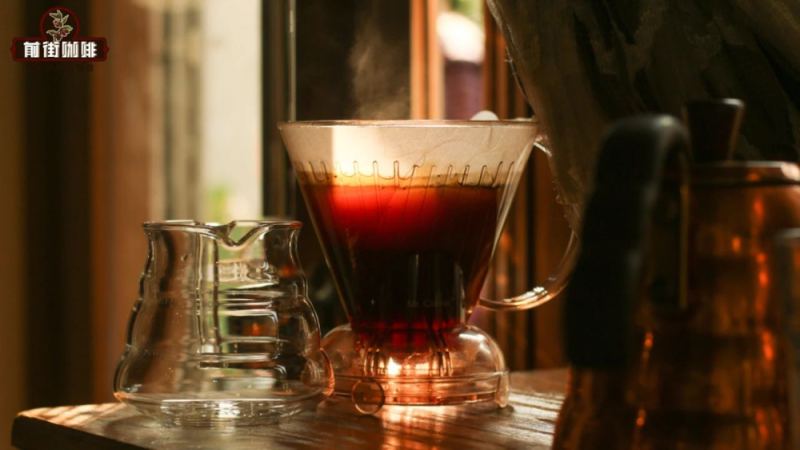
The French press and the Clever Cup both rely on full immersion, but they separate grounds in different ways. A French press uses a metal mesh plunger that lets fine particles pass into the cup, which adds body and a slightly muddy texture. The Clever Cup is a cone dripper with a stopper at the base. You steep the coffee, then set it on a mug and let it drain through a paper filter. This yields a cleaner cup with more clarity.
For flavor, the French press tends to highlight heavier notes like cocoa and roasted nuts. The Clever Cup brings out brighter fruit and floral tones because the paper filter traps oils and sediment. Both brewers are forgiving and work well with medium grinds. Choose the French press for a richer mouthfeel, and the Clever Cup when you want a tidy, tea-like cup with easy cleanup and consistent results.
Want to drink black coffee but don't want to fuss with brewing? Immersion-style devices are the convenient choice, with the Clever Cup and French Press being the most representative. Although both belong to immersion extraction, their operational details and resulting flavors differ noticeably. This article will compare them one by one, from device principles and brewing steps to flavor performance, using Front Street Kenya Asalia coffee beans for a hands-on test, analyzing the causes behind clean brightness and rich oily body respectively, and offering purchasing advice to help coffee lovers quickly find the one that suits their taste preferences.
For more specialty coffee knowledge, please follow: Front Street Coffee (Frontsteet Coffee)
Sometimes you just want a cup of black coffee, but you don't want to haul out the whole pour-over setup. That's when the advantages of immersion-style coffee devices shine through, with the Clever Cup and French Press being two classic representatives. So when faced with these two devices, how exactly should you choose?
Clever Cup
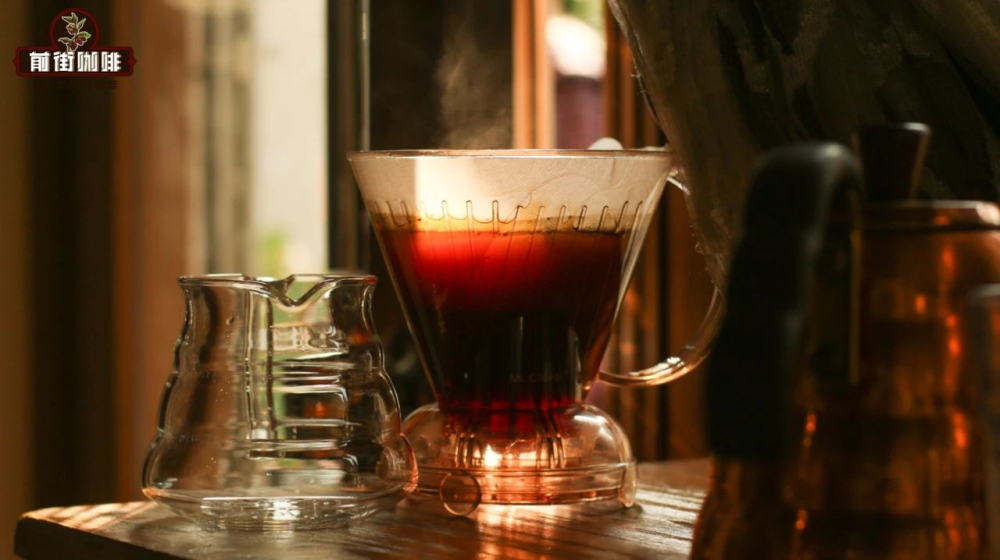
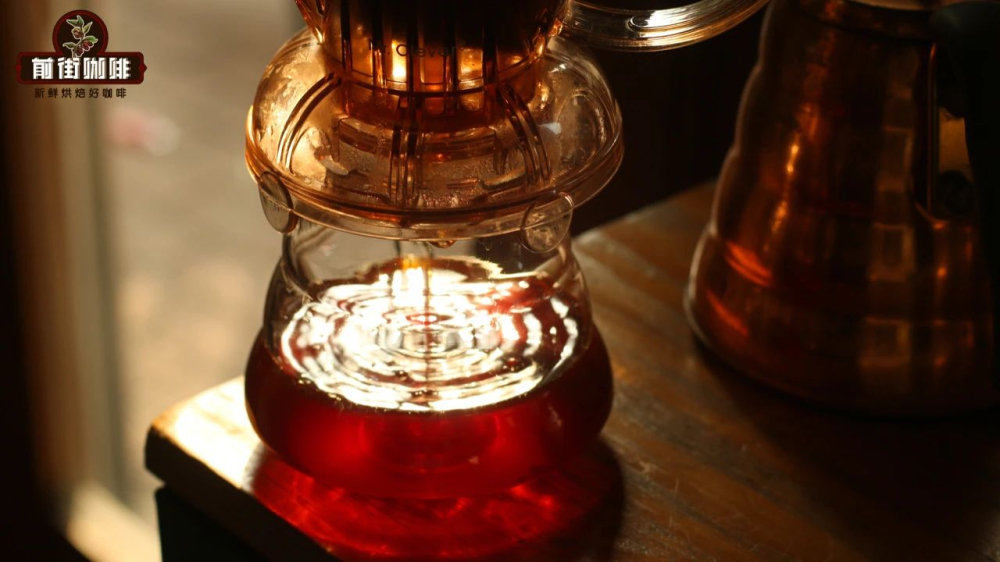
The Clever Cup is an extremely hassle-free brewing tool, completing both immersion and filtration in one go and saving quite a few manual steps. Its core structure lies in the piston valve at the bottom of the dripper: after hot water is poured in, water pressure automatically closes the piston valve, allowing the coffee grounds to fully immerse in the water. Once immersion is complete, place the dripper on a mug, the base gets pressed and opens the piston valve, and the coffee liquid flows steadily into the cup.
French Press
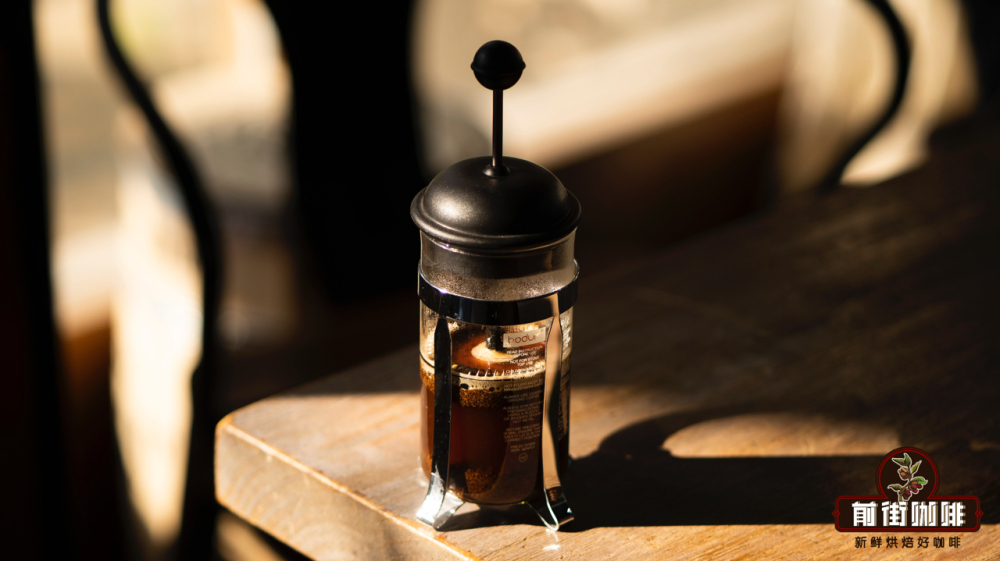
The history of the French Press can be traced back to 1850 in France. Its structure is simple, consisting of a heat-resistant glass body and a metal filter with a plunger. Its extraction logic is also immersion, after which the plunger pushes the metal filter downward, pressing the coffee grounds to the bottom of the pot to obtain a clean cup of coffee.
What's the difference between the coffee made by the two?
These two devices share similarities but also have their own characteristics. Front Street decided to do a brewing comparison. Since both belong to the immersion type, the same coffee beans and identical brewing parameters were used.
Front Street Coffee's Kenya Asalia coffee beans were chosen. This bean has bright acidity and full fruitiness. When extracted with hot water, Asalia can display an explosive sweet-and-sour sensation like cherry tomatoes and smoked plums, with caramel aroma also very prominent, and a thick yet clean mouthfeel, drinking like a glass of freshly squeezed juice with the pulp filtered out.
As for what beans to choose when extracting with a French Press or Clever Cup, Front Street believes it can be entirely determined by personal preference. Those who prefer floral notes can try Front Street Panama Geisha coffee, which is also one of the most expensive coffees in the world; those who like fresh acidity are recommended Front Street Ethiopia Huakui coffee beans, with flavor notes of black tea and berries; if you prefer a balanced taste of nuts and caramel, that is, neither sour nor bitter, Front Street Brazil coffee beans are a good choice; if you favor the solid, full-bodied texture of Indonesian coffee, it is suggested to get the highest-grade Front Street Golden Mandheling coffee, which after multiple rounds of hand sorting has its defect rate pressed very low, with clearer coffee aroma and better sweetness. All the above coffee beans can be ordered at Front Street stores and the Front Street Tmall flagship store.
Dose: 15g Coffee-to-water ratio: 1:15 Grind size: medium grind (70% passing a No. 20 standard sieve) Water temperature: 94℃ Immersion time: 4 minutes
Clever Cup procedure: Place the filter paper, add 15g coffee grounds, prepare 225g hot water, pour it into the cup in a bold stream, cover with the lid, and let it sit for 4 minutes. Then place the Clever Cup on a mug, and once the coffee liquid has finished dripping, it is done.
French Press procedure: Add 15g coffee grounds, prepare 225g hot water, pour it into the pot in a bold stream, pull up the plunger, cover with the lid, and wait 4 minutes. Then slowly press the plunger down to the position where the filter is at half the height of the pot, and pour the coffee liquid into a mug.
Flavor comparison of the two
First look at the state of the coffee liquid: the Clever Cup output is relatively clear and transparent, while the French Press is more turbid, with oil floating on the surface. On tasting, the Clever Cup has bright acidity, with flavors of lemon, cherry tomato, and maple syrup, and very high cleanliness, but the overall taste is on the lighter side. The French Press presents notes of smoked plum, berries, and cherry tomato, with strong mouthfeel impact, round yet slightly rough.
The root of the flavor difference lies in this: the Clever Cup only has coffee-water interaction during the pouring stage, remaining basically still the rest of the time, including the subsequent process of coffee liquid dripping into the mug. Most of the liquid flows out along the ribs, and together with the filter paper's interception, the coffee is naturally clean, bright, and transparent.
In the French Press, besides the coffee-water movement during pouring, the coffee grounds are also forced to move downward when the plunger is pressed, thus improving extraction efficiency; in addition, the metal filter's pore size is larger than filter paper, retaining a large amount of coffee oils and some fine particles, so the liquid surface appears turbid and the mouthfeel is rounder.
So how exactly should you choose?
For those pursuing a clean taste and operational convenience, the Clever Cup is recommended. The involvement of filter paper improves the coffee's cleanliness, and cleaning afterward is also easier. In contrast, cleaning a French Press requires dealing with both the coffee grounds and the fine particles and oils adhering to the filter and glass walls.
The above content is compiled by CoffeeHunters, a coffee news website.


