







Panama Geisha Coffee: Flavor, History, and Green Tip vs Red Tip
Panama Geisha is prized for its bright, tea-like cup with notes of jasmine, bergamot, and tropical fruit. The variety traveled from Ethiopia to Central America, and it gained fame after a Panamanian farm won a major competition in 2004. Today it grows at high elevations, where cool nights slow cherry development and concentrate sugars. That combination of genetics and climate is what produces its distinctive floral aroma and delicate acidity.
Green tip and red tip Geisha refer to the color of the new leaves, not the roasted bean. Green tip plants are often linked to the original Ethiopian line, while red tip is a related selection with its own cup character. Growers and buyers debate which is better, but both can score highly. The difference mostly shows up in subtle aroma and acidity, and it also depends on terroir and processing.
Geisha coffee traveled from the primordial forests of Ethiopia to the world stage, enduring decades of obscurity before its transformation. In 2003, Hacienda La Esmeralda entered it into the Best of Panama competition, and it shot to fame overnight, not only breaking the green bean auction record but also forcing organizers to split the competition into Geisha and non-Geisha categories. This article will trace the variety's origins, the differences between green-tip and red-tip Geisha, and focus on two Panama Geishas on the Front Street Coffee bean list—Hacienda La Esmeralda Green Label and Deborah Estate Savage Series—covering terroir, processing methods, and brewing suggestions to give you a comprehensive understanding of this coffee king's unique charm.
For more specialty coffee knowledge, please follow our WeChat public account: Front Street Coffee (FrontStreet Coffee)
The most sought-after coffees of the last century were undoubtedly Blue Mountain and Kona, as consumers at the time preferred rich, full-bodied coffee. Geisha, however, was largely ignored in that era, quietly building its strength in Panama.
The turning point came in 2003, when Hacienda La Esmeralda submitted Geisha coffee to the Best of Panama (BOP) competition, and the variety began to make its mark on the international stage. In the 2004 BOP event, Hacienda La Esmeralda won first place with Geisha, simultaneously setting a new record for green bean auction prices that year, and both Geisha and Hacienda La Esmeralda quickly rose to fame. Because Panama Geisha's flavor profile truly far surpassed other varieties, the BOP organizers had to divide the green bean competition into Geisha and non-Geisha categories to prevent Geisha from dominating entirely.
The Geisha variety was first discovered and collected in the Geisha forest of Ethiopia in the 1930s, then passed through several coffee experiment stations in Africa, but failed to stand out there due to its mediocre flavor. In the 1950s, the variety was introduced to CATIE in Costa Rica, assigned the number T2722. In the 1960s, it was distributed to Panama for planting, but because of its low yield and delicate plants, farmers did not invest much effort in it, using it only as a windbreak tree. After more than forty years, the Peterson family of Hacienda La Esmeralda discovered Geisha's potential and brought it to prominence, and since then Geisha has remained highly sought after.
Geisha coffee is extremely demanding in its growing conditions, requiring high altitude, cloud cover for shade, fertile soil, and sufficient accumulated heat—it is precisely this unique environment and climate that nurtures the coffee king. It is worth noting that those who study the Geisha variety in depth will find there are two types: bronze-tip Geisha and green-tip Geisha. Most Geisha varieties planted in South and Central America may trace their lineage back to the aforementioned T2722. Each coffee estate's planting situation varies, and cross-pollination or purchasing Geisha seeds from other plantations can occur.
In the book God in a Cup: The Obsessive Quest for the Perfect Coffee, Price Peterson of the Peterson family even acknowledged that Hacienda La Esmeralda's Geisha variety may differ from T2722. He explained: "Early botanical descriptions noted that the Gesha cultivar had bronze new leaves, poor cup performance, and strong fungal resistance. Panama Geisha, however, has light green leaf buds, excellent cup flavor, and resistance to leaf rust, but not to coffee leaf spot (Ojo de Gallo), which is what Central and South American farmers fear most."
The Panama Geisha coffee beans currently on the Front Street Coffee (FrontStreet Coffee) bean list come from two estates: one is the well-known Hacienda La Esmeralda, and the other is the rising star of recent years, Deborah Estate.
Hacienda La Esmeralda
Hacienda La Esmeralda is both the discoverer of Geisha coffee and its promoter. Since rising to fame in 2004, Hacienda La Esmeralda has maintained consistent quality in Geisha coffee. Hacienda La Esmeralda's Geisha coffee is now divided into two grades: Red Label and Green Label. Both grades of Geisha coffee beans are harvested from ripe Geisha cherries at altitudes above 1,600 meters. The only difference is that Hacienda La Esmeralda's Red Label Geisha can be traced to specific plots, while Green Label is a blend of micro-lots from different plots and cannot be traced to specific plots.
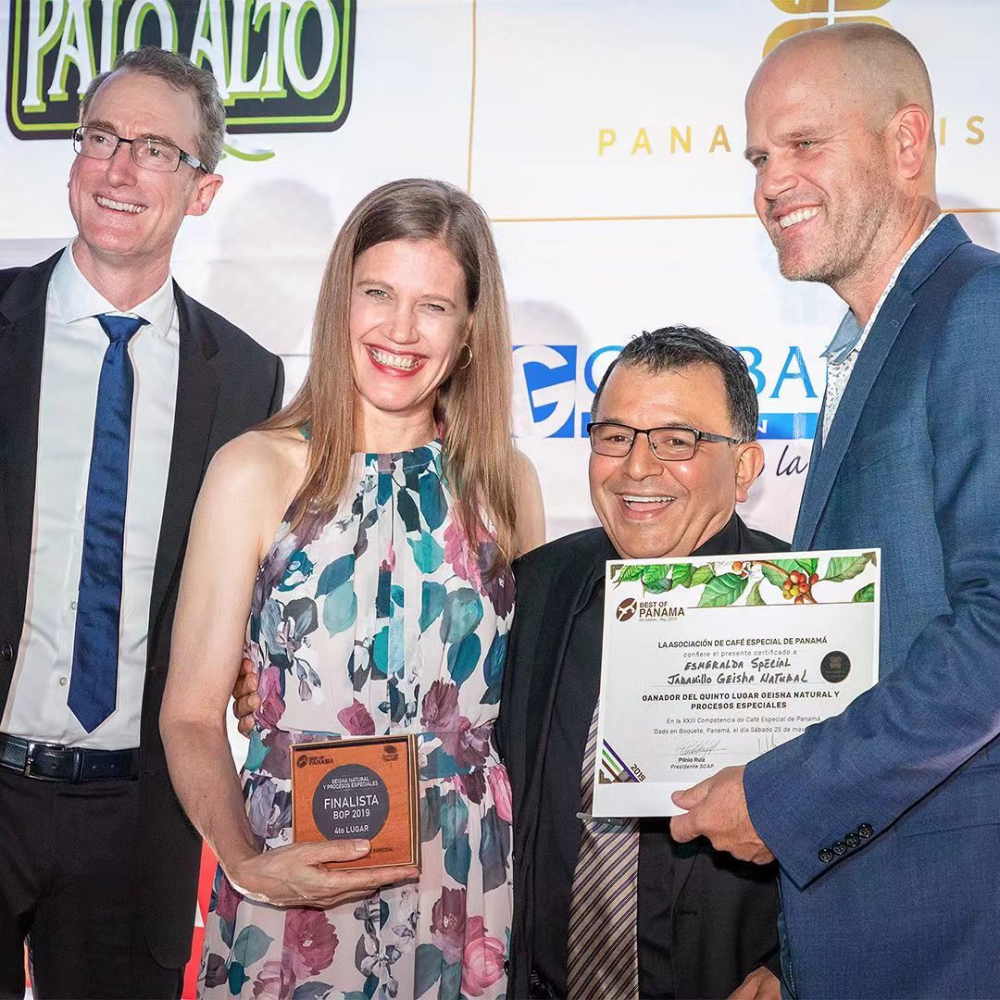
Hacienda La Esmeralda's Green Label Geisha flavor can sometimes be very similar to Red Label, and sometimes different, offering the fun of a lottery. Front Street's Green Label Geisha also has a very intense yet fresh jasmine and ginger flower aroma, bright citrus acidity, and a full, substantial juicy body. Front Street believes that Green Label Geisha is the most cost-effective Geisha coffee from Hacienda La Esmeralda.
Front Street Coffee (FrontStreet Coffee): Hacienda La Esmeralda Green Label Geisha Coffee Beans
Region: Boquete, Panama
Estate: Hacienda La Esmeralda
Altitude: 1,600m–1,800m
Variety: Geisha
Processing: Washed
Deborah Estate
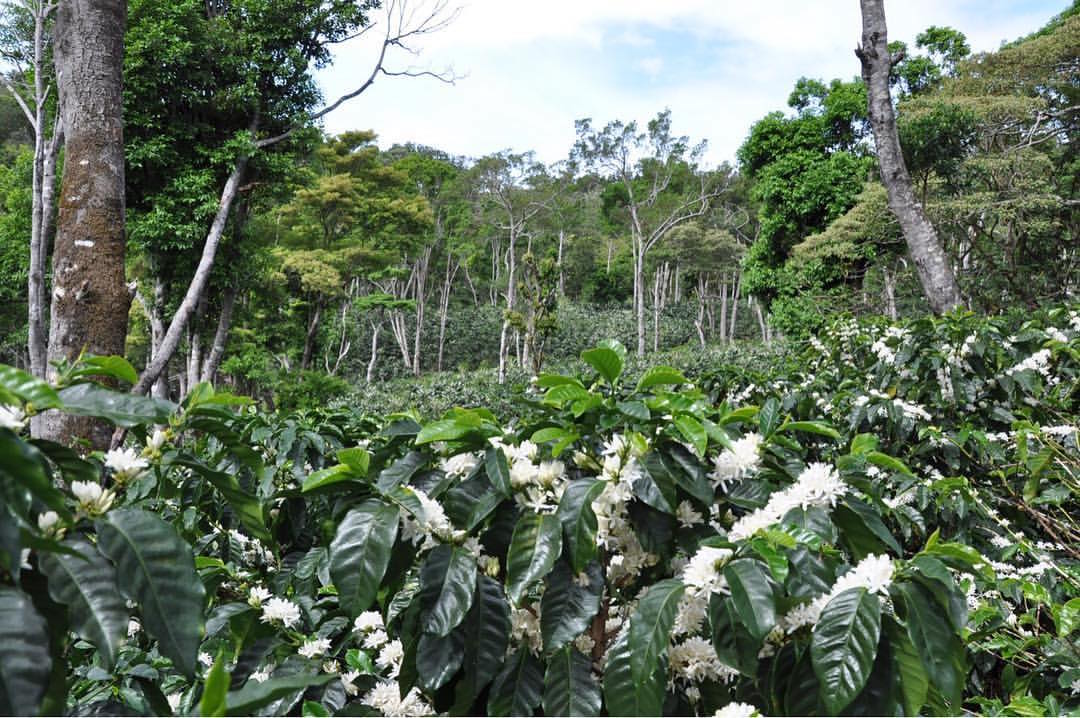
The estate began planning and construction in 2007, planted Geisha coffee trees at 1,900 meters in 2010, started small-batch harvesting in 2015, and officially began commercial harvesting in 2016. Deborah Estate is located in Panama's Volcán coffee region, at an altitude above 1,900 meters, near Barú Volcano. This area has dense primordial forests, large temperature differences between day and night, pervasive rain and mist, abundant rainfall, and rich biodiversity of flora and fauna, making it one of the highest and most remote coffee plantations in Panama.
The Geisha coffee variety not only survives in such harsh conditions but even thrives, with its rich, intense flavor and superior quality.
The Savage Series Geisha that Front Street acquired is made from Geisha coffee cherries that the owner of Deborah Estate purchased through the Savage Coffee project from nearby farmers—equally high-quality and high-altitude (2,000 to 2,350 meters)—then processed using Deborah Estate's post-harvest green bean processing techniques.
Front Street Coffee (FrontStreet Coffee): Deborah Estate Savage Series Geisha
Origin: Volcán, Panama
Estate: Deborah Estate
Owner: Jamison Savage
Altitude: 2,000m–2,350m
Variety: Geisha
Grade: SHB
Processing: Anaerobic Natural
High-altitude grown Geisha coffee is naturally sweet, bright, and richly flavored. This Savage Series Geisha specifically uses anaerobic fermentation natural processing: the coffee cherries are sun-dried in greenhouses until they shrivel like raisins, then placed in sealed containers with oxygen removed for 36 hours of dry fermentation, and finally the skin is removed while retaining 100% of the mucilage for fermentation. After such elaborate and refined processing, Front Street's Savage Series Geisha coffee has an extremely sweet aroma, with prominent fresh fruit and floral notes.
Because Panama Geisha coffee has excellent floral and fruity aromas and acidity, Front Street's roasters use a light roast. For brewing, Front Street recommends a higher water temperature, medium-fine grind, and a faster-flow dripper. Regarding the coffee-to-water ratio, Front Street recommends 1:16, which helps better experience Geisha's layers and flavors.
Dripper: Hario V60
Water temperature: 92°C
Coffee dose: 15g
Coffee-to-water ratio: 1:15
Grind size: 80% passing Chinese standard No. 20 sieve
Front Street uses a three-pour method: pour 30g of water to completely wet the coffee grounds and bloom for 30 seconds, then slowly pour the second pour in a circular motion with a small stream to 130g for the stage, and when the water level in the dripper drops to just before exposing the coffee bed, continue pouring to 240g; once the water has fully dripped through into the server below, remove the dripper. Total extraction time is about 2 minutes.
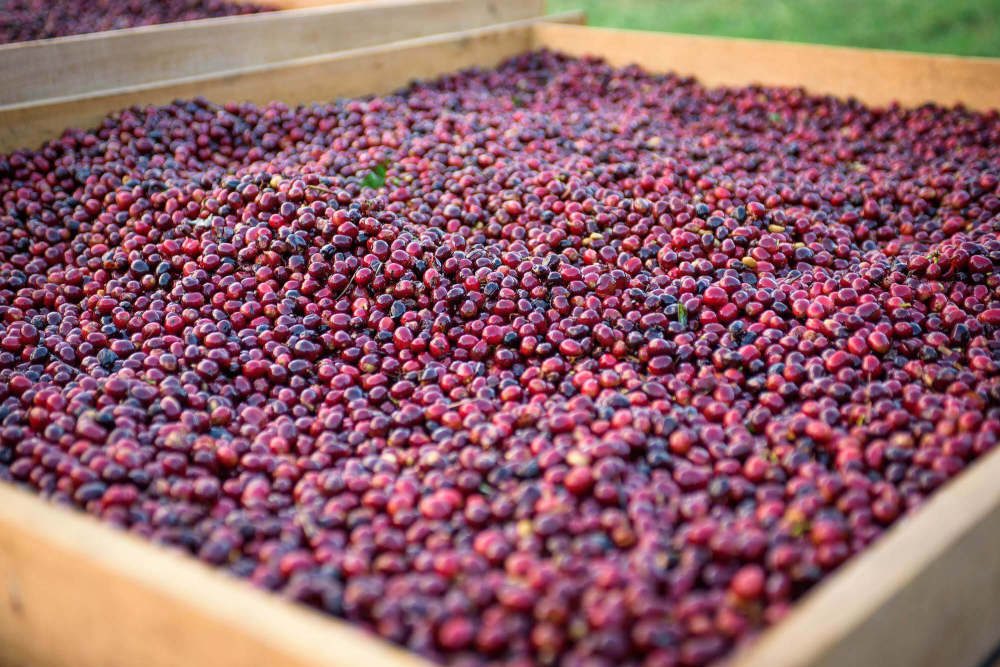
[Washed Green Label] Intense jasmine aroma, high sweetness, citrus, berries, juicy, creamy, green tea, orange peel, cantaloupe; overall rich in layers, with a lasting floral and citrus finish.
[Savage Geisha] Distinct white floral notes, pineapple, a sweet-and-tart sensation like lactic acid drinks, full body, overall clean and balanced.
The above content is compiled by CoffeeHunters, a coffee news website.


