







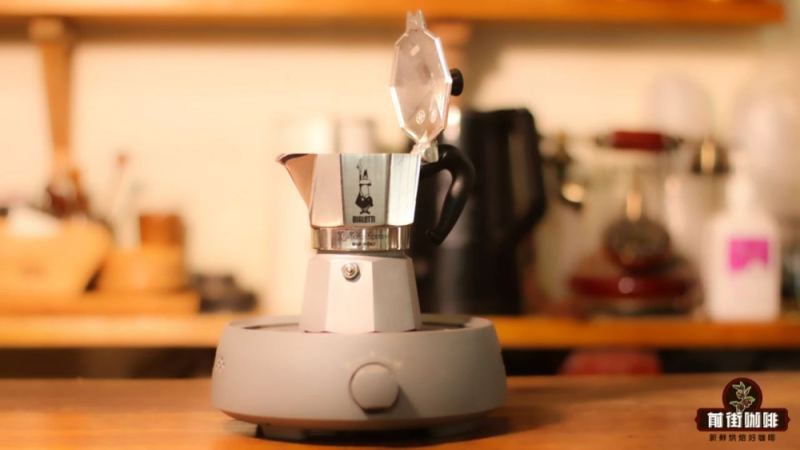
Should the Bialetti Moka Pot Lid Stay Open?
A Bialetti moka pot brews by heating water in the lower chamber until steam pressure pushes it up through the grounds. Leaving the lid open lets you watch the flow and cut the heat at the right moment, while a closed lid traps warmth and keeps splatter in. Either way, medium-dark beans suit the concentrated, oily result.
The design dates to 1933, when Alfonso Bialetti patented the base-heated device that became a fixture in Italian kitchens. Fill water to just below the valve, distribute grounds level without heavy tamping, heat gently, and remove the pot when the flow turns pale and sputtering. Nutty, chocolate, and caramel blends work well, as do fruit-forward lots for a sweeter cup.
Since the moka pot was invented by Alfonso Bialetti in 1933, its distillation-style principle of heating from the base has made it the most accessible choice among espresso equipment, found in nearly every Italian household. This article addresses three core questions: what coffee beans to choose for a moka pot, the specific operating steps for a Bialetti moka pot, and precautions during use. It also recommends two beans for different taste preferences: Front Street Coffee Classic Italian Blend and Front Street Coffee Strawberry Candy Italian Blend. The former presents nutty, buttery, chocolate, and caramel notes, while the latter delivers a fruit gummy-like sweet-tartness and a silky texture. The operation section breaks down in detail the six steps from adding water, distributing the grounds, heating, to timing the heat-off, along with practical reminders on water level control, burn prevention, and flame judgment, helping you consistently extract a rich flavor close to espresso at home.
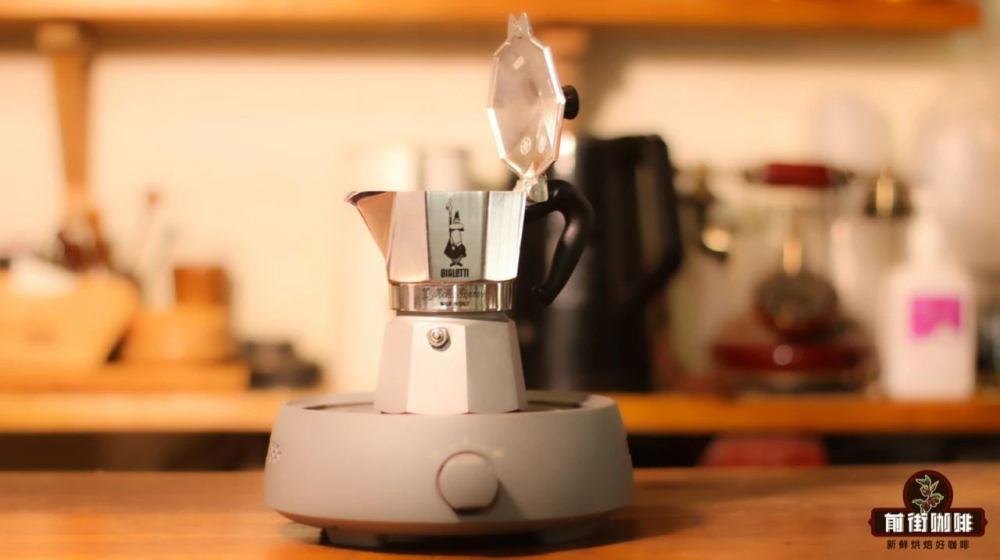
The origin of the moka pot can be traced back to 1933, when the Italian Alfonso Bialetti invented this device that brews coffee by heating from the base. It belongs to distillation-style extraction and, among the many devices for making espresso, is the one closest to ordinary households—so much so that it can be found in nearly every Italian home.
What coffee beans make a good-tasting moka pot brew?
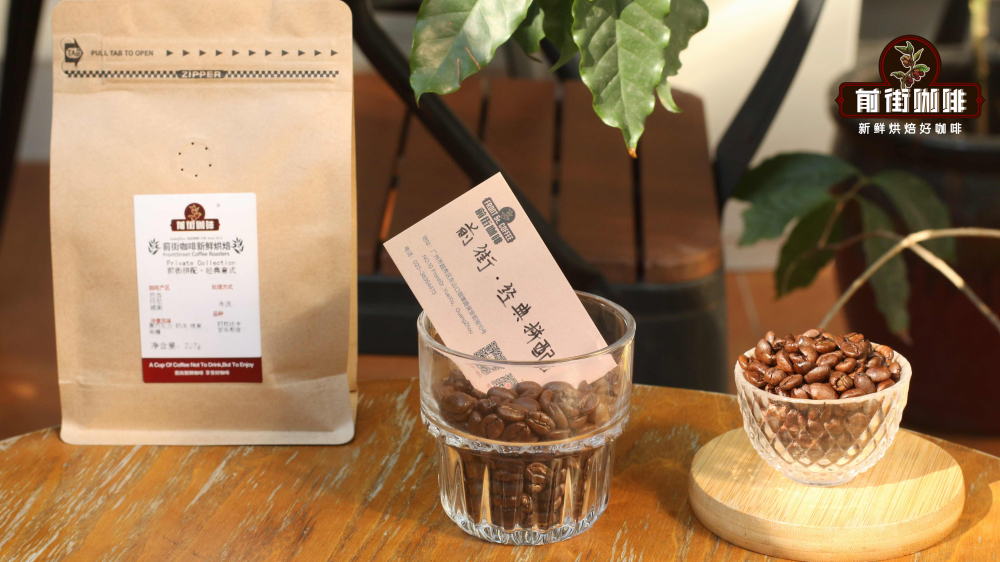
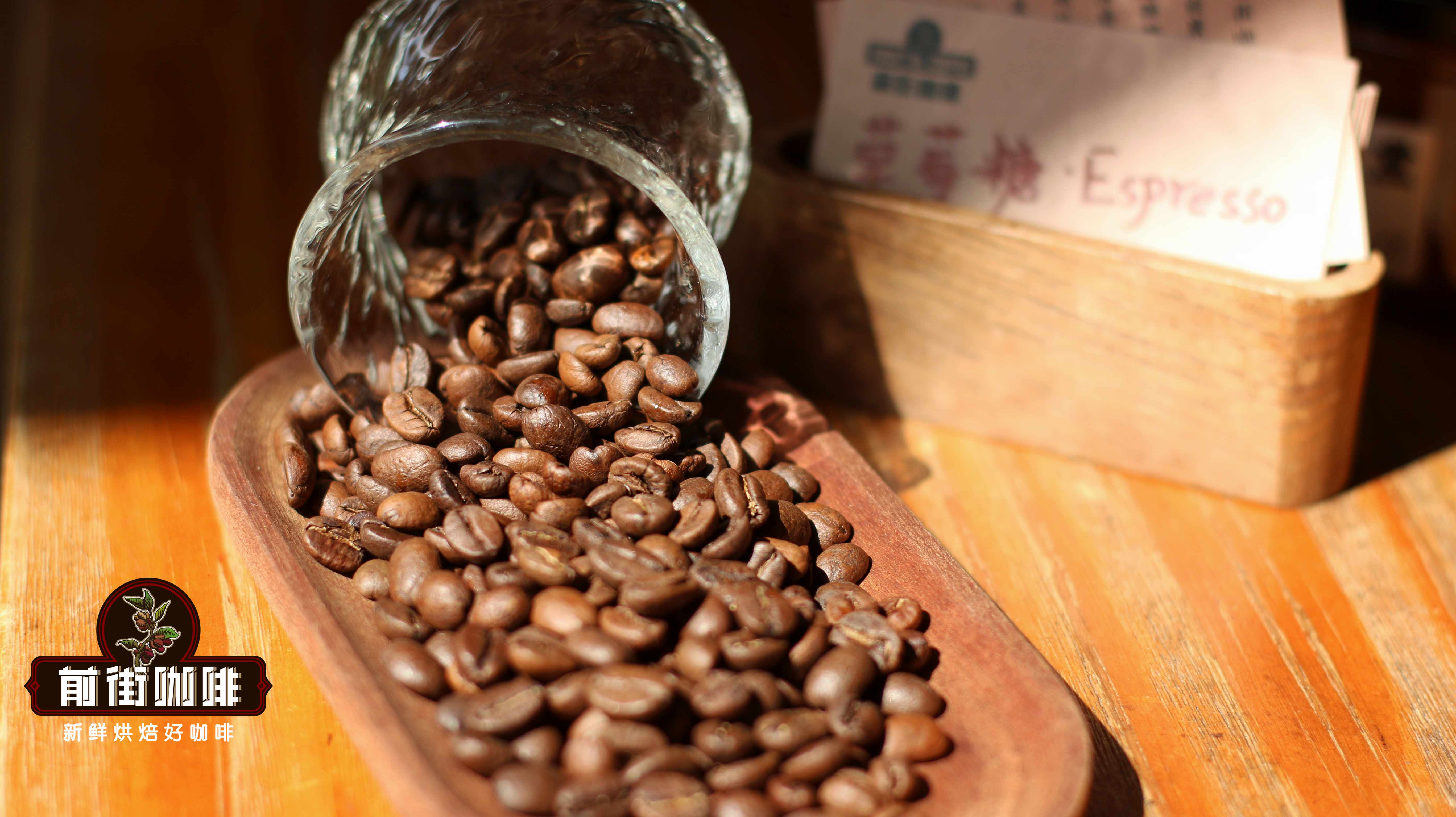
The working principle of the moka pot is actually not complicated: after the lower chamber is heated, steam pressure is generated. When the pressure is sufficient to penetrate the coffee grounds layer, the hot water is pushed into the upper chamber. The coffee extracted this way is highly concentrated, with both acidity and bitterness, and a layer of oils on the surface. Therefore, medium-dark roasted beans are most suitable, with Front Street Coffee Classic Italian Blend—featuring nutty, buttery, chocolate, and caramel flavors—being the top recommendation.
If you prefer a fruit gummy-like profile, you can try Front Street Coffee Strawberry Candy Italian Blend coffee. This bean blends three major producing regions—Costa Rica, Colombia, and Ethiopia—and even includes the Geisha variety, which naturally carries intense floral aromas. When used to make moka pot coffee, it has lower bitterness, good oil performance, and a silky mouthfeel, while offering a sweet-tartness similar to grapes and strawberry gummies. It is very friendly to those who cannot quite accept bitter coffee.
How do you use a moka pot to brew coffee?
The required utensils are: a moka pot, a gas stove and stove rack or an induction cooker, coffee beans, a grinder, and water.
1. Pour pure water into the lower chamber of the moka pot, keeping the water level about 0.5 cm below the pressure relief valve.
2. The grind size should be slightly coarser than for espresso. You can judge by referring to the gap size of the filter screen in the basket to ensure the coffee particles do not fall into the lower chamber. Slowly pour the coffee grounds into the basket, tap gently to distribute them evenly. Once the coffee grounds form a small mound, level the surface using distribution techniques.
The purpose of filling the basket is to avoid extracting undesirable off-flavors. The more uniform the density of the coffee grounds in the basket, the more it prevents localized over-extraction or under-extraction, thereby reducing uneven flavor or bitterness.
3. Place the basket into the lower chamber, screw the upper and lower parts of the moka pot tightly, then place it on the electric ceramic stove and heat over high heat;
4. When the moka pot has heated to a certain degree and you hear a distinct "hissing" sound, turn the electric ceramic stove to low heat and lift the lid of the upper chamber.
5. When half of the coffee liquid has flowed into the upper chamber, turn off the electric ceramic stove. The residual heat and remaining pressure inside the pot will continue to "push" the rest of the coffee liquid into the upper chamber.
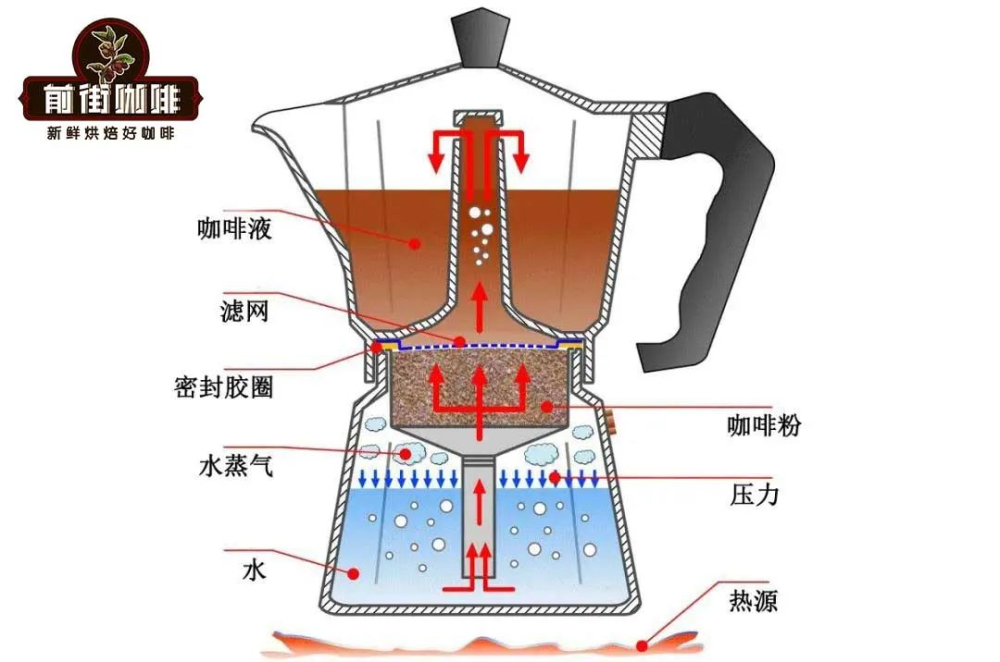
6. Once all the coffee liquid has been extracted into the upper chamber, it is ready to pour into a cup and drink. Coffee made with a moka pot is very rich and can even extract Crema, with a taste closest to espresso. It can also be diluted with an appropriate amount of water or milk, just like espresso.
Precautions when using a moka pot:
1. When filling the lower chamber with water, be sure to note that the water level must not exceed the position of the pressure relief valve.
2. After the moka pot is heated, do not touch the body directly to avoid burns.
3. If the coffee liquid spurts out explosively, it means the water temperature is too high; conversely, if it flows out too slowly, it indicates the water temperature is too low, and you need to turn the heat up a bit. 4. Safety: Because there is pressure inside the pot, pay attention to controlling the heat during brewing.
The above content is compiled by CoffeeHunters, a coffee news website.


