







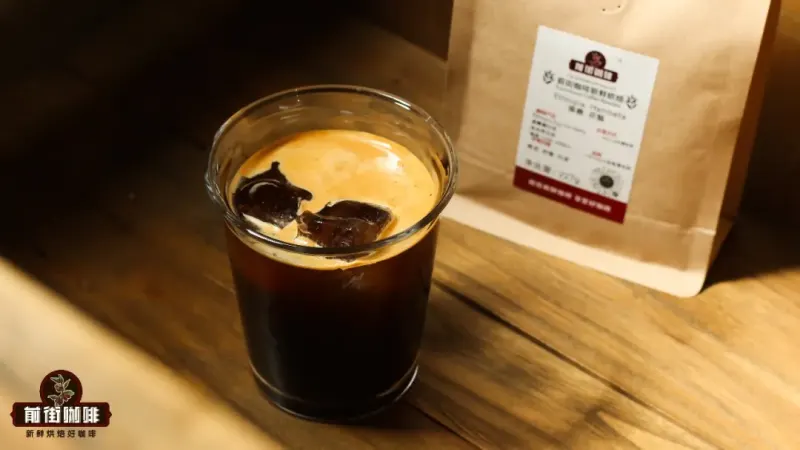
What is coffee SOE meaning, and when does single-origin espresso work?
SOE stands for single-origin espresso, meaning espresso pulled from beans of one origin rather than a blend. It is not automatically better. A bag counts as single-origin when the growing area is limited to one zone, such as a single AA zone in one province. Mixing AA and BB zone beans from the same province makes it a blend instead.
Single-origin lots can highlight a clear style, but they also expose flaws, since espresso concentrates flavor under pressure and high temperature. Light-roasted arabica bean lots often bring higher acidity and a thinner mouthfeel, which can taste sharp or watery in espresso. Blends usually deliver the balance and stability that cafes rely on. Choosing among lots depends on whether the goal is a distinctive cup or a consistent daily shot.
In the world of espresso, SOE has attracted increasing attention in recent years. SOE refers to espresso made from single-origin coffee beans, but it is not inherently better tasting. This article will start with the difference between single-origin beans and blend beans, analyze the characteristics of SOE—where flavors stand out but flaws are easily magnified—and, combined with Front Street Coffee's comparative experiments, explain the problems of light-roast beans used for espresso, such as higher acidity and a thin mouthfeel. The article will also offer bean selection advice for coffee shops and home users, and introduce in detail the suitable scenarios and flavor performance of several Front Street espresso blends, helping you find the cup that suits you best.
Many factors influence the final performance of a cup of coffee, and SOE merely refers to espresso made from single-origin coffee beans; the beans it uses are not necessarily of higher quality than blend beans.
So-called single-origin coffee beans refer to beans from a single origin. For example, if an entire bag of beans comes from the same AA zone in the same province, as long as the growing area is limited to that zone, it counts as single-origin coffee beans. Conversely, if a bag of beans, although from the same province, mixes beans grown in the AA zone and the BB zone, it is classified as blend coffee beans.
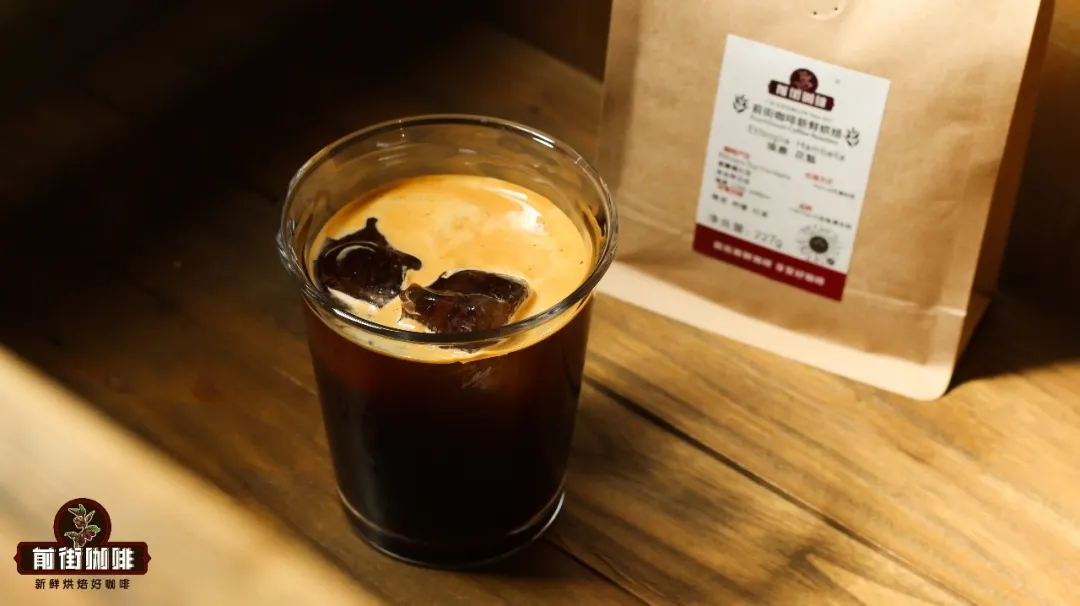
However, even if the beans come from the same zone, they are not necessarily suitable for making espresso. The key reason espresso has gained a large following is its extremely high stability, able to maintain a balanced, rich, intense, and full-bodied flavor experience over a long period.
Coffee is, after all, an agricultural product, and every year its quality and flavor fluctuate due to changes in climate and terroir at the origin. Espresso is also a highly concentrated coffee liquid extracted under pressure and high temperature; as long as there is any slight flaw in coffee quality, or the roasting stage fails to properly interpret the beans' characteristics, espresso can easily develop unpleasant flavors.
SOE stands for single-origin espresso, and it does not necessarily equal specialty coffee. However, if you choose single-origin beans with high flavor distinctiveness to make SOE, you can indeed make espresso with a clear and typical style. Front Street Yirgacheffe SOE has typical citrus notes, Front Street Kenya SOE presents small tomato and berry flavors, and Front Street Mandheling gives off spice and herbal aromas. Because espresso amplifies taste, these specific flavors are more prominent than in pour-over, but acidity is also amplified.
In past comparative experiments, Front Street Coffee (FrontStreet Coffee) found that espresso extracted from light-roast coffee beans often has higher acidity and tends to produce a sharp sour sensation. If diluted with water to make an Americano, or combined with milk to make a latte, the overall mouthfeel lacks body, appearing thin and watery.
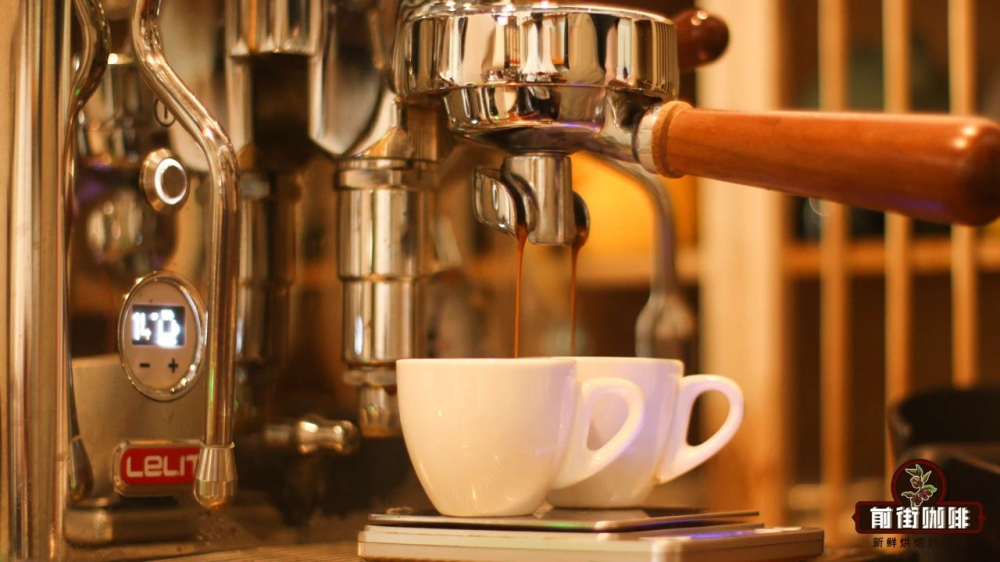
Although SOE performs strikingly, precisely because it comes from a single origin, its flaws are relatively easy to magnify. Factors such as roast level and grind size all affect the final flavor, so SOE is not necessarily better tasting than blend coffee. Bean quality, freshness, roasting, the espresso machine, the preparation process, and personal taste preferences all greatly influence coffee performance, so what kind of coffee tastes good cannot be generalized. As Front Street puts it in old Cantonese saying, salted fish and cabbage, everyone has their own preference.
Using single-origin beans to make espresso is simply about letting people who like espresso and milk coffee also taste the flavor of the single-origin beans themselves. If a single-origin bean is not very distinctive and most people cannot taste its unique flavor, then it loses the meaning of making SOE.
If you are the owner of a coffee shop, Front Street relatively recommends blend coffee beans with good flavor and high cost-effectiveness as the default option, which can further stabilize product quality, reduce costs, and allow pricing more suitable for mass consumers. After the store's operations get on track, then based on the taste needs of the main customer group, decide whether to add an SOE option and which single-origin bean to use for making SOE.
Front Street has a total of 5 espresso blend coffee beans in different styles. To let everyone taste the most complete coffee flavor, all coffee beans sold by Front Street are shipped within 5 days after roasting is completed.
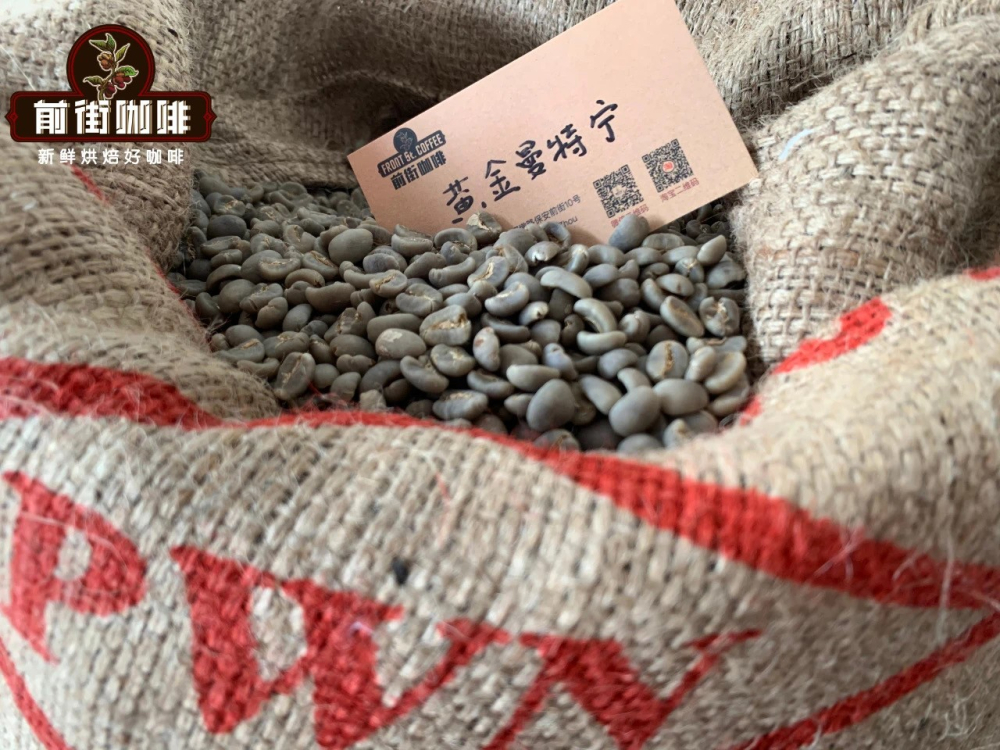
"Front Street Specialty Blend Coffee Beans" are suitable for homes, offices, and specialty community coffee shops. It consists of Colombian washed beans and Brazilian semi-washed beans, presenting flavors of nuts, dark chocolate, and caramel, along with a pleasant bittersweet taste. Paired with milk to make a latte, it is smooth on the palate, stable for latte art, and rich in roasted aroma; when making a Dirty, it not only shows beautiful layering, but also leaves dark brown "tiger stripes" on the coffee surface.
"Front Street Commercial Blend Coffee Beans" are suitable for all types of coffee shops. It consists of Colombian washed beans, Brazilian semi-washed beans, and a small amount of Robusta beans, presenting flavors of nuts, cocoa, and caramel. Compared with other espresso coffees, Front Street Commercial Blend uses the classic combination of Brazil and Colombia, then adds a small amount of Robusta to further enhance the original flavor layers. The coffee shows complex nutty aromas such as toasted bread, almonds, and walnuts, with good oil fluidity, low acidity, and a rich mouthfeel. Combined with its price advantage, it is undoubtedly the best choice for opening a shop.
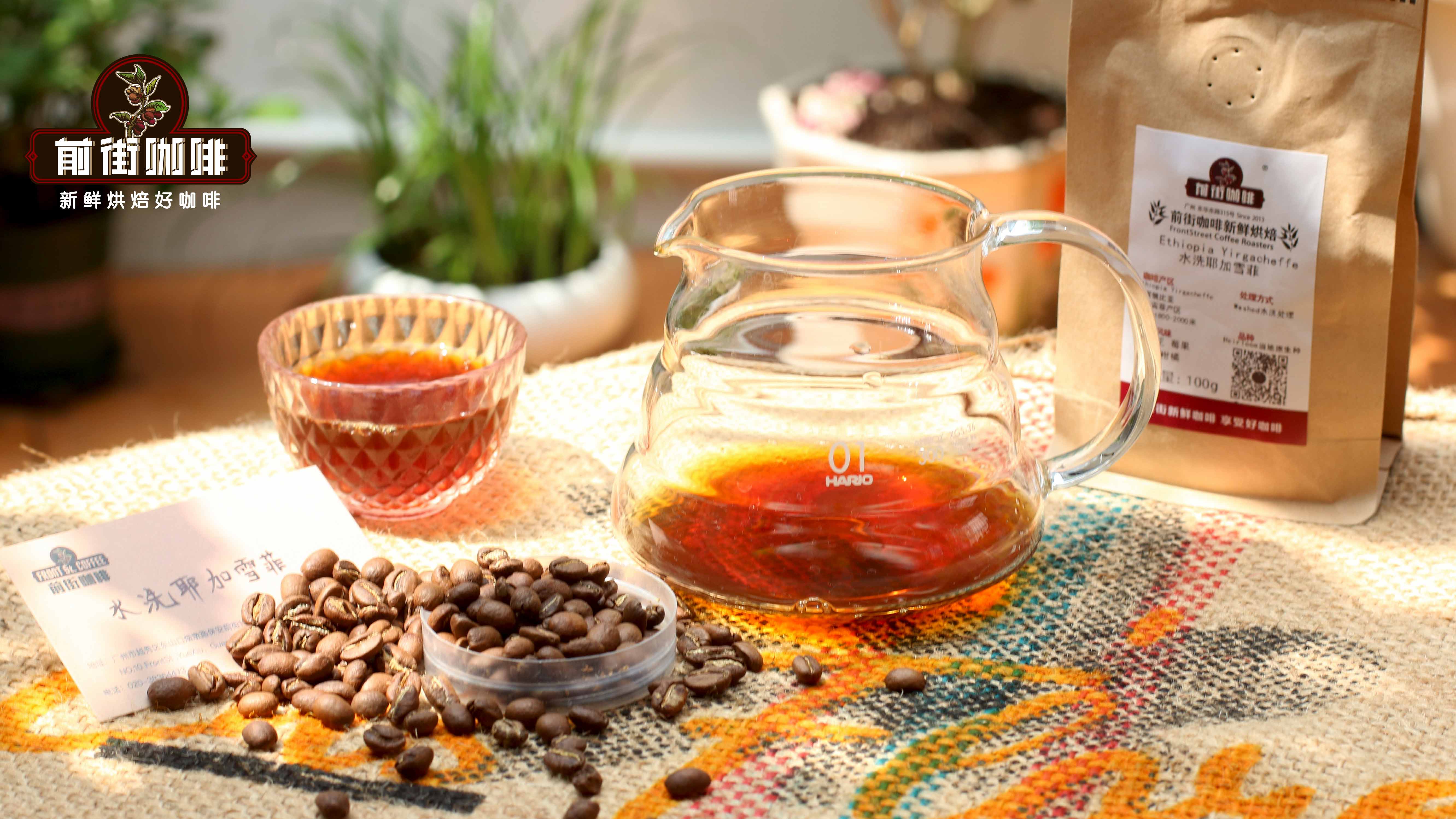
"Front Street Dark Cocoa Blend Coffee Beans, recommended by many baristas" are suitable for all types of coffee shops, bakeries, beverage shops, and home espresso machines. It consists of Yunnan washed Arabica beans and Brazilian semi-washed coffee beans, combining nutty notes with the acidity of ripe plums. After grinding into powder, it gives off the aroma of creamy chocolate and cocoa cookies. The taste is balanced, and the crema has a golden glossy surface, making it very suitable for friends opening a shop or using it at home.
"Best-selling espresso coffee bean recommendation — Front Street Classic Blend Coffee Beans" are suitable for beginners, those learning latte art, and specialty coffee shops pursuing a high-end positioning. Friends who want to learn latte art at home should buy Front Street Classic Blend. This is a medium-dark roast espresso recipe composed of three origins, inspired by the "Mamba" popular in ancient times, namely the combination of Mandheling and Brazil. To add aroma and crema, Front Street Classic Blend also contains a small amount of Robusta, thereby enhancing flavor intensity, so beginners can easily make espresso with golden crema at home.
The above content is compiled by CoffeeHunters, a coffee news website.


