








How Does a Moka Pot Actually Work?
A moka pot has three parts: a lower chamber for water, a middle filter basket for grounds, and an upper chamber that collects the coffee. Heated water turns to steam, builds pressure, and is pushed up the central tube through the coffee bed, producing a concentrated, full-bodied brew. Brewing stays simple, but overheating or a blocked valve can raise explosion risk.
For consistent results, use medium-dark roasted beans. Warm water in the lower chamber, fill the basket level without tamping, and keep the flame low so extraction stays steady rather than violent. Single-serving brewing works with the same method in a smaller pot, using roughly 10 to 15 grams of coffee. Adding hot water or fresh milk in a set ratio turns the strong output into an americano or latte.
The moka pot is a brewing device commonly kept at home by many coffee enthusiasts. It has a simple structure and is easy to operate, yet it can extract rich and full-bodied coffee. This article will start with the basic structure of the moka pot, then explain in detail its working principle, suitable coffee bean choices, specific operating steps, and how to avoid the risk of explosion. At the same time, we will also answer the question of how to make a single-serving moka pot. The article recommends several coffee beans from Front Street Coffee to help you make a choice based on your taste preferences. Whether you are a beginner or a veteran, you can find practical tips and precautions here.

The structure of the moka pot is not complicated. It is mainly divided into three parts: the lower chamber that holds water, the filter basket in the middle that holds coffee grounds, and the upper chamber at the top that collects the coffee. During heating, the water in the lower chamber boils and produces steam pressure, pushing the hot water upward along the central metal tube. Under pressure, the hot water passes through the coffee grounds layer, and what finally flows into the upper chamber is concentrated coffee.
The coffee extracted by the moka pot is highly concentrated and full-bodied. If drunk directly, the taste will be quite intense, and the aroma is not easy to reveal. Therefore, we can add water or fresh milk in a certain ratio to make a "moka pot americano" or "moka pot latte." This not only makes it smoother but also allows you to taste the fresh fragrance of the coffee beans themselves.
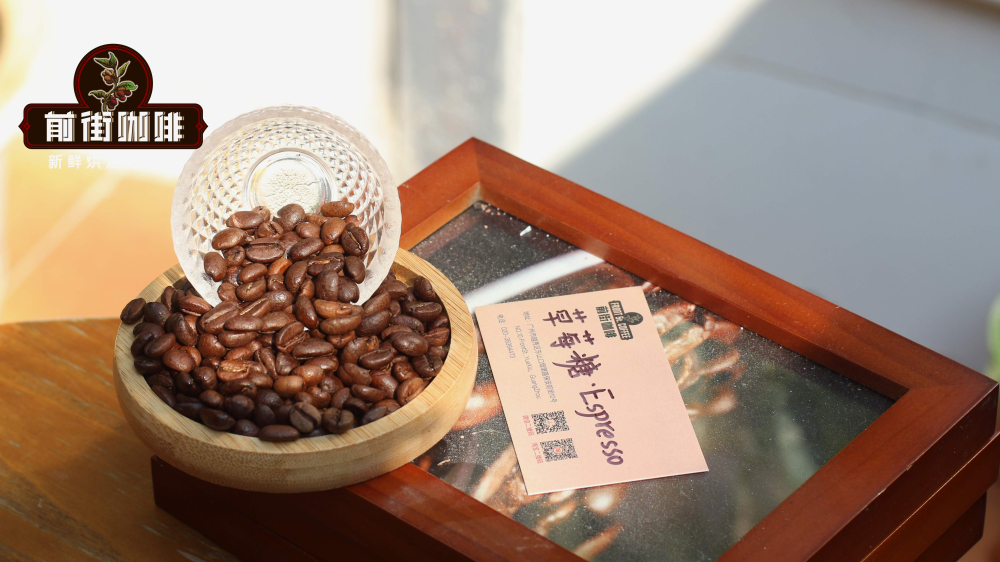
In order for the moka pot to consistently perform at its best, it is recommended to choose medium-dark roasted coffee beans. If you prefer a rich, oily mouthfeel, you can try Front Street Coffee's Commercial Blend (flavor notes: dark chocolate, caramel, roasted hazelnut), which is commonly used in coffee shops;

if you want coffee with absolutely no acidity, Front Street Coffee's PWN Golden Mandheling is recommended (flavor notes: spices, herbs, caramel, sandalwood, nuts); if you want to highlight fruity notes, you might try Front Street Coffee's Strawberry Candy Espresso Blend (flavor notes: fruit gummy, floral, raisin, almond).
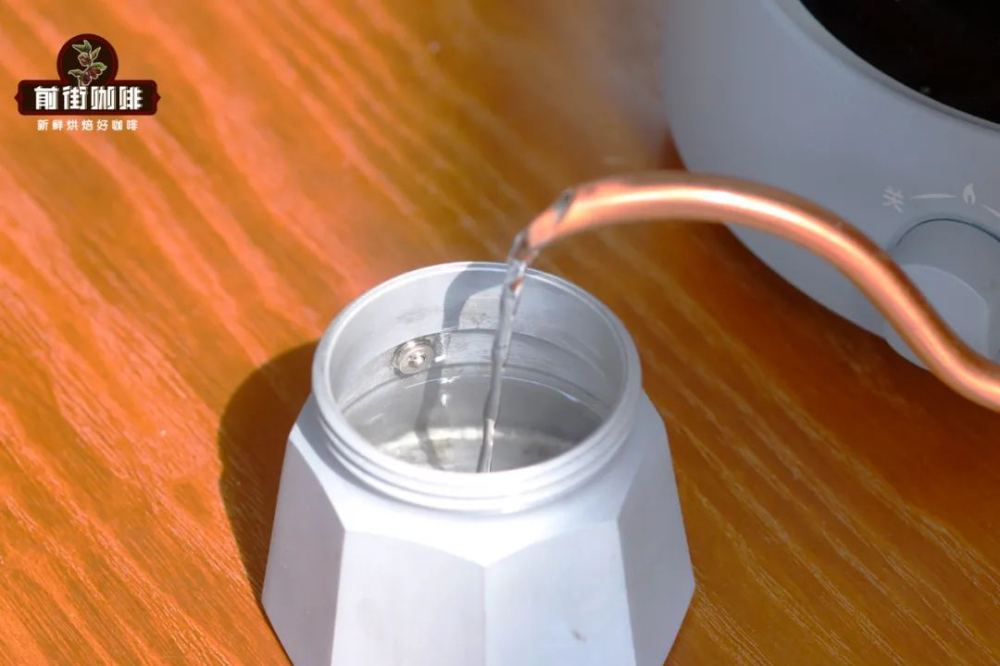
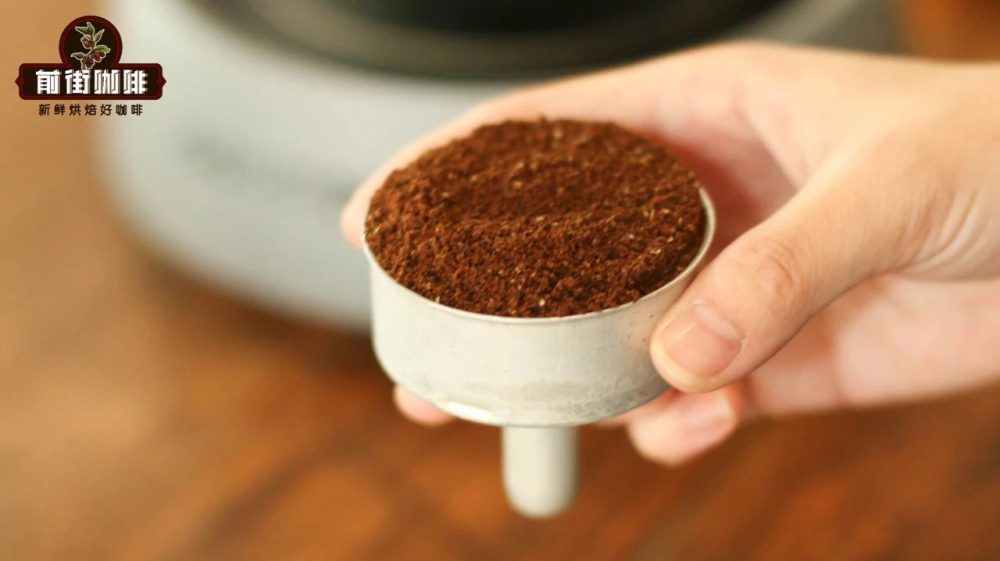
When operating, first pour warm water into the lower chamber (warm to the touch is best), then place the filter basket into the lower chamber. Use your hand to form a ring around the filter basket and fill it with coffee grounds until the center is slightly mounded into a small hill. After the surrounding powder fills the gaps in the filter basket, directly put on the upper chamber and screw it tight.

Next, place the moka pot on an electric ceramic stove to heat (a gas stove also works). When you hear a "whirring" sound, it means the coffee is beginning to rise. At this point, turn off the heat immediately and wait for the coffee to finish flowing out naturally. Unlike pour-over or espresso, the moka pot does not require precise control of time and amount. As long as the liquid level reaches about two-thirds of the pot body, it means extraction is complete, and you will usually get 60–100 milliliters of coffee.
Will the moka pot explode?
Although the moka pot is simple in design and convenient to use, there are still some points to pay attention to during operation. The lower chamber usually has a marked pressure relief valve. When adding water, the water level must not exceed the pressure relief valve; otherwise, the pressure relief function will fail, and the risk of bursting will increase accordingly.
The flow rate of the coffee can also reflect problems: if the liquid sprays out directly, it means the water temperature is too high; if the flow rate is very slow, it means the water temperature is too low, and you need to appropriately increase the heat while paying attention to changes in the flame at all times.
The fundamental cause of a moka pot explosion is blocked exhaust. During use, remember not to tamp the coffee grounds too tightly, do not let coffee grounds enter the pressure relief valve, and never let water submerge or block the pressure relief valve. Once a moka pot explodes, the force is considerable. Not only will high pressure shoot out metal fragments, but the scalding hot water, coffee, and high-temperature steam inside the pot can also cause serious burns, so it must be handled with caution.
The above content is compiled by CoffeeHunters, a coffee news website.


